Why Enzyme Cleaners Outperform Chemical Stain Removers
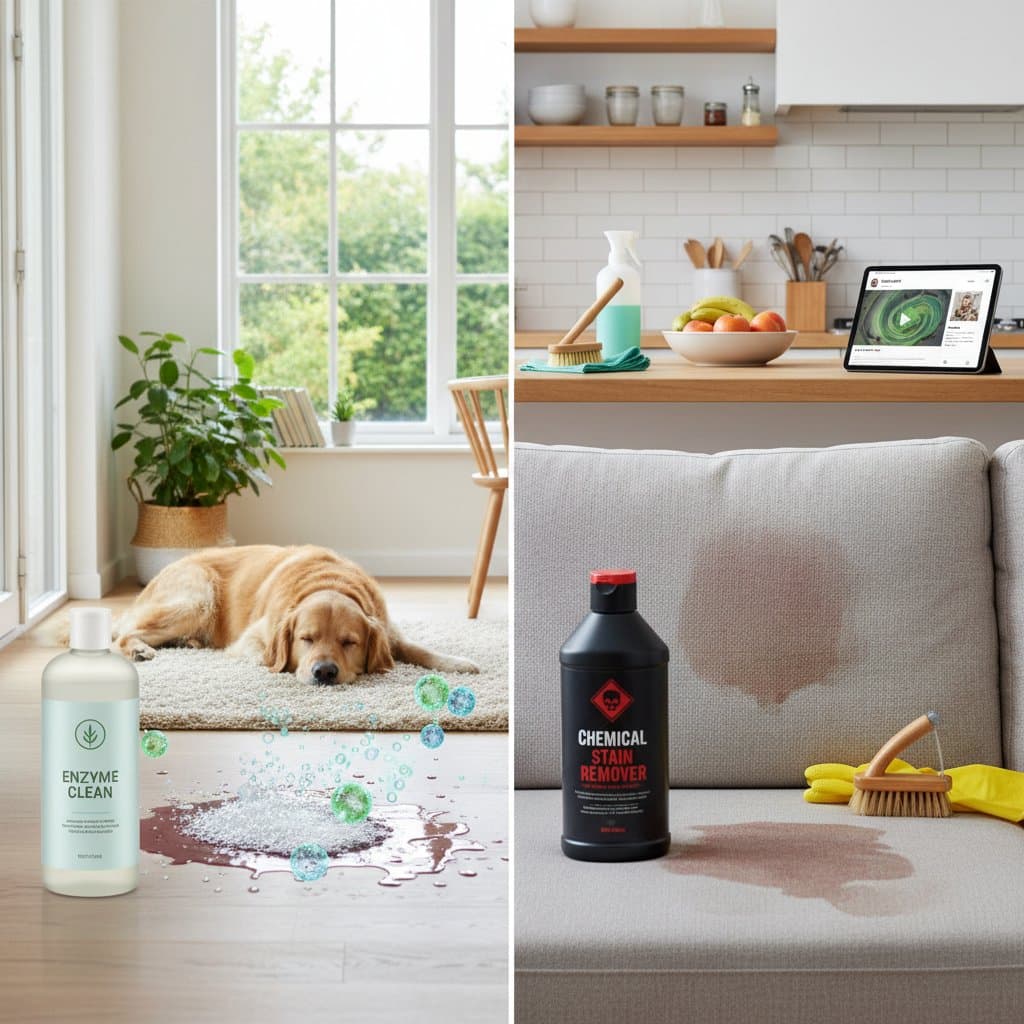
Social media videos often showcase a liquid poured over a persistent stain, resulting in its rapid disappearance. The ingredient responsible for these transformations is enzymes, not illusions or edits. Through extensive testing on items such as mud-covered uniforms, wine spills, and pet-related messes, enzyme cleaners demonstrate reliable performance against challenges that frustrate even experienced cleaners.
Key Advantages
- Enzyme cleaners employ natural biological processes to degrade organic stains, including food residues, bodily fluids, and pet accidents.
- They surpass traditional chemical cleaners on organic materials while providing greater safety and environmental compatibility.
- Specific enzymes address particular stains, so product selection influences effectiveness.
These cleaners suit families and pets, making them suitable for active homes.
Social media trends underscore their reliability, though knowledge of their mechanisms enhances application.
Limitations of Conventional Cleaners
Experience reveals that cleaners vary significantly in capability. Upon relocating from an urban environment to a rural setting, the shift from city dirt to persistent mud and grass stains highlighted inadequacies in standard products. Traditional sprays and detergents often conceal issues rather than resolve them, as shared by many online cleaning communities.
Chemical cleaners typically depend on surfactants, solvents, and fragrances to shift or obscure stains. They may lighten surface marks, yet they seldom dismantle the organic components responsible for odors and recurring discoloration. Consequently, pet stains reemerge, and laundry odors persist despite repeated efforts.
Biological Mechanisms of Enzyme Cleaners
Enzyme cleaners operate through distinct biological methods. Rather than employing aggressive chemicals, they utilize catalysts that accelerate the breakdown of organic substances into soluble parts for simple removal.
Cleaning expert Dr. Hannah Bell explains, "Enzymes function as precise agents. Each type focuses on specific molecules, such as proteins, fats, or carbohydrates, targeting the bonds that maintain stain integrity."
Primary enzyme categories include:
- Protease: Degrades protein stains like blood, egg, or sweat.
- Lipase: Addresses fatty residues and grease.
- Amylase: Handles starch-based stains from sauces or gravies.
- Cellulase: Removes plant-derived soils and enhances fabric brightness.
- Urease: Neutralizes pet urine and associated odors.
This approach ensures biodegradability and minimal toxic remnants.
Influence of Social Media on Cleaning Practices
Platforms like TikTok have reshaped household maintenance into an engaging spectacle of transformation videos. Users favor enzyme cleaners for their swift, visible outcomes, such as a coffee stain dissolving from upholstery.
These demonstrations promote effective natural alternatives. They illustrate that mild, sustainable options can exceed the capabilities of chemical-intensive products.
Professional organizer Emily Carr, focused on sustainable environments, notes, "Social media has made cleaning expertise accessible. Enzyme cleaners succeed because they balance efficacy with safety."
Common Stains Addressed by Enzyme Cleaners
Household tests confirm enzyme cleaners' versatility across typical challenges. In homes with children, pets, and frequent meals, they reliably manage diverse messes.
Pet Incidents
Accidents occur despite training. Enzymes dismantle uric acid crystals to eliminate odors at the source. Unlike chemical masks, they prevent repeated incidents in the same area.
Laundry Challenges
Grass on clothing or sauce on linens yields to enzyme treatments without fabric harm. They function effectively at reduced temperatures, conserving energy and garment longevity.
Kitchen Accumulations
Lipase enzymes process fats on surfaces like ovens or hoods. Apply diluted solution, allow dwell time, and rinse to reveal clean areas.
Bathroom Residues
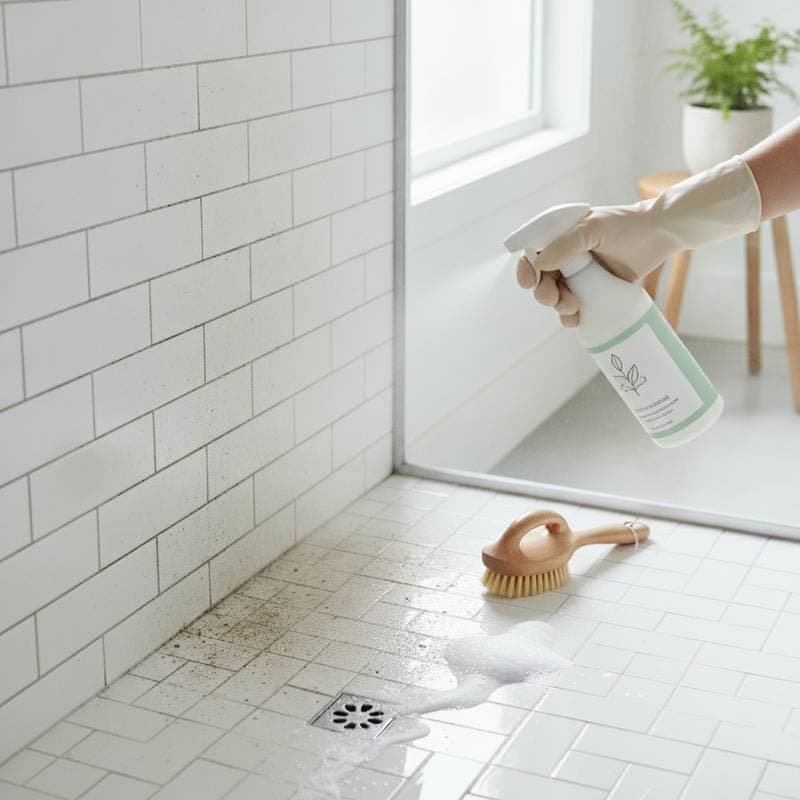
Enzymes clear protein and starch buildup in drains and fixtures. They maintain freshness without bleach's irritants.
Exterior Soiling
Mud or mildew on outdoor items responds to gentle enzyme action. Surfaces remain undamaged, and plants stay unharmed.
Selecting an Appropriate Enzyme Product
Effectiveness hinges on matching products to needs. Formulations vary by surface and stain type; labels guide optimal choices.
Multi-enzyme blends tackle combined residues, such as oily food on rugs. Single-enzyme options excel in targeted scenarios, like urine removers.
Cleaner Marcus Payne advises, "Select enzymes like tools for specific tasks. Proper matching maximizes results."
Practical Usage Strategies
Application techniques enhance performance. Follow these steps for optimal outcomes.
- Allow sufficient contact time, typically 10 to 15 minutes; extend for stubborn areas and cover to retain moisture.
- Refrain from combining with bleach, vinegar, or disinfectants, as they neutralize enzymes.
- Conduct spot tests on textiles to confirm compatibility.
- Employ warm water to activate enzymes optimally.
- Store in cool, shaded locations to preserve potency.
Advantages for Health and Environment
Health-conscious households prioritize safe products. Traditional cleaners release volatile compounds that affect air quality, particularly for sensitive individuals.
Enzyme options degrade naturally, avoiding fumes and supporting septic systems. They align with efforts to minimize ecological impact.
Eco-specialist Laura Cheng states, "Enzyme cleaners integrate performance with environmental harmony."
Appeal to Busy Households
In dynamic family settings, multifunctional products streamline routines. Enzyme cleaners address laundry, surfaces, and floors with one solution, reducing storage needs.
They suit compact living spaces, replacing multiple items while delivering consistent results.
Worldwide Perspectives on Natural Methods
Global experiences highlight enzyme cleaning's broad appeal. French traditions emphasize mild acids, while UK practices favor refill systems. In rural areas, enzymes maintain septic health.
Japanese use of fermented solutions echoes enzymatic principles, blending heritage with contemporary efficiency.
Insights from Social Media Communities
Online sharing fosters genuine product validation. Transformations captured in videos build confidence and inspire trials.
This movement promotes authentic cleanliness over synthetic scents, prioritizing safety for all household members and the environment.
Incorporate Enzymes for Sustainable Results
Adopt enzyme cleaners to simplify maintenance and achieve lasting cleanliness. Their targeted action ensures messes resolve thoroughly, supporting healthier living spaces. Begin with versatile formulas to experience the shift toward effective, gentle care.