AI Robots Transforming Front Yard Care Forever
I admit something that might make a few Staten Islanders laugh. I once tried to mow my front yard in flip-flops because I thought it would only take a minute. Ten minutes later, I had grass stuck to my legs, a stone nicked the side of my car, and I had managed to create a patchy mess that looked like I had let my dog steer the mower. That was the day I decided yard work and I needed some boundaries.
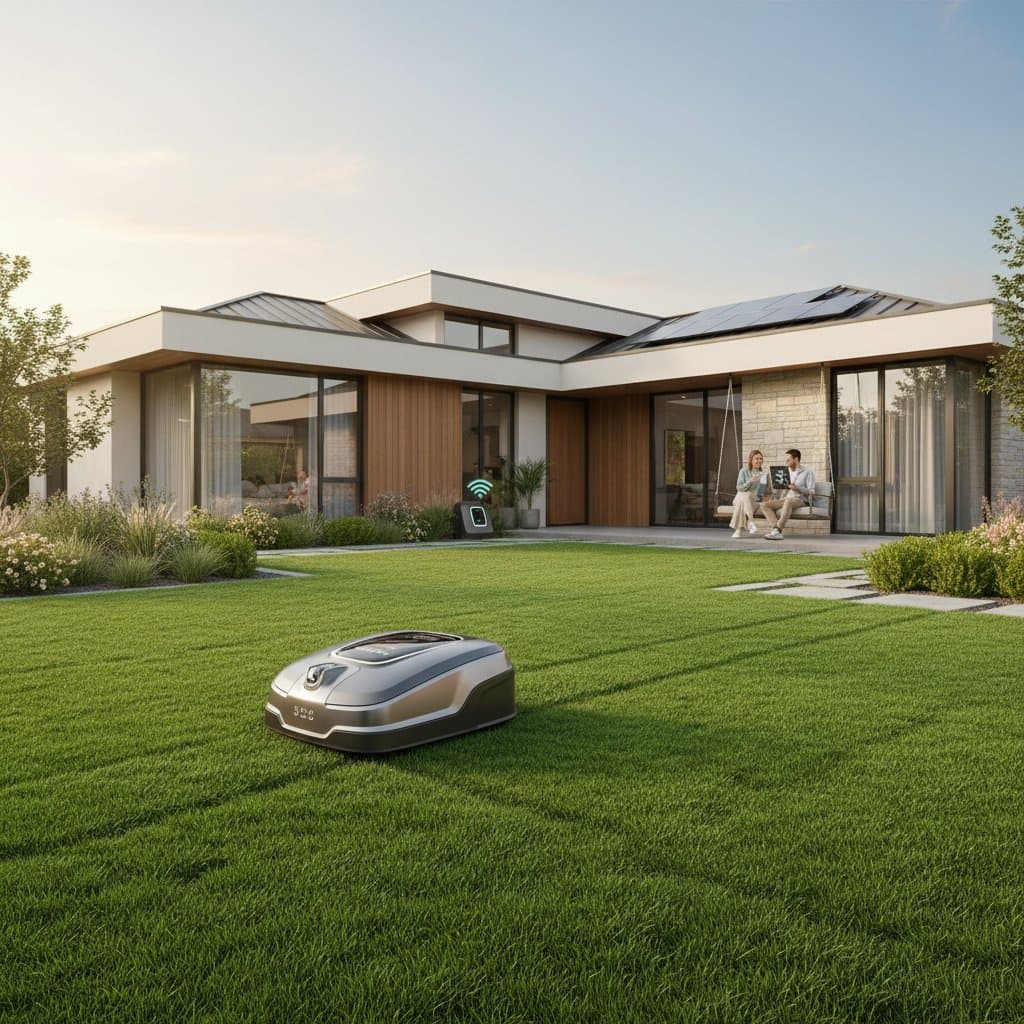
When I first saw a neighbor's little robotic mower gliding quietly across his lawn, I was skeptical but intrigued. It looked like a cross between a Roomba and a turtle, methodically trimming the grass while he sat on his porch sipping iced tea. I remember thinking, Is this the future of front yard care? The answer is yes, and it is happening faster than most of us realize.
The Realities of Traditional Lawn Care
The Rise of Robotic Lawn Care
The current shift in neighborhoods resembles the transition from handwashing dishes to using a dishwasher. AI-powered lawn robots are changing perceptions of home maintenance possibilities. These devices have evolved beyond novelty gadgets into dependable, data-driven machines that cut, trim, and map yards with precision.
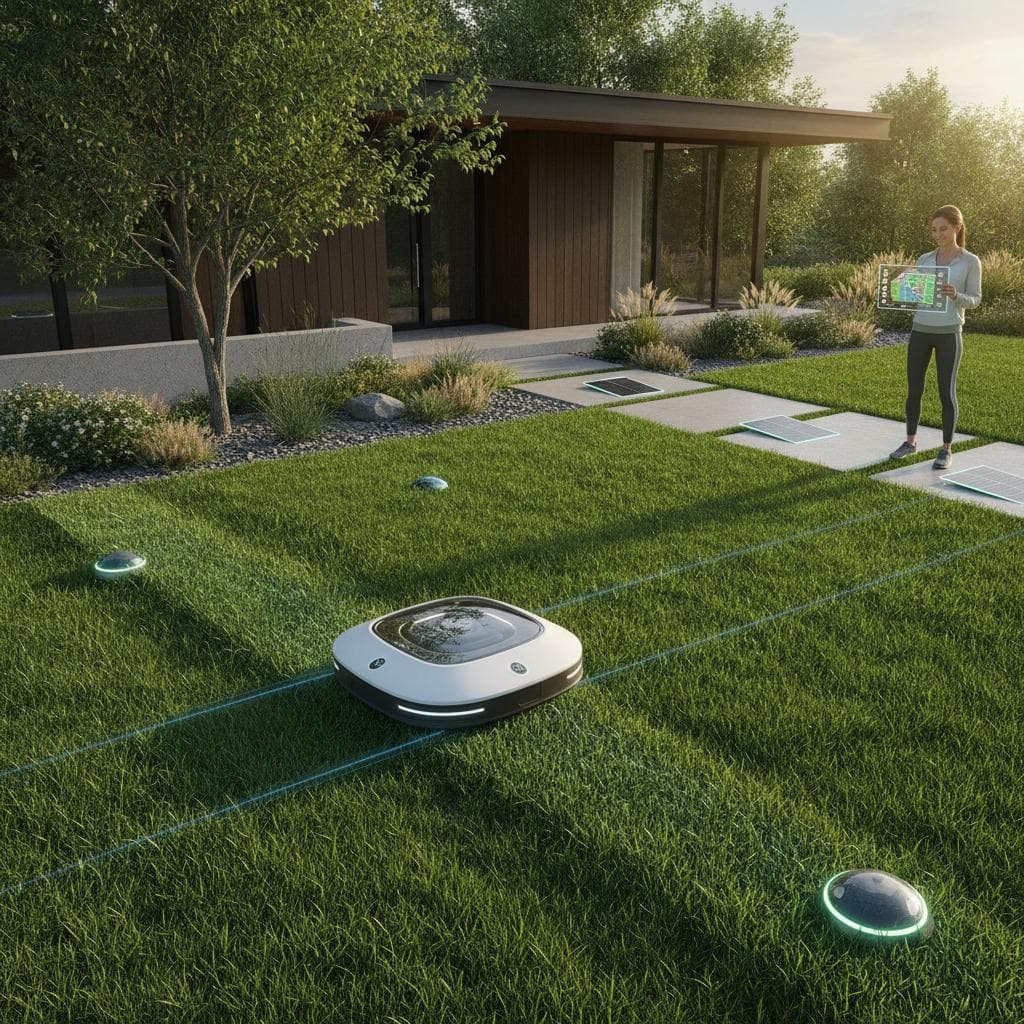
Newer models manage slopes up to 35 degrees, navigate around garden beds, and return to charging bases independently. Some integrate sensors and GPS to learn yard layouts over time. This functionality equates to employing a gardener with a photographic memory who never complains about the heat.
As a writer on home improvement, I have tested various cleaning and maintenance gadgets. Robotic mowers stand out because they deliver on promises of quiet operation, efficiency, and customization. Users can program cutting heights from 20 to 60 millimeters, schedule mowing via apps, and monitor progress remotely during work or vacations.
My First Experience with a Smart Mower
When I tested one in my Staten Island front yard, I anticipated issues with uneven edges. I imagined it rolling into the street or colliding with the mailbox. Instead, it avoided both obstacles and returned to the charging dock efficiently, acting as a reliable green guardian.
One minor issue arose when I forgot to remove a dog toy before a test run. The mower gently pushed it aside, rerouted its path, and continued without interruption. I laughed, recognizing that this small device exhibited more patience than I possessed.
After several days, I observed healthier grass growth. Frequent light trims promote thicker, greener lawns compared to weekly aggressive cuts. My yard transformed to reflect genuine attention to curb appeal, shifting from neglect to neatness.
How AI Makes the Difference
Artificial intelligence distinguishes these machines from basic automation. They do not wander randomly or collide repeatedly; instead, they learn through onboard sensors and algorithms. These systems adapt to yard contours, soil conditions, and obstacles over multiple cycles.
Advanced models incorporate weather data to optimize schedules. For instance, they delay operation during impending rain to prevent wet grass clumping. Others identify faster-growing patches via growth pattern analysis and prioritize those areas. This approach mirrors a landscaper who studies lawn habits and refines plans accordingly.
AI in home care removes friction from dreaded tasks without replacing human oversight. Similar to how smart vacuums revolutionized floor cleaning, robotic mowers redefine outdoor maintenance. They reclaim time, energy, and foster pride in yard appearance.
The Environmental Factor
Environmental considerations are essential in yard care discussions. Traditional gas mowers emit pollutants equivalent to driving a car for hours annually per household. They also generate noise pollution, a concern in dense neighborhoods.
Robotic mowers operate on electricity and produce minimal sound, below 60 decibels. They function during naps or calls without disturbance. These devices consume 80 percent less energy than full-size mowers and leave fine clippings as natural fertilizer, eliminating bagging and landfill contributions.
Such benefits appeal to eco-conscious homeowners seeking sustainable practices. They enable reduced weekend chores without environmental remorse, aligning maintenance with green living goals.
Common Concerns and Real-World Challenges
No technology lacks flaws, and readers often inquire about theft, setup, and maintenance. Modern models mitigate these effectively. GPS tracking alerts owners to unauthorized movement, while PIN locks render devices inoperable to others.
Setup involves installing a boundary wire, which requires 1-2 hours for irregular yards with obstacles. Once completed, the system operates with little oversight, typically 5-10 minutes weekly for checks.
Maintenance proves straightforward: sharpen blades monthly, clear debris after use, and replace batteries every 3-5 years. Initial costs range from $500 to $2000, but savings in fuel, repairs, and time recover investments within 2 years for average users.
The Broader Shift Toward Smart Landscaping
Robotic mowers integrate seamlessly into smart home ecosystems. Many households already employ automated irrigation, app-controlled lighting, and security cameras. Lawn automation represents the logical progression.
Envision interconnected systems where mowers pause for detected rain, sprinklers adjust via soil sensors, and notifications arrive on phones. Tech and landscaping firms collaborate on these unified platforms, maintaining yards with minimal effort.
This integration enhances efficiency and sustainability, making advanced yard care accessible to standard homeowners through user-friendly apps and modular components.
How It Changes Daily Life
The first weekend after installation, I recognized freedom from morning yard planning. My husband and I visited the park with our dog, handled errands, or slept in without lawn guilt. Upon return, the grass appeared freshly cut, with the mower docked and ready.
This adjustment extended beyond time savings to mental relief. Concerns about fuel levels, rain timing, or edging vanished. The robot managed operations calmly and consistently, elevating daily routines.
What to Look For If You Are Considering One
For potential buyers, evaluate these key factors:
- Yard Size and Layout: Select compact models for lawns under 0.25 acres; opt for robust units for larger spaces.
- Terrain and Obstacles: Ensure capability for slopes over 20 degrees and avoidance of roots or furniture.
- Battery Life and Charging: Prioritize 60-120 minute run times with auto-recharge features to minimize downtime.
- App Integration: Choose systems supporting schedule adjustments, height settings, and virtual boundary mapping via smartphone.
- Safety Features: Verify pet-safe sensors that lift blades or stop upon detecting children or animals.
- Noise Level: Target models under 60 decibels for neighborhood compatibility.
Research thoroughly, but proceed confidently. Entry-level options provide substantial automation and reliable results for most yards.
Steps to Integrate Robotic Mowing into Your Routine
Start by measuring your yard and identifying obstacles to select the right model. Install boundary wires following manufacturer guides, then test initial runs while monitoring performance. Adjust schedules based on growth patterns and weather via the app for optimal results.
Over time, observe grass health improvements and reduced effort. Share experiences with neighbors to build community interest. This adoption not only enhances yard aesthetics but also promotes sustainable, stress-free home care.