Groutless Tiles: Seamless Solutions for Contemporary Bathrooms
Grout has long represented a persistent challenge in tiled bathrooms. Glossy subway tiles or sleek porcelain provide visual appeal, yet the narrow grout lines demand constant attention. In humid environments like Staten Island, these lines attract mildew rapidly, complicating upkeep.
Groutless tiles address this issue directly. They involve installation methods that avoid traditional grout joints, yielding smooth, continuous surfaces. These options appear modern, deliver a sense of luxury, and require minimal cleaning effort. Before undertaking any changes, individuals should examine the available types, their functionality, and suitability for daily use.
Understanding the Challenges of Traditional Grout
Bathroom cleaning often centers on combating grout discoloration. Initially clean and white, grout fades to beige and then gray over time. Homeowners employ methods such as baking soda mixtures, bleach applications, and soft brushes, yet the effort proves ongoing.
Defining Groutless Tile Options
The term groutless describes materials and techniques that reduce or remove visible grout lines. Seams may still exist in some cases, but they remain minimal and sealed effectively. Key categories include the following:
- Large-format porcelain tiles: These panels span several feet, limiting joints to essential areas only. Such designs cover walls or floors efficiently with few interruptions.
- Acrylic or PVC wall panels: Lightweight and fully waterproof, these sheets replicate tile or stone appearances without seams. Installers apply them over existing surfaces, particularly in shower areas.
- Solid surface materials: Composites similar to countertop options extend to walls and floors, forming uninterrupted planes. They provide uniform textures and colors.
- Natural stone slabs: Materials like marble, granite, or quartz fit precisely to create expansive, joint-free expanses. Though weighty and costly, they offer premium elegance.
All these choices share the advantage of simplified cleaning routines. Homeowners select based on budget, durability needs, and desired style.
Insights from a Groutless Installation Project
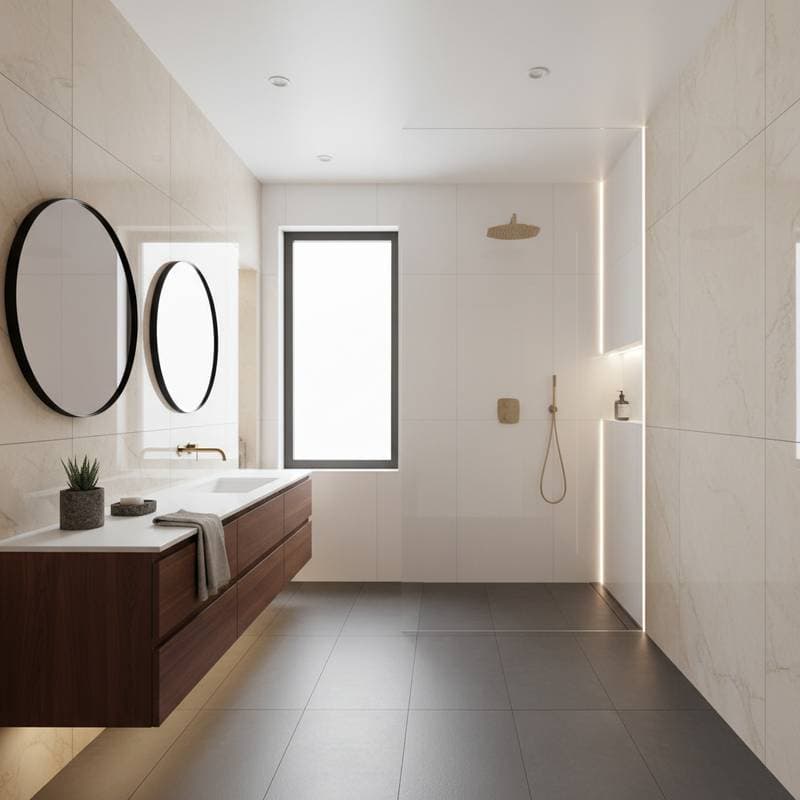
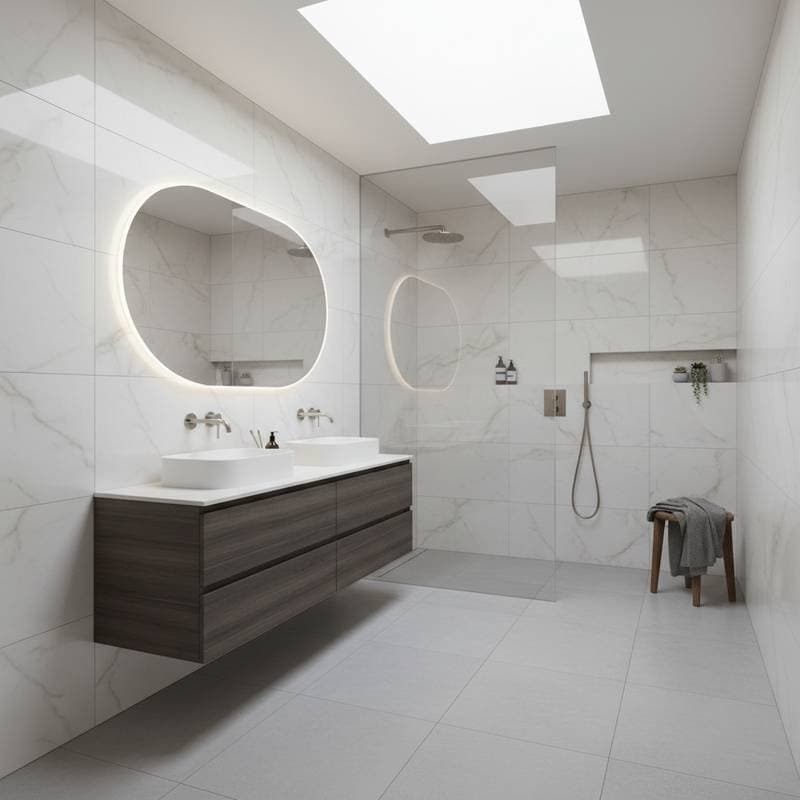
During a remodel of a compact Staten Island bathroom, acrylic panels resembling white marble served as the wall treatment. Initial doubts arose regarding the upscale feel of acrylic compared to natural stone. Upon completion, the panels enhanced light reflection, expanded the perceived space, and required mere seconds for cleaning.
No crevices harbored soap residue, and no lines showed wear. Maintenance involved a microfiber cloth and mild cleaner only. This approach proved ideal for those focused on practical home care.
Advantages Extending Past Maintenance
Easy cleaning represents one key benefit, yet groutless tiles offer additional value. Homeowners gain from enhanced design and performance features.
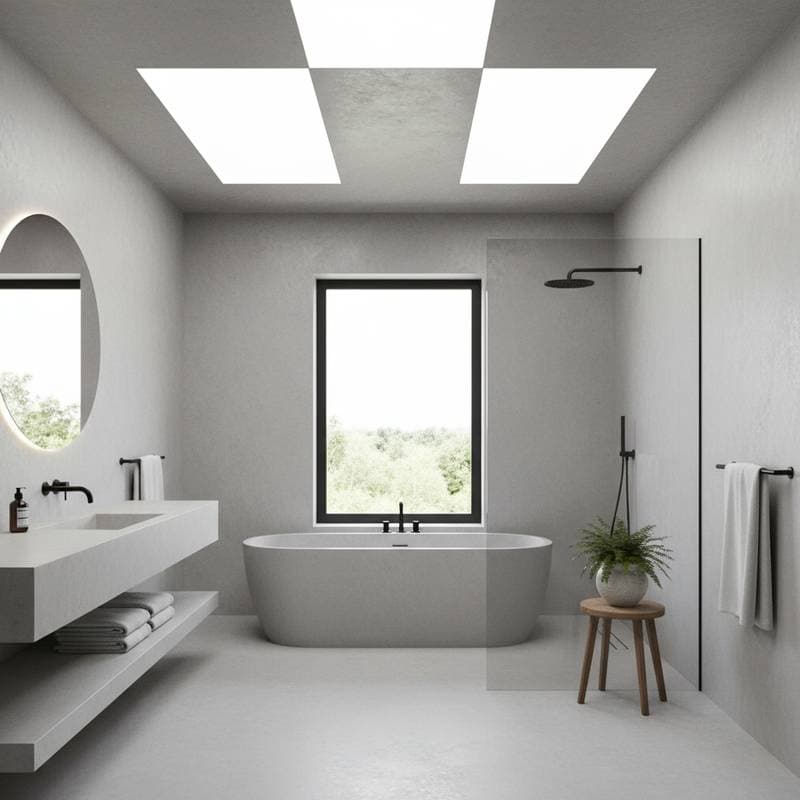
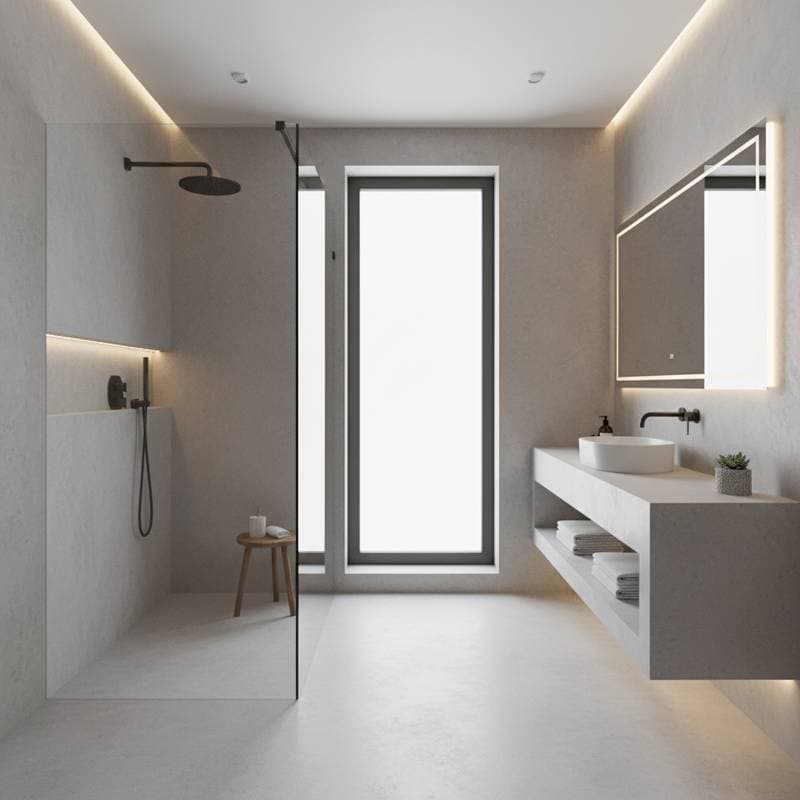
- Contemporary aesthetics: Continuous surfaces support minimalist or spa-like designs, promoting clean lines and visual flow.
- Superior moisture barriers: Reduced joints prevent water infiltration, lowering risks of mold and structural harm.
- Enhanced resilience: Porcelain slabs and solid panels withstand scratches, stains, and impacts more effectively than standard tiles.
- Streamlined setup: Fewer components accelerate the installation process, minimizing disruption.
These qualities extend applicability to kitchens, utility spaces, and high-traffic zones beyond bathrooms.
Practical Considerations for Groutless Implementations
Higher initial expenses apply to options like porcelain slabs or stone, reflecting material and labor demands. Professional expertise ensures precise fitting for optimal seamlessness. DIY approaches suit lighter panels such as acrylic, while heavier selections demand specialists.
Design preferences also influence choices. Traditional tile patterns with visible grout suit classic interiors. Alternatives include larger tiles paired with color-matched grout to approximate continuity while preserving heritage elements.
Maintenance Strategies for Groutless Surfaces
Low demands characterize groutless care, yet consistent habits preserve appearance and function. Follow these steps for longevity:
- Routine wiping: Use a soft cloth with mild soap solution to remove residues promptly.
- Post-shower drying: Employ a squeegee or towel to eliminate standing water and avoid spots.
- Gentle cleaning agents: Select products per manufacturer guidelines to prevent surface degradation.
- Joint monitoring: Verify seals on any minimal seams to sustain waterproof integrity.
Positioning a squeegee near the shower facilitates quick daily use. This practice requires minimal time while upholding pristine conditions.
Steps to Integrate Groutless Tiles into Your Space
Renovation planning begins with prioritizing factors like cost, visuals, and upkeep. Evaluate materials through showroom visits or sample acquisitions to assess texture and finish firsthand.
Focus on walls for initial transformations, as they impact daily routines most. Seamless treatments foster environments that encourage relaxation rather than chores. This upgrade shifts bathroom experiences toward comfort and efficiency.