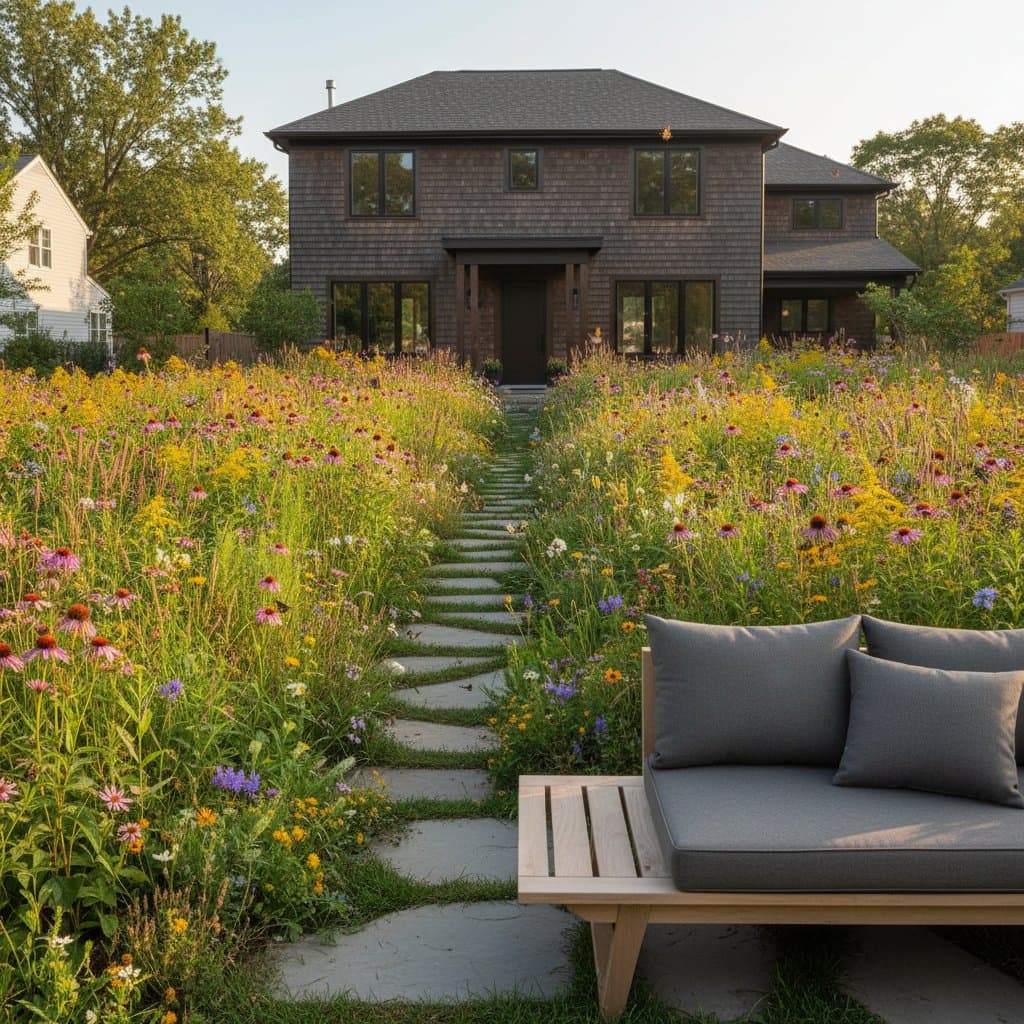
Rewild Front Yards: Native Meadows Outperform Traditional Lawns
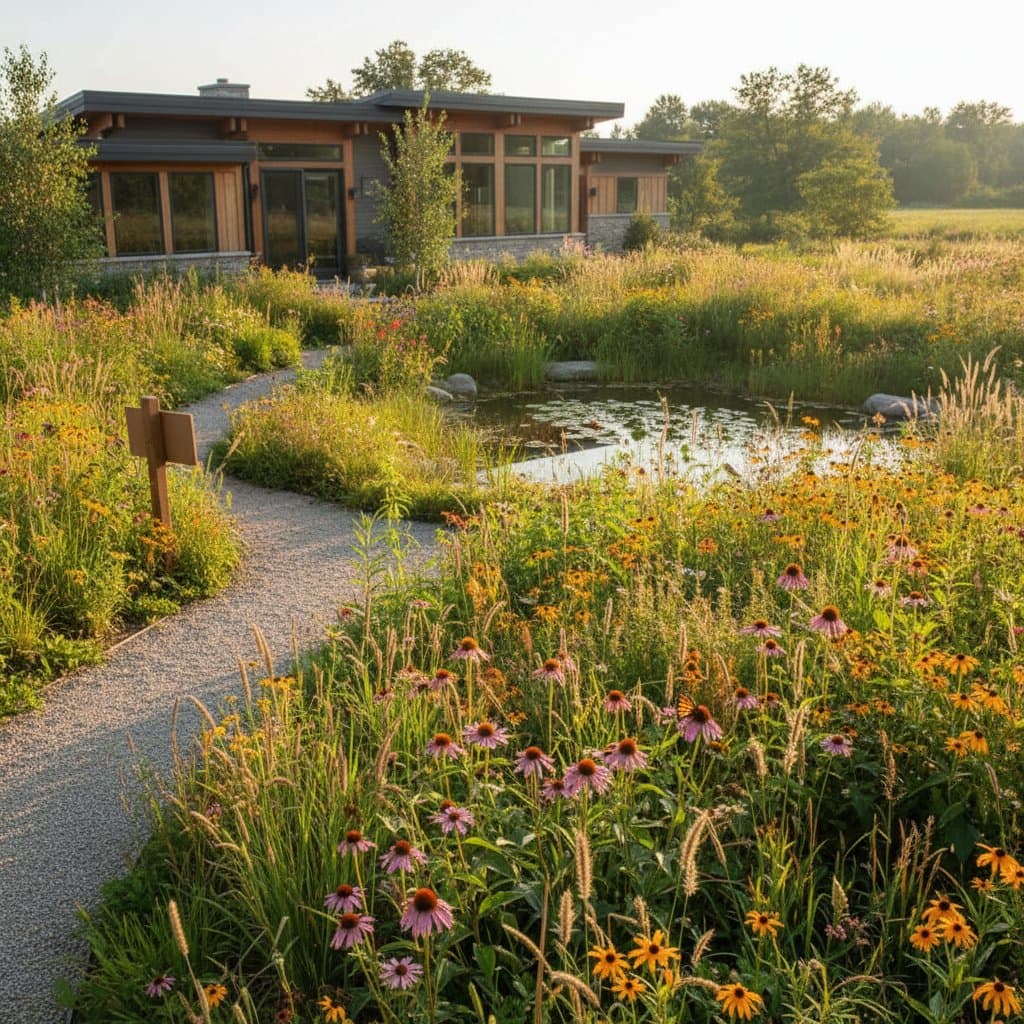
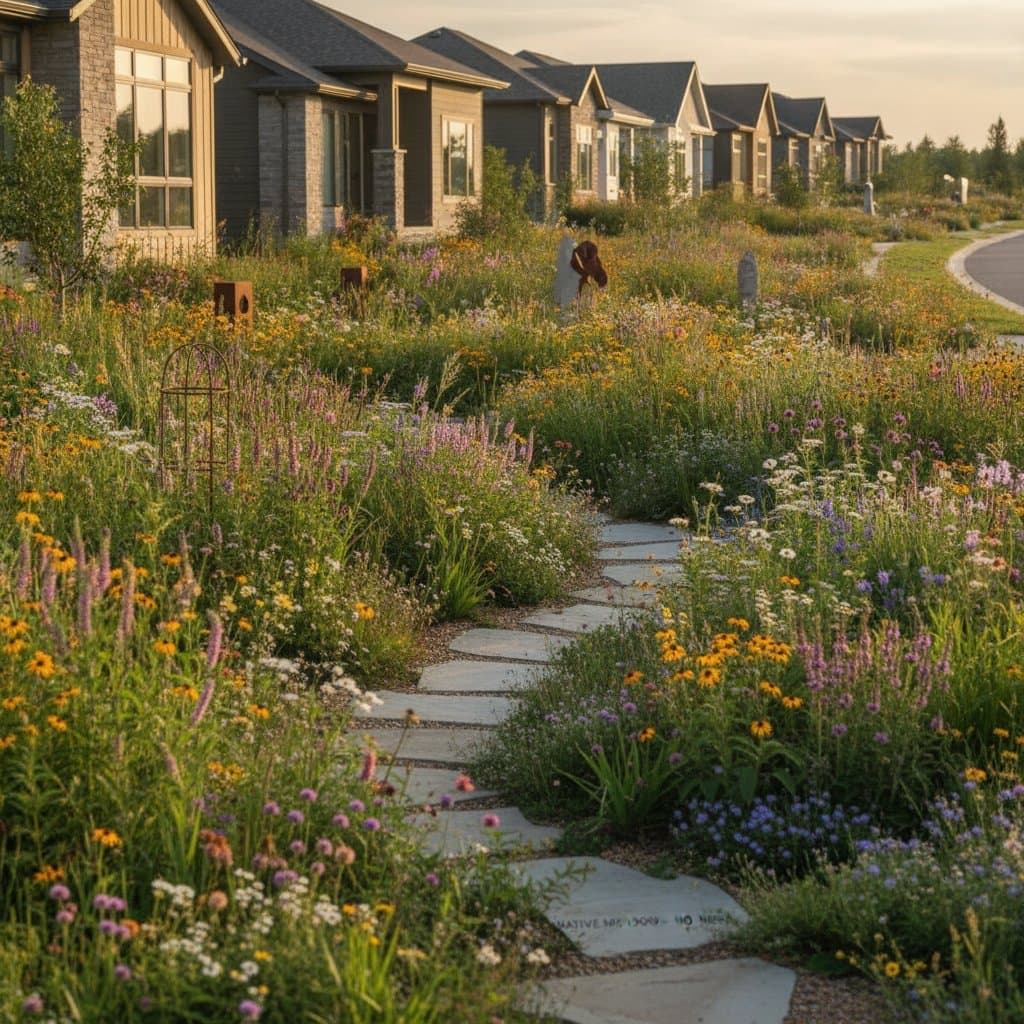
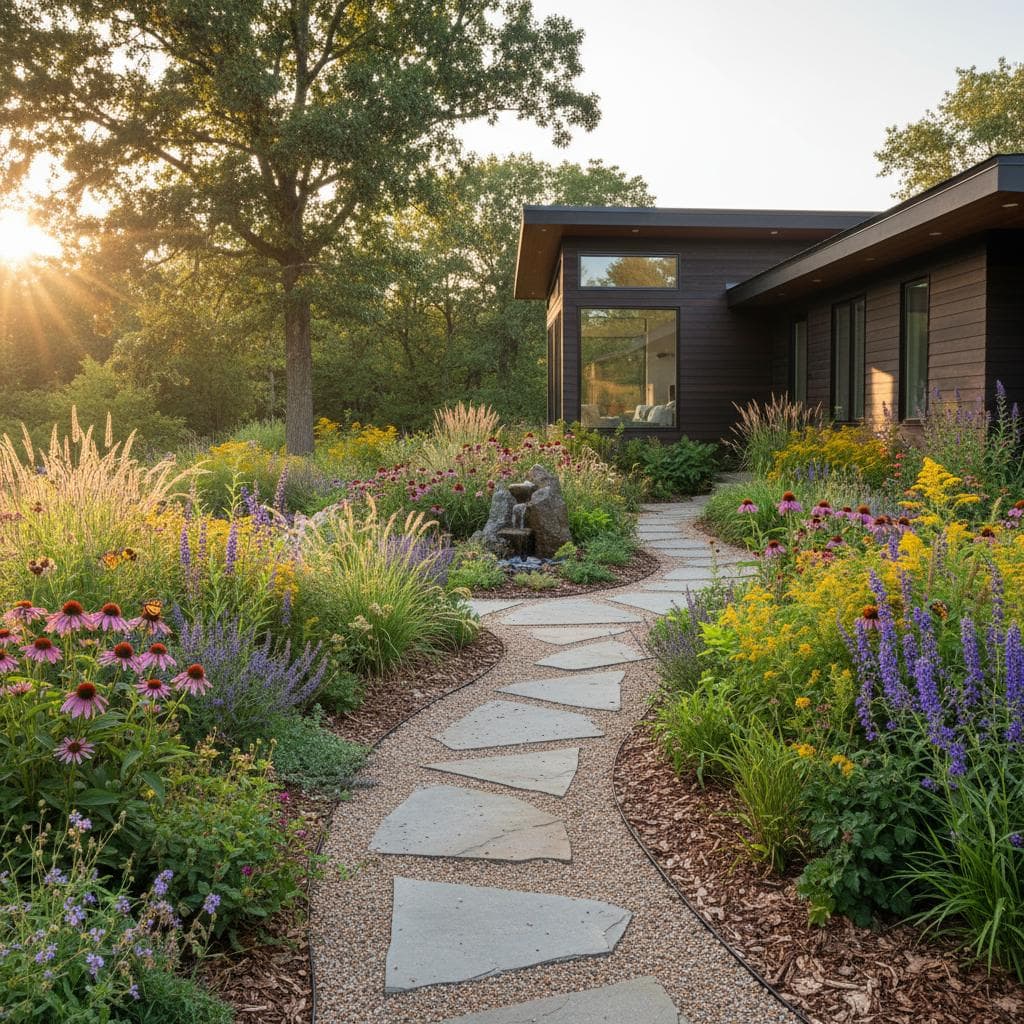
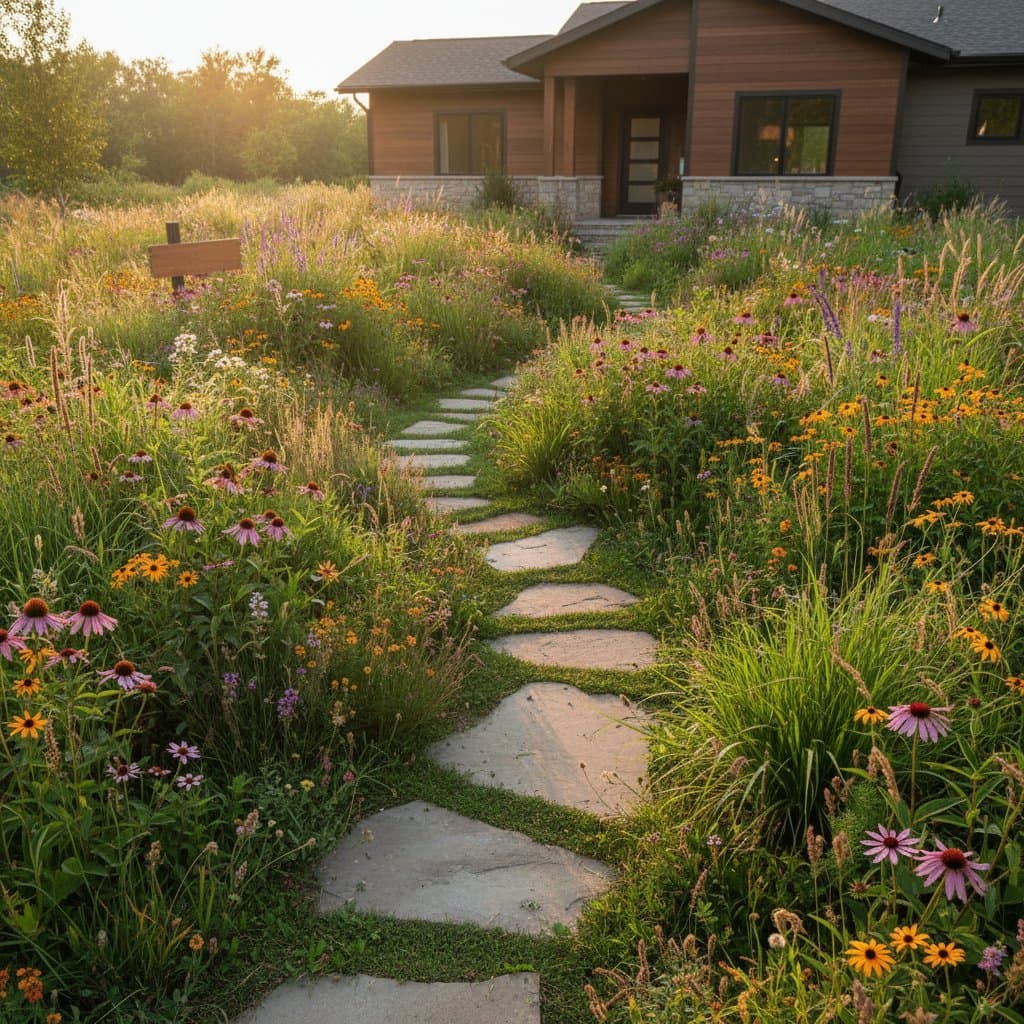
Envision a front yard transformed from a monotonous expanse of mowed grass into a dynamic tapestry of colors, textures, and gentle sounds. Bees forage among vibrant golden coneflowers, butterflies glide over undulating grasses, and each breeze produces a soothing rustle rather than the drone of a lawnmower. This vision represents the essence of rewilding, where native meadows surpass conventional lawns by fostering landscapes that harmonize with the environment.
The Drawbacks of Traditional Lawns
For decades, a neatly trimmed lawn has signified homeowner pride and tidiness. Beneath this appearance, however, lies a resource-intensive monoculture that requires frequent mowing, fertilization, and irrigation to maintain its form. Such lawns provide minimal habitat or nourishment for wildlife and frequently depend on chemical applications that contaminate nearby water sources. In essence, they appear pristine but impose significant environmental costs.
Benefits of Native Meadows
Native meadow gardens flourish because their plants have evolved alongside local conditions, including climate and soil types. As a result, they require substantially less water and maintenance after the initial establishment phase. The extensive root systems of these plants enhance soil structure, promote nutrient retention, and facilitate natural stormwater absorption, reducing runoff and erosion.
Beyond practical advantages, native meadows create interconnected habitats that sustain pollinators, birds, and essential insects. Consider substituting weekly lawn care with serene observation periods. Rather than pursuing uniformity, one observes the yard's progression across seasons. Spring introduces tender shoots and initial blooms. Summer delivers a profusion of hues and activity. Fall features maturing seed heads and amber grasses that mimic ocean swells. Winter offers structural interest, with persistent stems capturing frost and providing winter forage for birds.
To illustrate, in regions like the Midwest United States, species such as little bluestem grass and black-eyed Susan wildflowers establish resilient communities that attract over 100 native pollinator species. This biodiversity not only beautifies the space but also contributes to broader ecosystem health by supporting food chains and natural pest control.
Steps to Initiate Your Rewilding Project
Converting a lawn to a native meadow requires patience and strategic planning, but the process unfolds gradually without overwhelming effort.
-
Assess your site conditions. Evaluate sunlight patterns throughout the day, observe drainage during rain events, and identify existing vegetation in adjacent areas. These observations guide the selection of compatible native species that match your locale's hardiness zone.
-
Eliminate existing turf without chemicals. Employ the sheet mulching method: layer cardboard or newspaper over the grass, then top with a thick layer of compost or mulch. This approach deprives the grass of light, allowing it to decompose naturally over several months while enriching the soil.
-
Source appropriate native plants. Opt for a diverse assortment of perennial grasses, forbs, and wildflowers that provide sequential blooms from spring to fall. Consult regional native plant guides, such as those from the Lady Bird Johnson Wildflower Center, or visit specialized nurseries to assemble a mix suited to your soil pH and moisture levels.
-
Establish plants in manageable sections. Start with a modest area, like a 10-by-10-foot plot or an edging along a walkway. Plant densely to minimize weed competition, spacing seeds or seedlings according to species recommendations, typically 6 to 12 inches apart for wildflowers.
-
Maintain with minimal intervention. Water new plantings consistently for the first season to encourage root development, then reduce to natural rainfall. In subsequent years, perform a single late-winter mow to 4 inches high or simulate a prairie burn if local regulations permit, which clears debris and stimulates growth.
The initial year might appear chaotic as plants compete and establish, but by year two, a balanced ecosystem emerges, with self-seeding and natural succession reducing future inputs.
Adopting a Meadow-Oriented Perspective
Rewilding challenges conventional notions of landscape aesthetics. It prioritizes ecological variety and natural movement over precise borders and consistent coloration. A native meadow evolves constantly, sparking ongoing interest and reducing the urge for intervention.
Neighbors may initially question the shift, but the emergence of vivid blossoms and active wildlife quickly conveys a narrative of environmental restoration. Moreover, these meadows yield practical savings: eliminate routine mowing, which can consume 40 hours annually per average yard, and forgo chemical fertilizers that cost hundreds of dollars yearly.
Once rooted, maintenance involves occasional weeding of invasives and perhaps dividing overcrowded perennials every few years to propagate new areas. This low-effort approach frees time for enjoyment while yielding a resilient, adaptive garden.
The Rewards of a Thriving Meadow Ecosystem
The true value of a rewilded yard extends beyond visual appeal to its ecological contributions. Each unfolding flower, visiting insect, and perching bird integrates your property into the broader natural tapestry.
Homeowners who embrace native meadows not only enhance their immediate surroundings but also participate in larger conservation efforts. These spaces conserve water, equivalent to thousands of gallons saved per household annually, and bolster declining pollinator populations critical for agriculture.
Embrace the symphony of a meadow over mechanical noise. Permit your front yard to respire, flourish, and teem with life. Through this choice, one uncovers the profound allure of landscapes that evolve in harmony with nature.