Key Points
- Native meadows offer low-maintenance alternatives to traditional lawns, supporting local pollinators and cutting water usage by up to 75 percent in many regions.
- Thorough site evaluation, including soil testing and sunlight mapping, ensures the right native species selection for long-term success.
- Initial setup demands consistent care, but the meadow shifts to self-sustaining within two to three years, requiring only seasonal mowing.
- Thoughtful design integrates wild beauty with neat borders to preserve neighborhood aesthetics and enhance property value.
- Ongoing monitoring prevents weed dominance, while strategic interventions maintain biodiversity and ecological health.
Understanding Native Meadows
Traditional lawns rely on a single grass type that guzzles water, demands weekly mowing, and often needs chemical fertilizers to stay green. Native meadows, however, draw from regional ecosystems where diverse grasses and wildflowers thrive together. This mix promotes biodiversity, with plants occupying varied root depths to efficiently share nutrients and naturally deter pests.
Site Assessment
Start by surveying your yard at various times to chart sun exposure, shade patterns, and wet spots. Check for slopes that affect water movement and seed settling. Collect soil samples for pH and nutrient analysis; aim for neutral to slightly acidic levels with good drainage, as most natives dislike soggy conditions.
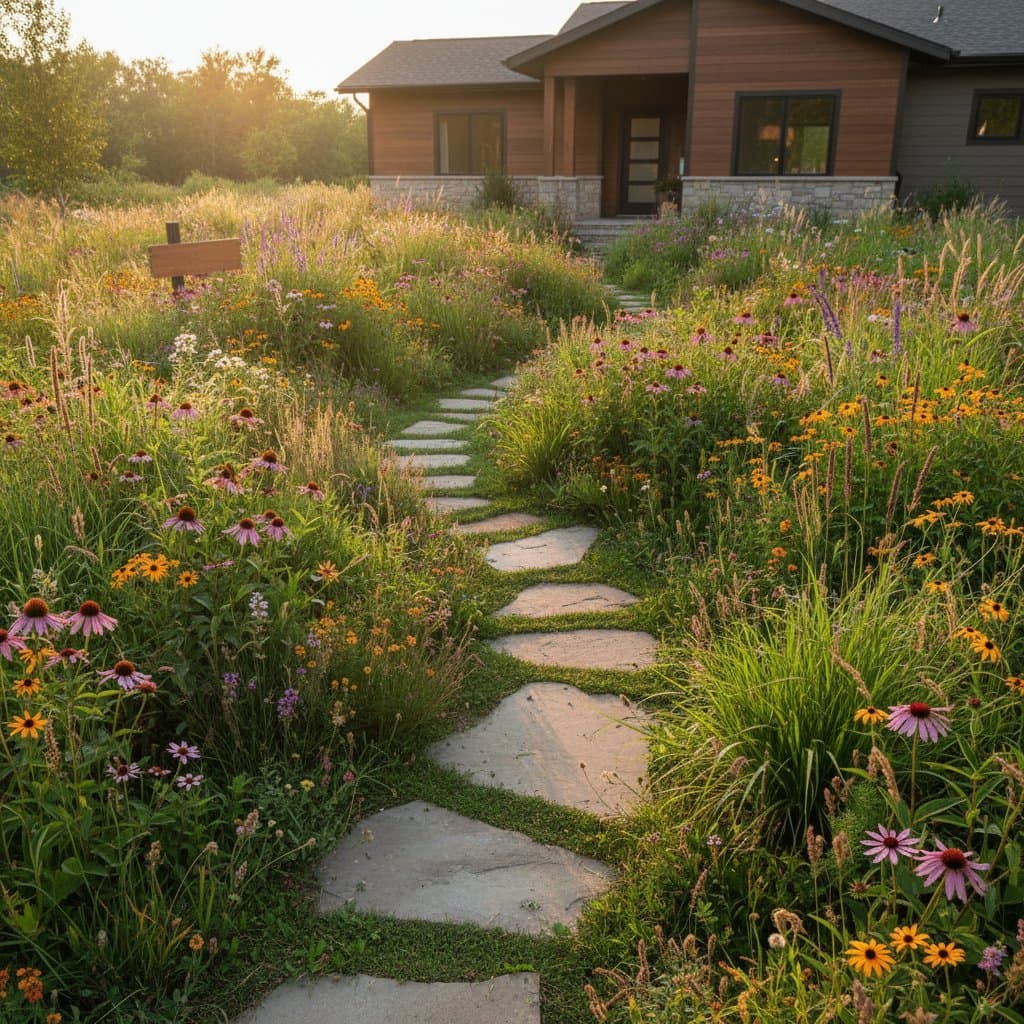
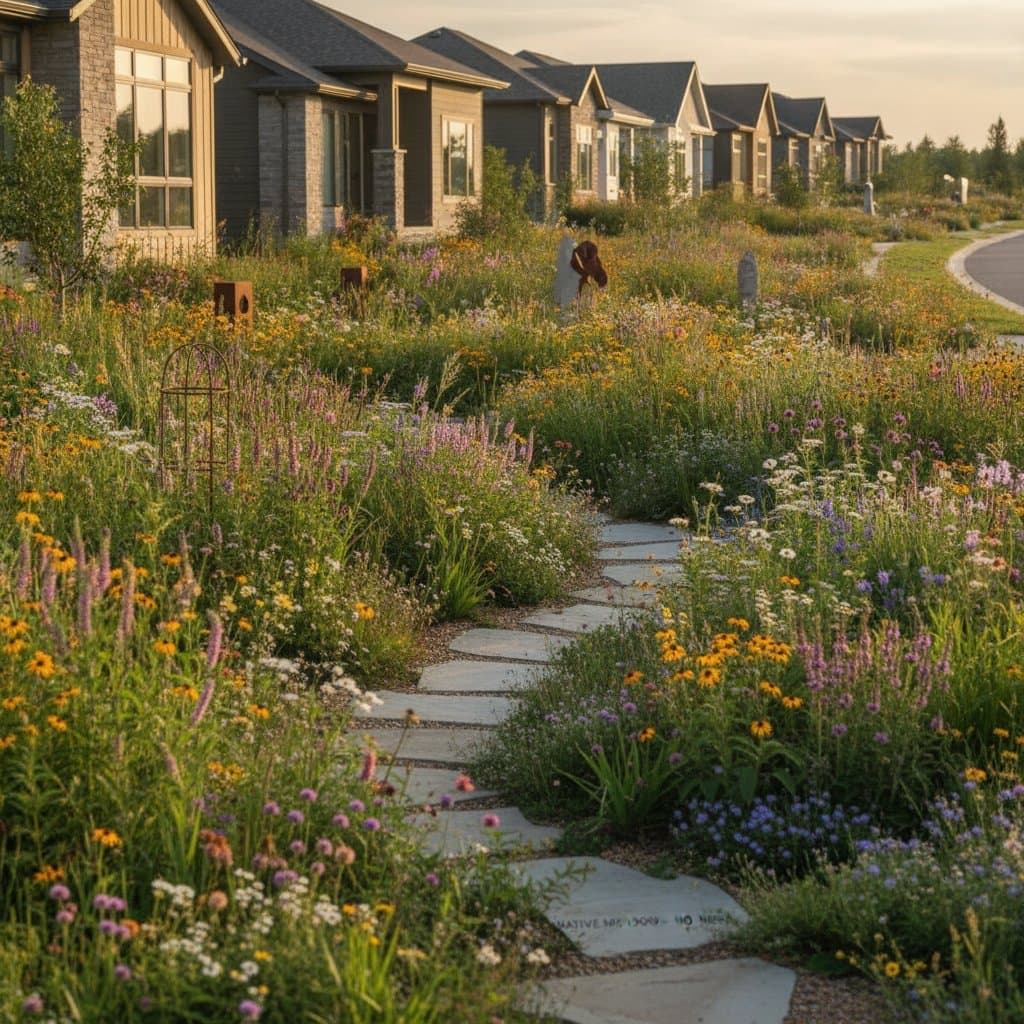
Review local regulations too. Homeowner associations might enforce tidy edges or height restrictions. Frame your meadow with mowed strips or gravel paths to demonstrate purposeful design over wild overgrowth.
Tackle invasives head-on. Species like crabgrass spread rapidly and can smother seedlings. Schedule their removal well in advance to give natives a fighting chance.
Project Planning
Outline every step, from sourcing supplies to timing the work, to avoid common pitfalls.
Essential Tools and Materials:
- Soil testing kit for accurate pH and fertility readings
- Flat-edged shovel and sturdy rake for clearing and leveling
- Broadfork to aerate without disrupting soil microbes
- Region-specific native seed blend, sourced from reputable suppliers
- Straw mulch to shield seeds from birds and wind
- Gentle watering system, like a soaker hose, for establishment phase
- Push mower or string trimmer for light seasonal cuts
Optimal Timing:
Target fall or early spring when temperatures hover between 50 and 70 degrees Fahrenheit. Natural rains aid germination, but steer clear of extreme heat that stresses young plants.
Safety Protocols:
Don protective gear, including gloves and goggles, during site prep. For herbicide use on tough invasives, apply only on calm days and wait at least two weeks before seeding to prevent residue harm.
Design Strategy:
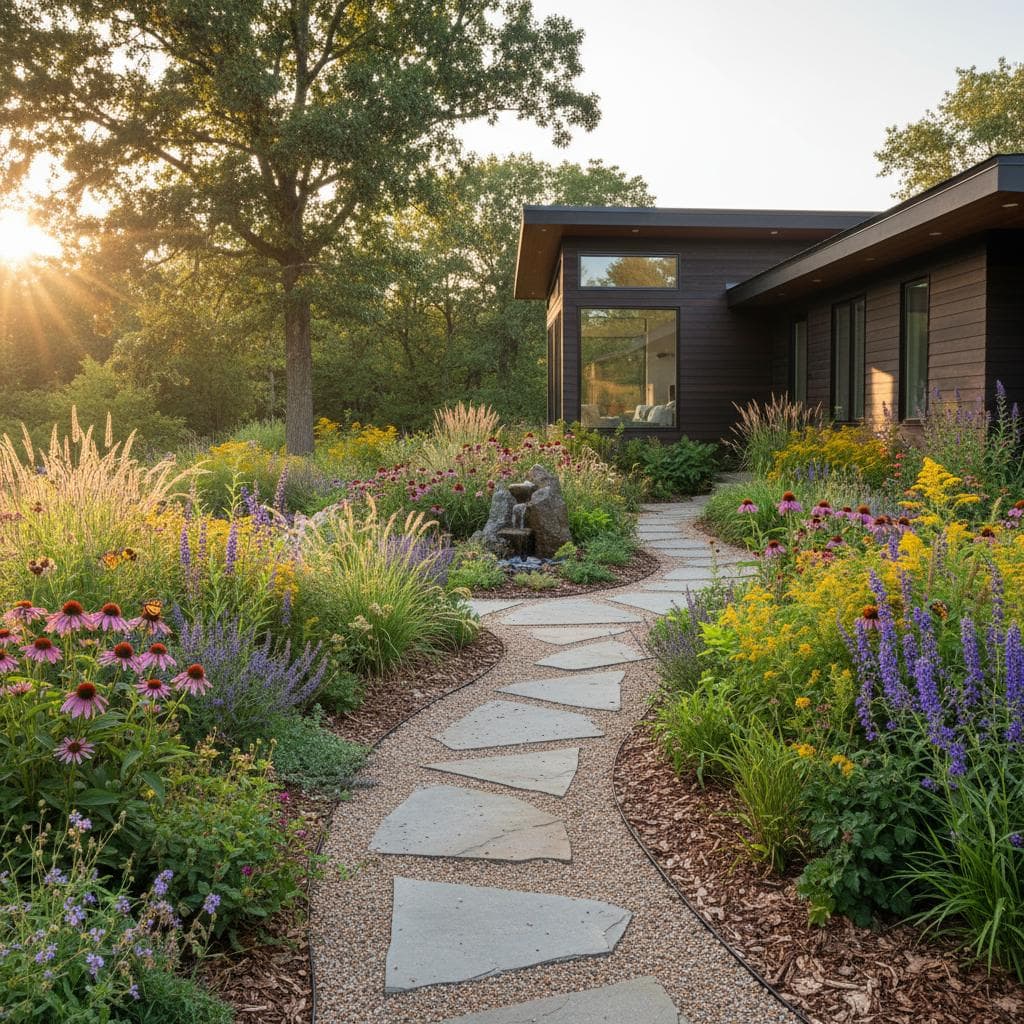
Map zones by light and moisture: full sun for prairie grasses, partial shade for woodland edges. Anchor with bunchgrasses like little bluestem, then layer in perennials such as purple coneflower or butterfly weed. Edge with low-maintenance borders of decomposed granite or clipped natives to blend wildness with structure.
Step-by-Step Implementation
Follow this sequence for a solid foundation.
-
Eliminate Existing Cover. Strip sod with a shovel or smother it under black plastic for four to six weeks in summer heat. For chemical options, choose glyphosate-free alternatives and rinse tools thoroughly.
-
Aerate the Ground. Insert a broadfork every six inches to break up the top six to eight inches of soil. Skip tilling if possible, as it can unearth weed seeds and harm beneficial organisms.
-
Prepare the Seedbed. Rake away debris and debris, then tamp down gently with a lawn roller filled halfway with water for firm contact.
-
Sow the Seeds. Blend seeds with fine sand at a 4:1 ratio for uniform spread. Use a handheld spreader for larger areas, aiming for 1 to 2 pounds per 1,000 square feet depending on mix density.
-
Secure the Seeds. Roll again or press with the back of a rake to embed them about 1/8 inch deep. Good soil contact boosts germination rates to 60 percent or higher.
-
Apply Protection. Scatter a scant 1/4-inch layer of weed-free straw to hold moisture and reduce bird foraging.
-
Initiate Watering. Mist daily for the first two weeks, then taper to deep soaks every three days until sprouts appear. Overwatering invites fungal issues.
-
Track Progress. Weekly checks in the first month let you hand-pull weeds like dandelions before they compete for light.
Expect a weedy look initially as roots develop underground. Full color emerges in year two, rewarding your effort with waves of blooms.
Ensuring Success
By season two, gauge health through these indicators:
- Native coverage exceeding 70 percent, with grasses and flowers intermingling
- No significant soil exposure or gullies from water
- Active buzzing from bees, butterflies, and other pollinators
- Even distribution without one plant overwhelming others
Address issues promptly. Mow isolated weed clusters to six inches if they threaten balance. Let the meadow's density handle most suppression once established.
Ongoing Care
Established meadows demand minimal input, focusing on rhythm rather than routine.
Seasonal Mowing: Cut back to 4-6 inches in late winter or post-bloom in fall. This recycles nutrients and curbs shrubby invaders without stressing perennials.
Invasive Management: Scout monthly during growth periods. Uproot offenders like thistles at the base when soil is damp for easy extraction.
Refresh and Renew: Scatter additional seeds in fall over sparse spots every three years. This sustains variety as some plants naturally cycle out.
Practical Advice
- Pilot a 10-by-10-foot test plot to build confidence before full conversion.
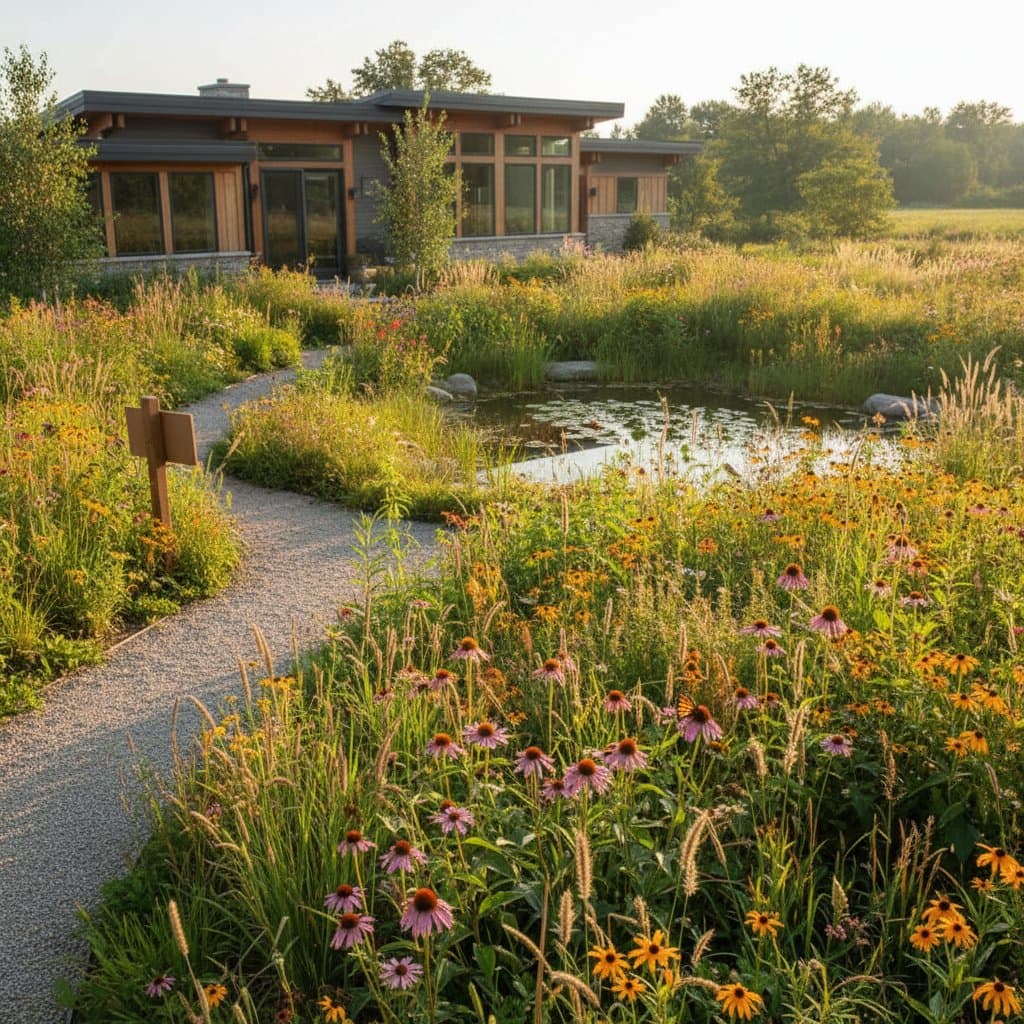
- Install a small interpretive sign noting the native planting to foster community appreciation.
- Log planting dates, weather notes, and species performance in a journal for iterative improvements.
- Layer in natives like serviceberry shrubs for multi-tiered habitats that draw birds year-round.
Switching to a native meadow upgrades your landscape's resilience and appeal. It saves hours on upkeep, bolsters local ecosystems, and delivers enduring beauty that evolves with the seasons.