Rewild Your Front Yard into a Native Meadow Haven
Key Points
- Transforming a traditional lawn into a native meadow supports pollinators, conserves water, and reduces maintenance.
- Start small by converting a section of your yard and choosing region-specific native plants.
- Proper soil preparation, seasonal timing, and patience are essential for success.
- A meadow yard can boost curb appeal while benefiting local ecosystems.
Why Rewilding Matters
Rewilding draws from principles of ecological restoration. Every yard contributes to rebuilding local environments, regardless of size. Traditional turf lawns demand frequent mowing, chemical applications, and substantial irrigation, yet they offer little habitat or nourishment for wildlife. Native meadows, however, sustain pollinators, birds, and soil vitality with far less intervention after establishment.
Preparing the Ground
Removing existing turf stands as the foundational step in rewilding. Grass roots compete aggressively with emerging native plants, so thorough clearing ensures better outcomes.
Consider these methods for turf removal:
- Smothering Method: Place layers of cardboard or newspaper over the target area, then top with a few inches of compost and mulch. This approach deprives grass of light, terminates growth, and improves soil quality as materials decompose over several months.
- Solarization: In warmer months, secure clear plastic sheeting over the soil for four to six weeks. The trapped solar heat cooks the grass roots and weeds, preparing the site without digging.
- Manual Removal: For compact areas, use a sod cutter or flat-edged shovel to lift grass sections. Follow by tilling the soil lightly to aerate it and remove remaining debris.
After clearing, rake the surface to achieve a loose, even texture suitable for seeding. Test soil pH if possible; most natives thrive in neutral to slightly acidic conditions without added amendments.
Seeding and Planting Techniques
Select optimal timing for seeding to maximize success. Early spring or fall provides moderate temperatures and consistent moisture that promote germination.
Broadcast seeds uniformly across the prepared area, aiming for light coverage to avoid overcrowding. Press them into the soil surface using a roller, board, or gentle foot traffic, but refrain from deep burial since many species require surface light to sprout.
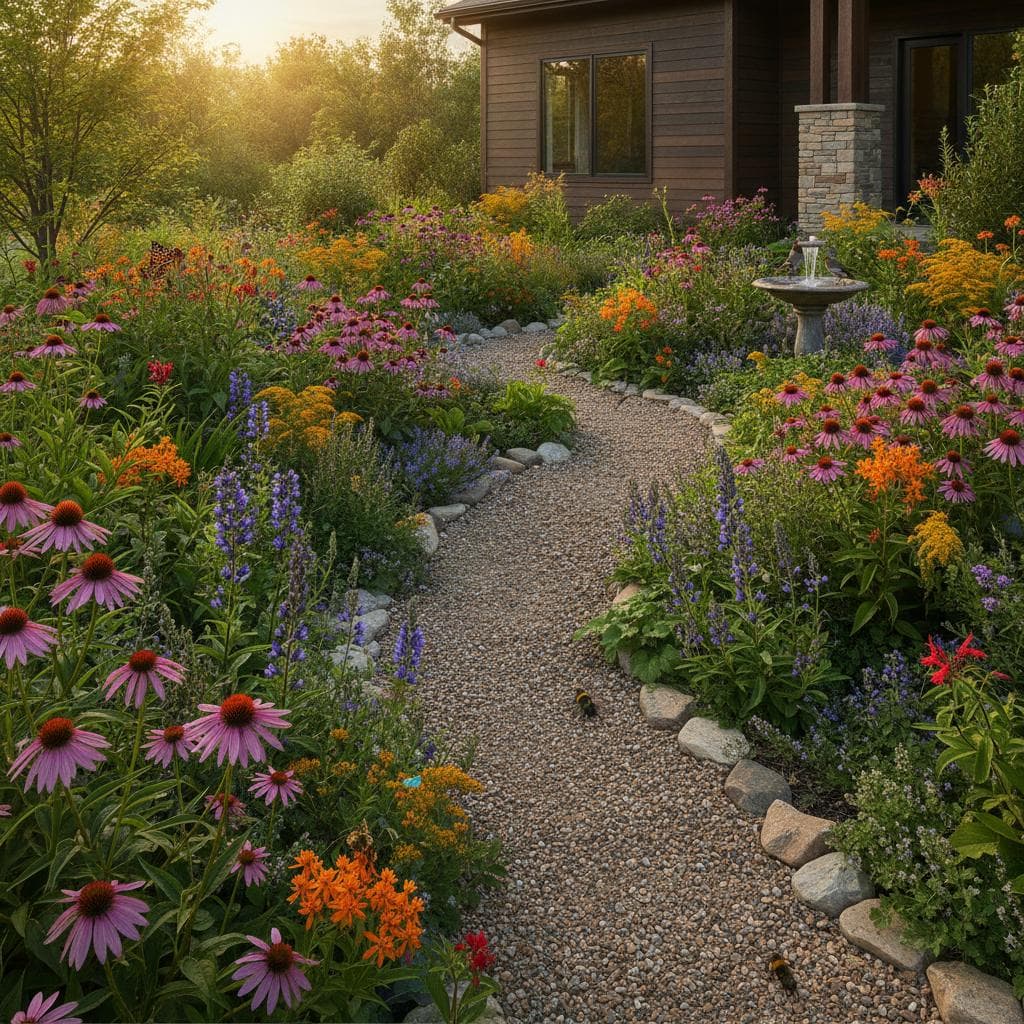
For quicker establishment and aesthetic impact, incorporate plugs or nursery pots of mature natives alongside seeds. Position these at intervals to anchor soil and draw pollinators with initial blooms. Select a diverse mix, including sturdy grasses such as little bluestem or Indian grass paired with perennials like black-eyed Susan, bee balm, and common milkweed. This combination ensures year-round interest and ecological stability.
Irrigate new plantings with shallow, frequent applications during the initial season to encourage root development. Established natives develop extensive root systems that withstand dry spells more effectively than conventional lawns.
Managing the First Year
New meadows often test the resolve of dedicated gardeners. Initial appearances may seem thin or weedy, as many natives prioritize subterranean growth over immediate foliage.
Monitor for unwanted species and remove them by hand before they flower. Perform light mowing to a height of six inches two or three times in the first year; this controls invasives while allowing desired plants to strengthen.
By the second year, expect noticeable thickening and flowering. In the third season, the meadow achieves maturity, with self-sustaining cycles of bloom and seed production that require minimal oversight.
Enhancing Visual Appeal and Community Integration
Concerns about untidiness frequently arise with rewilded landscapes. Thoughtful design mitigates this by incorporating structured elements.
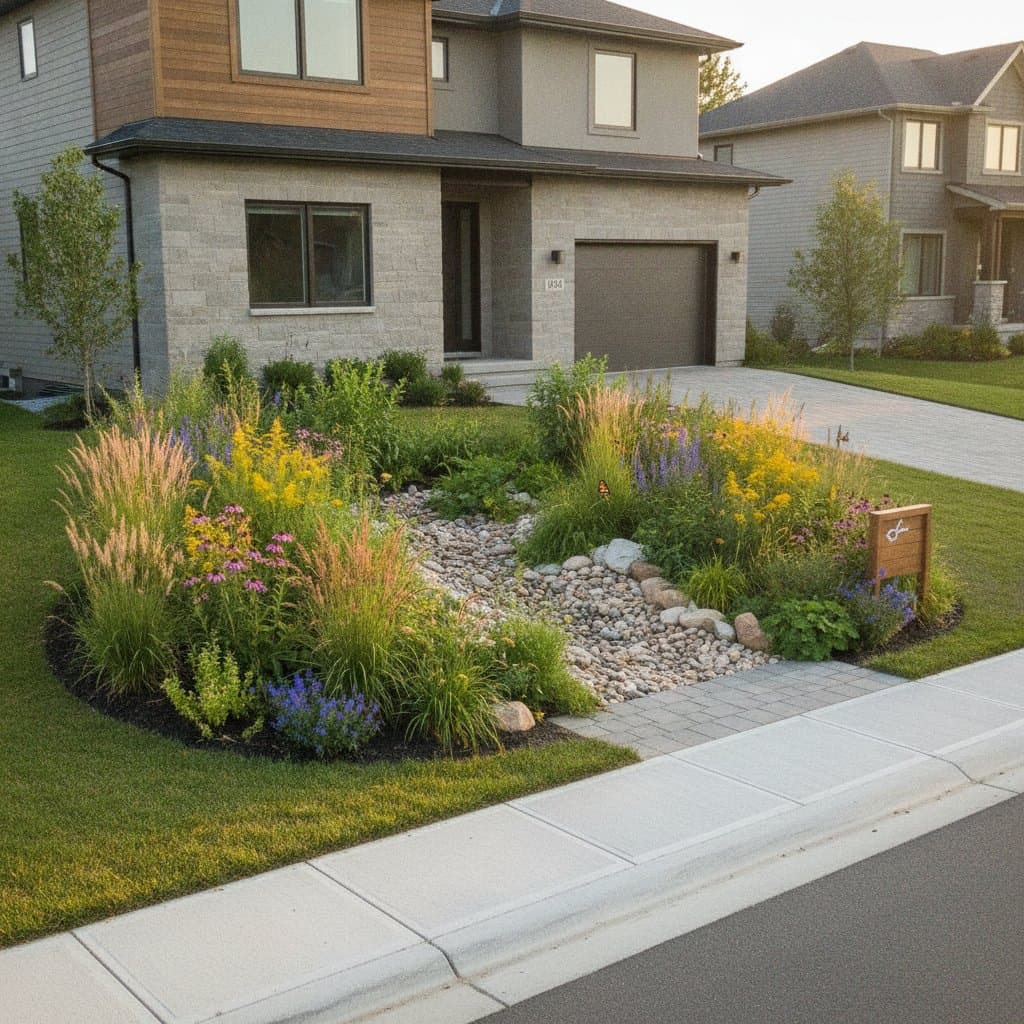
Outline the meadow with defined edges, such as mowed strips, stone borders, or recycled edging materials. Include interpretive signage that explains the pollinator-friendly intent, educating passersby and fostering goodwill.
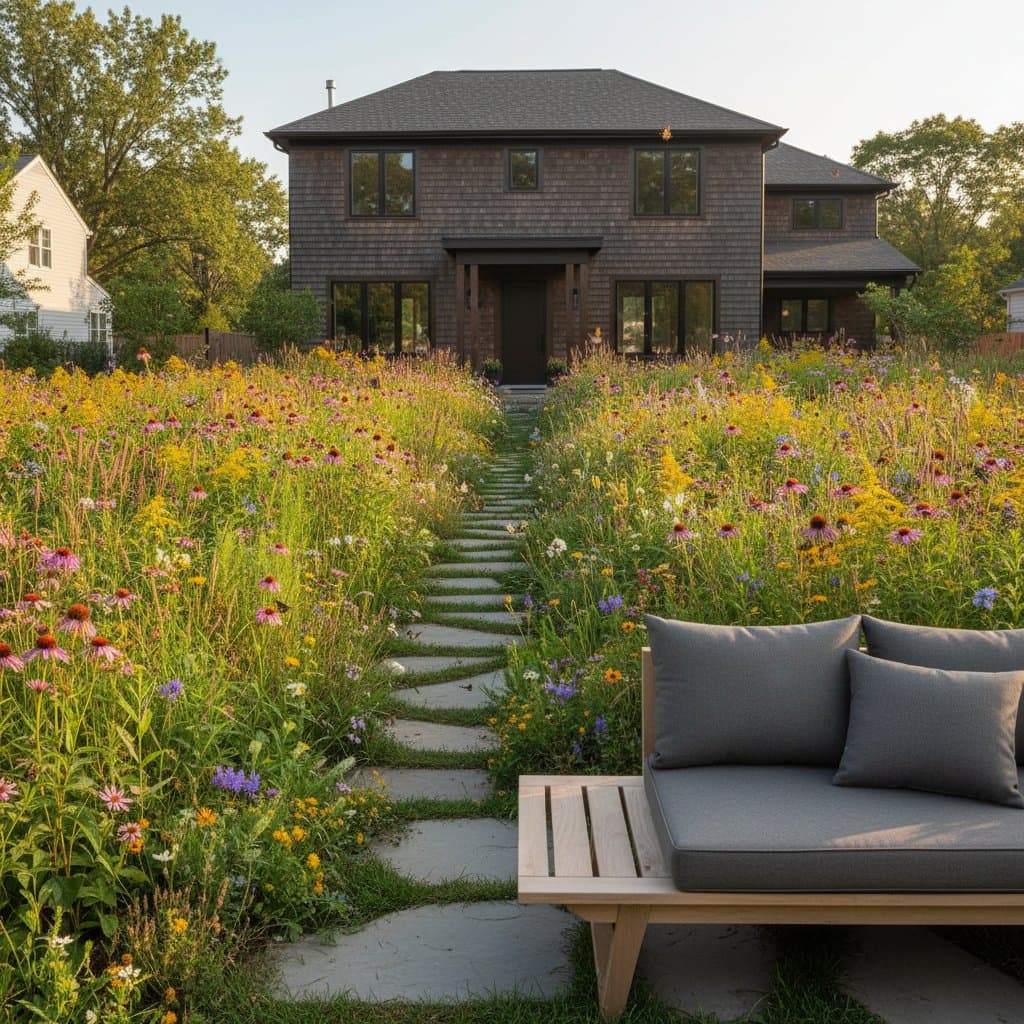
Incorporate pathways of flagstone or mulch to guide movement through the space. Add benches or focal points like bird baths to emphasize purpose and blend wild elements with curated features. Such approaches position native meadows as modern symbols of environmental stewardship.
Sustaining Your Meadow Over Time
Mature meadows demand straightforward care routines. In late winter, before new shoots emerge, mow or clip the previous season's growth to three to six inches. This practice recycles nutrients and prevents thatch buildup.
Retain some standing stems and seed heads through winter to provide bird forage and insect overwintering sites. Steer clear of herbicides or pesticides, which harm the beneficial organisms central to the ecosystem.
Annual assessments help maintain balance; divide overcrowded perennials every few years to propagate and refresh the planting. Over time, your meadow evolves into a low-effort feature that enhances property value and wildlife presence.
Extending the Impact
Individual efforts amplify when shared. Encourage community involvement by hosting workshops on native planting or collaborating with local conservation groups.
Document your progress through photos or journals to inspire others. As more yards join the effort, collective actions strengthen regional biodiversity and promote sustainable landscaping norms.