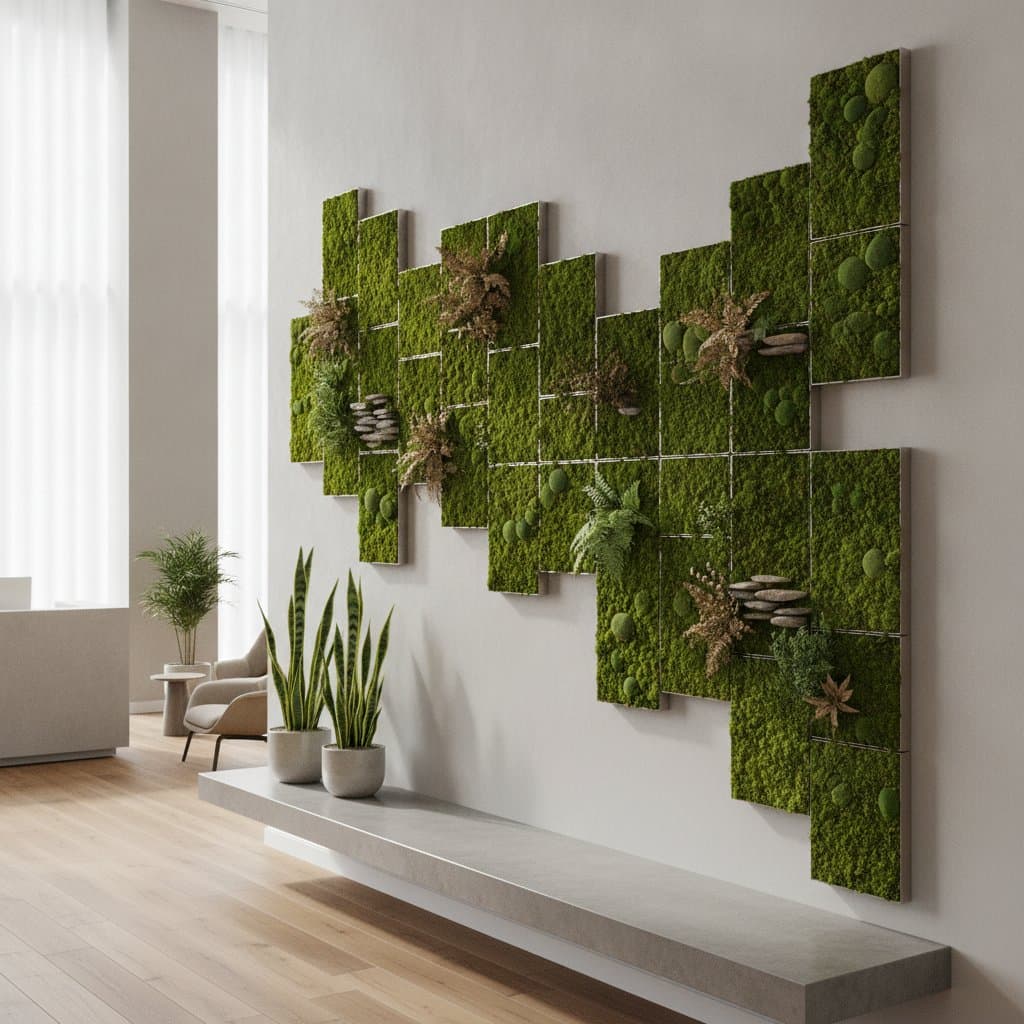
Moss Walls: Transform Your Front Yard into a Green Oasis
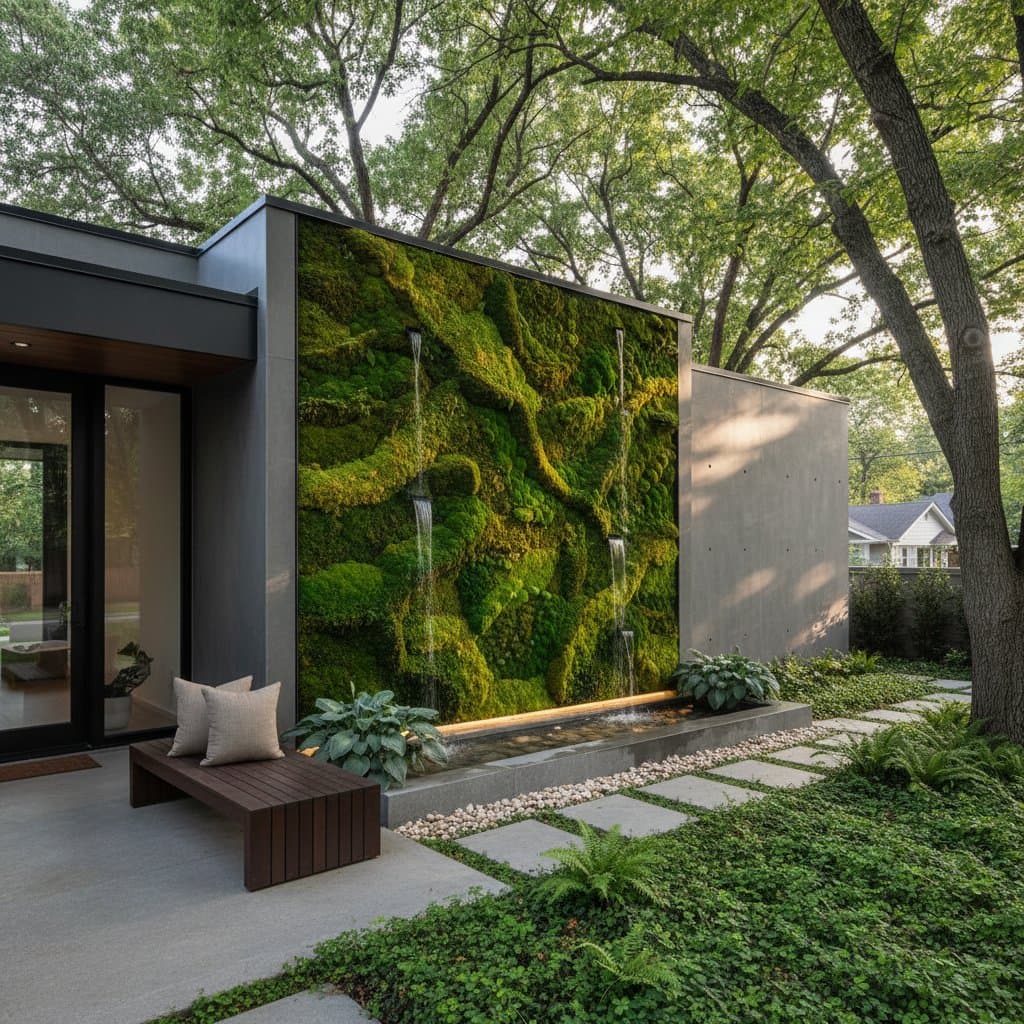
A stone wall draped in vibrant green moss after a gentle rain in a French village creates a memorable scene. That wall looks alive and full of energy, yet it requires minimal maintenance. Years later, after moving to London, this image inspired the redesign of a small front garden into a lush natural haven using moss walls, a technique once limited to high-end urban projects but now available for everyday outdoor areas.
Moss walls fit homes ranging from countryside cottages to city balconies. They soften hard edges, purify the air, and create a serene natural focal point at the entrance.
The Appeal of Moss Walls
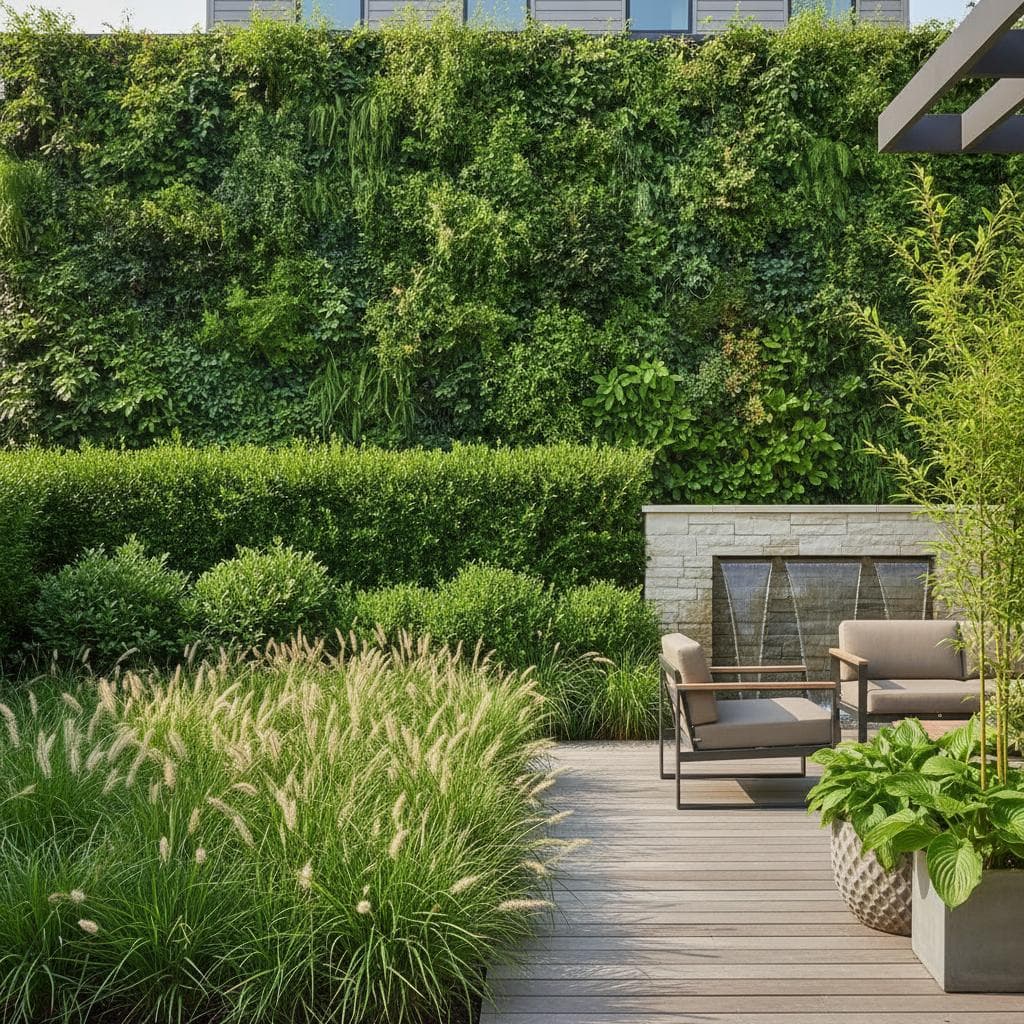
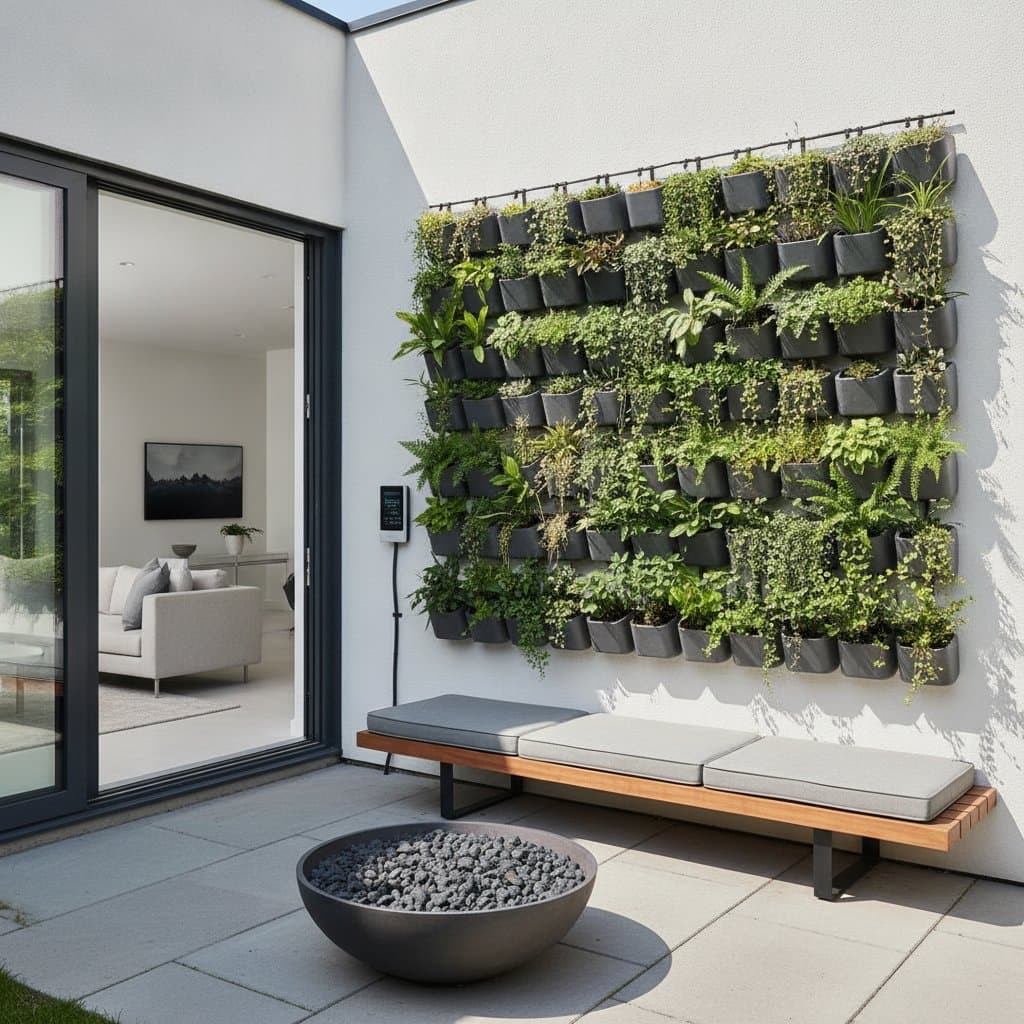
Life in bustling New York underscores the importance of making the most of small outdoor spaces. Plants offer more than visual appeal; they bring peace and calm. Moss walls take this idea further by adding greenery to spots where traditional plants struggle, fitting into the rise of vertical gardens that turn walls, fences, and exteriors into living features.
Designing Your Moss Wall
Start by deciding on the size that matches your space. A full wall covering makes a bold statement, while smaller panels add gentle texture without overwhelming the yard.
Selecting the Appropriate Surface
Pick a spot with indirect light and steady moisture. North- or east-facing walls perform best. In sunnier areas, choose protected locations under eaves or add a misting system to keep humidity steady.
Check the wall material for suitability. Porous options like raw stone or brick retain water well, helping moss stick. For smooth surfaces like concrete, apply a permeable sealant to support growth while preventing harm.
Choosing Moss Types
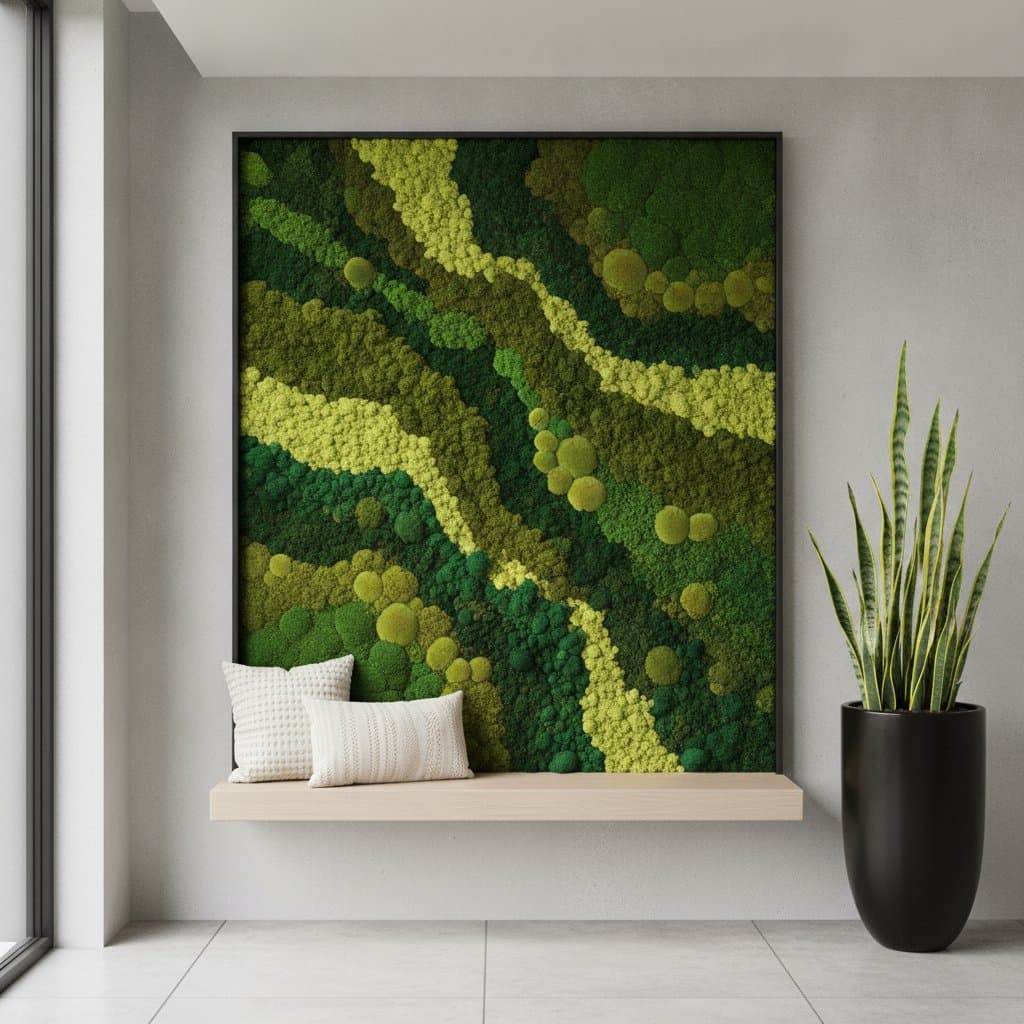
Common choices include sheet moss for its smooth, carpet-style coverage; cushion moss for its soft, rounded clumps; and rock cap moss for tough, flexible spreading. Mixing varieties creates diverse textures and shades of green, while using one type offers a uniform, peaceful look.
Factor in your local weather when picking moss. In mild climates, choose native species for durability and environmental fit. Visit local nurseries to find options that handle your region's rain and temperature changes.
Natural Cultivation Versus Prefabricated Options
Grow moss naturally by applying starter pieces to a wet surface and shielding from harsh sun. This approach blends in gradually but takes time to develop.
For faster results, buy pre-grown panels from eco-friendly suppliers. These secure to lightweight frames with glue or clips, ideal for quick projects or setups that might change later.
Establishing Water and Care Routines
Moss needs regular dampness but not soaking. Mist lightly once or twice a week, more during dry periods. Avoid chemical fertilizers or harsh cleaners that harm the fragile growth.
In dry climates, set up hidden watering like drip tubes or timed misters. These provide targeted moisture, like morning dew, to avoid drying out while using water efficiently.
Watch for issues like slugs and use natural deterrents, such as barriers, instead of chemicals to protect the small ecosystem.
Sustainability Benefits of Moss Walls
Sustainability consultant Mark Delaney explains, "Moss walls stand out as one of the greenest landscaping choices. They cool surrounding air, trap pollutants, and need little water once established."
In crowded cities with few plants, these walls create tiny habitats that support local wildlife, including helpful insects and microbes. They also reduce noise from traffic and filter air for better indoor-outdoor health.
Moss walls teach about nature, especially for families. Children can watch how colors change with seasons or how water keeps things alive, building respect for resilient ecosystems in city life.
These features help meet green standards by cooling urban heat and absorbing rainwater softly to manage runoff.
Maintaining and Enjoying Your Moss Installation
A well-set moss wall becomes more than decoration. It shifts with the weather, turning deeper green after rain and paler in dry spells. It hides wear on old walls or fences, bringing back balance to the view.
Keep it thriving with these steps:
- Mist during extended dry weather to maintain color.
- Remove leaves or dirt gently with a soft brush to prevent matting.
- Accept natural variations in color and shape for a genuine feel.
Combine moss walls with low plants or soft lights to enhance the yard at night. As they mature, these walls build a lasting sense of place, making shaded areas feel like peaceful parts of the home.