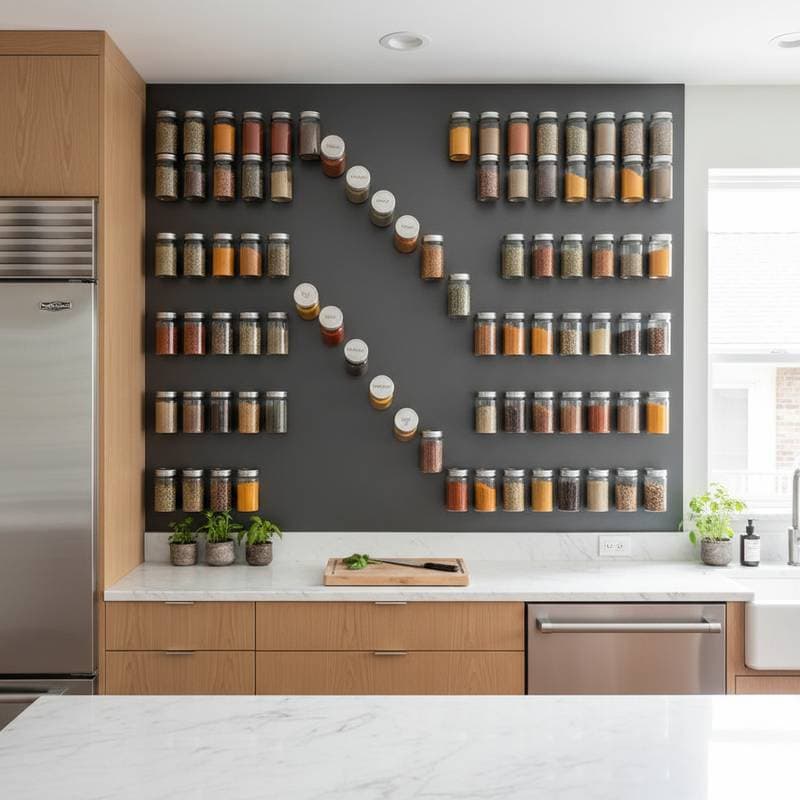
Proper planning and ventilation are vital to keep these hidden spaces safe and efficient
The Scene: A Morning Without the Mess
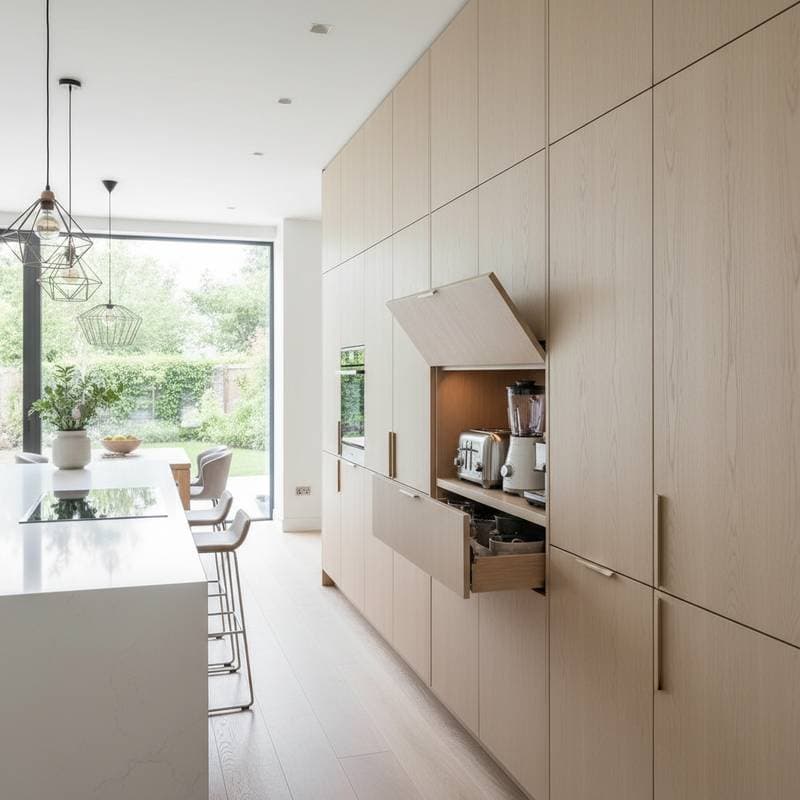
Picture this: you walk into your kitchen for coffee. The light hits the marble countertop, perfectly bare except for a vase of fresh tulips. You slide open a sleek cabinet door beside the refrigerator, revealing your espresso machine waiting in its own little nook. You press a button, the aroma fills the air, and once the cup is ready, you close the door again. The counter remains pristine, the space calm.
That quiet moment is exactly what has fueled the hidden appliance garage boom. It is not just about storage, it is about creating a sense of ease.
Why Hidden Storage Has Become a Design Obsession
Interior designers say the shift toward concealed storage mirrors broader lifestyle changes. After spending more time at home, people began craving clarity and control in their living environments. The kitchen, often the center of the home, became the focus.
“People want spaces that feel restorative rather than chaotic,” said a Los Angeles-based designer who specializes in minimalist kitchens. “Hidden appliance garages give homeowners both convenience and aesthetic calm. Everything you need is still right there, just tucked away.”
The concept is simple but transformative. Instead of leaving small appliances out, you design cabinetry that conceals them completely. The result is a kitchen that looks ready for a magazine shoot every day, but still functions for real life.
The Anatomy of an Appliance Garage
An appliance garage is essentially a built-in cabinet or compartment designed to store small kitchen appliances out of sight. Unlike standard cabinets, these are typically placed on countertops or within easy reach zones. The most popular designs include:
- Roll-top doors that slide upward to reveal appliances without swinging into the workspace
- Pocket doors that retract into the sides of the cabinet for a seamless, open look while in use
- Lift-up doors that hinge upward, ideal for contemporary kitchens with clean lines
- Bi-fold doors that fold neatly and hide away, perfect for corner cabinetry
Inside, the space can be customized with outlets, lighting, and even small shelves for cups or ingredients. Some homeowners include pull-out trays that allow heavy appliances like stand mixers to glide forward effortlessly.
The Cultural Shift Toward Clutter-Free Living
Minimalism has evolved from a niche aesthetic into a mainstream lifestyle goal. Social media platforms filled with serene, neutral-toned kitchens have influenced how people think about home design. The visual tranquility of a bare countertop suggests a life that is organized, sophisticated, and in control.
In the same way open shelving once represented transparency and accessibility, the hidden appliance garage now represents discretion and refinement. It is not about showing what you own, it is about curating what you reveal.
Even celebrities and design influencers are championing the look. Television home makeovers often feature before-and-after kitchen reveals where cluttered counters disappear, replaced by hidden compartments that slide open like a magician’s trick.
Design Meets Function: Balancing Beauty and Utility
While the aesthetic benefits are undeniable, the functional advantages are equally compelling. Appliance garages streamline the cooking process by keeping essential tools close at hand but out of sight. They also protect appliances from dust and grease buildup, extending their lifespan.
Designers recommend planning these features early in a renovation or new build. The cabinetry must account for electrical access, ventilation, and appliance size. A poorly ventilated garage can trap heat and moisture, which can damage both the appliance and the cabinet interior.
Some homeowners choose to dedicate entire zones to concealed storage. A “breakfast station” might hide a toaster, coffee maker, and blender behind a folding door. Others create “baking hubs” where mixers, measuring tools, and ingredients live together behind a retractable panel.
Expert Insights: What the Pros Are Saying
Kitchen designer Maria Chen calls hidden appliance garages “the most requested feature” in her current projects. “People are rethinking how their kitchens look when they are not cooking,” she said. “Open counters make the whole room feel bigger and cleaner. The challenge is designing access that feels intuitive.”
Architectural consultant Jason Robards agrees, emphasizing planning. “You have to know your daily habits. If you use your coffee machine every morning, it should be positioned near a water source and within easy reach. A garage that is too low or tucked away can become a hassle instead of a convenience.”
Cabinet makers also note a growing demand for smart features like motion sensors, integrated lighting, and soft-close mechanisms. These details elevate the experience from simple storage to tactile luxury.
The Psychology Behind the Calm
A cluttered environment can create subtle stress. Researchers studying home organization have found that visible mess can increase anxiety levels and reduce focus. In the kitchen, where multiple tasks happen at once, visual clutter can make cooking feel overwhelming.
Hidden appliance garages reduce that sensory overload. By concealing visual distractions, they allow the brain to focus on the task at hand. Clean surfaces signal completion and control, which can make a space feel more peaceful.
This psychological benefit is one reason the trend resonates across so many demographics. From busy parents juggling mealtime chaos to professionals craving order, hidden storage offers both aesthetic and emotional relief.
Cost and Customization
The price of adding an appliance garage varies widely depending on materials, size, and complexity. Custom cabinetry remains the gold standard, offering precise fit and finish, but semi-custom options are becoming more accessible. Some modular kitchen systems now include appliance garage add-ons that can be installed during a remodel or even retrofitted into existing cabinets.
Popular finishes range from matte paint to wood veneer, often matching the rest of the kitchen cabinetry for a cohesive look. For those who prefer contrast, designers sometimes use a different texture or color inside the garage, turning the hidden space into a small design statement once opened.
Style Versatility: From Farmhouse to Ultra-Modern
Though clean lines and minimalism define the trend, appliance garages adapt easily across styles. In farmhouse kitchens, they might appear behind beadboard doors with rustic handles. In contemporary spaces, they often take the form of sleek, handle-free panels that blend seamlessly with the wall.
Transitional kitchens, which blend traditional and modern elements, often use appliance garages to maintain symmetry. A tall cabinet might hide a coffee station on one side of the stove, while another conceals a microwave on the opposite end, creating balance without visual clutter.
Even small apartments can benefit. Compact vertical garages built into corners or under shelving provide discreet storage where every inch counts.
Real-World Scenarios: Everyday Efficiency
Consider a family of four who starts each morning with a different routine. One parent makes smoothies, another prepares toast, and the kids need cereal and milk. Instead of turning the kitchen into a battlefield of cords and crumbs, a hidden appliance wall keeps everything organized. Each station opens when needed and disappears when the morning rush is over.
Or picture a weekend baker who loves the ritual of kneading dough. A pull-out mixer shelf hidden behind a bi-fold door allows easy setup without heavy lifting. When finished, the shelf slides back, leaving the countertop spotless and ready for dinner prep.
Making It Happen
If you are considering adding an appliance garage to your kitchen, start by evaluating how you use your appliances. List the items you reach for most often, then identify where you naturally perform those tasks.
Next, consult a kitchen designer or cabinet specialist to discuss options that fit your layout. Pay attention to door mechanisms, interior outlets, and ventilation.
Finally, think about how the feature will age with your lifestyle. A well-designed appliance garage should remain functional and elegant for many years, adapting to new gadgets or changing habits.
As more homeowners embrace the beauty of hidden storage, the kitchen becomes less of a workspace and more of a sanctuary. The rise of appliance garages is not just a design trend, it is a reflection of how people want to live.