Key Points
- Grandmillennial gardens combine nostalgic elements with sustainable, low-maintenance plant choices.
- Designs feature layered textures, gentle color schemes, and classic structural details.
- Effective planning addresses soil vitality, water delivery, and plant harmony.
- The style highlights defined garden areas, cottage-inspired arrangements, and repurposed resources.
- Homeowners realize a seamless integration of historical allure and practical performance.
Technical Background
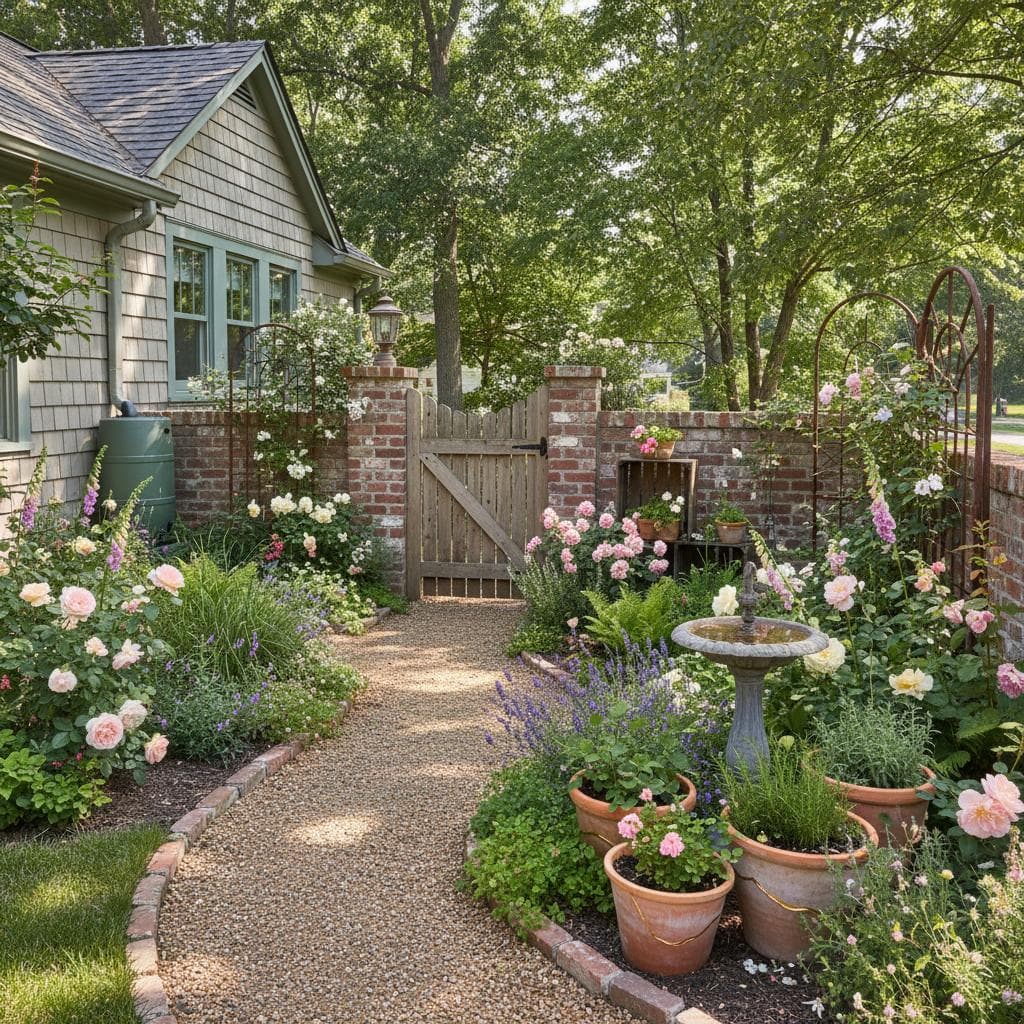
Grandmillennial style honors traditional forms through a modern lens. In garden design, this manifests as abundant greenery, enduring structures, and heritage plant selections organized in a structured yet informal manner. Influences include cottage gardens, English-style borders, and vintage suburban landscapes where shrubs, climbing roses, and enduring perennials formed inviting entrances.
Assessment
Prior to reshaping a front yard into a Grandmillennial garden, conduct a thorough site review.
- Soil Composition: Analyze pH levels, organic matter, and drainage capacity. Cottage favorites thrive in neutral to mildly acidic conditions, typically between 6.0 and 7.0.
- Sun Exposure: Track daily light availability. Roses and many perennials demand a minimum of six hours of full sun to bloom vigorously.
- Existing Vegetation: Note plants suitable for retention or relocation. Established trees or robust shrubs serve as foundational pieces in the new layout.
- Structural Elements: Examine paths, boundaries, and entry features for compatibility. Opportunities exist to incorporate aged trellises or arches that unify utility with ornamentation.
This initial step avoids future adjustments and aligns visual aspirations with environmental facts.
Planning Phase
Success in Grandmillennial gardening stems from precise preparation over impulsive actions. Begin by drafting a to-scale diagram of the front yard. Segment the space into targeted areas, including pathway edges, base plantings, and prominent features.
Tools and Materials:
- Measuring tape and graph paper for accurate sketches.
- Soil test kit to determine nutrient needs and adjustments.
- Basic implements such as a shovel, hand trowel, and secateurs.
- Organic amendments including compost and bark mulch.
- Support structures like wooden lattices, clay pots, or antique vessels.
- Water-efficient options such as subsurface tubing or permeable hoses.
Safety Considerations:
- Don gloves for soil work or trimming prickly specimens.
- Employ sturdy platforms for installing climbers or suspended elements.
- Locate buried lines prior to any excavation.
Scheduling and Logistics:
Plant during temperate periods to allow roots to settle without thermal strain, ideally in spring or fall. Prepare watering infrastructure and enrich soil at least seven days ahead. Cluster compatible species to streamline care routines.
Implementation
Converting a front yard into a Grandmillennial garden entails installing fixtures alongside planting. Adopt this ordered method for dependable outcomes.
1. Site Preparation
Clear unwanted growth, litter, and hardened ground. Blend in compost to eight inches deep for better aeration and nourishment. Correct pH based on test outcomes using lime for acidity or sulfur for alkalinity. Outline bed perimeters sharply to sustain neat divisions from turf areas.
2. Define Garden Rooms
Grandmillennial designs evoke distinct outdoor zones. Employ evergreen hedges, modest barriers, or floral dividers to delineate areas. Position a compact bench adjacent to the entrance for an hospitable accent that echoes the era's warmth.
3. Install Hardscape Features
Place supports, gateways, and vessels prior to greenery. These vertical components guide the flow of blooming masses. Select weathered timber or forged metal for period accuracy. Repurposed masonry or gravel walks evoke legacy while facilitating movement.
4. Select and Arrange Plants
Emphasize diversity amid order. Integrate perennials like nepeta, digitalis, and alcea with persistent shrubs such as buxus or taxus. Add spring bulbs like tulips or daffodils for year-round display. Build layers by situating tall varieties at the back and trailing types along borders, ensuring each reaches 18 to 24 inches spacing for air circulation.
Opt for muted hues in lavenders, pinks, and ivories, punctuated by richer tones from hybrid teas or bold tubers. This balanced scheme fosters unity akin to heritage plots while sustaining engagement.
5. Establish Irrigation and Mulching
Set up targeted watering lines to deliver hydration to roots without waste. Apply two to three inches of natural covering to conserve moisture, deter intruders, and bolster microbial activity. Monitor to prevent excess, as old-line varieties dislike waterlogged roots.
6. Final Detailing
Incorporate period-appropriate ornaments like ornate posts, hinged portals, or stone fountains. These elements weave the landscape into the residence's style, completing the historical thread.
Quality Assurance
Routine evaluations secure the garden's enduring vitality.
- Plant Health Check: Verify lush leaves and secure anchoring four to six weeks post-planting.
- Soil Moisture Monitoring: Employ a probe tool to balance hydration, targeting 1 to 2 inches weekly during dry spells.
- Structural Stability: Examine mounts and frames seasonally for firmness against wind or growth.
- Pest Control: Scan for invaders like greenflies or fungal coatings on tender growth. Apply neem oil or companion planting for natural defenses.
Maintain a journal of interventions. This log tracks responses and informs future refinements.
Maintenance
Preserving Grandmillennial allure relies on consistent attention over frequent overhauls. Trim faded perennials post-bloom to promote additional cycles. Remove wilting flowers each week in peak periods. Renew surface cover yearly and apply compost layers in March for nutrient renewal.
Inspect water lines monthly for clogs or leaks. Restore fixtures promptly to avert decline. As growth thickens, remove excess to enhance ventilation and curb vulnerabilities. These habits safeguard aesthetics and ecological integrity.
Embracing the Garden's Evolution
An established Grandmillennial garden redefines the front yard as a vibrant testament to heritage and care. It fosters connections with nature, elevates property presence, and offers serene escapes amid blooms and scents. For those valuing artisanal detail and narrative in their environments, this approach delivers character paired with ease.
With passage of seasons, the space records attentive stewardship and ingenuity. Annual cycles unveil nuanced evolutions in form and shade, affirming that classic forms harmonize with eco-conscious methods. Through deliberate design and timeless flora, the Grandmillennial garden revives the front yard as a realm where grace and genuineness flourish together.