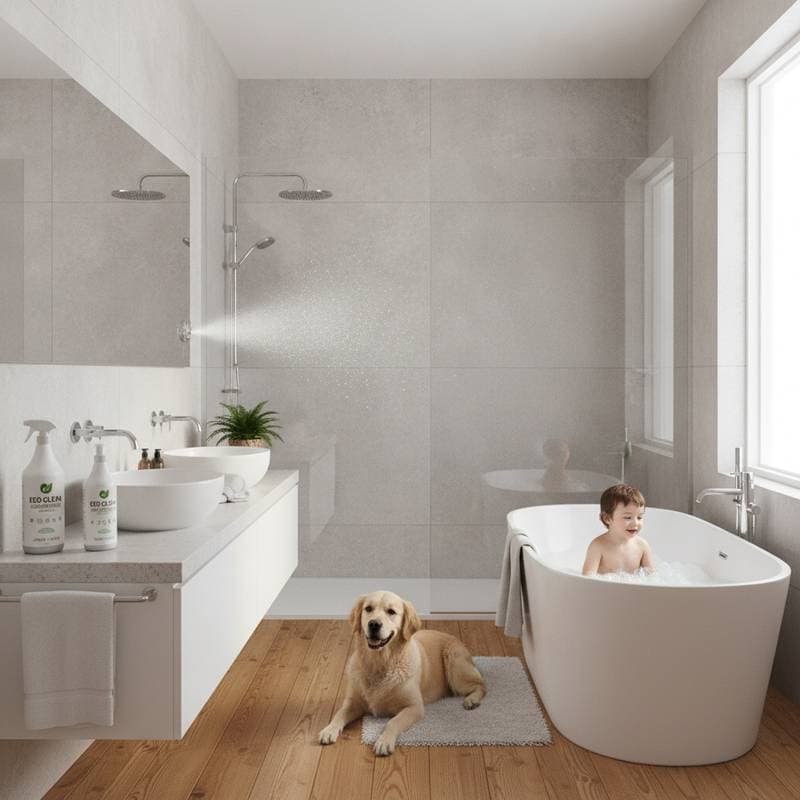
Key Benefits of Grout-Free Tiles
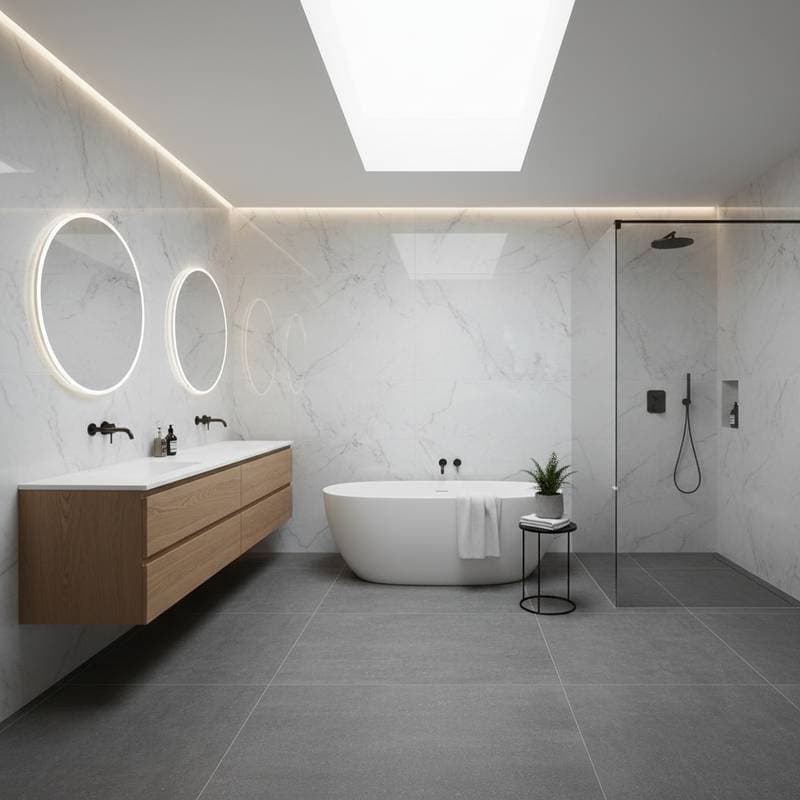
Grout-free tiles address the primary upkeep issue in standard bathrooms: deteriorating grout lines that crack and stain over time. These large panels form a continuous surface that cleans with ease, repels water penetration, and offers a contemporary appearance. Installation proceeds more rapidly and with less complexity, which cuts down on labor expenses and disruption to daily routines. Homeowners must still prioritize substrate readiness and waterproofing to secure optimal results. Overall, this approach delivers aesthetic appeal alongside practical hygiene in moisture-prone areas.
Understanding the Technology
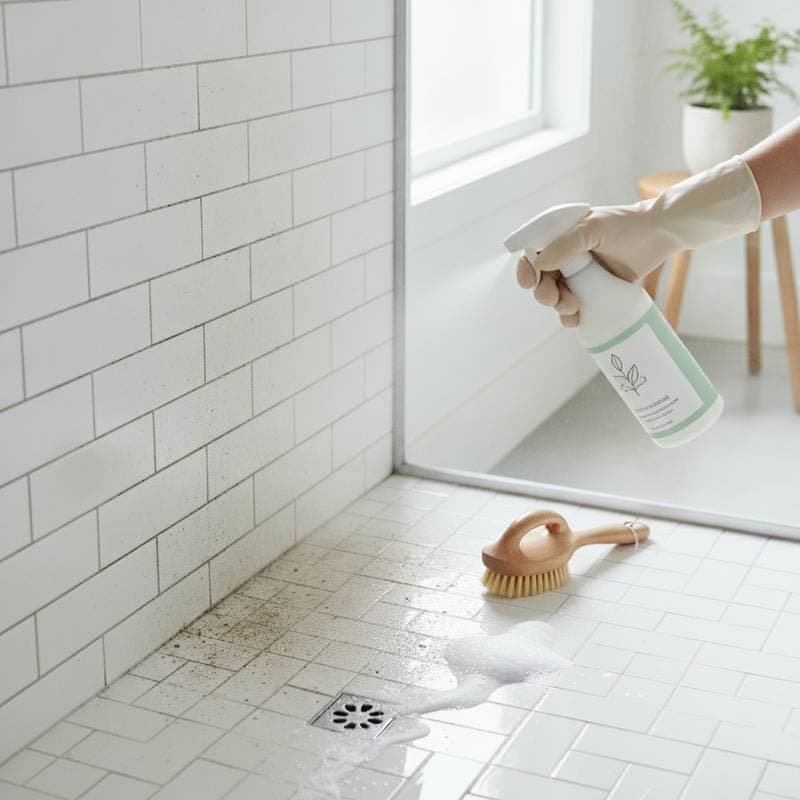
Standard tile setups depend on grout to seal gaps between tiles. This material, being porous, draws in water and dirt easily. Eventually, it fades, fractures, or fosters mold, leading to constant repairs and risks of water damage to underlying structures.
Evaluating Your Bathroom for Upgrade
Prospective users need to assess their bathroom's state before selecting grout-free tiles. The base surface requires flatness, solidity, and dryness. Professionals should remedy any water harm, spongy drywall, or irregular supports prior to proceeding.
Precise measurement of wall areas proves vital, as panels tailor to exact dimensions. Errors here might result in visible joints or excess cuts, compromising the seamless look.
Consider finances for materials and labor. Although panels cost more initially per area than regular tiles, savings from shorter install times and reduced future care often offset this within the bathroom's lifespan.
Developing an Installation Plan
Effective grout-free tile projects start with detailed organization covering supplies, equipment, schedule, and precautions.
Essential Materials
- Grout-free panels in porcelain, acrylic, or composite stone
- Manufacturer-recommended waterproof adhesive or clips
- Silicone caulk for seams and edges
- Moisture-resistant backer board or base layer
- Finishing trim for borders and shifts
Required Tools
- Tape measure and spirit level
- Power saw or panel-specific cutter
- Caulking applicator
- Power drill with screws
- Protective eyewear, hand coverings, and dust mask for material handling
Project Timeline
Plan one full day for readying the area and another for fitting the panels, plus curing time for adhesives per product guidelines. Time the removal and replacement of sinks, showers, and other elements to limit household interruption.
Safety Measures
Don protective equipment during cutting to shield against dust from synthetics that may affect breathing or vision. Deactivate nearby power sources before removing walls or boring holes to avoid hazards.
Step-by-Step Installation Guide
-
Surface Preparation. Strip away existing tiles, adhesives, and flawed sections of wall. Fix or swap out any weakened base materials to ensure a sound foundation.
-
Backer Board Application. Fasten water-proof boards to the studs, then tape and compound the joints using approved products for a sealed underlayer.
-
Panel Dry Run. Place the grout-free panels in position without glue to verify fit and alignment. Make necessary adjustments or trims for perfection.
-
Adhesive Placement. Use a notched spreader to apply adhesive uniformly across the wall. Firmly seat each panel, applying steady force to promote strong attachment.
-
Seam Sealing. Fill vertical, horizontal joints, and corners with silicone caulk, smoothing it for a waterproof barrier.
-
Fixture Reassembly. After adhesive hardens completely, remount pipes, vanities, lights, and decor, avoiding damage to the new panels.
Verifying Installation Quality
Examine the work for level surfaces, snug connections, and complete adhesive contact. Test for water resistance by misting the walls and observing runoff without absorption or leaks at edges. Ensure caulk forms unbroken, bubble-free lines.
Address any loose spots or voids right away, before materials set permanently. Keep records of all components and methods employed, aiding warranty processes or later upkeep.
Sustaining Your Grout-Free Bathroom
These tiles demand little ongoing effort for preservation. Wipe surfaces regularly with a gentle, non-scratching solution and a microfiber cloth. Steer clear of harsh acids that might erode caulk integrity.
Conduct yearly checks on sealant areas for degradation or splits. Refresh caulk promptly in affected zones to block water entry and prolong the system's life.
Achieving a Seamless Bathroom Transformation
Grout-free tiles mark a significant evolution in bathroom updates, merging sleek visuals with robust functionality. They withstand routine humidity and scrubbing without the pitfalls of traditional lines. Homeowners pursuing enduring, hassle-free spaces find these panels ideal for enhancing usability and appeal. Through careful setup and guideline adherence, the result stands as a resilient, unified finish that improves living quality and resale potential.