Rewild Your Yard: The Superiority of Native Meadows Over Lawns
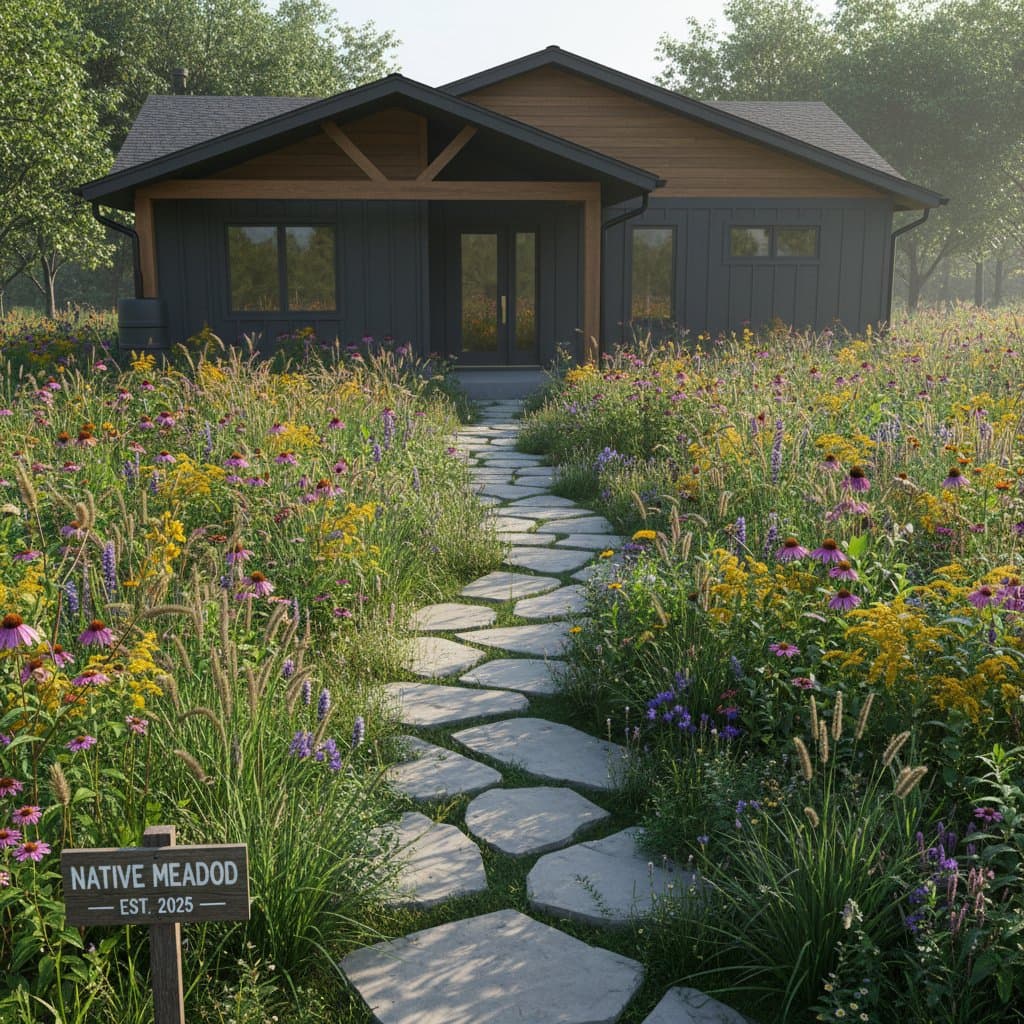
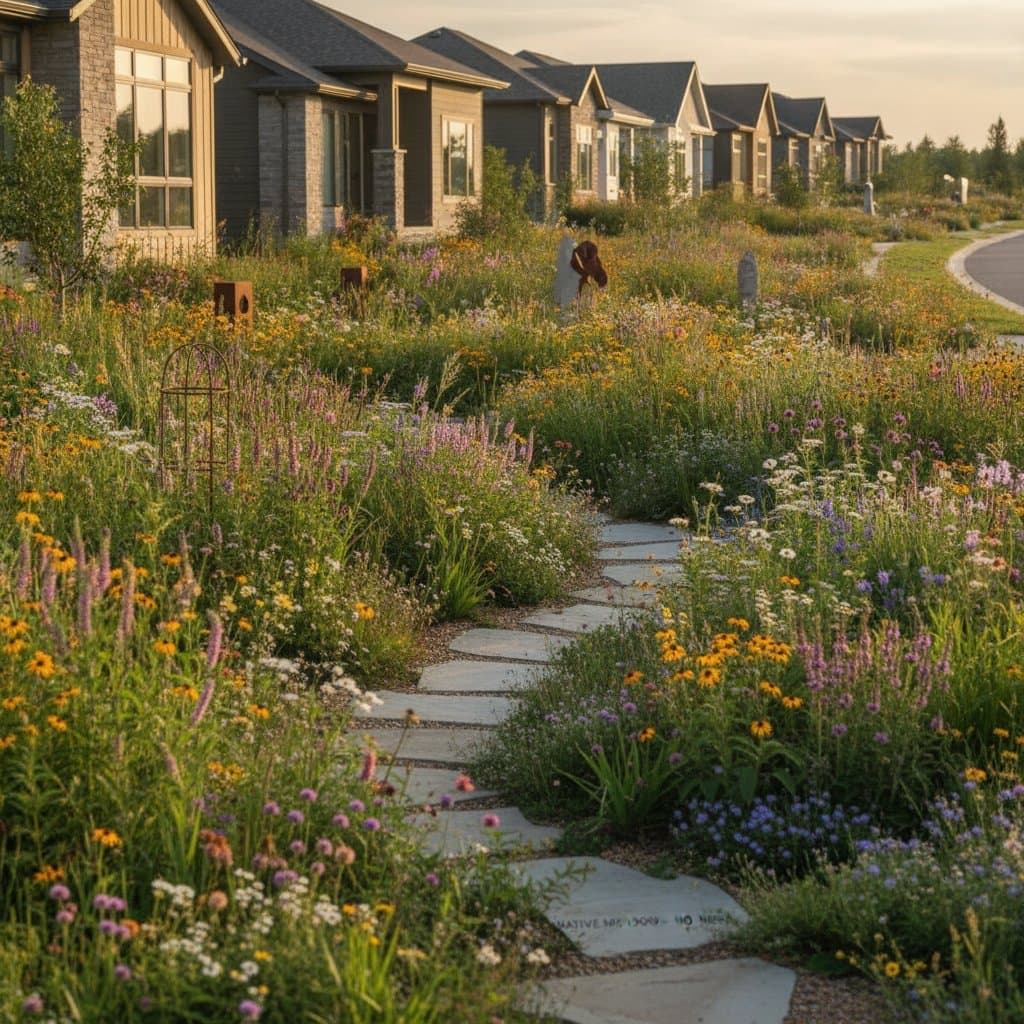
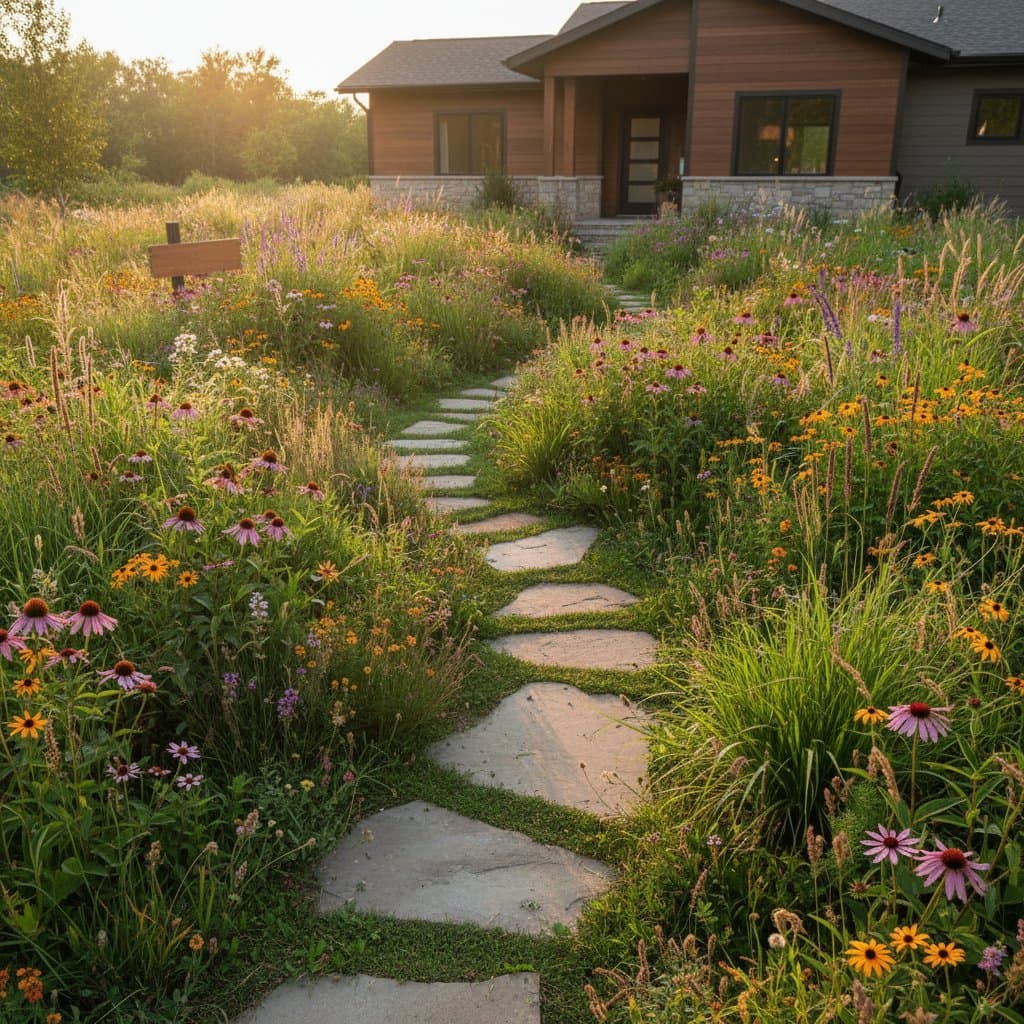
Picture a typical suburban neighborhood under the afternoon sun. Uniform lawns stretch endlessly, sprinklers activate on schedule, and lawnmowers drone in the background. In contrast, one yard stands out with tall, swaying native grasses, vibrant purple coneflowers, and the gentle hum of bees. Neighbors stop to observe. This scene represents intentional rewilding, not abandonment.
Key Benefits
- Native meadows demand far less water, fertilizer, and upkeep compared to conventional lawns.
- They foster habitats for pollinators, birds, and local wildlife while delivering aesthetic appeal.
- The conversion process improves soil quality and boosts overall biodiversity.
- Thoughtful design ensures the no-mow style remains practical and attractive.
The Evolving Perception of Lawn Perfection
The pristine lawn has long represented discipline and prosperity. However, this ideal exacts a heavy toll. Excessive water use strains resources, chemical fertilizers contaminate rivers and streams, and frequent mowing emits pollutants while eradicating native flora. Rising environmental consciousness exposes these drawbacks.
Homeowners now question the value of flawlessly manicured turf. In urban and rural areas alike, wild, natural landscapes gain popularity over monotonous green expanses. This change transcends ecology; it signals a cultural pivot toward harmony with nature, sustainable practices, and appreciation for organic forms.
Exploring the Advantages of Native Meadows
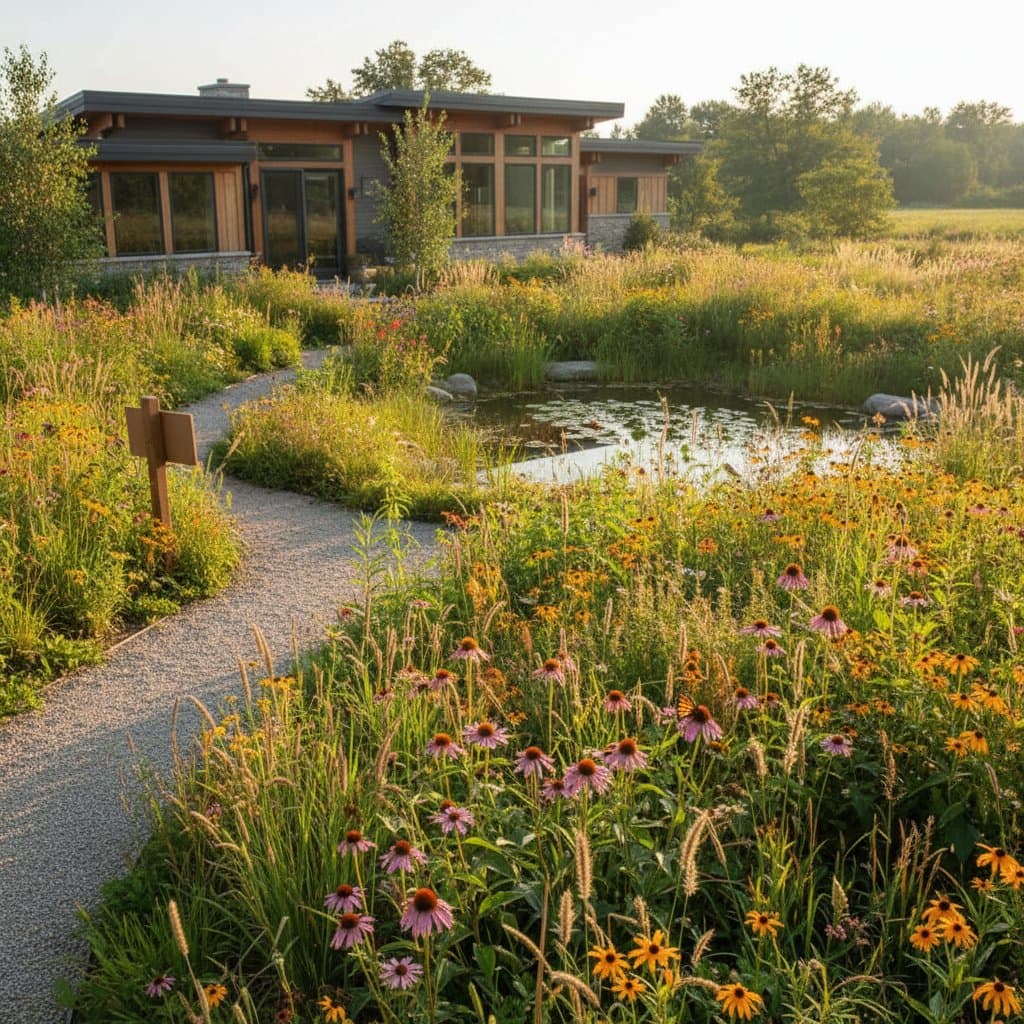
A native meadow constitutes a deliberate ecological system, not a disorganized patch. Select grasses and flowers indigenous to your area to build a self-sustaining habitat free from artificial aids. After establishment, it requires only periodic edging or selective weeding.
Landscape ecologists highlight how native plants form extensive root networks. These roots anchor soil, conserve moisture, and resist erosion. Such depth also equips plants to withstand dry spells and climate fluctuations. Traditional turf, by comparison, develops superficial roots that necessitate regular irrigation and nutrients to maintain vitality.
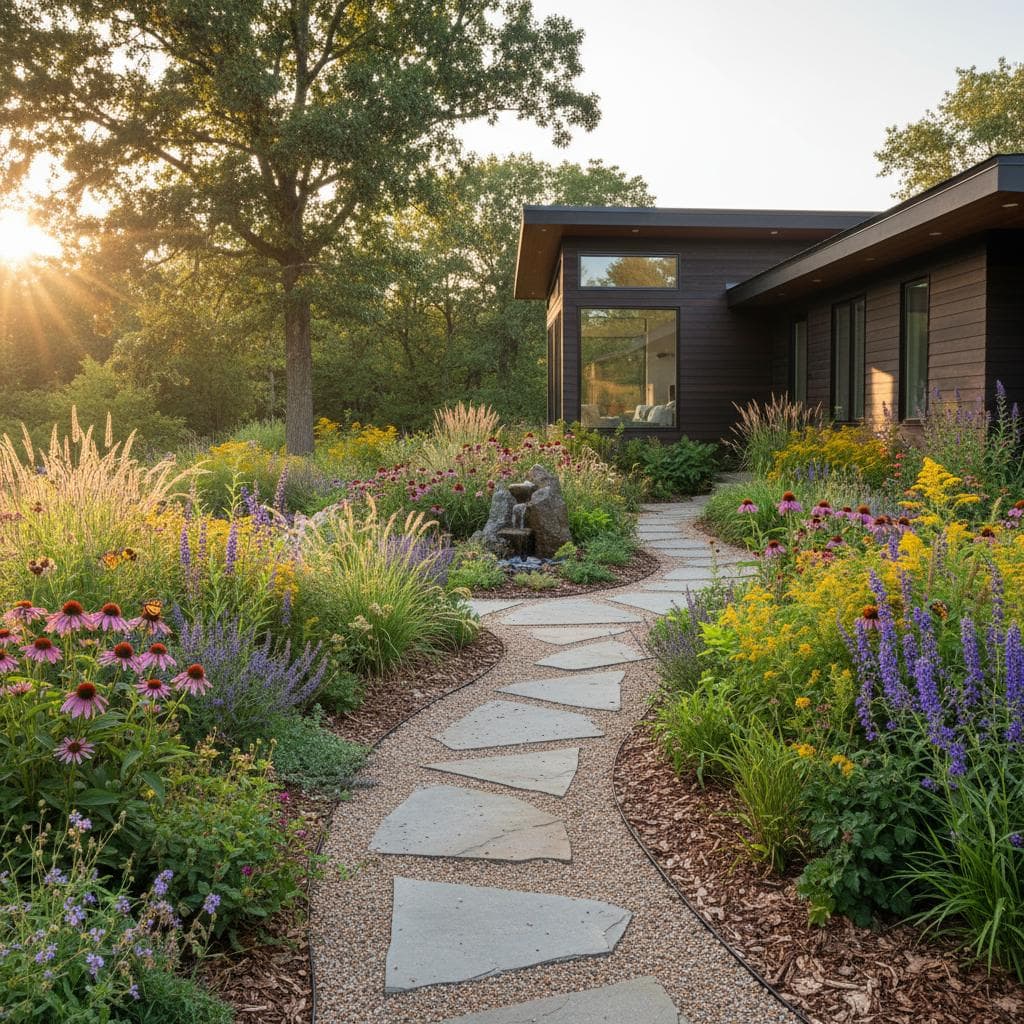
Beyond functionality, meadows revitalize outdoor spaces. Monarch butterflies seek out milkweed, bees collect nectar from blooms, and birds forage among the foliage. This shift creates not merely a visual upgrade but a restored micro-ecosystem adjacent to daily life.
From Idealized Turf to Dynamic Landscapes
Media portrayals once idealized the spotless lawn as the essence of suburban bliss. Advertisements depicted joyful gatherings on immaculate grass. Today, influencers in gardening, sustainability experts, and landscape architects promote wildflower meadows as emblems of purposeful design.
This style offers layered interest. Seasonal color variations and gentle wind-swept motion evoke a sense of narrative. It embodies partnership with the environment rather than subjugation. For those accustomed to strict geometry, embracing this fluidity proves empowering.
Practical Steps to Create a Native Meadow
Converting a standard lawn to a native meadow demands neither heavy machinery nor substantial funds. Focus on gradual implementation, keen observation, and structured preparation.
- Begin Modestly: Target a small area initially. Monitor plant performance to inform larger-scale efforts.
- Identify Suitable Natives: Consult regional guides or native plant organizations for appropriate species and seed blends.
- Amend the Ground: Eliminate existing sod and aerate dense soil. Steer clear of synthetic enhancers.
- Sow or Install Thoughtfully: Combine grasses with forbs for variety. Scatter seeds uniformly or use starter plugs for quicker coverage.
- Irrigate Sparingly During Establishment: Reduce watering as roots take hold.
- Accept Natural Variation: Allow the meadow to mature organically. Certain species may thrive while others recede, contributing to authentic equilibrium.
By the second or third season, the meadow reaches maturity. Auditory elements transform as well, with insect buzz and grass whispers supplanting mower noise.
Professional Advice on Upkeep and Neighbor Relations
Garden specialists suggest incorporating defined elements to convey deliberate cultivation. A trimmed perimeter, gravel walk, or low barrier communicates intentionality over oversight. These boundaries reassure observers of the space's managed nature.
Environmental scientists advocate a single late-winter cut to stimulate fresh growth and control composition. This annual task supplants the labor-intensive routine of lawn care.
Embracing and Sustaining Your Rewilded Yard
To initiate this change, cultivate inquisitiveness over dominance. Explore nearby natural areas to note thriving vegetation. Engage with specialty nurseries for guidance. Start small, observe, and allow expansion.
Opting for native meadows over groomed lawns extends beyond aesthetics. It contributes to broader ecological recovery. Each planting aids in reestablishing harmony on the landscape. When questioned by passersby, explain that care persists in a more profound form.