Why Grandmillennial Gardens Cost Less Than Lawns
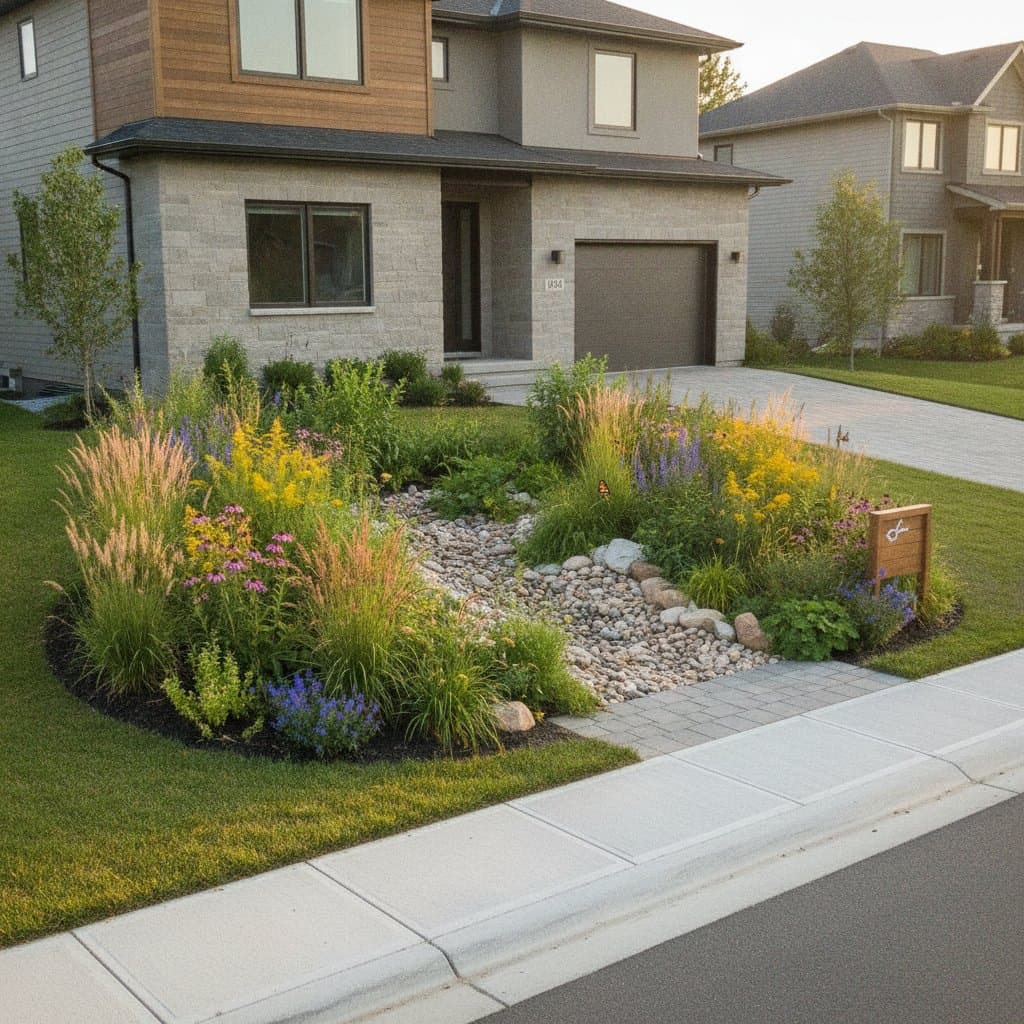
Grandmillennial gardens offer a cost-effective alternative to traditional lawns by emphasizing plant diversity over resource-intensive turf maintenance. These designs minimize expenses on water, fertilizers, and mowing equipment while delivering enduring aesthetic value. Homeowners save on long-term upkeep as mature plantings require less intervention than expansive grass areas.
Key Advantages Over Lawns
- Lower Initial Investment: Focus on seeds, divisions, and mulch rather than sod or irrigation systems, often under $500 for a modest yard.
- Reduced Ongoing Costs: Perennials and shrubs eliminate annual reseeding and chemical treatments common with lawns.
- Water Efficiency: Native and drought-tolerant plants cut watering bills by up to 50 percent compared to thirsty grass.
Minimal Equipment Needs: Hand tools suffice, avoiding the purchase and fuel costs of lawn mowers and trimmers.
Sustainability Benefits: Natural mulching and soil building reduce the need for purchased amendments over time.
Defining a Grandmillennial Garden
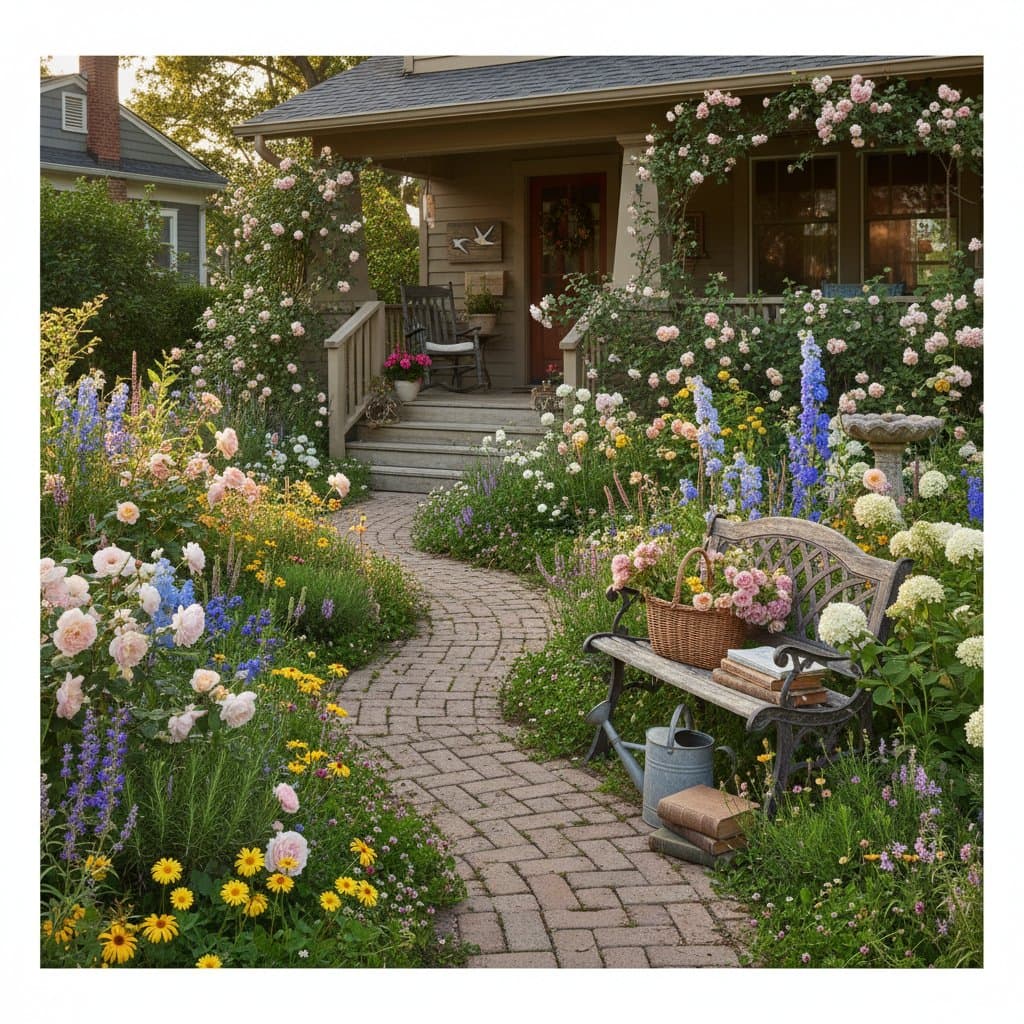
Grandmillennial gardens merge classic English cottage aesthetics with personal touches of nostalgia. They feature lush, multi-layered plantings that evoke heirloom charm without the formality of manicured estates. Elements like vintage fences and heirloom blooms create intimate, story-rich spaces.
Core features encompass:
- Multi-Layered Plantings: Overlapping perennials and shrubs form a textured backdrop, replacing bare lawn expanses.
- Vintage Color Schemes: Soft pastels from flowers such as hollyhocks and lupines provide year-round visual interest.
- Personal Accents: Incorporate salvaged items like old lanterns or family-painted signs for authentic character.
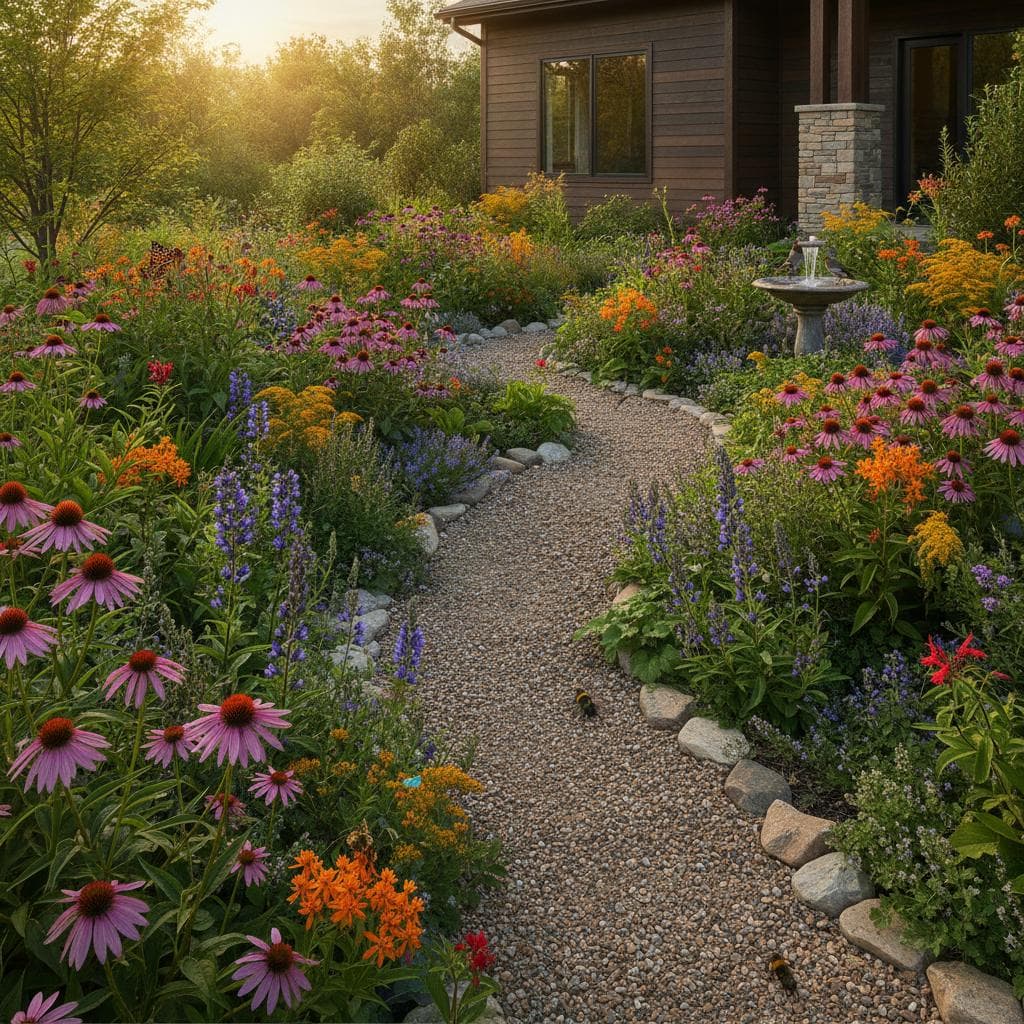
- Meandering Paths: Use affordable materials like pea gravel or recycled bricks to guide foot traffic softly.
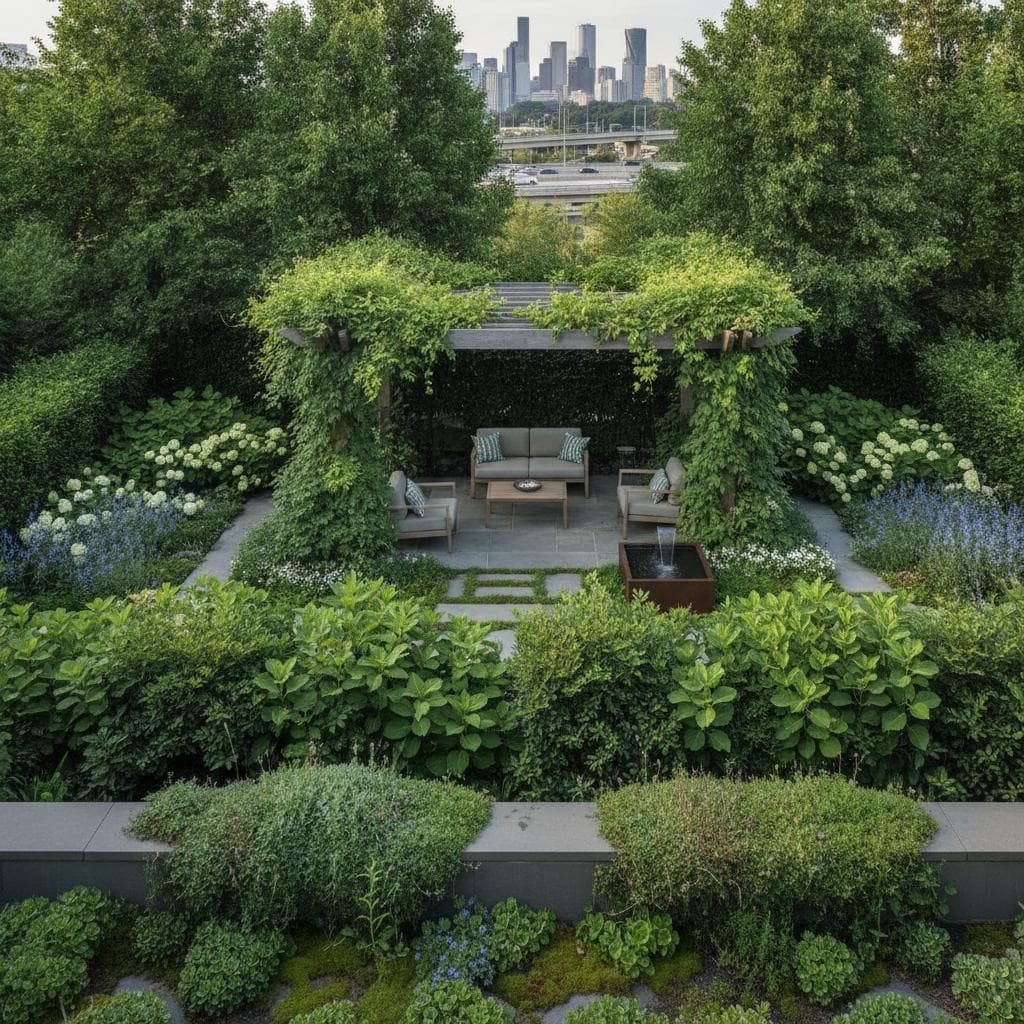
- Practical Additions: Integrate edible herbs and pollinator-friendly vines that serve dual roles in beauty and utility.
This approach builds on fertile soil and efficient drainage to foster resilient growth. Plants establish deep roots that withstand neglect better than shallow lawn grasses.
Project Essentials
Active Time: 20 to 40 hours over multiple weekends.
Establishment Period: Three to six months for roots to settle.
Required Skills: Intermediate, with basics in soil preparation and planting.
Budget Range: $300 to $800, scalable by sourcing divisions from friends or local sales.
Essential supplies include:
- Digging tools: shovel, spade, and trowel.
- Transport: wheelbarrow for moving soil and plants.
- Soil enhancers: compost, manure, and sand for amendments.
- Moisture control: mulch, hose, or simple soaker lines.
- Plant selections: mix of perennials like salvia, annuals for quick color, shrubs such as viburnum, and vines like clematis.
- Path materials: gravel, bricks, or wood scraps.
To stretch funds, propagate from cuttings or buy bare-root stock in off-seasons. One divided aster clump can yield a dozen plants in two years.
Building Your Garden Step by Step
Evaluate Site Conditions
Examine your yard for sun exposure, noting full light areas for sun-lovers like coneflowers and shade spots for hostas. Test soil pH with a simple kit; aim for 6.0 to 7.0 by adding lime if acidic. Measure drainage by digging a hole and observing water retention after rain.
Draw a rough plan, marking paths and features like a central arbor. Position taller elements at the rear to frame views naturally.
Select Harmonious Colors
Anchor with three to four hues, such as lavender blues, rose pinks, and white accents. Reference bloom charts to ensure sequential flowering, avoiding monochromatic lulls. Sample fabrics or paints from home to match garden tones seamlessly.
Build Layers Strategically
Create depth by planting in tiers. In the rear, install shrubs like spirea for structure, reaching 4 to 6 feet. Mid-level perennials such as irises fill 2 to 4 feet with bold foliage. Front with low growers like sedum to edge borders neatly.
Space plants at mature width minus 20 percent to allow growth without gaps. This layering promotes biodiversity and hides soil as the garden fills in.
Integrate Structural Elements
Lay paths 3 feet wide for comfortable passage, curving to mimic natural contours. Edge beds with inexpensive logs or stones to contain mulch. Add a bench from pressure-treated lumber, painted in garden-matching shades for seating.
Opt for weathered materials that age gracefully, enhancing the nostalgic vibe without high costs.
Infuse Personal Details
Place a inherited teapot as a planter or craft stakes from branches for vine support. These elements spark conversation and tie the space to your heritage. Limit to five key pieces to maintain balance.
Establish Watering and Mulch Routine
Water newly planted areas deeply once weekly, tapering to bi-weekly as roots develop. Apply 2 to 3 inches of mulch around plants, keeping it away from stems to prevent rot. Choose fine-textured options like pine needles for even coverage.
Implement Seasonal Maintenance
Remove faded blooms weekly in peak season to extend flowering. Every three years, lift and split overcrowded perennials like daylilies, replanting divisions. After blooms, trim back shrubs by one-third to shape without stressing growth.
Use pruners for precision, reserving powered shears for dense hedges only.
Pitfalls and Prevention Strategies
- Initial Overplanting: Space starters 18 to 24 inches apart; thin as needed to foster air circulation and curb fungal issues.
- Soil Oversight: Conduct a jar test for texture; amend clay with 30 percent organic matter before any planting.
- Climate Mismatch: Consult USDA zones via local extension services; select hardy varieties like zone 5 foxgloves for cooler regions.
- Undefined Borders: Install subtle edging early to keep growth contained and the design intentional.
- Excess Ornaments: Curate thoughtfully; rotate seasonal items to refresh without overwhelming the plants.
Addressing these upfront ensures a garden that thrives with minimal correction.
Year-Round Upkeep Guide
In spring, top-dress beds with 1 inch of compost and trim winter damage. Summer demands vigilant deadheading and 1-inch weekly soaks during dry spells; inspect leaves for aphids and rinse with water jets. Fall brings division time and bulb planting, such as daffodils 6 inches deep in groups of nine.
Winter prep involves mulching tender roots and sharpening tools. Consistent light efforts yield a self-sustaining oasis that outpaces lawn demands.
Expert Strategies for Lasting Results
Incorporate scents with placements of mint or sage near paths for aromatic brushes. Repeat plant groupings in threes or fives for visual flow. Journal progress, noting bloom peaks and pest patterns to refine annually.
Blend natives like black-eyed Susans to attract bees and butterflies, boosting pollination. Embrace gradual development; a garden's true beauty emerges after the first full year.
Integrating the Garden into Daily Life
This style invites routine enjoyment, from morning herb harvests to evening strolls amid glowing petals. As seasons shift, the space evolves, fostering a sense of continuity and calm. Ultimately, it reclaims the yard as a personal haven, far more rewarding than uniform turf.