Key Benefits of Edible Landscaping
- Replace turf with productive plants to yield fresh produce while enhancing visual appeal.
- Cut water usage by up to 50 percent compared to traditional lawns, depending on plant choices and climate.
- Lower maintenance expenses through reduced mowing and chemical applications, often saving hundreds of dollars annually.
- Design landscapes that rival ornamental gardens in style, using layered plantings for depth and color.
- Boost property value by 5 to 15 percent in eco-conscious markets, according to landscaping studies.
- Support local ecosystems by attracting essential pollinators like bees and butterflies.
Envisioning a Productive Front Yard
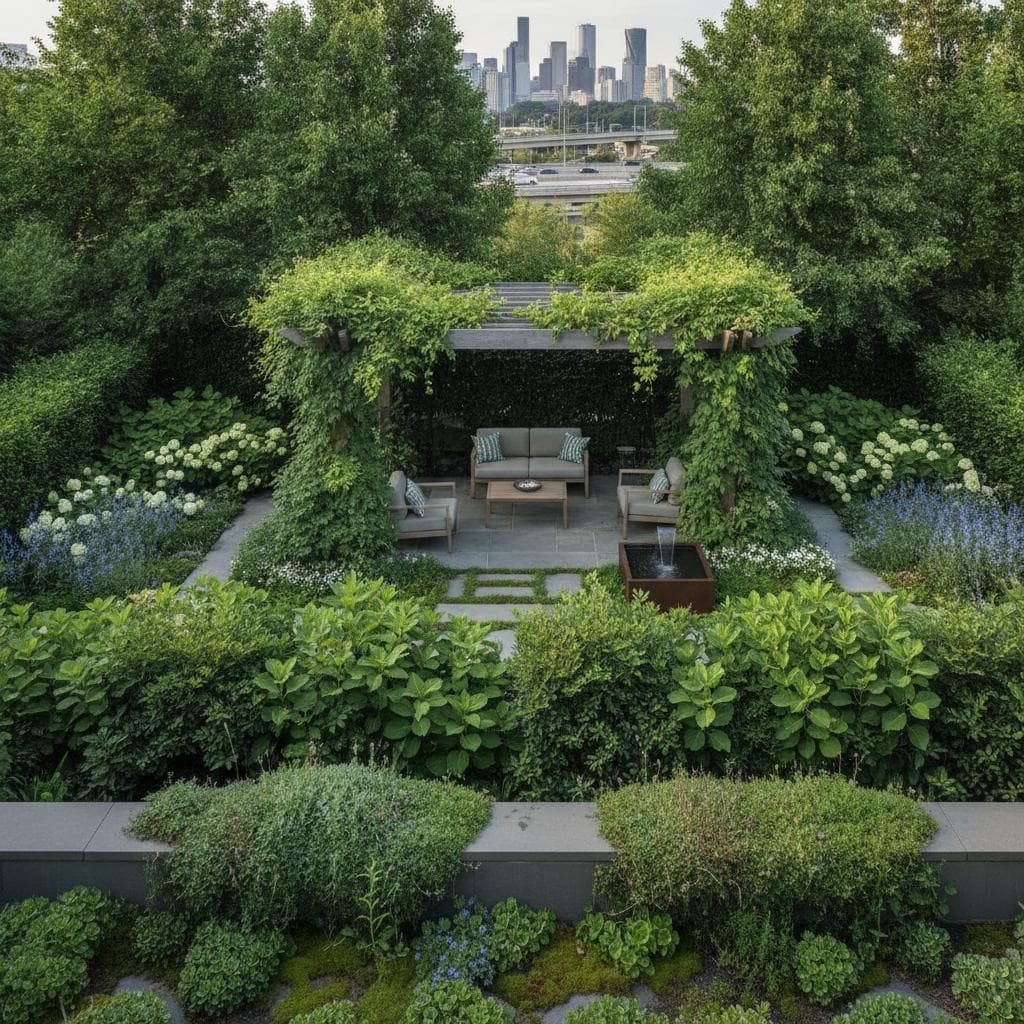
Imagine sunlight dappling through an arbor draped in grapevines, where honeybees visit blooming chives and passersby pause to eye the plump figs emerging from what was once a monotonous lawn. This scene captures the essence of an edible front yard, a space that nourishes both body and landscape.
The Drawbacks of Conventional Lawns
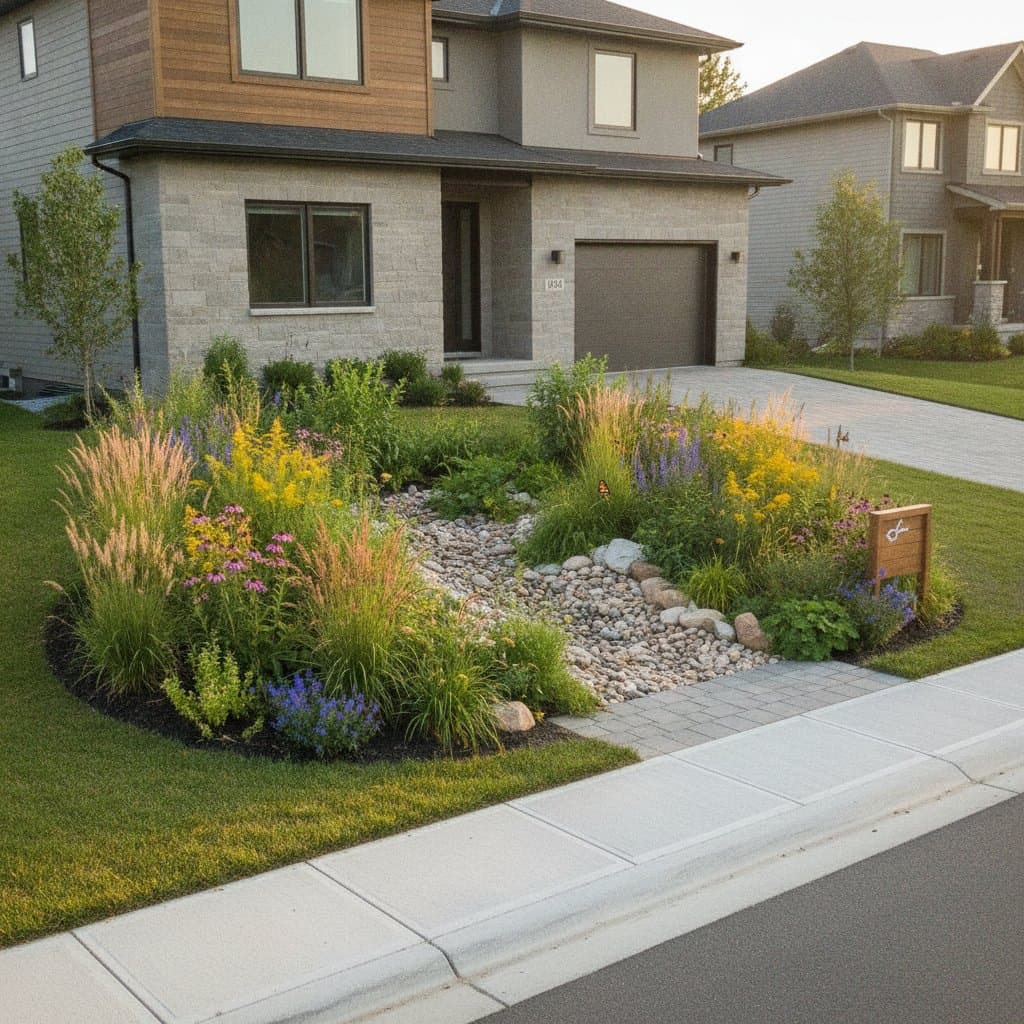
Manicured grass lawns have long represented tidy suburban ideals. However, they demand substantial resources, including thousands of gallons of water per year for an average yard and frequent applications of fertilizers that pollute local water sources.
Experts in environmental science highlight lawns as outdated practices from a time when resource abundance masked long-term costs. Today, with water shortages, escalating bills, and concerns over food supply chains, alternatives like edible gardens gain traction as smarter choices for modern living.
The Advantages of Integrating Edibles
Edible landscaping merges aesthetic design with food cultivation, placing berry bushes, nut trees, and herb borders in prominent spots rather than secluded plots. This method creates outdoor areas that function as both showpieces and pantries.
Landscape architect Marisol Vega notes that clients seek these gardens for their dual impact. "People desire a deeper bond with their meals," she states. "Harvesting ingredients from the front yard reshapes perceptions of home and nature."
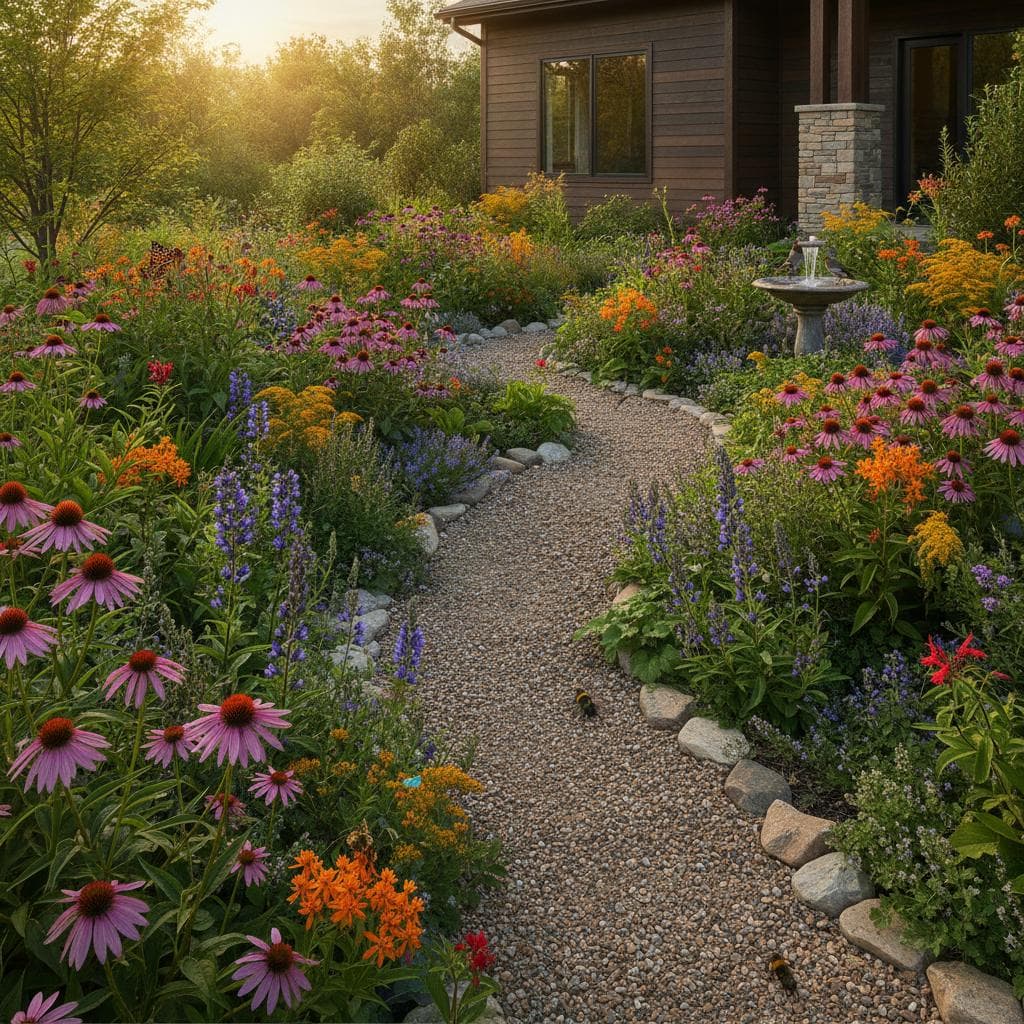
Such designs promote ecological diversity by drawing pollinators essential for crop pollination. Layers of foliage in greens, reds, and purples provide year-round interest, often surpassing the uniformity of grass in visual dynamism.
Planning Your Edible Yard
Begin the shift by evaluating your yard's conditions. Test soil pH with a simple kit from a garden supplier, aiming for 6.0 to 7.0 for most edibles. Map sun exposure: six to eight hours daily suits tomatoes and peppers, while partial shade favors spinach and mint.
Focus on layout for both form and function. Install winding paths of gravel or bark to guide visitors through the space. Opt for edging with native stones to define beds. Ground covers like creeping thyme prevent soil erosion and release aromatic scents when stepped on.
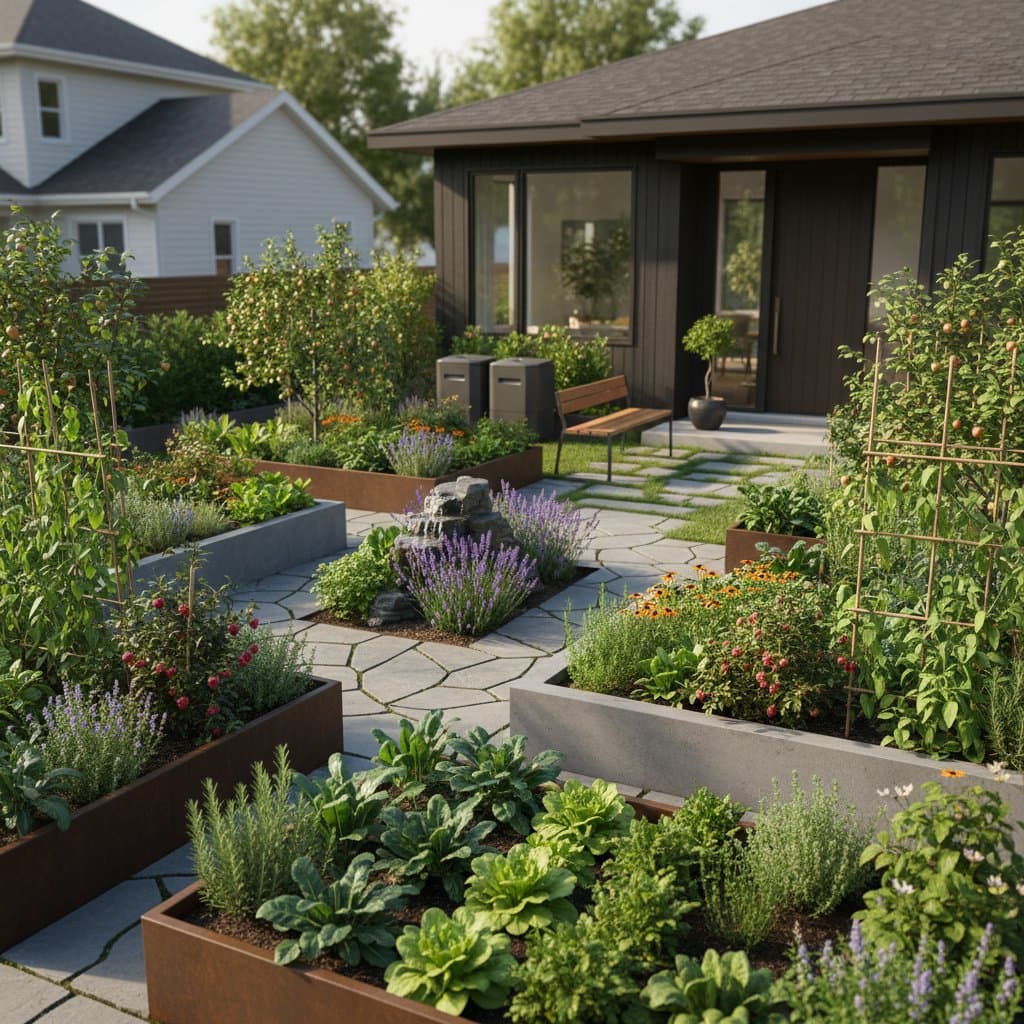
Incorporate vertical elements for efficiency. Train espaliered apples against fences for space-saving fruit production. Use mulch layers two to three inches deep from shredded leaves or straw to maintain soil moisture and deter weeds. Integrate composting bins nearby to recycle scraps into rich fertilizer.
Conserving Water and Effort
Edible gardens excel in resource efficiency. Established perennials such as lavender or raspberries need half the water of grass, especially when paired with mulching. Install soaker hoses beneath the soil surface to deliver water directly to roots, minimizing evaporation.
Shift care practices to align with natural cycles. Prune fruit trees in late winter to encourage vigorous growth, and harvest greens weekly to stimulate regrowth. Apply organic amendments like worm castings instead of synthetics, fostering soil health without runoff risks.
These changes yield a yard that requires minimal intervention yet delivers abundant returns, from baskets of herbs to shaded retreats under mature trees.
Harmonizing Aesthetics and Utility
Edible landscapes need not sacrifice style for productivity. Rainbow-hued kale serves as border plants, mimicking floral displays. Intersperse edible blooms like violas in salads with structural evergreens for year-round framework.
Garden designer Andre Collins likens these spaces to evolving artworks. "Each season unfolds a new narrative," he observes. "Spring greens yield to summer berries, then autumn squashes, all framed by persistent architecture."
Tailor the design to your vision. For contemporary minimalism, select clean-lined raised beds in corten steel filled with compact varieties like dwarf citrus. Embrace rustic charm with wildflower meadows incorporating fava beans and sunflowers. Balance always ensures the garden enhances rather than overwhelms the home.
Fostering Community Through Shared Growth
Edible front yards extend beyond individual gains to build neighborhood bonds. Residents exchange surplus zucchini for neighborly tomatoes, host seed swaps, or collaborate on communal plots. This practice educates youth on agriculture and replaces competitive lawn displays with cooperative abundance.
Local governments respond to this momentum by revising ordinances. Cities like Seattle and Portland now permit front-yard food gardens, sometimes offering rebates for water-saving conversions. These policies signal a broader embrace of resilient, community-oriented landscapes.
Steps to Launch Your Garden
Start modestly to build confidence. Select a 4-by-8-foot area for your first raised bed, filling it with soil amended by aged manure. Plant easy starters: radishes mature in 30 days, while perennial chives return annually with little fuss.
Source plants from regional nurseries to match your hardiness zone; for example, zone 5 gardeners might choose cold-tolerant rhubarb over tropical avocados. Track progress in a journal, noting watering schedules and pest observations to refine techniques over time.
Enhance accessibility with features like wide paths for wheelchairs or low benches for contemplation. As the garden matures, it becomes a testament to thoughtful stewardship, yielding not just food but a profound sense of place.
Sustaining the Harvest
Edible front yards redefine outdoor living as an active partnership with nature. They alleviate environmental pressures, secure fresh nourishment, and infuse daily life with purpose. Commit to this path, and your yard evolves into a legacy of vitality and connection.