The Rise of Edible Front Yards: A Leading Home and Garden Trend for 2026
Homeowners now prioritize landscapes that fulfill multiple roles. Edible front yards stand out as a key trend, converting traditional grass areas into functional gardens. These designs deliver visual charm and fresh produce, supporting sustainability and self-reliance.
This movement accelerates in 2026, fueled by increasing food prices and heightened environmental consciousness. Residents in urban and suburban areas adopt these gardens to craft welcoming exteriors that supply ingredients for everyday cooking. In addition to their utility, such spaces strengthen community ties through resource sharing and casual exchanges.
Key Takeaways
- Edible front yards combine decorative plants with food crops, balancing aesthetics and productivity in compact areas.
They encourage participation from family members and neighbors, with children discovering plant life cycles and adults trading advice or extra harvests.
Designs draw from international styles, including dense British hedges, heat-resistant Mediterranean arrangements, and organized French kitchen gardens, allowing for flexible adaptations.
Effective implementation depends on tailored planning, such as soil assessments, climate-suited plant choices, and gradual expansions.
Individuals in rentals or with small spaces can participate via containers, vertical gardens, or shared community areas to replicate these benefits.
Design Principles for Edible Front Yards
Successful edible landscapes preserve strong curb appeal via careful blending. Experts focus on unity between appearance and purpose, steering clear of disorganized layouts. The outcome creates a seamless extension of the home's interior.
1. Blend Ornamentals with Edibles
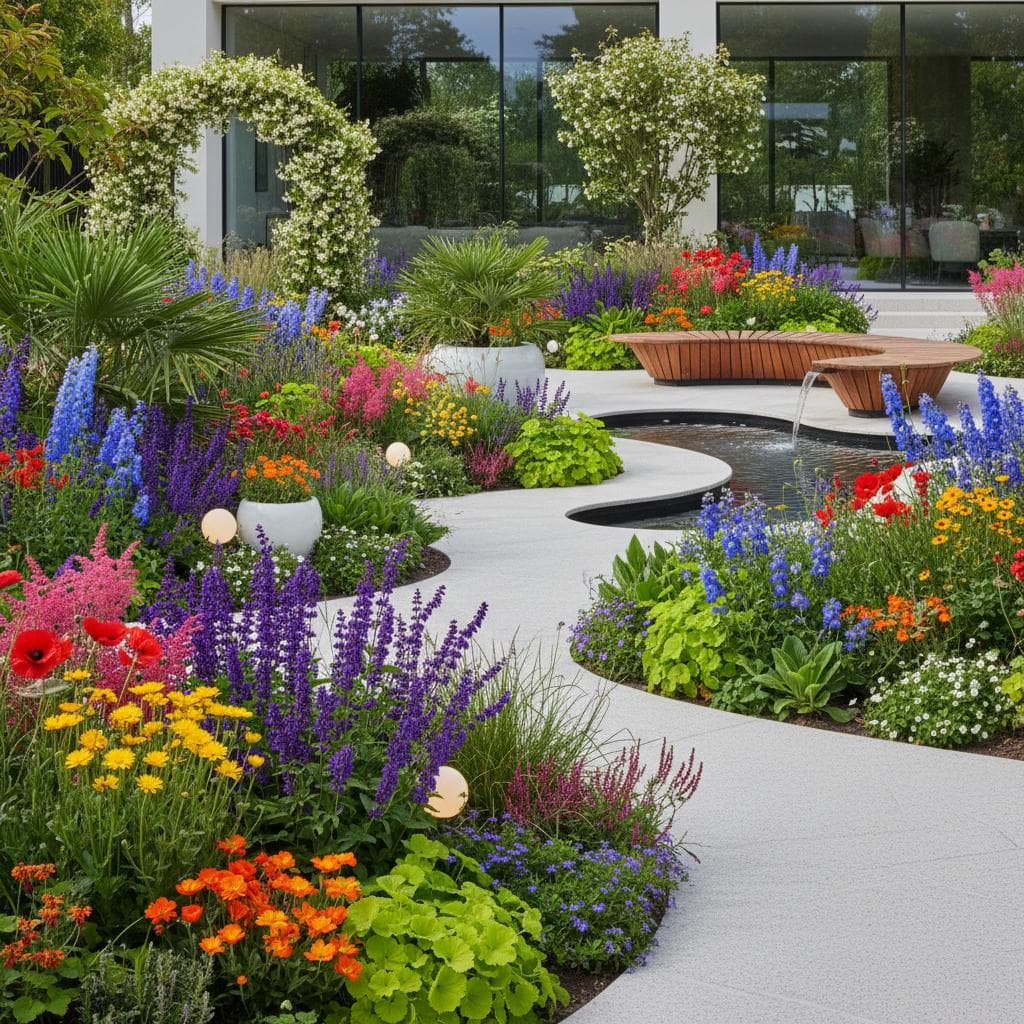
Mix vegetables, herbs, and fruits with blooming plants for equilibrium. Choose curly kale for its leafy texture that mimics decorative greens, or select colorful Swiss chard for persistent vibrancy. In Mediterranean-style setups, plant rosemary as edging that wards off pests and provides a sturdy, year-round frame for planting beds.
2. Incorporate Structural Elements
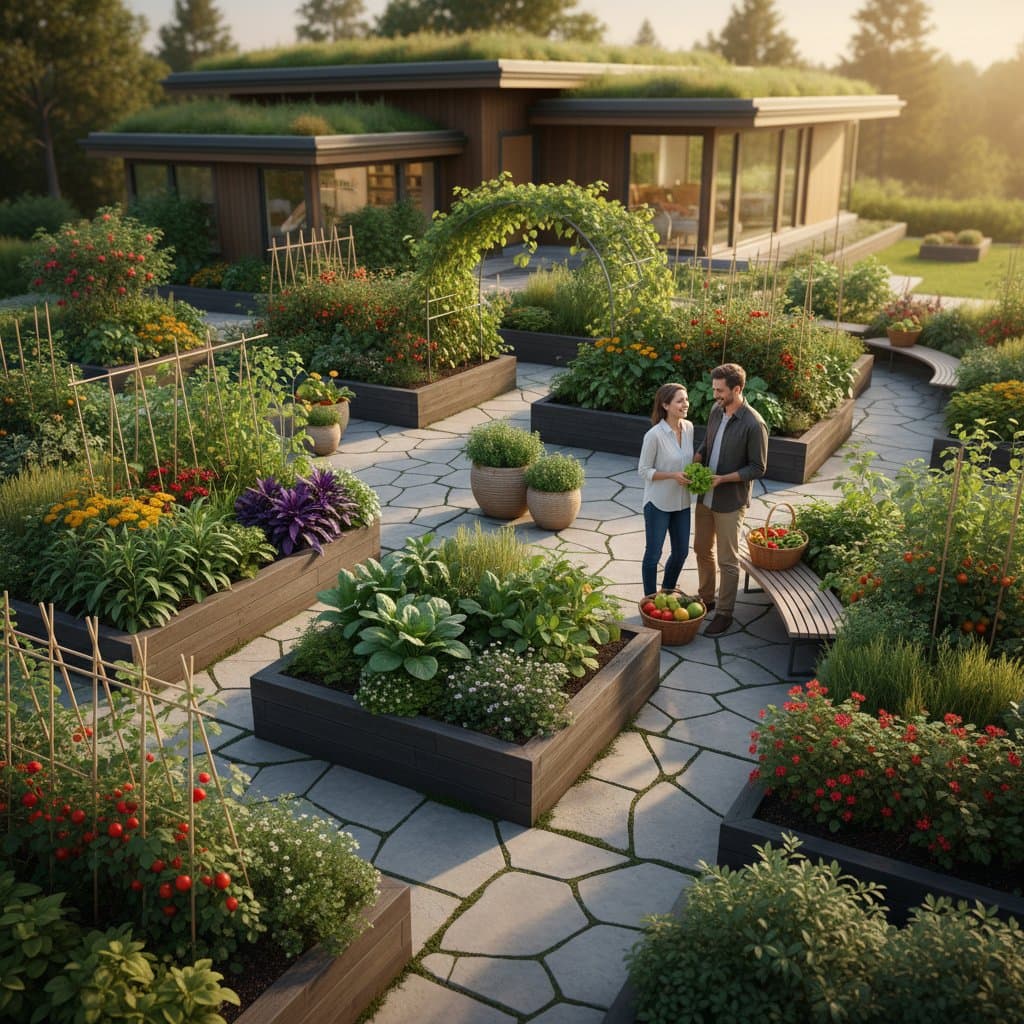
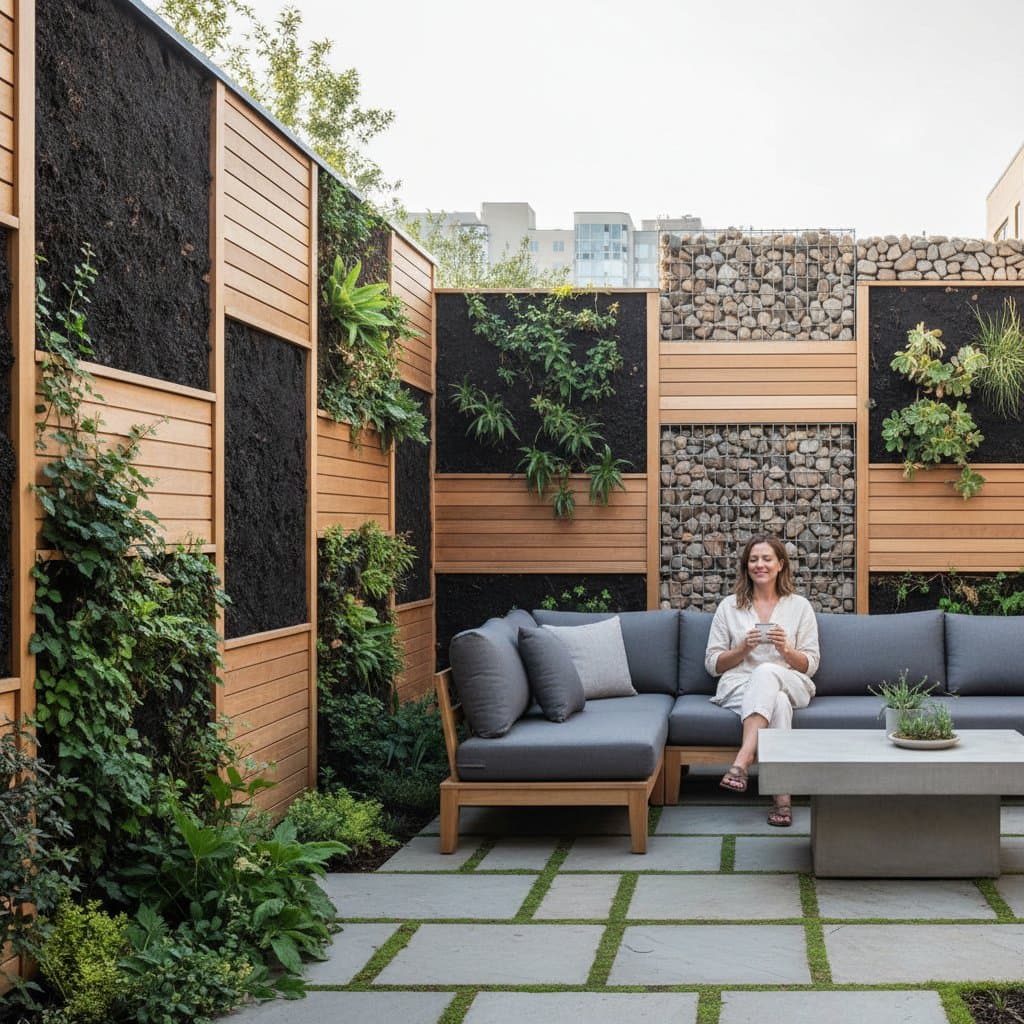
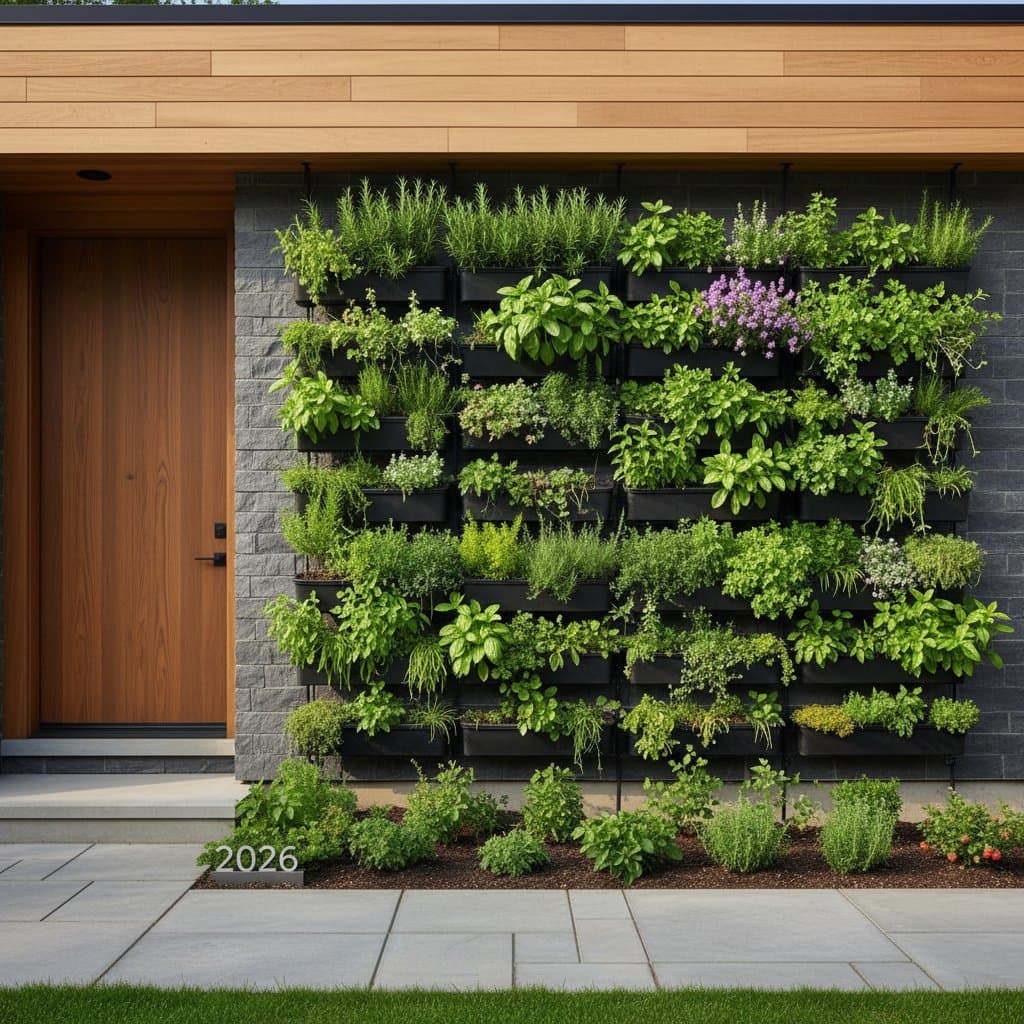
Use raised beds to outline sections and improve soil conditions, with trellises holding climbers such as peas or grapes. These additions create layers and avoid congestion. In city environments, attach planters to walls to turn plain barriers into useful greenery, utilizing height without blocking paths.
3. Plan for Seasonal Succession
Pick plants that yield continuously and maintain visual allure. Start with spring lettuces that give way to summer zucchini, then shift to fall kale. Include edible blooms like violas or borage to brighten salads and edges, keeping the garden lively even into cooler months.
4. Prioritize Accessibility and Visual Order
Add gravel walkways or stone borders to direct foot traffic and control spreading plants. These elements curb soil erosion and promote a refined appearance. Garden designer Javier Montoya states, "An edible front yard should feel like a living landscape, not a farm. Balance practical planting with design discipline for the best results."
Practical Steps to Create an Edible Front Yard
Tackle the project systematically to gain assurance and prevent frustration. Start with assessment, advance to execution, and continue with maintenance. This structured approach benefits novices and seasoned gardeners.
Step 1: Evaluate Your Site
Track sunlight patterns throughout a day, identifying full-sun spots for tomatoes or peppers and shaded zones for leafy greens. Assess drainage by watching water movement post-rainfall; build up low areas with raised beds if drainage proves poor. Review municipal regulations to confirm front-yard planting aligns with local codes.
Step 2: Optimize Soil Health
Perform a simple soil test using a kit to measure pH and nutrient levels, targeting 6.0 to 7.0 for neutrality. Add well-rotted compost or worm castings to enhance richness organically. Landscape architect Priya Shah advises, "Treat soil like a living system. The better you feed it, the more it gives back."
Step 3: Scale Your Start
Begin with one 4-by-4-foot bed focused on straightforward crops like lettuce and radishes. Place it close to the front door for easy access and prominence. This initial effort uncovers personal tastes prior to broader development.
Step 4: Harmonize with Existing Features
Match plant hues to house elements, pairing red salvia with brick walls or blue-toned hydrangeas against siding. Arrange plants in odd clusters of three or five for organic rhythm. Employ symmetry beside walkways to suggest elegance without stiffness.
Step 5: Select Low-Maintenance Options
Choose perennials such as rhubarb or asparagus that root deeply and produce year after year. Combine them with annuals needing little care, including bush beans. Cover soil with straw mulch to block weeds and hold water, cutting down on routine labor.
Step 6: Engage Household Members
Distribute tasks according to preferences, assigning seed sowing to children or trimming to older family members. Maintain a communal log to record advancements and mark achievements. Such participation makes the garden a central family hub, igniting talks on healthy eating and nature.
Social and Environmental Advantages
Edible front yards benefit more than just the owner; they nurture group harmony. Neighbors frequently form networks to swap surplus, trading ripe tomatoes for jars of preserves. These exchanges breathe new life into subdued neighborhoods, cultivating mutual responsibility.
Environmentally, these gardens save water, requiring up to 50 percent less than turf grass, and bypass chemical fertilizers. They attract pollinators with flowering herbs and provide food for birds via berry bushes. Eco-gardening expert Rachel Lin comments, "Every front yard that grows food is a small act of resilience. It is about feeding people, not just the soil."
Adapting and Sustaining Your Edible Landscape
Mature gardens change alongside weather and routines, demanding regular tweaks. Trim excessive growth in spring and renew mulch each year to keep yields strong. Scout for insects and apply organic solutions like neem oil when necessary.
Real-life examples show versatility: pots work for those who relocate often, while trained apple trees suit slim properties. As time passes, the area adapts to shifts, from installing safe edges for kids to integrating water-wise local plants. Ongoing evaluation keeps the garden rewarding and sustaining.
Resources for Ongoing Success
Reach out to nearby agricultural extensions for tailored guidance on crop types and schedules. Participate in digital communities to share designs and solve challenges. Through steady attention, your edible front yard evolves into a lasting asset, merging purpose with the appeal of a nurtured residence.