Transforming Lawns into Edible Food Forests for Enhanced Curb Appeal
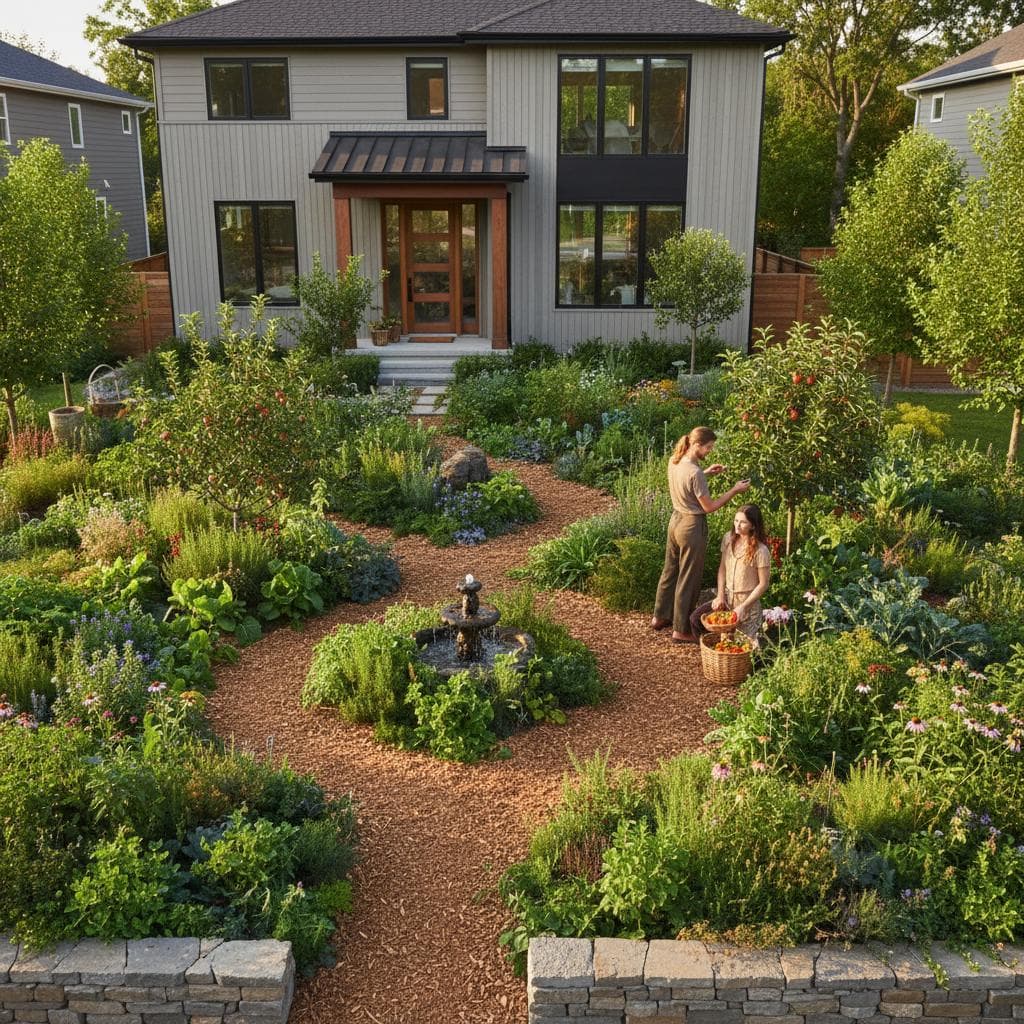
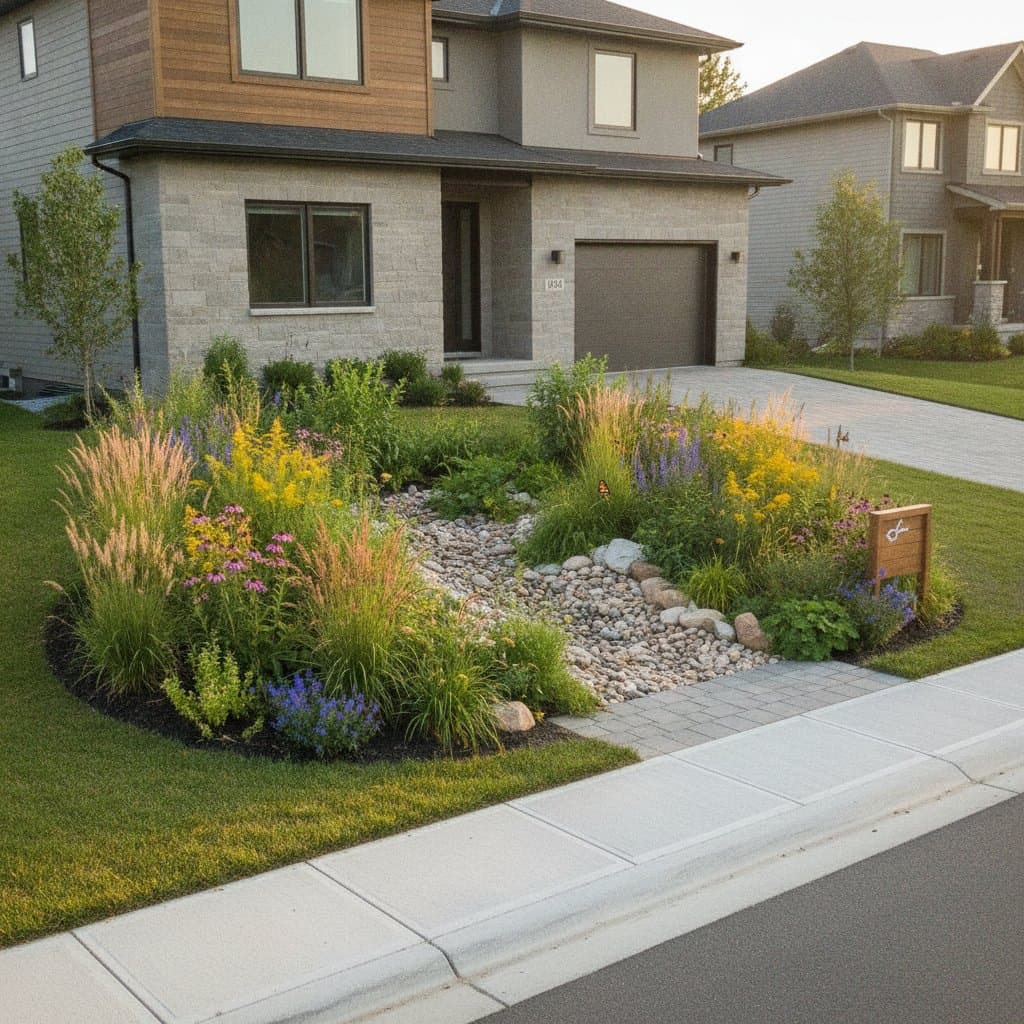
Homeowners increasingly replace manicured lawns with productive edible landscapes. These food forests integrate fruit trees, herbs, flowers, and pollinator plants to create front yards that combine aesthetic appeal with practical benefits. This approach yields curb appeal that sustains households while supporting environmental health.
Starting requires minimal space or advanced skills, only thoughtful planning and a vision for a dynamic yard.
Benefits of Adopting Food Forest Designs in Front Yards
Conventional lawns demand frequent mowing, watering, and fertilizing with scant returns. Food forests reverse this dynamic by offering reduced maintenance, greater resilience, and tangible rewards once established.
Landscape designer Tanya Ruiz of Green Nest Studio states, "People want yards that work harder. A food forest looks natural and wild, but every plant has a purpose. Some feed you, others feed the soil or attract pollinators. Together they create a living system."
Building Layers for a Balanced Food Forest
Effective food forests mimic natural woodlands through layered planting. Each tier contributes to the ecosystem, from towering trees to low-lying covers that retain soil moisture and suppress weeds.
The seven primary layers consist of:
- Canopy layer: Fruit or nut trees such as apple, pear, or chestnut provide overarching shade and primary yields.
- Understory layer: Dwarf varieties like fig or pomegranate fill mid-level spaces with additional harvests.
- Shrub layer: Berry producers including blueberry, currant, or elderberry offer accessible picking heights.
- Herbaceous layer: Perennials like chives, oregano, or rhubarb supply ongoing culinary and medicinal resources.
- Groundcover layer: Low growers such as strawberries, creeping thyme, or sweet alyssum prevent erosion and add subtle edibles.
- Root layer: Underground crops like garlic, carrots, or Jerusalem artichokes utilize deeper soil zones.
- Climber layer: Vines including grapes or beans ascend structures like fences or trellises to maximize vertical space.
Begin with two or three layers to build confidence. Designer Mark Linton of Urban Roots Collective recommends, "Start with one fruit tree and a few supporting plants. As you learn how they grow together, expand outward. The key is to think in relationships rather than rows."
Maintaining Order in a Natural Setting
Homeowners often worry about achieving a tidy appearance in food forests. Structured elements ensure the design remains polished without sacrificing its organic charm.
Incorporate these strategies:
- Install borders using stone, metal edging, or low fencing to outline planting areas clearly.
- Apply repetition in colors or species, such as grouping three blueberry shrubs, to foster visual harmony.
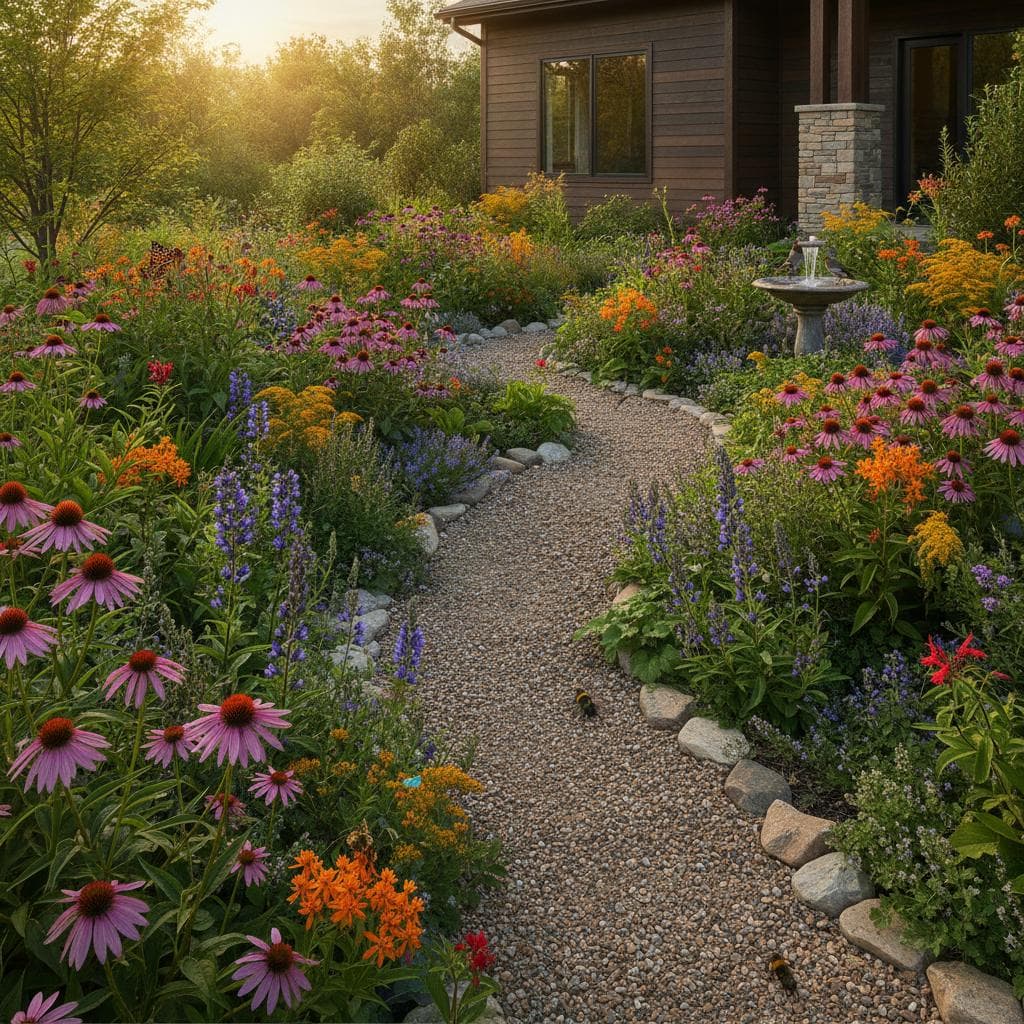
- Lay pathways with gravel or wood chips to guide movement and define the layout.
- Preserve clear sight lines along the front walk and street for safety and neatness.
This balance of form and abundance renders the yard welcoming and intentional.
Selecting Climate-Appropriate Edible Plants
Regional conditions dictate plant viability, so select species that align with local climate and soil. Prioritize hardy, high-yield options to ensure long-term success.
In full sun, cultivate figs, rosemary, or strawberries for robust growth. Shaded spots accommodate currants, mint, or leafy greens effectively. Incorporate native edibles like berry bushes or nut trees to support local wildlife and minimize upkeep.
For compact areas, employ vertical techniques. Erect trellises for climbing beans or train fruit trees in espalier form against fences. This method optimizes space while simplifying management.
Crafting Designs That Prioritize Visual Appeal
Front yard food forests enhance beauty through deliberate choices in texture, color, and seasonal variation. Combine glossy leaves with silvery herbs, and introduce blooms from echinacea or calendula for vibrant accents. Edibles like artichokes or kale serve dual roles as both food sources and decorative elements.
Maintain cohesion by echoing materials and hues across the space. Position galvanized or terracotta containers for herbs and greens to unify the composition and expand growing options.
Strategic lighting amplifies evening allure. Place low-level fixtures along paths to illuminate features and extend the garden's presence into the night.
Implementing Sustainable Maintenance Practices
Food forests require less intervention than lawns, yet consistent care sustains vitality. Apply mulch seasonally to control weeds and retain water. Prune trees annually to promote shape and fruiting. Harvest promptly to encourage plant health and continuous production.
Designer Jasmine Cole of Rooted Living Landscapes suggests, "Treat maintenance as observation time. A few minutes walking through your yard each morning helps you notice what is thriving and what needs adjustment. It turns care into connection."
Integrate composting by returning kitchen waste to the soil, thereby recycling nutrients and reinforcing the ecosystem's self-sufficiency.
Embracing the Ongoing Rewards of Edible Landscapes
A food forest reshapes daily life at home by fostering awareness of natural cycles. Observe the progression of growth, inhale the aromas of passing herbs, and witness pollinators on blooming vines. The front yard evolves from a mere visual asset into a source of ongoing engagement.
Each harvest reinforces the harmony of aesthetics and utility. From modest herb gatherings to abundant yields, these designs contribute to broader community trends toward sustainability. Envision your yard not only as an exterior feature but as a productive partner in daily living.
Through deliberate design and consistent nurturing, curb appeal becomes a nourishing reality for both sight and sustenance.