Mycelium Insulation: Pioneering Sustainable Home Construction
Sustainable building materials continue to evolve, with mycelium insulation emerging as a standout innovation. Homeowners and architects increasingly turn to this biodegradable option as a replacement for synthetic foams and fiberglass. Derived from fungal networks, it combines biological growth with structural integrity to enhance home efficiency and environmental health.
This material extends beyond basic insulation duties. It enables the creation of tailored panels that fit unique architectural needs. For those pursuing meaningful green renovations, mycelium presents a compelling path forward.
Understanding Mycelium Insulation
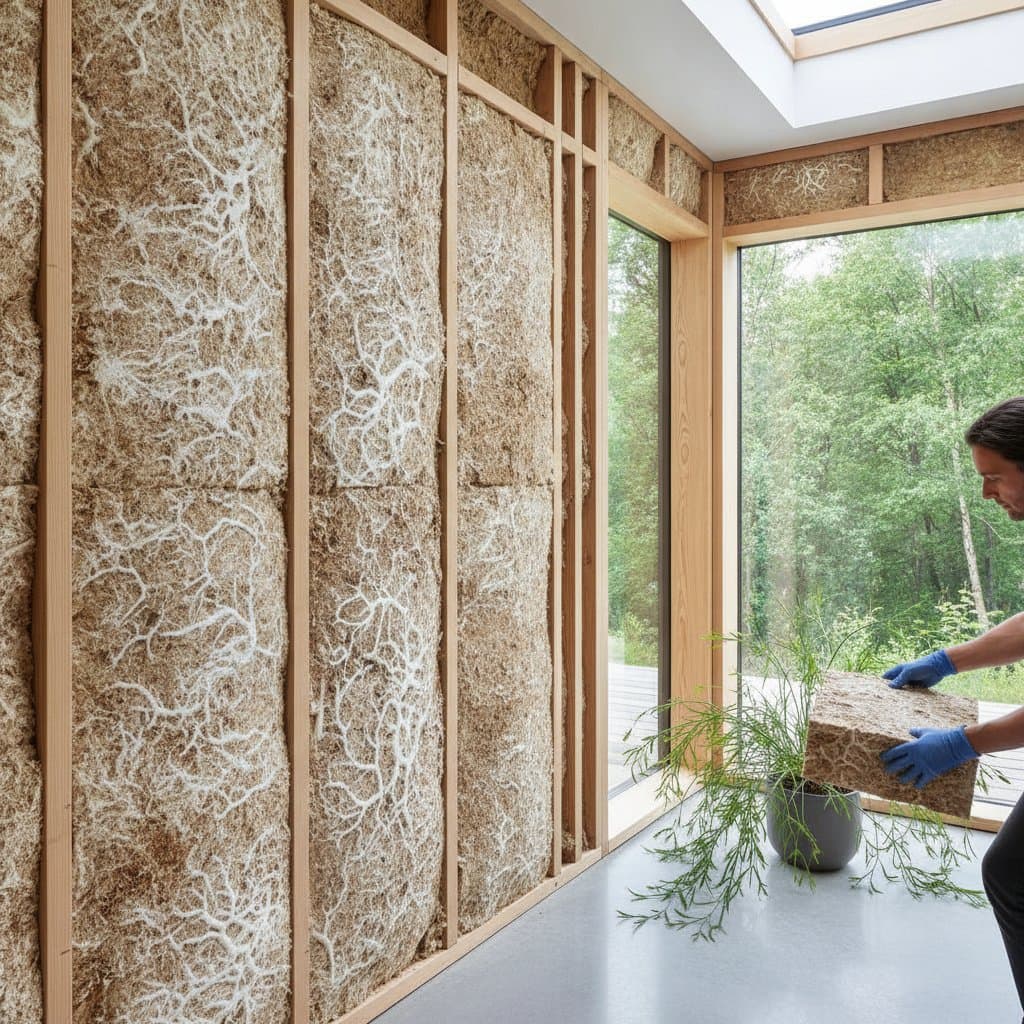
Mycelium forms the underground root system of mushrooms, serving as the foundation for this insulation. Producers mix it with substrates such as hemp hurds, straw, or corn stalks, then allow it to expand within custom molds over several days. The resulting structure dries into a rigid, lightweight foam that withstands compression and maintains shape.
Key Reasons for Adoption in Homes
Effective insulation influences energy costs, comfort levels, and overall home performance. Mycelium achieves insulation through its porous network, which captures air pockets to form a thermal break. This mechanism stabilizes indoor temperatures year-round, much like established options such as mineral wool or cellulose.
Laboratory evaluations confirm its R-value, a measure of thermal resistance, aligns closely with conventional materials. At the end of its service life, it decomposes harmlessly rather than persisting in landfills. Home energy consultant Mark Rivera observes, “Homeowners are asking for materials that match their values. Mycelium insulation fits that mindset perfectly. It’s sustainable, healthy, and it performs well in everyday use.”
These attributes appeal to environmentally aware individuals. By selecting mycelium, residents contribute to lower emissions while enjoying reliable daily functionality.
Installation Methods and Best Practices
Mycelium insulation arrives in formats suited to various applications, including pre-molded panels, loose-fill granules, or sprayable mixtures. For panel installation, measure the space between wall studs or ceiling joists, then cut panels to fit using standard tools like a utility knife. Secure them in place with minimal fasteners, ensuring edges align to prevent gaps.
Loose-fill versions require blowing equipment to distribute evenly in attics or cavities, aiming for a consistent depth of four to six inches based on desired R-value. Unlike fiberglass, handling mycelium avoids skin irritation, simplifying the process for DIY enthusiasts. However, professionals advise sealing installations against moisture ingress with vapor barriers and caulking around penetrations.
For optimal results, test for air leaks post-installation using a blower door assessment. This step confirms the system's integrity. In smaller projects, such as custom furniture or room dividers, home growers can use starter kits to cultivate pieces, providing hands-on insight before larger commitments.
Integrating Mycelium into Interior Design
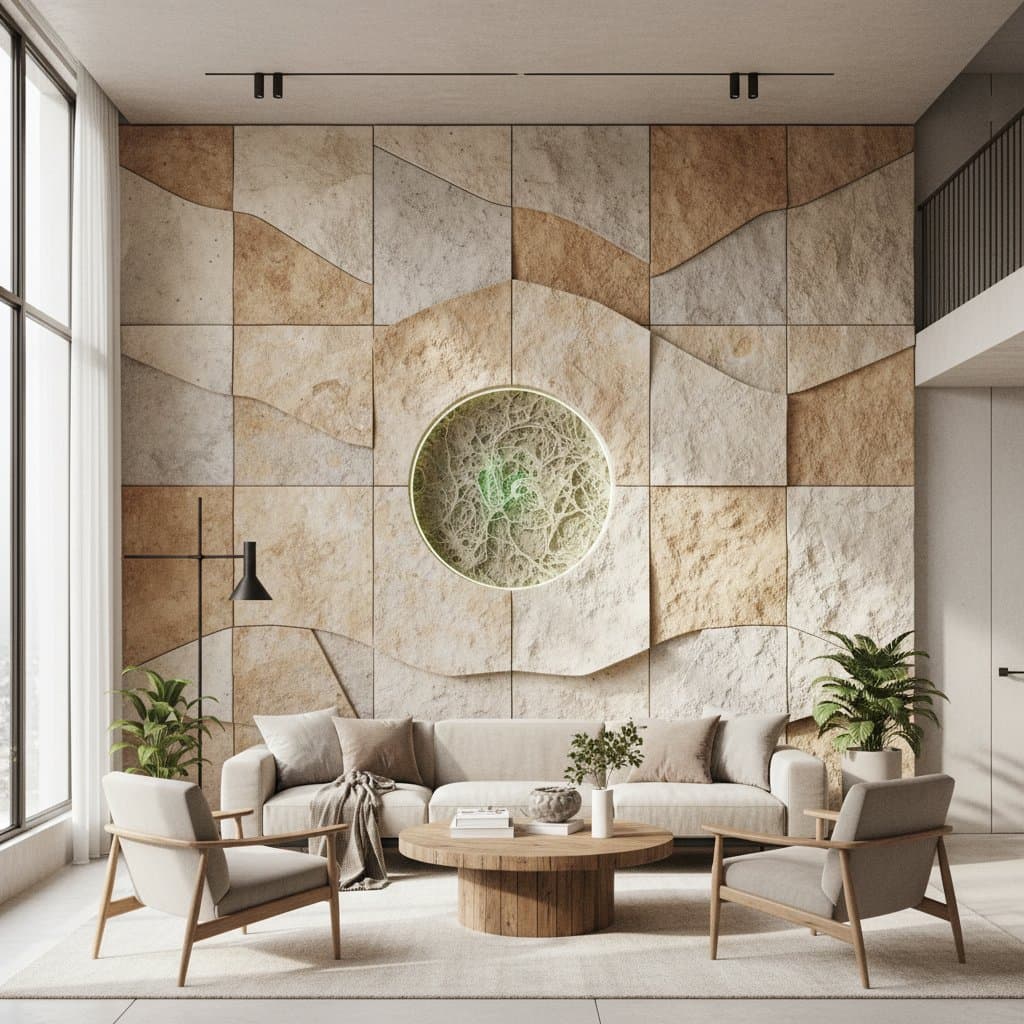
Mycelium's visual characteristics enhance its practical role. Unfinished surfaces reveal a matte, earthy tone with irregular, organic textures that evoke natural elements. Architects expose these panels in feature walls or as ceiling accents to infuse spaces with subtle texture.
Interior designer Leah Porter of Studio Habitat comments, “There’s a quiet elegance to it. You can see the life that created it, which adds warmth to modern spaces. It’s an honest material, and people respond to that.”
This authenticity complements materials like reclaimed wood or lime-based plasters. Designers layer it in biophilic schemes, where living-inspired elements promote well-being. Such applications allow mycelium to serve dual purposes, combining insulation with aesthetic enhancement across residential styles from minimalist to rustic.
Navigating Costs and Sourcing Options
Initial expenses for mycelium insulation exceed those of standard fiberglass by 20 to 50 percent, depending on project scale and supplier. Factors include custom molding and smaller production volumes. Yet, energy savings often offset this premium within three to five years through reduced heating and cooling demands.
Sourcing involves partnering with niche manufacturers or bio-material distributors, as mainstream retailers carry limited stock. Lead times for custom orders range from two to six weeks. To manage budgets, prioritize high-impact areas like exterior walls, where thermal gains prove most significant.
For introductory use, select mycelium for targeted applications such as acoustic panels in home offices or insulating garage doors. These pilots deliver benefits without extensive investment, building confidence for broader adoption.
Health and Ecological Advantages
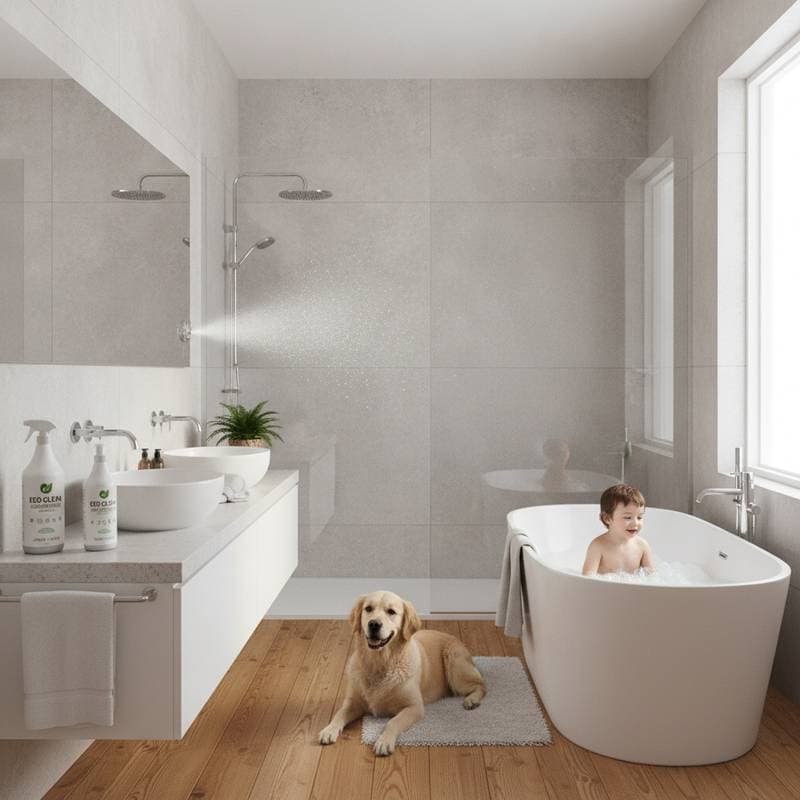
Conventional insulations frequently release volatile organic compounds, including formaldehyde, which compromise air quality. Mycelium avoids such issues entirely, consisting of organic matter free from synthetic additives. It moderates humidity levels to prevent condensation and naturally deters mold growth through antifungal properties inherent to fungi.
Environmental scientist Dr. Nina Ellis states, “Mycelium is carbon-negative during growth, which means it actually absorbs carbon as it develops. Few building materials can claim that.”
Fire resistance adds another layer of safety, with the material charring rather than igniting rapidly. These traits foster healthier homes, particularly for occupants with respiratory sensitivities. On a broader scale, widespread use could divert agricultural waste from landfills while sequestering atmospheric carbon.
Advancing Your Home with Mycelium
After installation, mycelium operates seamlessly, demanding no special upkeep beyond routine home maintenance. It sustains thermal comfort across seasons, quietly supporting efficiency goals. The assurance of using a regenerative resource elevates the living experience, aligning daily routines with planetary stewardship.
Sustainable choices accumulate impact through deliberate selections. Mycelium insulation exemplifies how innovation bridges performance and ethics. Consider it for your next project, whether a modest refresh or comprehensive overhaul, to embody forward-thinking habitation.