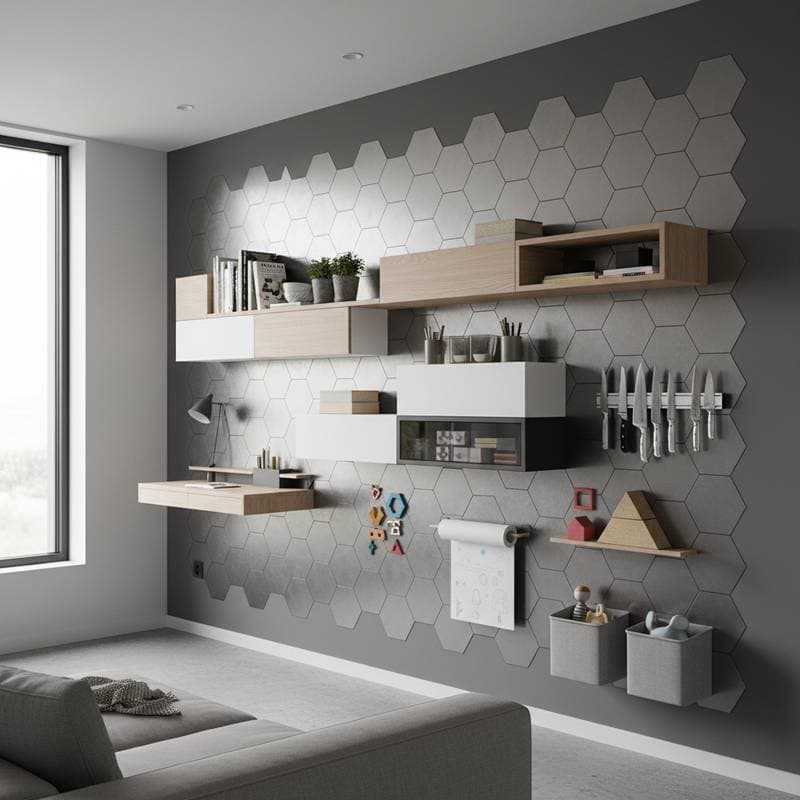
- Long-Term Value: These walls adjust to changing family demands, proving ideal for home offices, workshops, kitchens, and playrooms.
Understanding Magnetic Walls
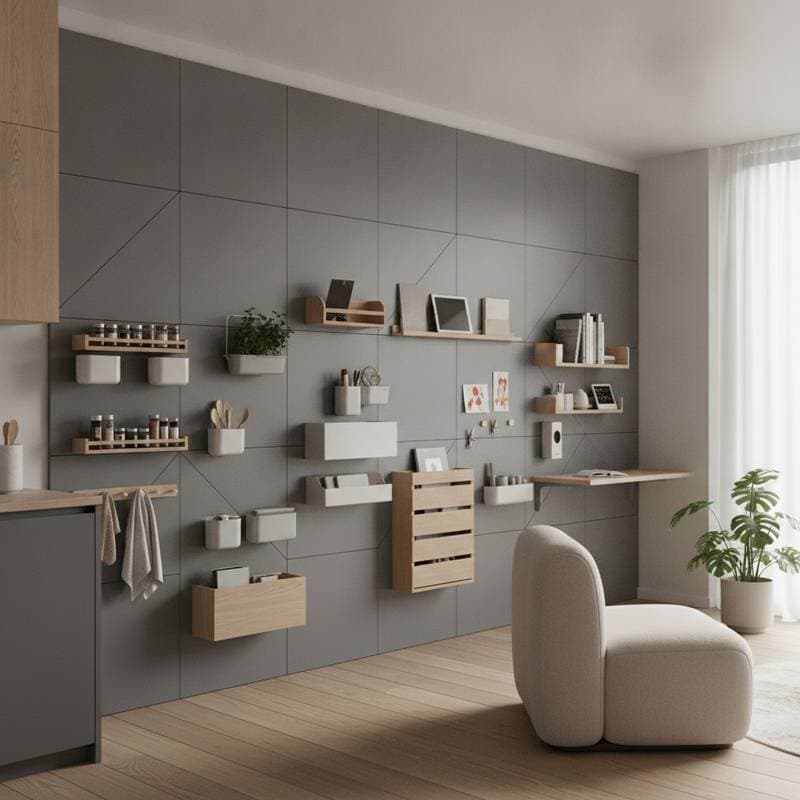
Magnetic walls convert everyday vertical surfaces into multifunctional zones for storage, organization, and display. The principle involves applying a ferrous base layer or installing magnetic boards to enable attachment of accessories like hooks, shelves, bins, and tool racks.
This method aligns with principles of efficient, versatile living. Homeowners gain the ability to rearrange configurations without creating new holes or locking into fixed designs. Applications span clutter control in kitchens, tool management in workshops, and modular setups in offices, empowering full command over spatial arrangements.
Project Overview
- Working Time: 3 to 5 hours for a medium-sized wall
Total Time: One full day, accounting for drying or curing periods
Skill Level: Intermediate
Estimated Cost: $120 to $400, based on selected materials and add-ons
Deciding Between DIY and Professional Installation
Most assured DIY enthusiasts can tackle magnetic wall projects. The primary hurdle involves thorough surface preparation to achieve a smooth, clean, and well-primed base. Professional input becomes advisable for mounting substantial shelves or incorporating boards into cabinetry or masonry structures.
Standard tools handle drywall or plaster installations effectively. Metal sheets or custom panels may demand expertise in cutting and securing hardware for stability. When doubts arise regarding load capacity or proximity to electrical elements, engage a licensed contractor to prevent wall damage or safety risks.
Required Materials and Tools
Materials:
- Magnetic primer or ferrous paint for adaptable surfaces
- Topcoat paint in a chosen shade (optional)
- Magnetic panels or steel sheets for enhanced durability
- Screws or mounting hardware for panel use
- Painter's tape and drop cloths
- Optional: Magnetic accessories including hooks, ledges, baskets, and tool holders
Tools:
- Paint roller or sprayer for primer and topcoat application
- Level and measuring tape
- Stud finder
- Screwdriver or drill for panel securing
- Sanding block or fine-grit sandpaper
- Cleaning cloths and mild detergent
Step-by-Step Installation Guide
1. Assess and Prepare the Wall
Begin by ensuring a clean, even surface. Eliminate dirt, grease, or residual adhesives. Sand glossy areas lightly to promote adhesion of the magnetic primer, then patch imperfections and verify the wall remains level and dry.
Surface readiness directly influences magnetic performance in paint-based systems. Irregular textures diminish magnet contact and overall holding power.
2. Apply Magnetic Primer
Mix the primer well to distribute iron particles evenly. Optimal results require three to four coats, with full drying between each. Additional layers enhance magnetic strength.
Employ a short-nap roller for a uniform application. Sprayers offer even coverage, though rollers yield satisfactory outcomes with careful technique. Allow complete curing of the last coat, then verify strength using a test magnet.
3. Add Topcoat (Optional)
For a tinted finish, select latex or acrylic paint. Steer clear of oil-based varieties, as they weaken magnetic properties. Two light coats generally ensure balanced coverage.
In creative areas like children's rooms or offices, integrate magnetic primer with chalkboard or whiteboard paints. Such combinations support writing alongside magnetic uses on one surface.
4. Install Magnetic Panels (Alternative Approach)
Opt for steel sheets or ready-made panels when seeking superior magnetism or an industrial aesthetic. Secure them to wall studs or use anchors for firm attachment.
Outline stud positions with a pencil and align using a level. Fasten panels along edges with screws, then conceal seams or gaps using trim for a polished look. This option incurs higher costs yet supports demanding applications like tool storage or kitchen implements.
5. Incorporate Magnetic Accessories
With the wall prepared, attach suitable accessories. Select pieces aligned with your environment and routines. Baskets suit mail or supplies, hooks manage keys or utensils, and shelves accommodate books or decor.
The system's modular design permits effortless repositioning as requirements shift or spaces reorganize.
Ensuring Quality and Optimal Performance
- Test Magnet Strength: Employ a neodymium magnet to evaluate the surface prior to adding weighty items.
- Maintain Layer Uniformity: Distribute primer consistently to prevent vulnerabilities. Extra coats boost hold but may introduce texture, requiring careful calibration.
- Protect from Moisture: High humidity risks peeling paint or rust on steel. Apply protective coatings in vulnerable zones.
- Choose Durable Magnets: Inferior options fail under load. Prioritize rare-earth types for substantial accessories.
- Secure Heavy Items: Supplement magnetic adhesion with mechanical anchors for tools or shelves to uphold safety.
Managing Budget Effectively
Magnetic walls accommodate diverse financial plans. Primer applications represent the economical choice for lighter tasks, often totaling under $200 for modest areas.
Steel panels elevate strength and aesthetics at added expense, justifying investment for intensive shelving or accessories. Focus on premium magnets and components over bulk low-end purchases for superior longevity and performance.
Home Applications
Kitchen Command Center
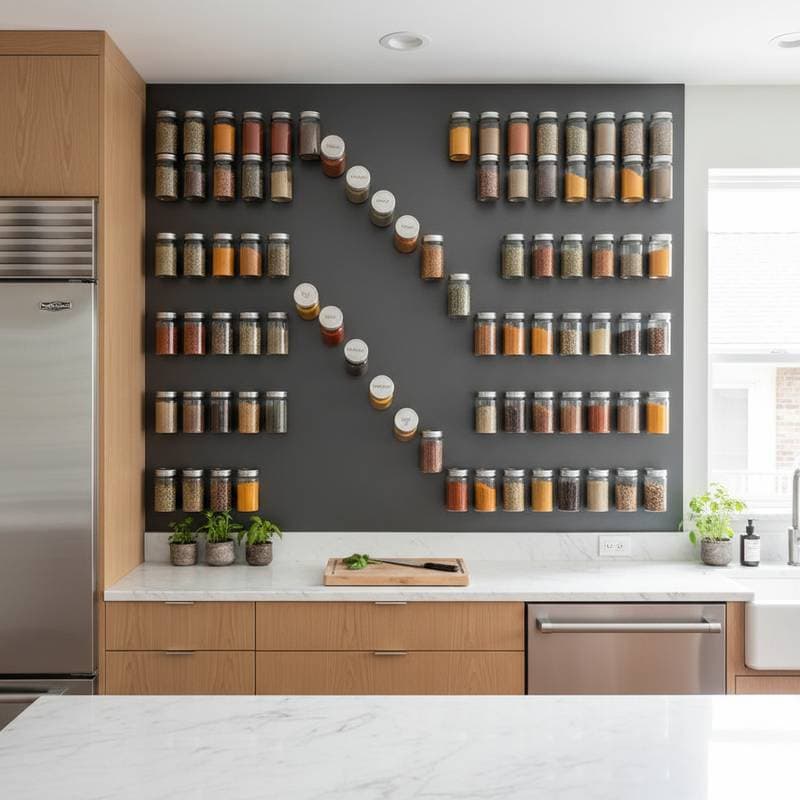
Designate a kitchen wall segment as a central hub. Secure canisters for spices, affix recipe cards, or install a calendar whiteboard. Magnetic knife strips liberate counter areas.
Such arrangements streamline cooking tasks and maintain visibility for essentials without drawer overload.
Home Office Organizer
In office settings, magnetic walls facilitate storage for papers, implements, and gadgets. Suspend baskets, clipboards, or mini-shelves for notes and devices.
Shared workspaces benefit from personalized zones, with simple reconfiguration at task's end.
Workshop and Garage Storage
Magnetic walls excel in utilitarian spaces. Affix steel behind workbenches to organize tools, bits, and tapes. Systems accommodate varied shapes with rapid adjustments, surpassing pegboard versatility.
Visibility and accessibility remain paramount for efficient operations.
Kids' Activity Wall
In playrooms or study zones, blend magnetic primer with chalkboard paint for interactive zones. Incorporate letter magnets, puzzles, and bins for materials.
Modularity supports evolution from toys to educational or craft elements as children mature.
Entryway Organization
Position a magnetic wall by entrances to store keys, mail, umbrellas, and shoe shelves. This fosters swift access and curbs disorder.
Adaptations follow furniture shifts seamlessly.
Maintenance and Upkeep Strategies
These walls demand minimal care. Clean routinely with a soft cloth and gentle solution, avoiding abrasives that damage finishes.
For metal panels, monitor chips or rust, applying matching paint or inhibitors promptly. Refresh painted surfaces with topcoats periodically to preserve appearance and utility.
Replace weakened magnets or worn accessories with robust alternatives. Upgrades occur piecemeal, avoiding full reinstallations.
Resolving Typical Challenges
- Weak Magnetic Hold: Apply additional primer coats or upgrade to potent magnets. Sand and recoat if topcoats interfere.
- Uneven Surface: Smooth protrusions and repaint. Inconsistent layers lead to slippage.
- Peeling Paint: Confirm prior cleaning and priming. Select humidity-resistant formulas in moist settings.
- Rust on Metal Panels: Prime with rust barriers pre-installation, particularly in garages or kitchens.
Prompt resolutions sustain aesthetics and efficacy.
Advanced Techniques for Enhanced Results
- Pre-Application Planning: Sketch accessory placements to gauge material quantities accurately.
- Hybrid Integrations: Merge with pegboards, shelves, or cabinets for comprehensive storage.
- Edge Finishing: Use wood or aluminum trim on panels for refined edges.
- Zone Labeling: Mark sections in offices or workshops for streamlined retrieval.
Experiment with tinted primers or specialty finishes to infuse unique design elements. These walls not only organize but inspire ongoing spatial innovation, yielding sustained home harmony.