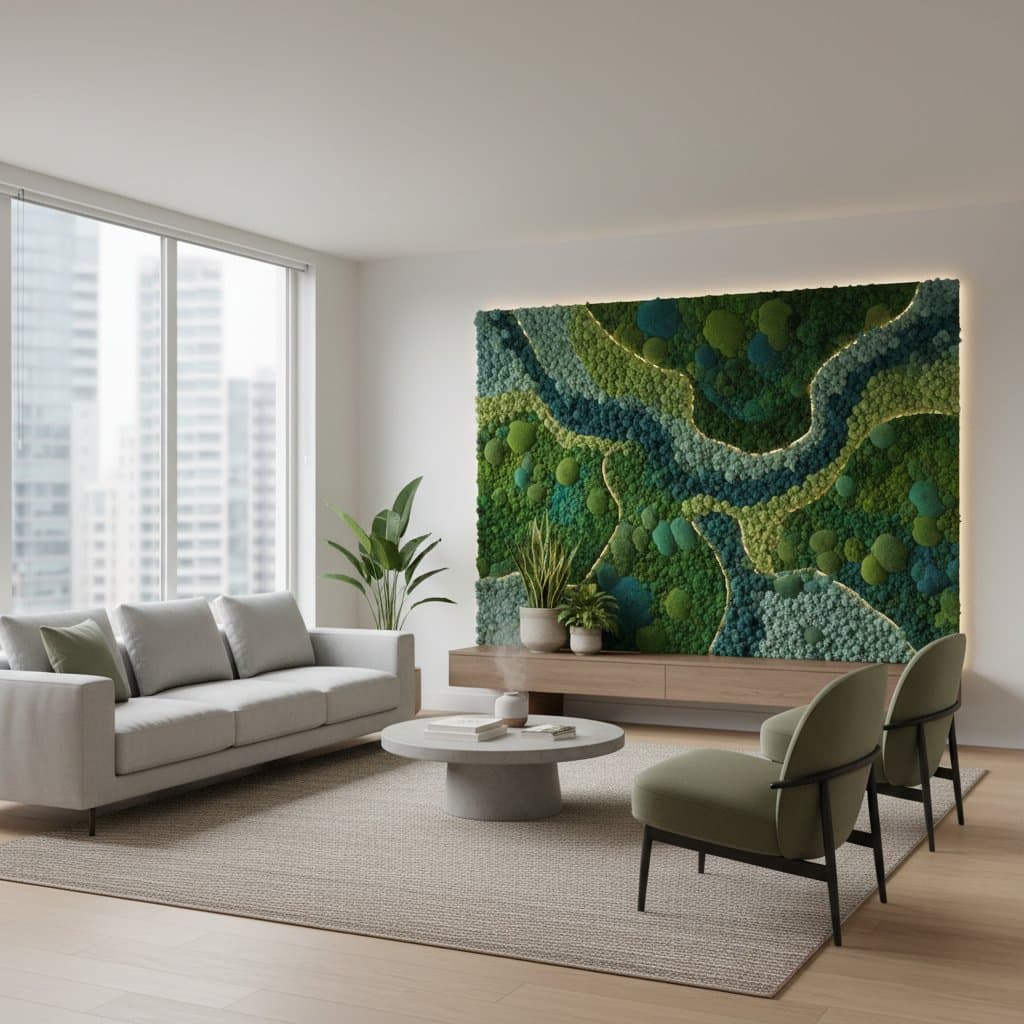
Mycelium Insulation: Revolutionizing Eco-Home Repairs
Mycelium insulation emerges as a groundbreaking choice for homeowners committed to sustainable living. Derived from the root-like networks of fungi, this material offers a natural alternative to synthetic insulators like fiberglass. Its production harnesses agricultural waste, fostering a circular economy that minimizes environmental harm.
Homeowners increasingly seek options that align with green building principles. Mycelium panels provide thermal efficiency without the health risks associated with fiberglass particles. By integrating this innovation, individuals can achieve comfortable interiors while supporting planetary health.
Technical Background: The Science Behind Mycelium Insulation
Mycelium consists of the thread-like filaments that form the underground network of fungi. In production, these filaments bind substrates like sawdust or hemp hurds in controlled environments. Over several days, the mixture solidifies into rigid, lightweight panels without chemical binders.
Planning Phase: Tools, Materials, and Safety Considerations
Thorough preparation ensures a smooth installation process. Begin by assessing your space's dimensions and insulation needs, consulting R-value requirements for your climate zone.
Tools and Equipment
- Measuring tape and level for precise cuts
- Utility knife or oscillating tool for shaping panels
- Caulk gun for applying sealants
- Staple gun with galvanized staples
- Personal protective equipment including N95 mask, nitrile gloves, and eye protection
Materials
- Mycelium insulation panels, typically 2x4 feet or custom sizes
- Housewrap or Tyvek membrane for moisture control
- Acrylic-based, low-VOC sealant for joints
- Wood screws or metal clips for securing to framing
Safety Measures
Mycelium poses minimal toxicity risks, yet cutting generates fine particles that may irritate eyes or lungs. Work in well-ventilated areas and use masks rated for particulates. Store panels in dry conditions to avoid unintended mycelial growth post-installation.
Verify compliance with local building codes early. Many regions now recognize bio-based insulators, but fire-rated variants may require third-party testing documentation. Consult your local authority for specifics on wall assemblies or roof integrations.
Installation Guide: Step-by-Step Process
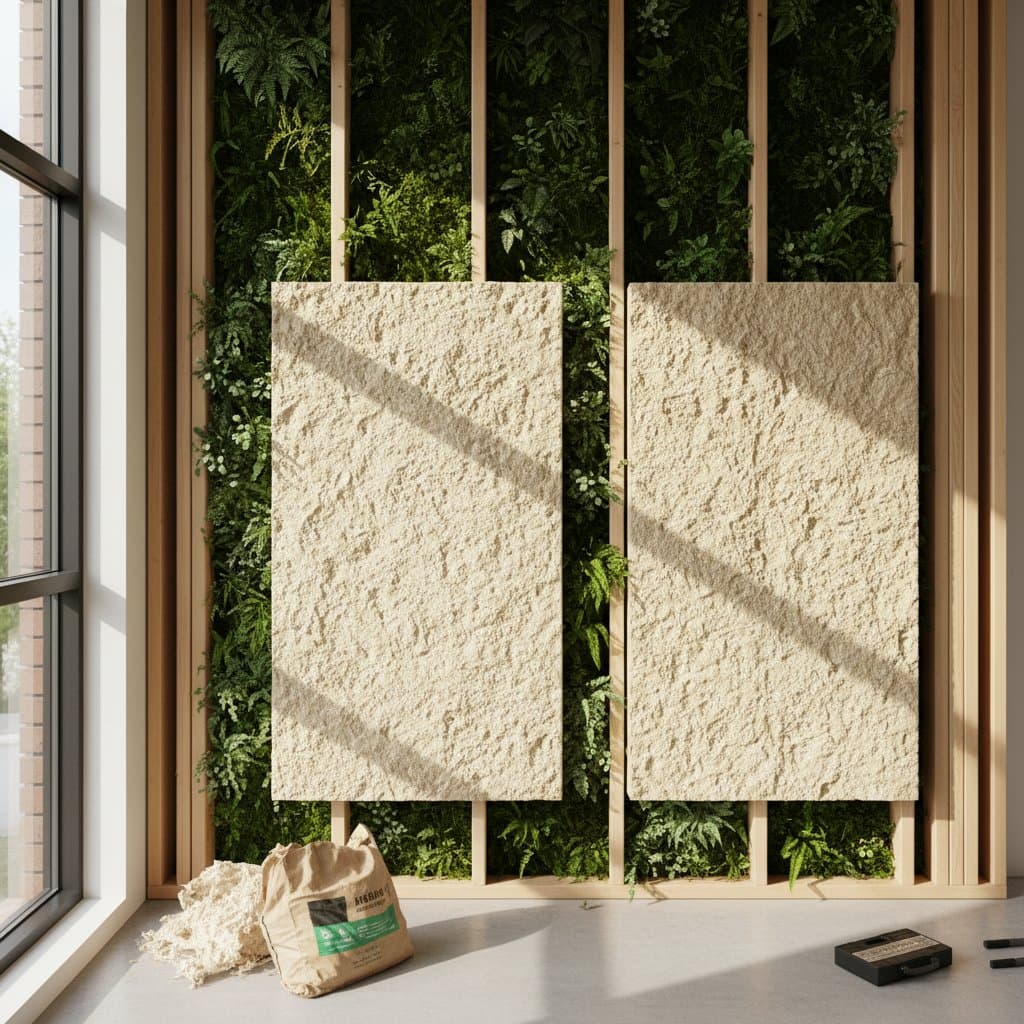
Start with a clean, dry surface. Remove old insulation if present, and inspect framing for damage. Measure and cut panels to fit snugly between studs, leaving no gaps larger than 1/4 inch.
Apply adhesive to the panel backs for added stability, then press firmly into place. Secure with staples or clips every 12 inches along edges. Overlap seams with tape or sealant to create an airtight barrier.
For attics, lay panels perpendicular to joists, staggering joints for uniformity. In walls, integrate with vapor barriers on the warm side to manage moisture flow. Allow 24 hours for adhesives to cure before enclosing with drywall or siding.
Test the setup immediately by checking for drafts with a smoke pencil. Adjust as needed to eliminate air leaks, which can undermine insulation effectiveness by up to 30 percent.
Quality Assurance: Verifying Performance and Durability
Post-installation evaluation confirms the system's integrity. Walk the area with a thermal imaging device to spot inconsistencies in temperature distribution. Address any anomalies by adding shims or filler material.
Humidity control proves essential for longevity. Mycelium tolerates 40 to 60 percent relative humidity without degradation. Install hygrometers in key areas and pair with exhaust fans if moisture levels rise.
Review manufacturer specs for fire performance, ensuring alignment with your structure's demands. Certifications from bodies like ASTM provide assurance of compliance.
Annual inspections form part of routine maintenance. Look for compression, which should not exceed 5 percent, or signs of dampness. In ideal conditions, mycelium lasts 50 years or more, retaining shape and efficacy.
Cost Considerations and DIY vs Professional Installation
Initial costs for mycelium range from $8 to $15 per square foot, higher than fiberglass at $0.50 to $1.50. However, energy savings of 15-20 percent on heating bills offset this within 5-7 years. Composting at end-of-life eliminates landfill fees, adding further value.
DIY suits small projects like attic retrofits, where panels slot easily into place. Gather tools and follow guides, but test a sample cut first to gauge material response.
For complex setups involving electrical or plumbing penetrations, hire certified installers. They optimize for code adherence and integrate with systems like heat recovery ventilators, maximizing overall efficiency.
If interested in growing your own, source mushroom spawn from reputable labs. Sterilize substrates in a pressure cooker and incubate at 75 degrees Fahrenheit for 7-10 days, but scale this for personal use only.
Pro Tips for Success
- Manage Moisture Precisely: Position vapor retarders to direct water vapor away from the insulation core, preventing mold risks.
- Confirm Regulatory Approval: Secure building permits and retain product datasheets for inspections.
- Enhance Airtightness: Seal all penetrations with foam backer rod before applying caulk.
- Design for Inspection: Incorporate access hatches in concealed spaces for ongoing checks.
- Select Compatible Coverings: Opt for breathable drywall or lime plasters to allow minor vapor escape.
Advancing Your Home's Sustainability
Mycelium insulation bridges innovation and tradition in green building. It empowers homeowners to reduce reliance on non-renewable resources while enjoying reliable performance.
By adopting this material, you invest in a healthier home and a resilient ecosystem. The result extends beyond immediate comfort, fostering practices that benefit communities and the planet for generations.