Key Points
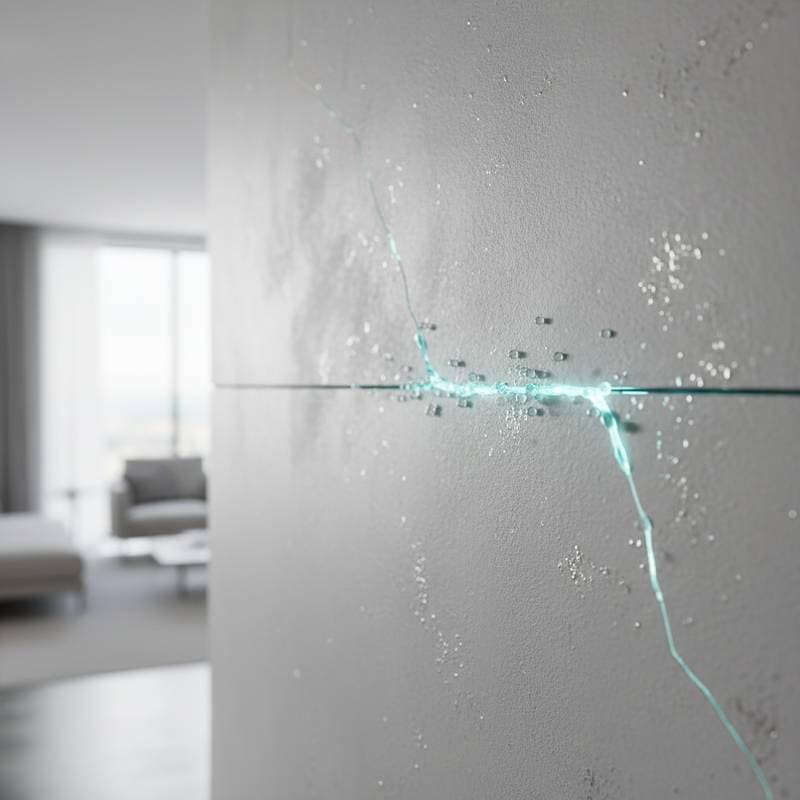
- Self-healing wall materials represent a breakthrough technology that enables automatic repair of minor damage, eliminating the need for conventional patching or repainting.
- These innovations incorporate nanotechnology, microcapsules, and advanced polymers to seal fissures, restore strength, and preserve visual appeal.
- Initial uses encompass intelligent plasters, paints, and concrete mixes that respond to factors like moisture or oxygen.
- Homeowners benefit from lower upkeep expenses, prolonged durability, and decreased environmental impact from frequent fixes.
- Grasping the functionality and compatibility of these materials aids in wise choices as they enter the market.
Technical Background
Conventional wall repairs demand manual effort. Cracks in plaster or chips in paint require cleaning, filling, sanding, and repainting. Unaddressed microcracks expand, permitting water entry and compromising stability. Standard substances like gypsum plaster, cement, and ordinary paint remain inert to shifts in surroundings, leading to progressive decline without timely fixes.
Evaluating Self-Healing Walls
Homeowners and builders must assess integration potential before adoption. Key performance aspects determine suitability:
- Material Composition: Systems vary; polymer paints employ reversible bonds, whereas concrete or plaster versions utilize mineral reactions.
- Crack Width Capacity: Formulations typically handle fissures below one millimeter; broader ones necessitate manual repair.
- Environmental Response: Activation occurs under conditions like humidity or temperature fluctuations.
- Compatibility: Effectiveness hinges on adhesion to bases such as drywall, plaster, or brick.
- Aesthetic Quality: Repairs must match seamlessly, avoiding marks or color shifts.
These factors guide selection aligned with wall types and regional climates.
Planning for Application
Self-healing materials ease maintenance yet demand careful setup akin to routine treatments. Effective incorporation requires methodical readiness.
Materials and Tools
- Self-healing plaster or filler (gypsum, lime, or polymer-based)
- Compatible self-healing primer and paint
- Trowels, rollers, mixing paddles
- Containers for accurate ratios
- Protective gear: gloves, respirator, eye shields
- Moisture meter for base evaluation
- Sanding tools and cleaners
Safety and Handling
Microcapsules pose low risk but demand adherence to guidelines. Prevent dust inhalation during mixing or sanding. Ensure ventilation while applying and drying. Seal leftovers from light and dampness.
Timing and Conditions
Apply under balanced humidity and temperature. Extreme aridity may hinder activation; excess dampness risks early triggers. Observe cure durations and settings per instructions.
Step-by-Step Application
This guide details effective use for homeowners or professionals, adapting standard methods with focus on uniformity and triggers.
Step 1: Surface Preparation
- Examine for flaws or dirt; clear debris, dust, grease.
- Gauge moisture with a meter; aim for dry yet not overly parched bases.
- Sand shiny areas for grip.
- Clean with a moist cloth to eliminate residues.
Step 2: Applying Plaster or Filler
- Blend self-healing plaster per ratios; use mechanical aid for even microcapsule spread.
- Trowel into cracks and gaps with pressure.
- Level smoothly; cure as directed, keeping capsules inactive until needed.
- Sand lightly post-drying for evenness.
Step 3: Priming and Painting
- Apply matching self-healing primer for bonding and initial protection.
- Post-cure, roll or spray self-healing paint evenly to retain capsule concentration.
- Use two layers with full drying intervals; polymers enable re-bonding on damage.
Step 4: Activation and Testing
Post-cure, test by scoring lightly. The mark should fade via environmental response, confirming operation.
Verifying Integration
Quality checks confirm reliability, drawing on oversight practices to monitor outcomes.
Inspection Checklist
- Surface Uniformity: Check for even tone and feel; inconsistencies signal poor distribution.
- Cure Integrity: Press repairs for firmness.
- Adhesion: Perform cross-hatch tests in discreet spots for layer strength.
- Moisture Resistance: Mist lightly; stable surfaces show no change.
Performance Monitoring
Observe minor flaws periodically. Stability or reduction indicates success; growth suggests environmental or compatibility review. Log notes quarterly to spot trends and affirm endurance.
Principles of Self-Healing
Comprehending the science enhances appreciation. Common systems include:
- Microencapsulation: Capsules hold resins; cracks release and fill them.
- Reversible Polymers: Bonds break and reform via heat or light, mending scratches repeatedly.
- Mineral Autogenous Healing: In cement, minerals react with water to crystalize and seal.
Microencapsulation acts swiftly, polymers cycle often, minerals bolster structure. Choice balances aesthetics, strength, or dual needs.
Cost and Value Assessment
Initial prices surpass traditional options, but savings emerge from fewer interventions and less waste. Compare:
- Traditional Cycle: Repaints or patches every few years use paint gallons and labor hours.
- Self-Healing: Higher start cost, yet minor fixes happen ongoing, spacing major work.
Decade-long totals often match or beat standards, including labor and supplies. Waste cuts and emission drops aid eco-targets.
Smart Home Integration
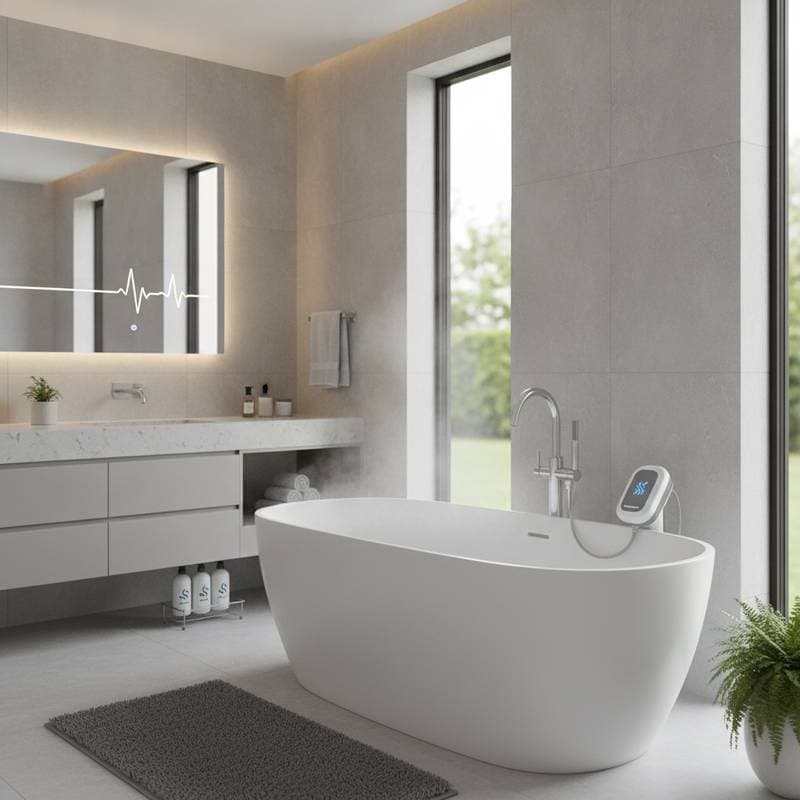
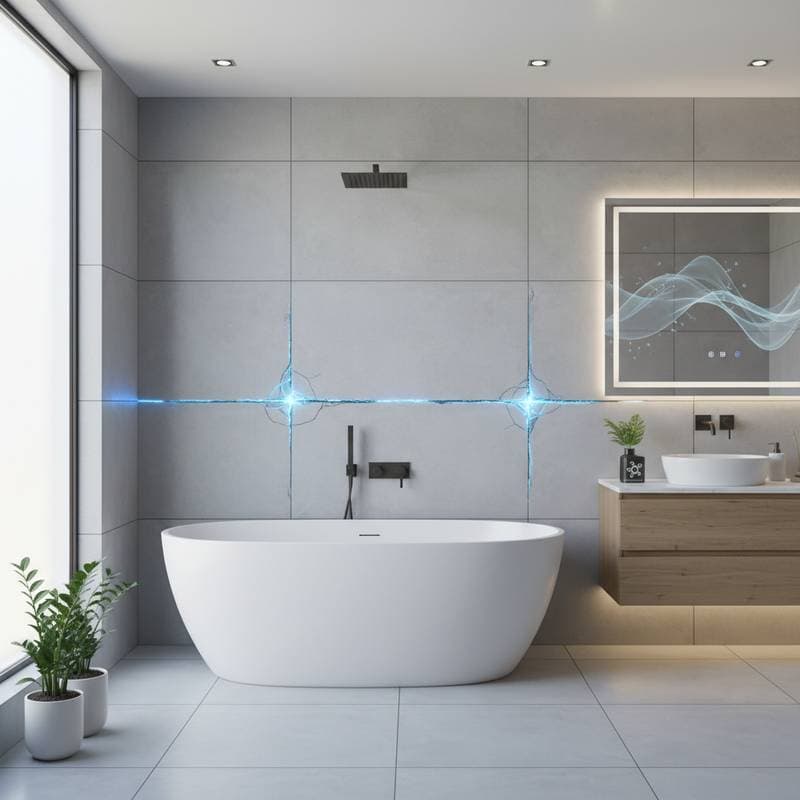
Self-healing pairs with sensors and coatings for health tracking. Walls could sense cracks, release agents, and app-report data. Labs show stress-signaling concretes; residential versions might alert on conditions to ease surfaces.
This evolves upkeep: structures signal needs, fostering occupant-structure dialogue.
Sustainability Benefits
These materials curb waste from repairs, cutting landfill, emissions, and energy. Bio-based or recycled elements amplify gains. Some concretes sequester CO2 in healing, aiding emission cuts. They deliver eco-value with performance for green upgrades.
DIY or Professional Approach
Paints suit DIY; plasters or concretes often need experts. Assess skills for scope. For surfaces, DIY works with basics; structures demand pros versed in systems.
Seek contractor experience, spec adherence, and validation docs to preserve mechanisms.
Tips for Optimal Results
- Stabilize humidity to avoid early triggers.
- Adhere to mix ratios for capsule evenness.
- Match layers from one line for harmony.
- Test small patches for benchmarks.
- Record changes signaling activation.
Sustaining Long-Term Performance
Regular light checks preserve benefits. Adjust conditions per logs to maximize durability and value, ensuring walls endure with minimal effort.