Sonic Technology Eliminates Scrubbing in 2026 Bathroom Remodels
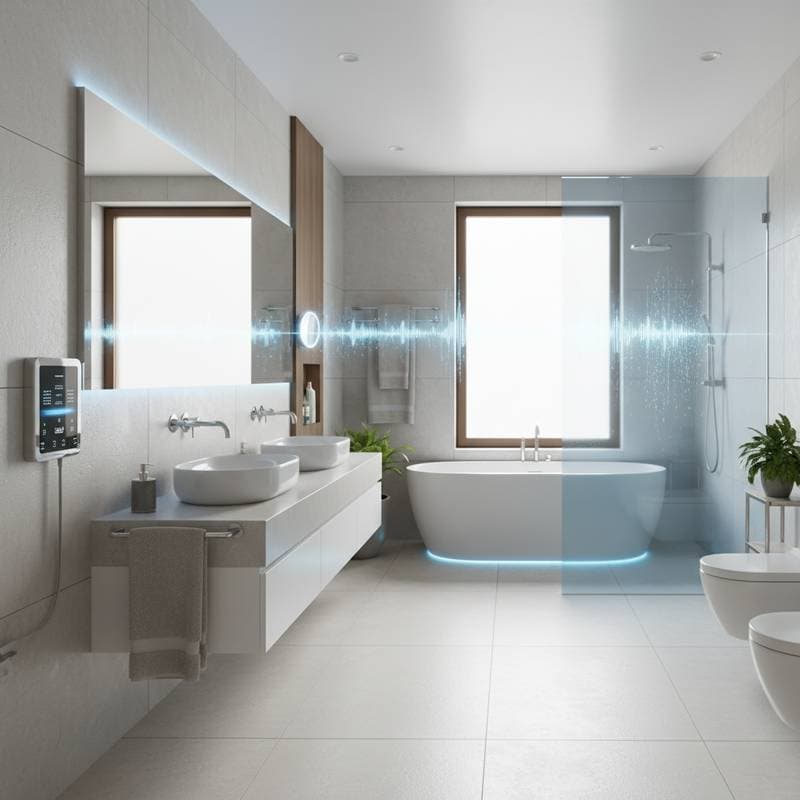
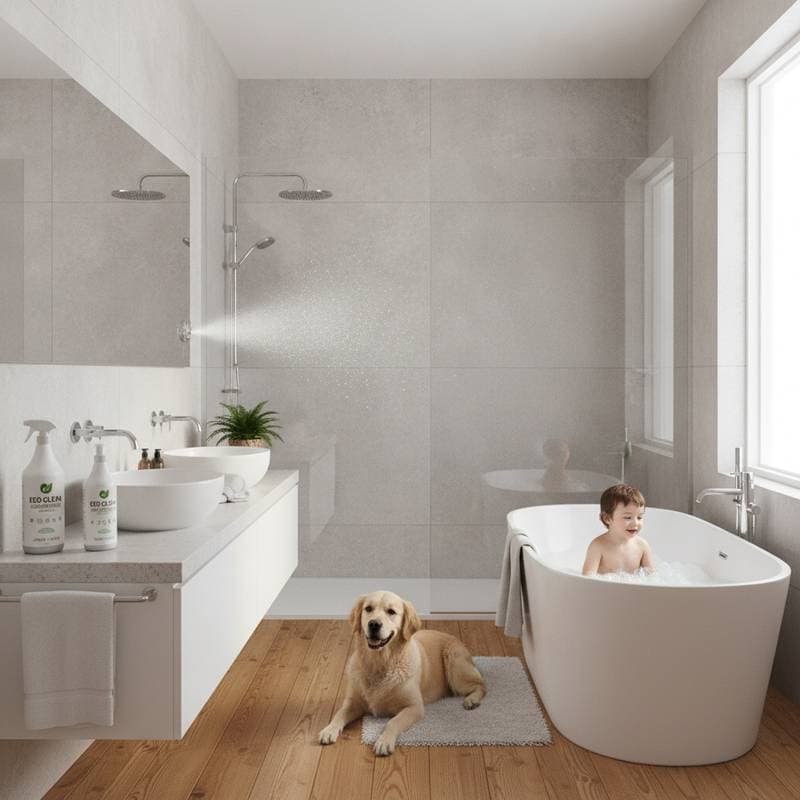
Visualize entering a newly remodeled bathroom where sunlight filters through a frosted window and every surface shines without effort. Tiles remain pristine, the mirror stays clear, and the tub looks freshly installed. No sponge or cleaner has been applied. This scenario represents the sonic cleaning revolution, where advanced technology handles maintenance and transforms the bathroom into a self-sustaining retreat.
Sonic cleaning reshapes renovation approaches for homeowners. Vibrations, ultrasonic waves, and touchless mechanisms enable bathrooms to maintain cleanliness independently. This evolution combines practicality with environmental responsibility, integrating cutting-edge solutions into daily routines.
Principles Behind Invisible Sound Cleaning
Reasons Homeowners Embrace Sonic Cleaning
Conventional cleaning resembles an ongoing struggle against persistent stains. Sonic methods alter this dynamic. Several factors attract users beyond mere ease.
-
Absence of Chemicals
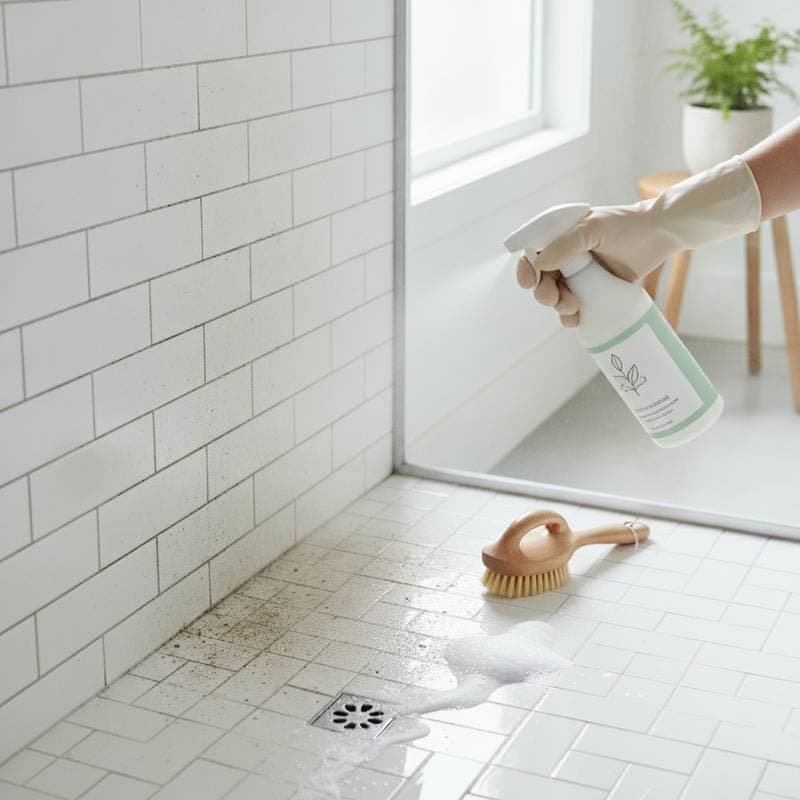
Sound-based cleaning avoids synthetic agents. This reduces vapors, leftover traces, and risks to household members and animals.
-
Conserved Water Usage
Microscopic action requires minimal liquid compared to rinsing. Results appear with reduced environmental impact.
-
Reduced Time Commitment
Maintenance drops from hours to moments. Timers or sensors enable automatic cycles without intervention.
-
Extended Surface Durability
Vibrations avoid abrasive damage from brushes. Materials like tiles and grout preserve appearance, delaying replacements.
-
Discreet Functionality
Operations produce soft hums rather than disruptive noise, blending seamlessly into routines.
Integrating Self-Cleaning Features in Bathrooms
Professionals incorporate sonic elements into remodel designs. Mirrors feature ultrasonic films that clear condensation and smudges instantly. Toilets apply low-frequency pulses to eliminate interior deposits. Drains and faucets include vibrating elements to dissolve accumulating matter.
In showers and tubs, embedded emitters pulse through water to deter soap films. Sinks benefit from ripples that clear splatters and scale. Pair these with sensor-activated dispensers and dryers for coordinated hygiene. Such features ensure persistent cleanliness.
Modular panels allow retrofitting without major overhauls. These attach to walls or cabinets, powered by compact, rechargeable sources. The outcome delivers spa-like performance with negligible demands.
Sustainability Benefits of Sonic Approaches
Sonic cleaning supports eco-conscious practices prominently. Standard methods depend on detergents that pollute water sources. Sound and water alone suffice for thorough results, leaving no residues.
Natural enhancers like vinegar pair effectively with vibrations, penetrating grout and crevices where microbes reside. Spaces achieve freshness through inherent means rather than artificial ones.
Water conservation stands out further. Cavitation activates with scant amounts, enabling short cycles that curb usage and power draw.
Selecting Appropriate Sonic Solutions
Upgrading requires evaluating options based on space and objectives.
-
Integrated Ultrasonic Panels: Suited for renovations, these embed into structures for comprehensive coverage and scheduled activation.
-
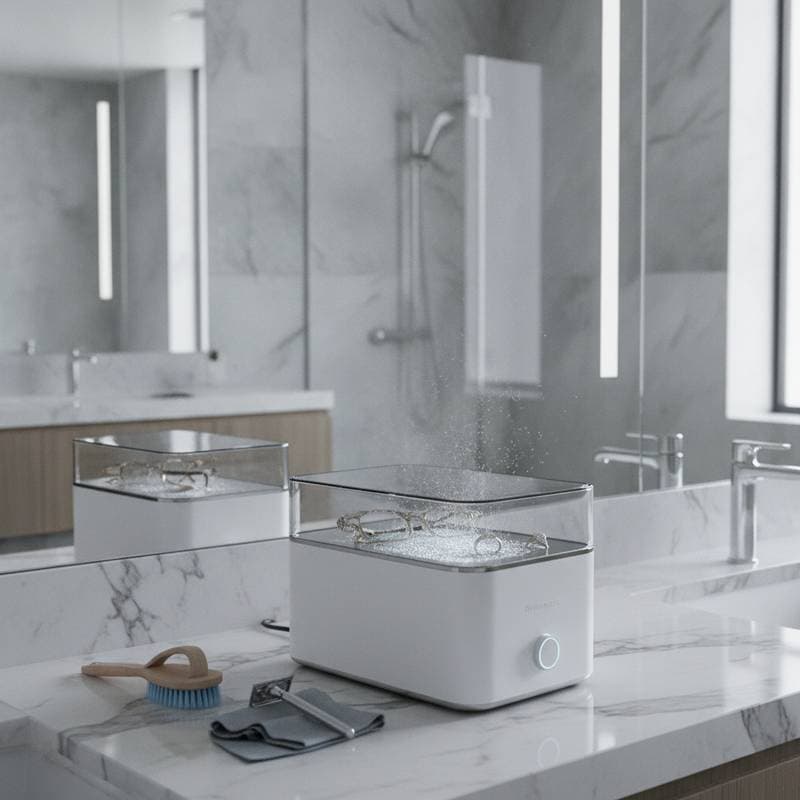
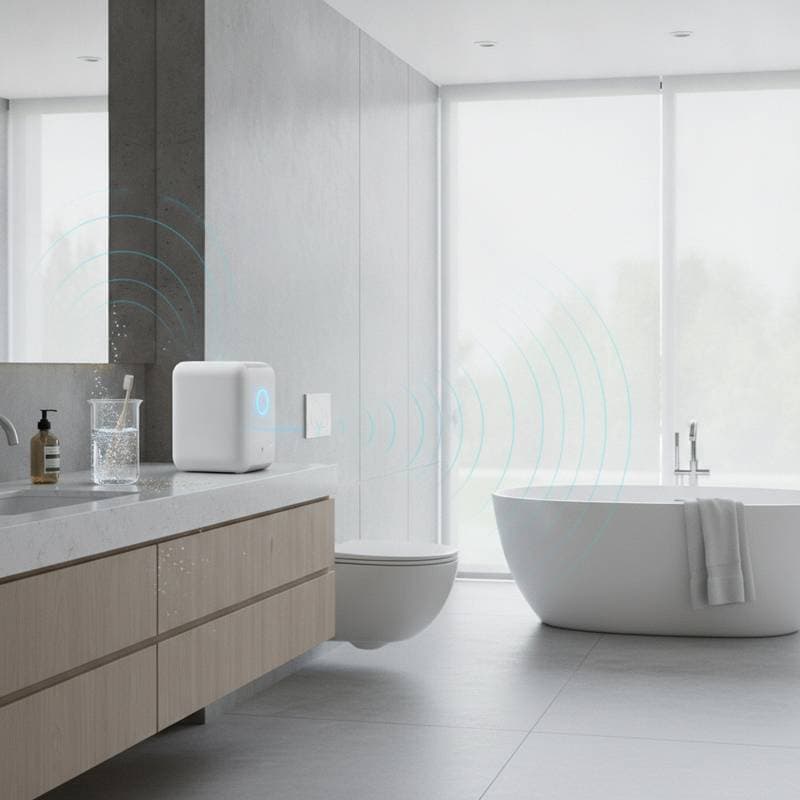
Mobile Sonic Devices: Versatile units shift between areas, ideal for temporary setups or limited budgets.
-
Vibrating Accessories: Components in holders, dishes, and covers inhibit residue formation.
-
Combined Technologies: Pair sound with steam or ultraviolet for enhanced sanitation.
Assess room dimensions, focus areas, and sustainability goals. Prioritize low-power, silent models compatible with current installations.
Enhancing Daily Routines Through Sonic Integration
Technical advantages extend to emotional well-being. Bathrooms frame daily beginnings and endings. Effortless upkeep fosters welcoming, rejuvenating environments.
Envision showers with gliding droplets on clear enclosures or sinks free of stains. These details cultivate tranquility that permeates routines. Maintenance shifts from task to ambient quality.
Designers observe interest from those pursuing simplicity and health. Systems harmonize with materials such as stone and wood, preserved through non-invasive care. They align with trends emphasizing aesthetics, utility, and green principles.
Adopting Sonic Methods for Sustainable Maintenance
Bathroom evolution emphasizes harmony between innovation and simplicity. Sonic cleaning establishes this equilibrium, converting upkeep into unobtrusive support. It nurtures healthier interiors while reclaiming time.
Advancements will introduce adaptive features, like usage-responsive fixtures or residue-specific frequencies. Homeowners adopting these tools advance toward seamless, green living. Scrubbing recedes, replaced by perpetually refreshed spaces.