Key Points
- Ultrasonic cleaning employs high-frequency sound waves to eliminate microscopic dirt, bacteria, and mineral deposits without relying on harsh chemicals.
- In bathrooms, this technology powers toothbrush sanitizers, faucet and drain cleaners, and touchless devices that enhance overall hygiene.
- It achieves superior sanitation compared to manual methods and minimizes the use of chemical disinfectants.
- Careful planning, installation, and upkeep guarantee dependable operation and enduring cost reductions.
- Incorporating ultrasonic systems fosters a cleaner, safer, and more environmentally friendly bathroom setting.
Technical Background
Ultrasonic cleaning operates through acoustic cavitation. High-frequency sound waves propagate through a liquid, generating tiny bubbles that expand and implode swiftly. These implosions produce focused energy bursts that lift away dirt, biofilms, and residues from surfaces.
Assessment: Identifying Bathroom Hygiene Issues
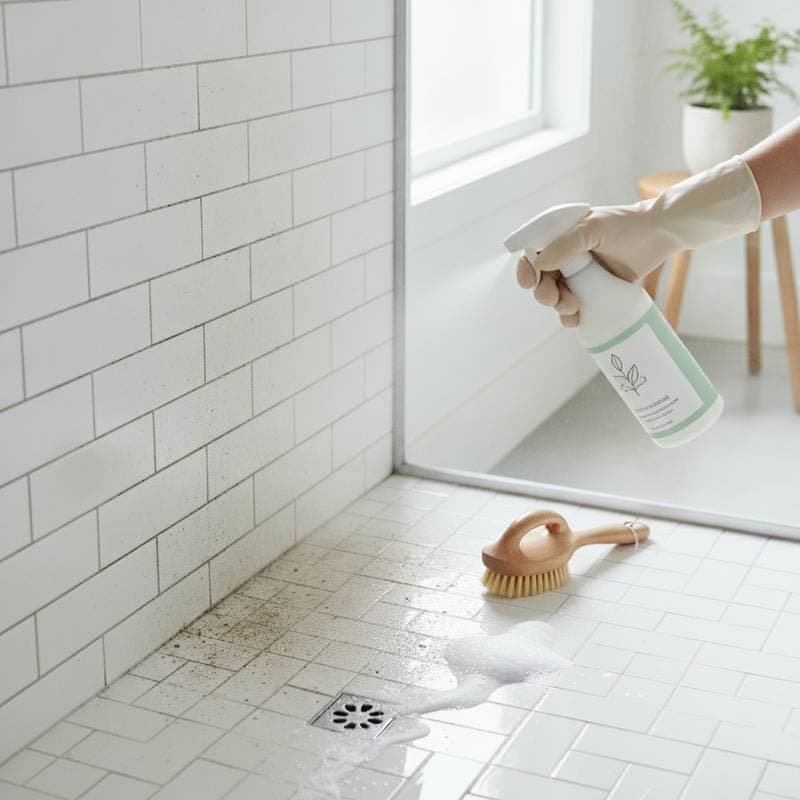
Start by pinpointing precise challenges in your bathroom before introducing ultrasonic technology. Frequent problems encompass hard water deposits encrusting faucets and showerheads, soap scum and biofilms coating tile grout and sink edges, odors trapped in drains and overflows, and inadequate sterilization for items like toothbrushes and razors.
Record these observations to pinpoint high-impact areas for ultrasonic intervention. Many start with compact countertop units for personal items, progressing to comprehensive setups that automate fixture cleaning.
Planning Phase: Selecting Tools, Materials, and Safety Measures
Effective adoption requires methodical preparation. Focus on equipment choices, supplies, and protocols to ensure seamless integration.
Equipment Selection
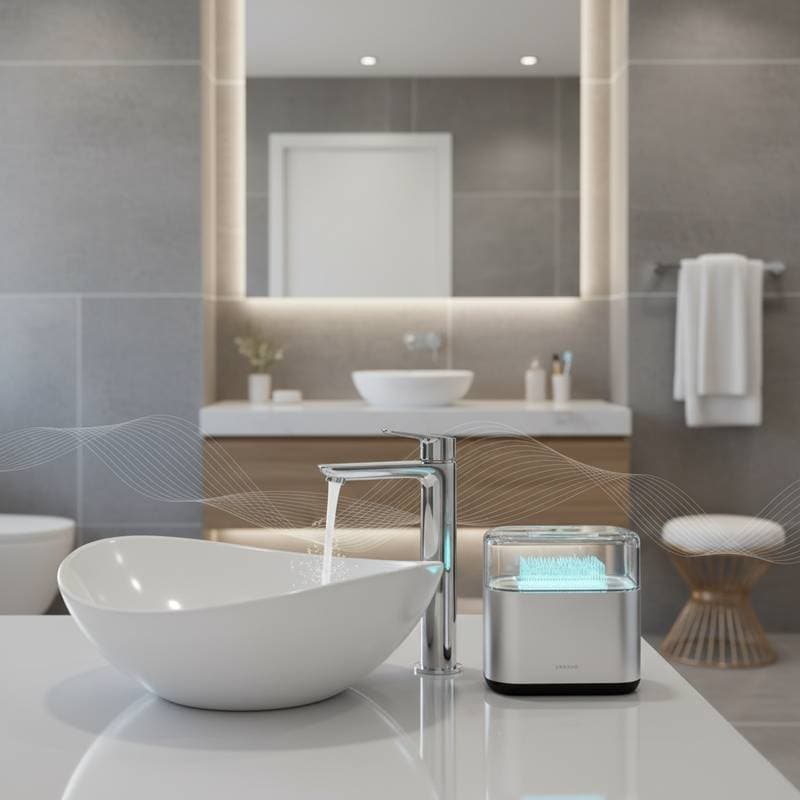
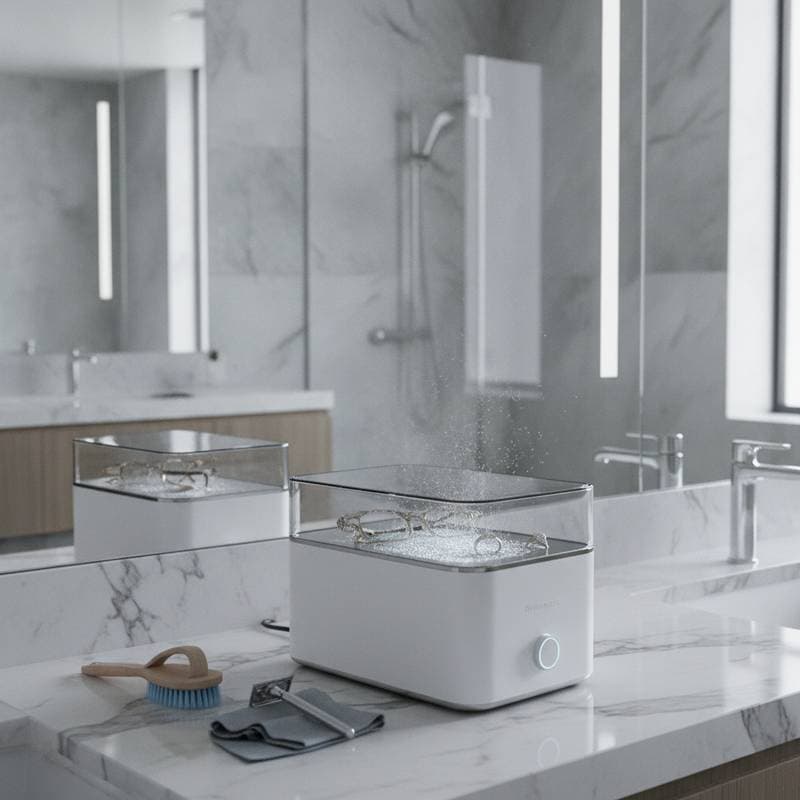
- Portable Ultrasonic Cleaners: These small devices suit toothbrushes, dentures, or razors, often with capacities from 0.5 to 2 liters.
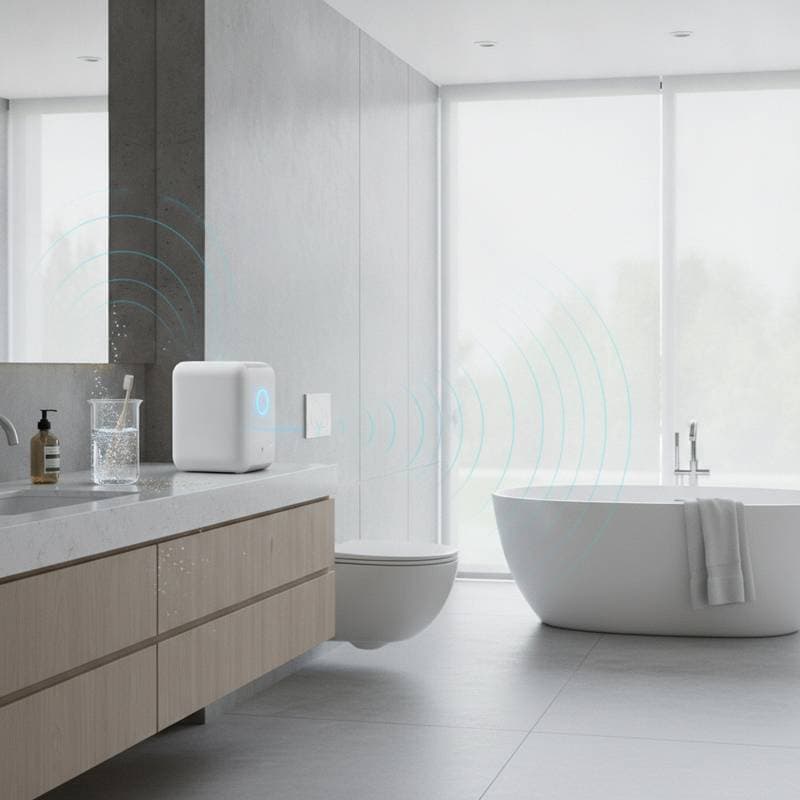
- Built-in Systems: Tailored for sinks, toilets, or drains, they link to plumbing and trigger via timers or sensors.
- Touchless Accessories: Faucets and dispensers with ultrasonic motion detection cut down on surface contact and pathogen spread.
Opt for units certified by safety bodies like UL, designed for damp environments with waterproof seals and durable casings.
Materials and Supplies
Prepare distilled water or a pH-neutral ultrasonic solution, lint-free towels for post-clean drying, nitrile gloves for any solution handling, and GFCI-protected outlets to mitigate shock risks.
Safety Protocols
Power down devices fully before maintenance. Position electronics beyond splash zones. Adhere to guidelines on fill levels, typically 60-80% capacity, frequencies between 20-40 kHz, and cycles of 3-10 minutes. Refrain from DIY modifications to avoid shocks or malfunctions; consult certified technicians for custom setups.
Implementation: Step-by-Step Integration
1. Site Preparation
Locate spots with nearby power and water access. For embedded systems, verify that lines support flows up to 2 gallons per minute. Clear and sanitize adjacent surfaces to avoid introducing contaminants during setup.
2. Setting Up a Countertop Ultrasonic Cleaner
Position the unit on a flat, non-slip countertop away from edges. Pour in the recommended solution to the marked line. Immerse items without overlap, maintaining 1-inch spacing for optimal cavitation.
Select settings per the manual: lower frequencies for heavy buildup, higher for delicate items. Run the cycle, then rinse under running water and air-dry on a rack to prevent bacterial regrowth.
3. Installing Integrated Systems
For under-sink or wall units, isolate water and electricity supplies first. Secure the transducer with lag screws into studs for stability. Attach hoses using 1/2-inch fittings, ensuring no kinks.
Enclose wiring in IP67-rated boxes. Activate and test: run a 5-minute cycle, checking for uniform bubbling and clear effluent.
4. Incorporating Touchless Ultrasonic Fixtures
Swap out standard controls for models with 40 kHz sensors. Mount at elbow height for accessibility. Adjust detection range to 4-6 inches via app or dial to balance responsiveness and conservation, reducing water use by up to 30%.
Quality Assurance: Confirming Cleaning Effectiveness
Establish routine checks to validate performance.
- Visual Checks: Look for spotless surfaces free of haze or spots under bright light.
- Swab Tests: Employ ATP swabs to quantify microbial residues; aim for readings below 100 relative light units.
- Operational Tracking: Log cycle counts, solution turbidity, and sound output; investigate if bubbles weaken, signaling transducer issues.
- Efficiency Audits: Measure kilowatt-hours against traditional methods, targeting 50% reductions in energy and supplies.
These evaluations, akin to site inspections in building projects, sustain peak hygiene levels.
Maintenance: Ensuring Enduring Performance
Proactive care extends system lifespan and efficacy.
- Weekly Draining and Refilling: Empty tanks to clear sediments, then flush with fresh solution.
- Transducer Examinations: Scan for pitting or scaling monthly; replace if efficiency drops below 80%.
- Filter and Nozzle Cleaning: Disassemble quarterly, soaking in vinegar to dissolve minerals.
- Sensor and Firmware Updates: Check manufacturer sites biannually for enhancements that refine detection accuracy.
- Record-Keeping: Maintain a log of activities, noting anomalies like unusual vibrations for early troubleshooting.
Diligent routines minimize downtime and cut chemical dependencies over a decade-long service life.
Cost and Environmental Benefits
Initial costs for ultrasonic units range from $50 for portables to $500 for integrated models, but savings accrue through low 0.1-0.5 kWh per cycle usage and reduced water volumes. This eliminates volatile chemicals, safeguarding surfaces and air quality while aligning with green building standards.
In multi-person homes, automation slashes labor by 40%, with touchless features curbing waste. View it as a strategic investment: track expenditures quarterly to quantify returns in time and resources.
Pro Tips for Optimal Results
- Adopt Gradually: Test a basic cleaner for accessories before committing to plumbing-integrated options.
- Train Users: Conduct short sessions showing immersion techniques and cycle selections to build confidence.
- Pair with Basics: Use ultrasonics for deep cleans alongside daily microfiber wipes for visible polish.
- Monitor Metrics: Record before-and-after swab results to fine-tune frequencies and durations.
- Seek Expertise: Engage licensed pros for complex installs to meet codes and warranties.
These practices avert pitfalls like solution overflows or dry runs, ensuring smooth operations.
Achieving Superior Bathroom Sanitation
Ultrasonic cleaning advances residential hygiene through precise, non-invasive action. It supplants labor-intensive and toxin-laden methods with efficient wave-based removal, yielding pristine fixtures and purer air.
Follow a structured path: evaluate issues, assemble resources, execute installations, and uphold standards. This disciplined integration elevates bathrooms to exemplars of innovation, delivering sustained cleanliness and well-being.