TikTok's Viral Secret: Enzyme Cleaners Eat Stains
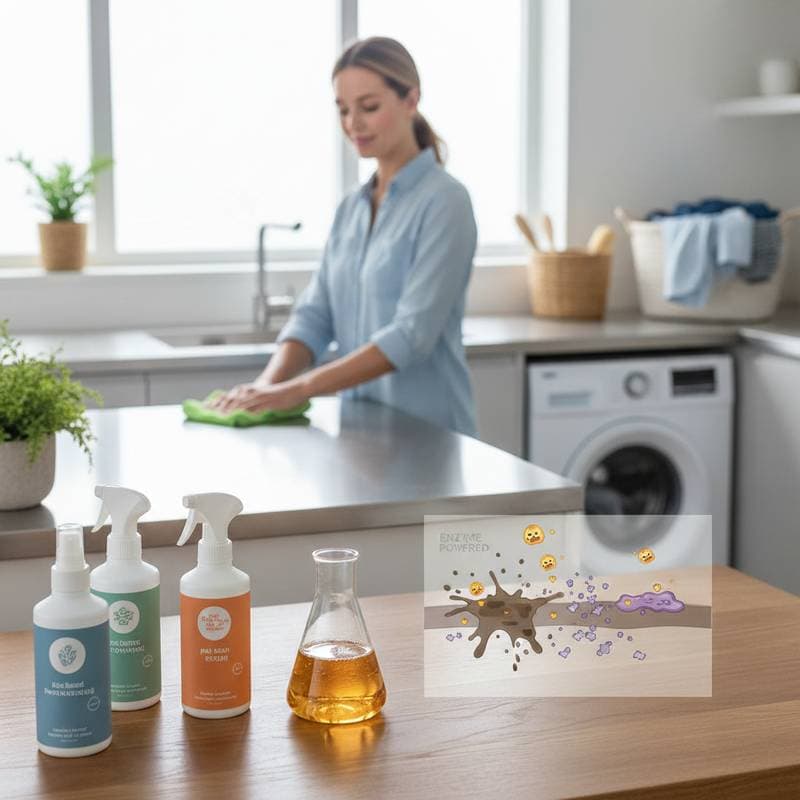
If you have scrolled through TikTok recently, you likely have encountered videos showing individuals applying a clear liquid to a stained garment or soiled grout, pausing briefly, and then revealing a pristine surface with a simple wipe. This effective solution often involves an enzyme cleaner, which has emerged as a popular online cleaning method.
These biologically derived products receive acclaim for addressing issues from pet incidents to kitchen spills without relying on aggressive chemicals. The question remains whether they deliver the impressive outcomes depicted in social media clips and how these cleaners function at a fundamental level. This article examines the reasons behind their popularity and provides guidance on incorporating them effectively into household routines.
The Science Made Simple
- Protease enzymes degrade proteins found in substances such as blood, eggs, or dairy products.
- Amylase enzymes address starches, including residues from pasta sauces or potatoes.
- Lipase enzymes break down fats and oils, proving ideal for greasy kitchen counters and appliances.
- Cellulase enzymes handle plant-based fibers and soils, commonly encountered in laundry or outdoor textiles.
Most formulations combine these enzymes to suit particular stain categories. For instance, a pet stain remover emphasizes protease and lipase for urine and organic matter.
Biochemist Dr. Maya Tong, who advises sustainable cleaning companies, explains, "The key is contact time. Enzymes require several minutes to bind with the stain and initiate breakdown." Immediate spraying and wiping may not yield optimal results, as observed in online demonstrations. Allowing sufficient time ensures the enzymes perform their digestive action effectively.
Why They Are Better for People, Pets, and the Planet
Enzyme cleaners gain widespread appeal due to alignment with preferences for secure and environmentally responsible products. These formulations prove biodegradable, non-toxic, and devoid of the irritants present in many conventional cleaners.
Home design consultant Rhea Coleman of Simply Bright Interiors notes, "Families recognize that a fresh scent does not necessitate harsh chemicals. Enzyme cleaners leave no residue, avoiding the accumulation of potential irritants on frequently touched surfaces."
Derived from natural origins, enzymes decompose fully post-application, eliminating harmful remnants. This characteristic suits homes with pets or children who interact closely with floors and upholstery.
For individuals renting or preserving sensitive materials like silk or wool, these cleaners provide a mild yet potent option. They preserve fabric integrity while removing embedded soils, reducing the risk of damage from abrasive alternatives.
How to Use Enzyme Cleaners the Right Way
Achieve superior outcomes by approaching enzyme cleaners methodically. The steps below apply to various scenarios, from fabrics to hard surfaces.
-
Identify the type of stain. Determine if it involves proteins, oils, or starches to select an appropriate product. For mixed stains, opt for a multi-enzyme blend.
-
Blot, do not rub. Gently lift excess material with a clean cloth to prevent driving particles deeper into the material.
-
Apply generously. Saturate the area adequately to activate the enzymes, ensuring even coverage without excessive pooling.
-
Wait patiently. Allow a minimum of ten minutes for initial action; extend to one hour for stubborn marks. On carpets or rugs, place a damp cloth over the treated spot to maintain moisture.
-
Rinse or blot dry. Remove the dissolved residue by rinsing with water or blotting with a clean towel, then permit natural air drying.
-
Repeat if needed. Persistent or aged stains may benefit from additional applications, though visible progress typically appears after the initial treatment.
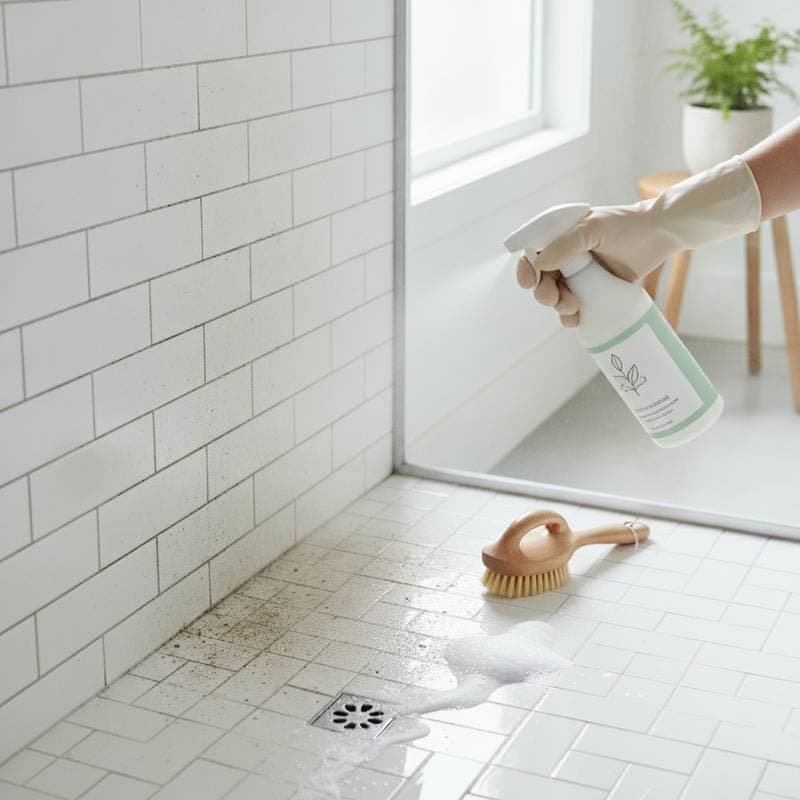
Adapt this sequence for specific items, such as pre-treating laundry before washing or applying to upholstery with a spray bottle for precision.
The Real-Life Results
Enzyme cleaners stand out for their reliability and ease of integration into daily life. They continue working even if rinsing occurs later, and their subtle profiles avoid overpowering fragrances.
For those maintaining upscale interiors, these products offer efficiency without intensive effort. Designer Callie Rivers, specializing in home staging for sales, shares, "They serve as my essential tool prior to showings. No concerns over residual smells arise, and surfaces achieve an authentic freshness rather than a masked appearance."
This combination of biological efficacy and user-friendliness positions enzyme cleaners as a practical advancement. Professionals rely on them for demanding tasks, while novices appreciate the straightforward application.
Consider their versatility beyond common areas. Apply to athletic footwear for odor control, canvas totes for ground-in dirt, or exercise mats for sweat residues. Each use reinforces their role in sustaining hygienic environments.
Achieving a Cleaner, Kinder Home
Adopting enzyme cleaners transforms cleaning practices by streamlining efforts and minimizing environmental impact. The process shifts from labor-intensive scrubbing to a passive reliance on natural mechanisms.
Explore applications in overlooked spaces, such as bathroom fixtures for mineral deposits or vehicle interiors for spills. Over time, households report fewer recurring issues, as enzymes address root causes rather than surface symptoms.
The enduring value of enzyme cleaners transcends social media trends. They demonstrate that effective maintenance aligns with sustainability, fostering spaces that promote well-being through gentle, science-backed solutions.
Making It Happen
Begin your experience with enzyme cleaners by selecting a single product targeted at a persistent challenge, such as entrenched fabric stains or animal scents. Observe the transformation to grasp their household potential.
Continue refining techniques through trial, blending empirical knowledge with routine needs. The true advantage lies in enhanced living areas that prioritize safety and comfort, achieved through nature's inherent processes.
Your environment benefits from this shift, as do its occupants, resulting in sustained freshness and ease.