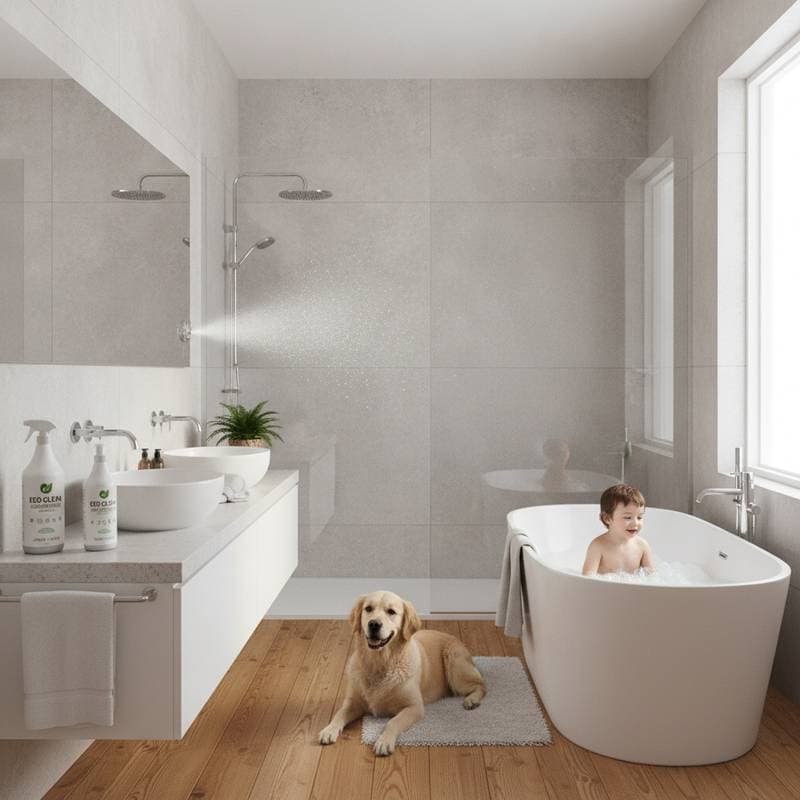
Why Enzymes Transform Bathroom Cleaning
Bathrooms often harbor persistent odors and buildup from daily use. Traditional cleaning methods frequently address only surface issues, allowing underlying smells to linger. Enzyme cleaners provide a natural solution that targets organic matter at its source, delivering enduring freshness without relying on synthetic additives.
These cleaners employ proteins to break down substances on a molecular level. This method goes beyond superficial cleaning, ensuring spaces remain odor-free long term. Homeowners experience a transition from quick but ineffective routines to more reliable practices.
A Practical Introduction to Enzyme Cleaners
Many approach enzyme cleaners with doubt due to their biological foundation, but their use proves simple and effective. These products leverage natural processes to dismantle organic residues, eliminating the necessity for harsh chemicals. The outcome is a clean, neutral environment free from artificial scents.
Understanding Enzyme Mechanisms
Enzymes act as biological catalysts that speed up the decomposition of complex molecules into harmless elements. This process neutralizes the origins of odors directly. Such precision sets enzyme cleaners apart from those that simply disguise issues.
Different enzymes handle specific types of organic material:
- Protease enzymes break down proteins found in body oils, blood stains, or mildew growth.
- Amylase enzymes tackle starches and carbohydrates, such as remnants from toothpaste or soap scum.
- Lipase enzymes dissolve fats and oils, particularly useful for buildup around sinks and shower walls.
By eliminating these organic foundations, enzymes inhibit the return of odors and promote ongoing hygiene.
Bathrooms as Ideal Applications
Daily bathroom activities generate organic debris, including skin cells, hair, soaps, and moisture, which create stubborn films. Standard tools like brushes and bleach products typically miss these deeper layers, permitting bacterial growth to continue.
Enzyme cleaners perform exceptionally well in damp areas, such as beneath toilet rims, behind faucets, and along grout lines. They seep into concealed spaces and digest residues gradually. This persistent action leads to complete odor elimination, surpassing the short-lived effects of conventional disinfection.
Effective Usage Techniques
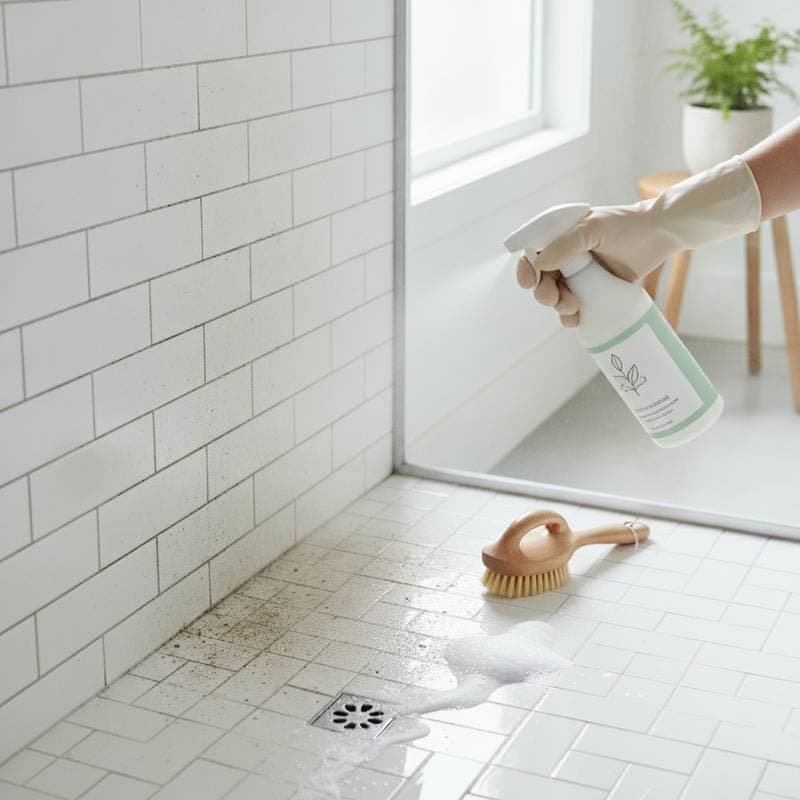
For best results, enzyme cleaners require time to dwell on surfaces, unlike products designed for immediate use. Apply the spray and allow it to remain for 10 to 15 minutes before wiping, permitting the enzymes to fully engage. This step enhances performance with minimal additional work.
Integrate enzymes using these targeted approaches:
- Direct the cleaner to toilet bases and grout lines; let it sit before wiping with a microfiber cloth to clear hidden accumulation.
- Pour the solution into shower drains after removing visible hair; leave it overnight to dissolve clogs and neutralize smells.
- Mist sink countertops and faucets to break apart soap and toothpaste residues that can foster bacterial growth.
Do not mix enzymes with bleach or vinegar, as these substances deactivate the proteins. Employ them alone to achieve maximum effectiveness.
Distinct Benefits of Enzyme Cleaners
Enzyme cleaners achieve cleanliness without introducing synthetic fragrances, resulting in air that feels genuinely pure. This fragrance-free quality redefines freshness, moving away from the expectation of citrus or pine scents.
Over time, users prefer this subtle approach, as rooms retain their natural state without chemical interference. Experts consistently affirm the dependability of enzyme-based products in real-world settings.
Health and Environmental Advantages
Numerous individuals experience irritation from chemical vapors during and after cleaning. Enzyme cleaners, formulated with water and biodegradable components, avoid such reactions and pose no risks to humans or pets.
These products also advance environmental health by reducing the use of potent disinfectants that harm aquatic ecosystems. Adopting enzymes marks a straightforward move toward greener habits, lessening overall ecological impact.
Unexpected Applications
Beyond standard cleaning, enzyme cleaners can renew items like shower curtain liners affected by mildew. Apply the product to stained areas and allow it to soak, often restoring the material's look without the need for disposal.
This adaptability highlights their role in broader maintenance, extending the life of household items and streamlining care routines.
Selecting Quality Enzyme Products
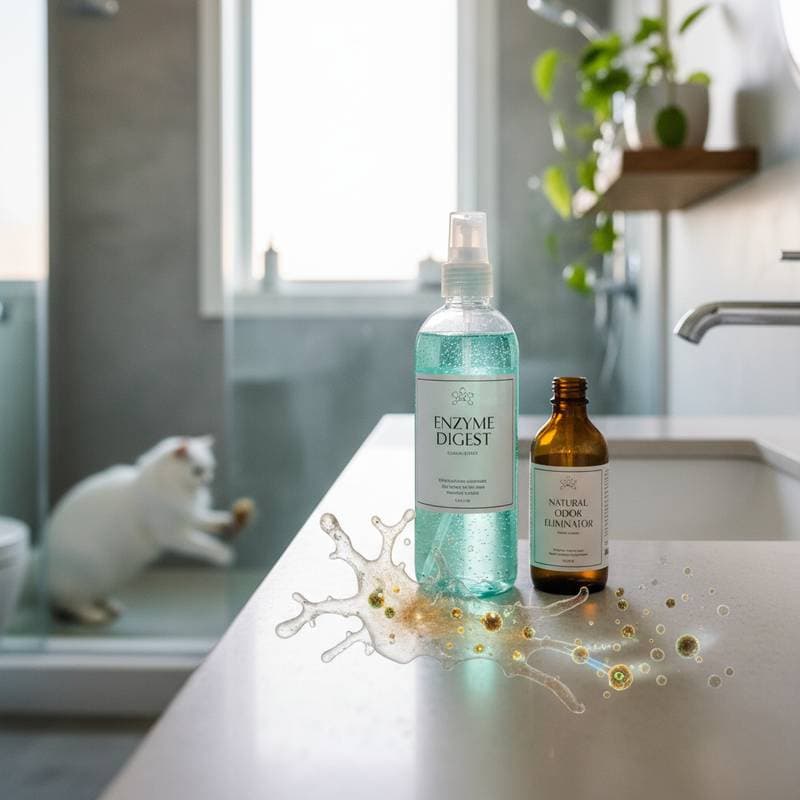
Enzyme offerings on the market differ widely in composition; choose those that detail targeted actions, such as handling protein stains or pet-related odors, to confirm the presence of appropriate enzymes.
Look for instructions that emphasize dwell times, since claims of instant results often indicate weaker formulas. Select versions free from additives like bleach or heavy perfumes to maintain protein integrity.
Reputable natural cleaning brands provide reliable strengths, offered in forms like sprays or concentrated solutions tailored to particular challenges.
Integrating Enzymes into Routines
Enzymes enhance traditional scrubbing by preparing surfaces first, making it easier to remove tough spots on shower glass or in drains.
Follow this weekly protocol:
- Spray enzyme cleaner around the toilet base; let it work while you clean other areas.
- Apply it to shower grout; allow penetration as you wipe the sink.
- Return to lightly scrub, then rinse or wipe clean.
Such incorporation sustains cleanliness, cuts down on deep cleans, and eases physical effort.
Limitations and Complementary Tools
Enzymes specialize in organic decomposition but do not provide general sanitization, so pair them with antibacterial agents in high-germ situations. They also fail against inorganic issues like hard water deposits, where vinegar-based solutions prove more suitable.
For everyday management of odors and residue, enzymes meet most requirements, offering lasting benefits in exchange for slightly delayed action and reduced chemical dependence.
Implementing Enzyme Cleaning
Begin by testing enzymes in problem areas, such as toilet bases or drains. Adhere closely to product directions and evaluate the freshness after 24 hours. This gradual rollout demonstrates their effective, understated power, paving the way for wider use in creating healthier bathroom spaces.