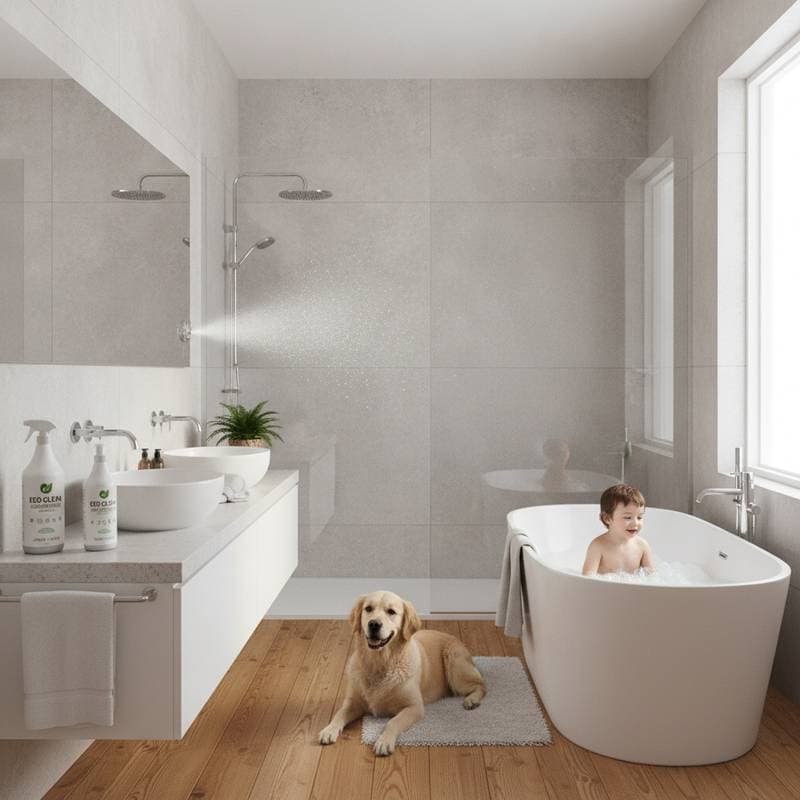
Transform Bathrooms with Non-Toxic Enzyme Cleaners
Homeowners frequently encounter ongoing difficulties in keeping bathrooms pristine. Conventional products often mask problems rather than resolve them. They bleach surface stains and leave behind a fleeting chemical scent that suggests cleanliness, but organic grime lingers beneath. When scrubbing shower walls produces results that fade in mere days, with mildew returning quickly, the issue becomes clear. Bathroom dirt mainly comprises organic materials, and chemical cleaners handle these only on a surface level. Non-toxic enzyme cleaners overcome this drawback by addressing the problem directly.
Why Typical Bathroom Cleaners Fall Short
Most standard cleaning products rely on harsh chemicals like chlorine and ammonia. These ingredients can brighten grout and break down soap scum, but they release fumes that irritate the eyes, skin, and respiratory system. In homes with children, pets, or people sensitive to strong smells, these cleaners present real challenges. Even more problematic, the residues they leave behind speed up future dirt buildup. After a deep clean with chemicals, bathtubs and tiles tend to get dirty faster because the leftover film draws in bacteria and soap particles.
The Science Behind Enzyme Cleaners
Enzymes serve as specialized proteins that speed up the breakdown of organic materials, such as body oils, soap residues, and mildew spores. In contrast to harsh chemicals that scrape away grime, enzyme cleaners digest it biologically, converting the buildup into harmless byproducts like water and carbon dioxide that rinse away easily. This method keeps surfaces cleaner for longer by eliminating the source of the problem instead of hiding it.
What sets enzyme cleaners apart is their non-toxic and fully biodegradable nature. They present no threat to septic systems and do not damage grout, caulk, or natural stone. For those searching for a safe and efficient way to maintain bathrooms, these products offer a dependable alternative to traditional chemical options.
What You Need Before You Begin
Gather these essentials to clean your bathroom with enzyme cleaners:
- A high-quality non-toxic enzyme cleaner formulated for bathroom surfaces
- A soft-bristle scrub brush or an old toothbrush for tackling grout lines
- Microfiber cloths for wiping down and polishing surfaces
- A spray bottle, if the product needs dilution for even application
- Warm water for thorough rinsing
Always read the product label carefully. Some enzyme cleaners come concentrated and require mixing with water to achieve the best results and prevent overuse.
Step-by-Step Cleaning Process
-
Prepare a dry surface.
Moisture can weaken the enzyme solution too soon. Wipe down sinks, tubs, and tiles with a dry cloth before applying the cleaner.
-
Apply the cleaner generously and allow dwell time.
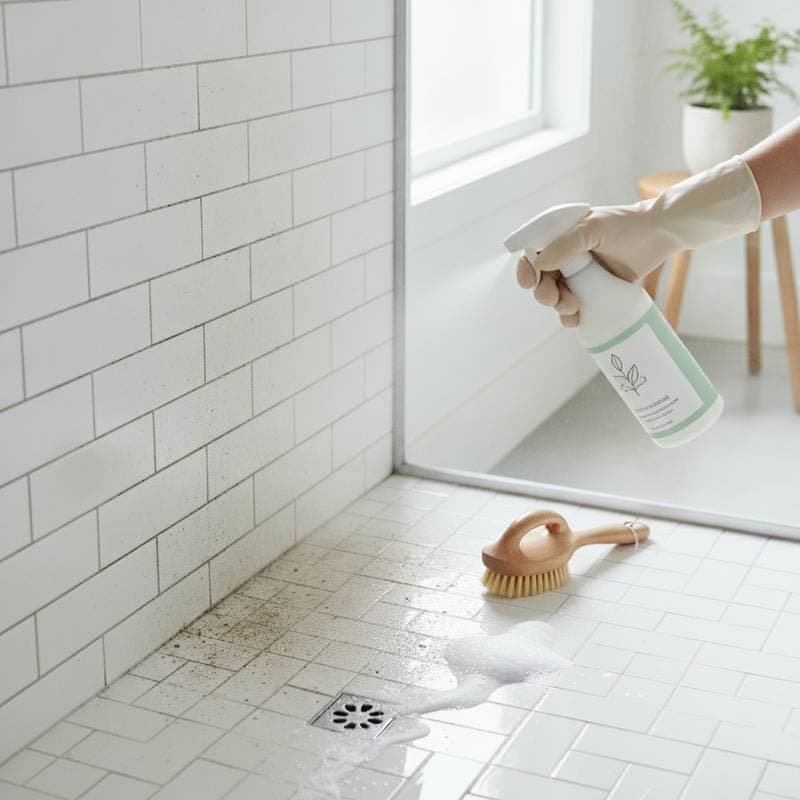
Enzymes need time to work on organic matter. Spray the solution evenly and leave it in place for 5 to 10 minutes. For tough buildup, wait up to 15 minutes before scrubbing.
-
Scrub with light pressure.
Use a soft brush or cloth to lift the now-loosened grime. The enzymes soften the material beforehand, so heavy scrubbing proves unnecessary.
-
Rinse completely.
Flush away all traces with warm water. Notice how the surface feels smooth and clean as the residue washes off without effort.
-
Dry the area thoroughly.
Buff everything with a clean microfiber towel. This prevents water spots and helps maintain the fresh look.
Common Bathroom Problems Enzymes Solve
-
Soap scum: Enzymes break apart the fatty acids that mix with minerals, removing the cloudy film from glass shower doors.
-
Mildew odor: These cleaners destroy the organic origins of bad smells, providing lasting freshness instead of temporary cover-up.
-
Clogged drains: Direct enzyme formulas into drains to dissolve hair and soap clogs over time.
-
Toilet stains: Apply enzyme treatments to release buildup inside the bowl, avoiding the need for harsh scrubbers.
Troubleshooting and What to Expect
Results might not show right away on the first use, especially with heavy accumulation. Enzymes work progressively, so apply multiple times and allow full contact time. Stubborn stains or dingy grout may require several treatments. With each application, the cleaning penetrates deeper, helping to prevent problems from returning.
Avoid mixing enzyme cleaners with bleach or strong disinfectants, as these substances can neutralize the enzymes and stop their action. If you have used chemical cleaners lately, rinse the surfaces well with plenty of water before switching to enzymes.
When to Call a Professional
Enzyme cleaners handle surface grime effectively but fall short on deeper issues like mold growing inside walls, crumbling caulk under tiles, or leaks that encourage mildew. Turn to professionals for such problems. A lingering musty smell after cleaning often indicates hidden water damage, which calls for a contractor's evaluation instead of more cleaning.
Long-Term Benefits of Switching to Enzyme Cleaners
Switching to non-toxic enzyme cleaners brings clear improvements that build over time. Surfaces stay fresh for weeks rather than days, thanks to lingering enzymes that continue breaking down organics even after rinsing. Routine maintenance becomes easier, requiring less scrubbing and more wiping. Regular use keeps grout and tiles looking vibrant and restores a natural shine to fixtures without sticky residues.
This method also improves indoor air quality by removing exposure to fumes and preventing chemical runoff into septic systems. Families with young children or pets appreciate the added safety. Overall, enzyme cleaning supports sustainable home care that lasts well beyond short-term fixes.
Extending Enzyme Cleaning to Other Areas
Once you master enzyme cleaners in the bathroom, extend the technique to other spaces. Kitchen counters benefit from treatment against grease and food residues, while laundry areas see relief from fabric stains. Upholstery responds well to spot cleaning for pet odors. The principle stays the same: use biological breakdown to control organic messes without relying on harsh chemicals.
Try comparing an enzyme cleaner to your usual product next time. The smoother feel and natural freshness will highlight the difference immediately.