Why Grout Cleaning Went Viral: Steam vs Laser in 2026
When grout cleaning emerged as the internet's premier home improvement trend, two innovative methods captured widespread attention: steam cleaning and laser restoration. These approaches deliver pristine tile lines through distinct mechanisms. This article explores the rise of this phenomenon and evaluates which technique best revitalizes floors while considering effort and expense.
The Shortcomings of Conventional Approaches
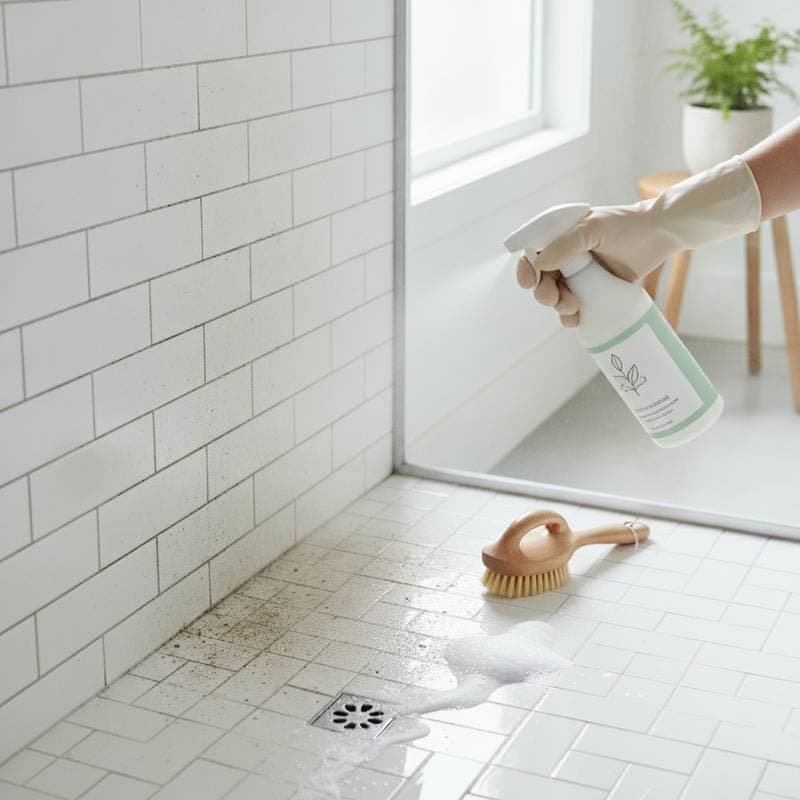
Homeowners often begin with basic tools such as a toothbrush, bucket, and commercial cleaner. Grout's porous nature allows it to trap dirt and moisture deeply. Over years, stains embed firmly, evading superficial treatments like bleach or vinegar mixtures, which yield inconsistent outcomes.
Professional cleaner James Kellar, founder of GroutPro Studio, notes, “The traditional scrub-and-soak technique suits occasional spot treatments, yet it proves laborious and uneven. Individuals may labor for hours on their knees, only to encounter patchy coloration or lingering residue.”
The Emergence of Laser Cleaning
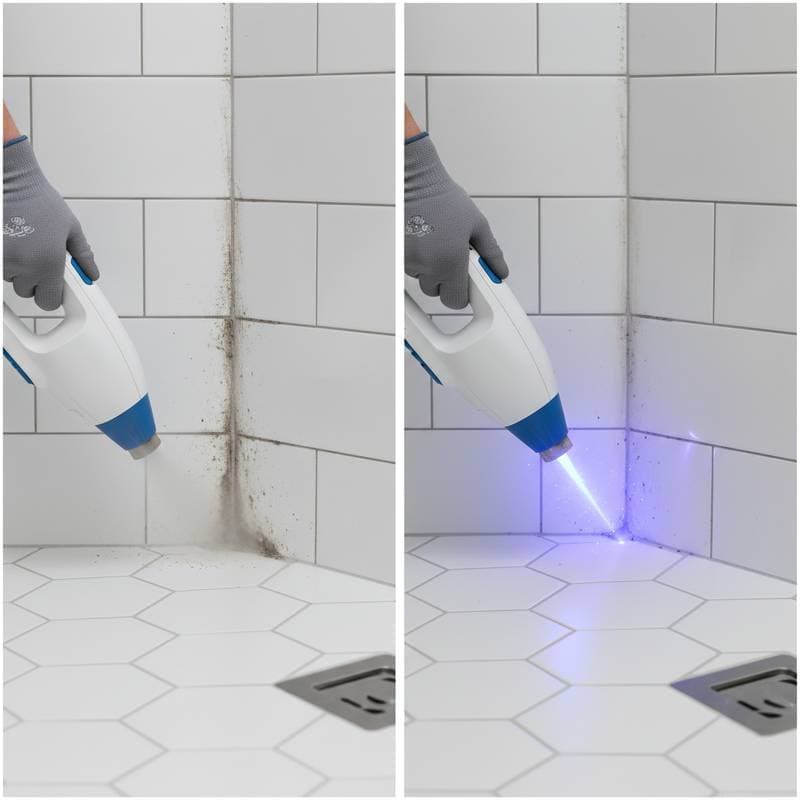
Laser-based grout cleaners arrived with a modern, streamlined design, offering to eliminate embedded stains without water or chemicals—capabilities beyond steam devices. Videos showcasing their use proliferated online, fueling rapid adoption.
Mechanics of Laser Cleaning
These tools employ concentrated light beams to disintegrate surface contaminants on grout. The energy vaporizes grime without direct contact or heat transfer to the tiles. This process resembles targeted illumination that eradicates impurities at a molecular level.
Dr. Mia Torres, a materials engineer advising cleaning equipment producers, states, “Though the technology appears formidable, it operates with remarkable subtlety. The laser isolates dirt molecules, preserving the underlying tile integrity.”
Key Advantages
Laser cleaning provides multiple benefits:
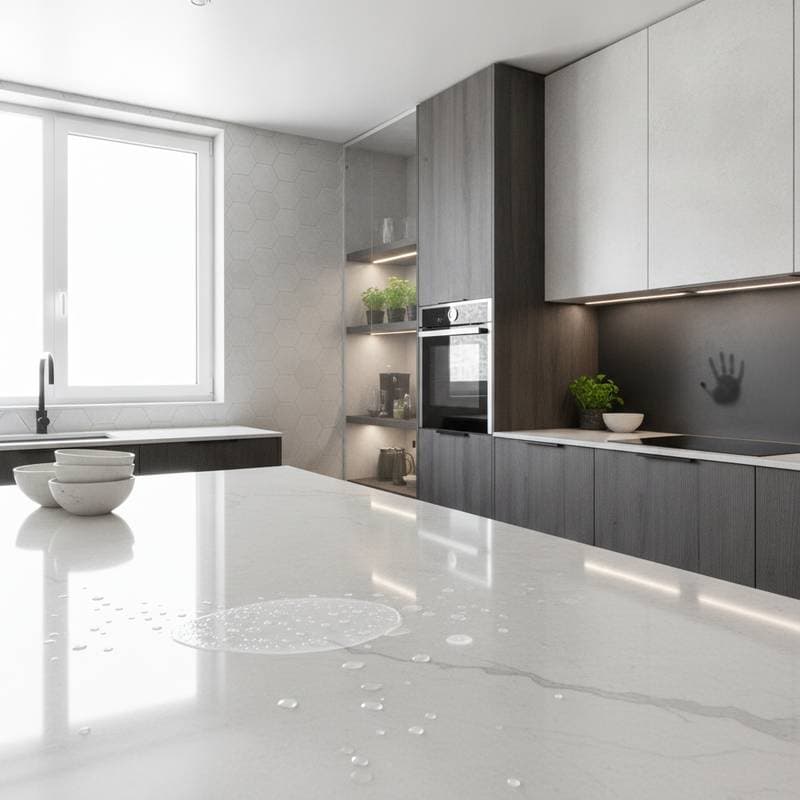
- Absence of moisture or chemicals, ideal for sensitive surfaces like marble or natural stone prone to water damage.
- Immediate visible changes, enhancing the satisfaction of real-time progress.
- Reduced cleanup, as no post-treatment rinsing or drying occurs.
Users who experimented with these devices observed grout color recovery surpassing professional services. The accuracy allows focused application on isolated areas, sparing the full floor from unnecessary treatment.
Potential Drawbacks
High initial costs represent the primary challenge, with laser units far exceeding steam alternatives in price. While commercial models dominate, consumer-friendly versions gain market traction.
Operators face a moderate learning phase to adjust beam intensity and duration. Improper handling, such as prolonged exposure, risks subtle finish alterations.
Torres adds, “Laser methods excel in revival efforts for premium or aged installations. However, they exceed requirements for routine upkeep in most households.”
Steam Cleaning as a Practical Alternative
Steam cleaners introduce high-temperature vapor to loosen and lift debris from grout pores. This water-based system penetrates deeply, sanitizing as it cleans without harsh additives.
How Steam Cleaning Functions
Devices generate pressurized steam that softens embedded particles, allowing easy removal with a brush or cloth. The heat kills bacteria and mold, addressing hygiene concerns common in bathrooms and kitchens.
Kellar explains, “Steam provides thorough penetration for moderate buildup, combining efficacy with simplicity. It suits diverse tile types, including ceramic and porcelain.”
Primary Benefits
Steam options appeal through:
- Cost-effectiveness and versatility for ongoing use.
- Eco-friendly operation, relying solely on heat and water.
- Broad sanitization, eliminating allergens and pathogens effectively.
Many users praise the method for transforming moderately soiled areas quickly, often in under an hour for standard rooms. Refillable water tanks support extended sessions without interruption.
Limitations to Consider
Steam requires drying time to prevent moisture-related issues like grout weakening. It may prove less effective against severe, longstanding discoloration compared to lasers.
Overuse on unsealed surfaces can lead to temporary clouding. Professionals recommend testing small sections first to gauge compatibility.
Selecting the Optimal Method
Both techniques succeed based on specific circumstances, such as stain severity and surface type.
Opt for Steam Cleaning If:
- Budget constraints favor an accessible, multi-purpose device.
- Stains range from light to moderate, responsive to heat penetration.
- Disinfection forms a priority alongside visible cleaning.
Select Laser Cleaning When:
- Deep restoration targets heavily discolored or aged grout.
- Delicate materials demand dry, non-invasive treatment.
- Precision outweighs frequency of application.
Kellar concludes, “Steam supports consistent maintenance, while lasers handle intensive renewal. Experts often integrate both tools, adapting to each project's demands.”
Realizing the Transformative Impact
Pristine grout elevates room aesthetics dramatically. It enhances tile vibrancy, accentuates patterns, and imparts a refined overall appearance. Dated spaces, from kitchens to entryways, regain contemporary appeal through these crisp lines.
Kellar observes, “Grout serves as the framework defining tile layouts. Clean lines unify the design; neglect draws focus to flaws.”
Enthusiasts frequently extend treatments beyond initial areas, applying to walls, showers, and counters. The enduring clarity motivates sustained home care routines, yielding long-term satisfaction.