Enzyme Cleaners Revolutionize Grout Maintenance
Imagine sunlight streaming across your kitchen floor, highlighting gleaming tiles overshadowed by faded, discolored grout lines. This common sight reflects the accumulation of daily wear, from spills to foot traffic, turning vibrant spaces dull. Homeowners face this challenge routinely, yet enzyme cleaners emerge as a transformative solution, converting laborious cleaning into an efficient, environmentally conscious process.
Understanding the Grout Challenge
Grout serves as the essential framework in tiled areas, securing tiles while trapping contaminants. It absorbs soap residues, oils from cooking, pet messes, outdoor dirt, and bacterial growth within its porous structure. Conventional cleaning methods rely on caustic chemicals or vigorous abrasion, which degrade grout integrity over time. Bleach may temporarily brighten surfaces, but it fails to eliminate embedded dirt, while residue from sprays often accelerates future soiling.
The Science Behind Enzyme Action
Enzyme cleaners harness biological processes that mimic natural decomposition. Enzymes function as specialized proteins that catalyze reactions, fragmenting complex organic compounds into simpler, water-soluble components.
Applied to grout, these agents penetrate and dissolve trapped organics, such as fats, proteins, and starches. This targeted breakdown ensures thorough removal rather than superficial treatment, resulting in grout that appears and remains cleaner longer. The process requires no harsh additives, preserving both surface and surrounding materials.
Factors Driving Their Popularity
Enzyme cleaners gain widespread attention through compelling demonstrations on social platforms, where users showcase rapid transformations from dingy to dazzling grout. Their effectiveness stems from ease of use, coupled with safety and ecological advantages. Homeowners report visible improvements after one application, eliminating the need for toxic vapors or physical strain.
Beyond immediate appeal, consistent application prevents reaccumulation, extending the intervals between deep cleans. This combination of practicality and performance fuels shares and recommendations across online communities.
Benefits for Safety and Sustainability
Enzyme cleaners align with preferences for non-toxic household products. Fully biodegradable and free from harmful substances, they pose no risk to pets, children, or sensitive individuals. Formulas often incorporate subtle plant-based scents that dissipate rapidly, avoiding lingering artificial odors.
In compact living areas with poor airflow, these cleaners minimize health concerns associated with volatile compounds. Renters benefit from their gentle formulation, which avoids surface damage while delivering professional-level results.
Choosing Between Commercial and Homemade Varieties
Commercial enzyme cleaners are readily available at specialty retailers and digital platforms, offering concentrated formulas for stubborn stains. For those interested in customization, a homemade alternative provides an accessible entry point.
Prepare a basic version by combining:
- Citrus peels to provide natural enzymes and acidity.
- Brown sugar to initiate fermentation.
- Water as the medium for the mixture.
Seal the ingredients in a jar and allow fermentation for two to four weeks at room temperature. Strain the liquid, dilute with equal parts water, and store in a spray bottle. This preparation suits routine maintenance on minor buildup, though professional products excel for intensive tasks.
Guide to Effective Application
Achieve optimal results with a structured approach:
- Clear the area by vacuuming or sweeping away loose particles.
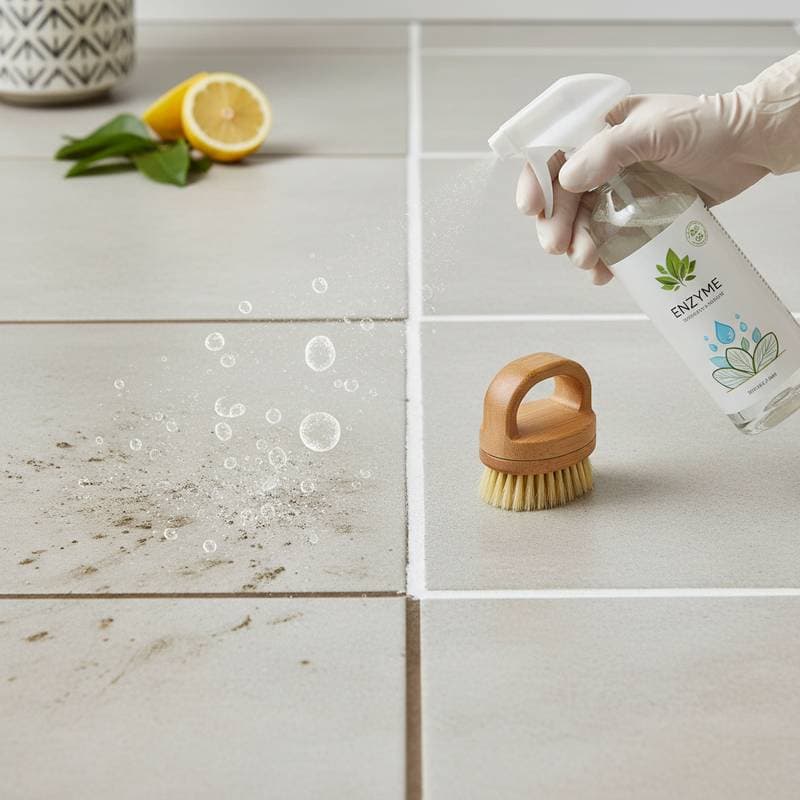
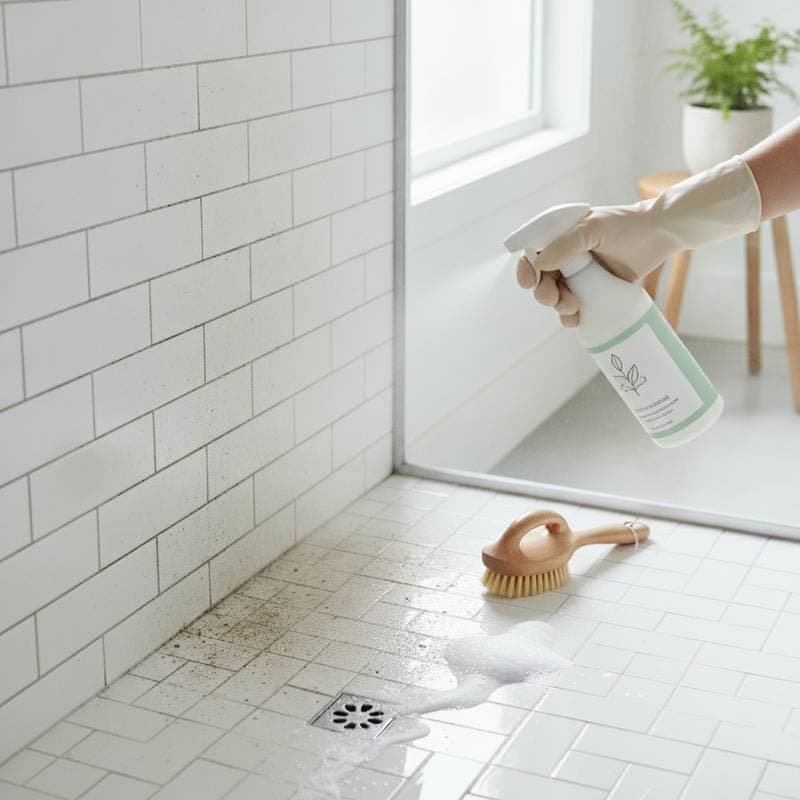
- Apply the enzyme cleaner liberally along grout lines using a spray bottle.
- Allow it to dwell for a minimum of fifteen minutes, enabling enzymatic activity to penetrate.
- Gently agitate with a soft-bristled brush to dislodge softened debris.
- Rinse thoroughly with warm water and dry with a clean cloth to reveal enhanced clarity.
For severe discoloration, apply multiple times over consecutive days. The enzymes persist in breaking down residues, rewarding methodical use with lasting renewal.
Perspectives from Cleaning Professionals
Industry experts increasingly incorporate enzyme cleaners into their routines. They note reduced reliance on mechanical tools, prolonged grout durability, and effective control of moisture-related issues like mold in bathrooms. By addressing organic causes of stains and smells, these products deliver comprehensive sanitation superior to basic sanitizers.
Sustaining Grout Freshness
After initial restoration, integrate enzyme cleaners into weekly upkeep. A light spray followed by a damp cloth wipe prevents gradual dulling. This preventive strategy transforms floor care from a chore into a simple habit that preserves aesthetic appeal.
Implementing Enzyme Cleaning Routines
Embrace enzyme cleaners to simplify grout maintenance without compromising on cleanliness or environmental responsibility. Select a product suited to your needs, apply consistently, and enjoy floors that reflect care and vitality.