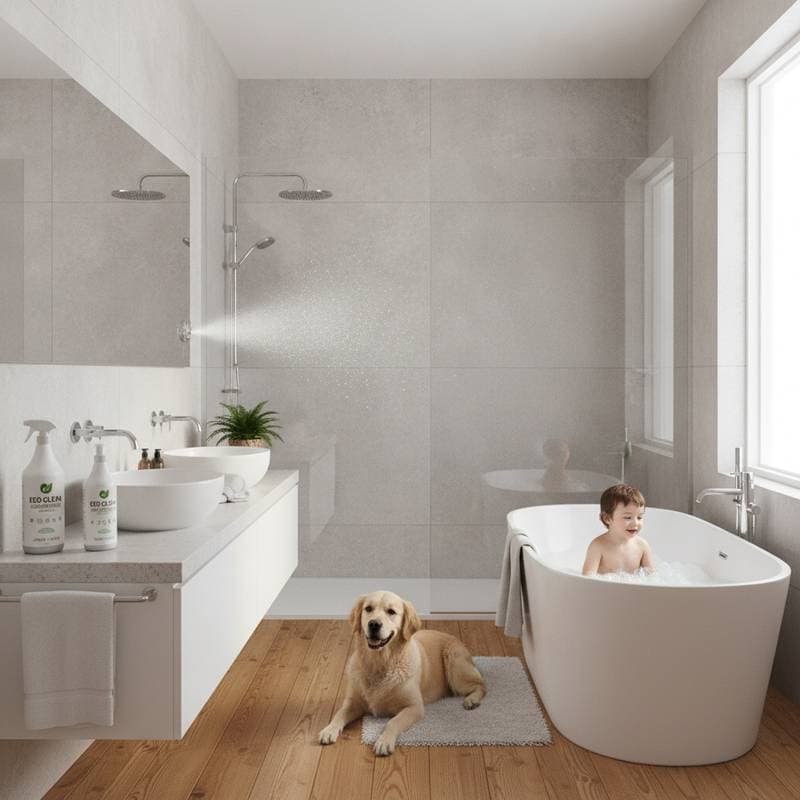
Key Points
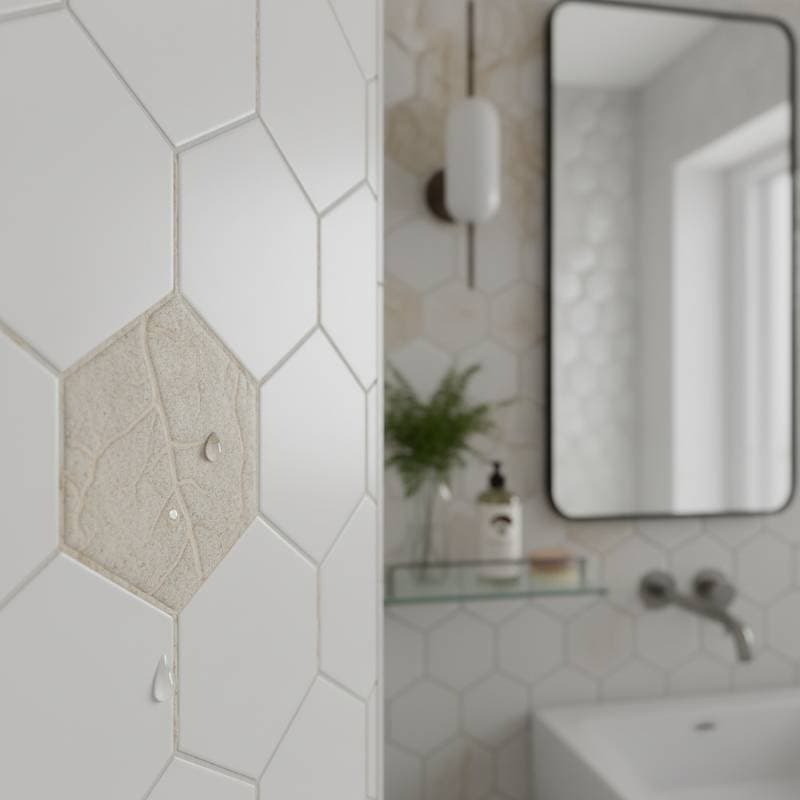
- Budget-conscious homeowners gain access to a natural antimicrobial grout derived from mycelium, offering an affordable alternative to synthetic options.
- Enhanced safety and hygiene result from the material's resistance to bacteria and mold, minimizing health risks in moist environments.
- Straightforward DIY installation aligns closely with standard grouting techniques, requiring minimal specialized skills.
- Sustainable production utilizes agricultural byproducts, providing an environmentally superior choice compared to chemical-laden grouts.
- Superior long-term durability matches or exceeds traditional grouts, fostering a cleaner and more resilient bathroom space.
The Role of Mycelium in Modern Construction
Mycelium, the root-like network of fungi, captivates architects and material scientists with its remarkable strength, adaptability, and built-in antimicrobial defenses. Properly cultivated and processed, it develops into a compact, porous matrix that repels excess moisture and inhibits microbial proliferation. In comparison, conventional cement grouts often retain water within their fine pores, even after sealing, which fosters discoloration and fungal growth over time.
Essential Materials and Tools
Materials
- Mycelium grout compound in pre-mixed form or as a powder for on-site preparation
- Purified water to activate powder variants, ensuring optimal hydration without contaminants
- Bio-compatible tile sealer designed for organic substrates to enhance water resistance
- Neutral pH cleaner, such as a diluted vinegar solution, for post-application cleanup
Tools
- Flexible rubber grout float for even application pressure
- Absorbent sponges and lint-free rags for excess removal
- Sturdy plastic mixing bucket to avoid chemical reactions
- Margin trowel or electric paddle mixer for thorough blending
- Fine-bristle brush to refine joint edges and achieve smooth finishes
Opt for non-metallic tools throughout to prevent interactions with the grout's organic components. A battery-powered mixer proves particularly useful for larger projects, yielding a uniform paste without excessive manual effort.
Detailed Installation Guide
-
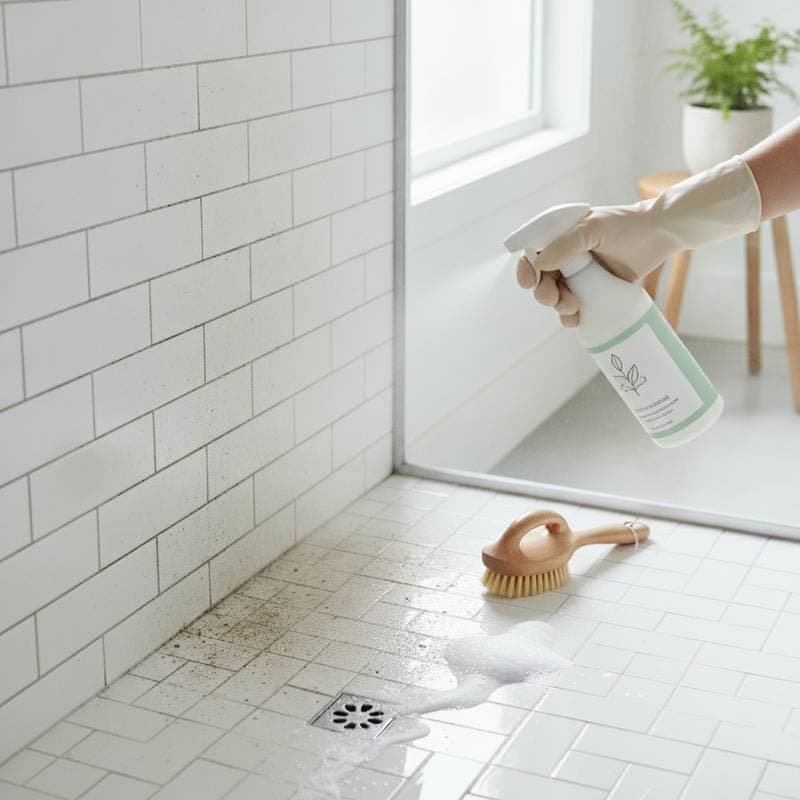
Surface Preparation: Scrub tile joints with a stiff brush and mild detergent to eliminate all residue, dust, and remnants of prior grout. Allow the area to dry completely, typically for 24 hours, to ensure strong adhesion.
-
Compound Mixing: Follow manufacturer guidelines precisely, combining powder with water in gradual increments until achieving a thick, lump-free consistency akin to peanut butter. Limit mixing to two minutes to preserve the integrity of mycelium filaments.
-
Joint Filling: Scoop the mixture onto the grout float and force it into gaps at a 45-degree angle, ensuring full penetration. Proceed section by section, covering no more than two square feet at a time to control setting.
-
Excess Removal: After 10 to 15 minutes, when the grout firms slightly, glide a damp sponge diagonally across tiles to lift surplus material. Rinse the sponge in clean water every pass to avoid reintroducing haze.
-
Curing Phase: Permit 48 to 72 hours for full hardening, depending on humidity levels. Mycelium formulations set gradually, developing flexibility that withstands minor substrate shifts without fracturing.
-
Protective Sealing: Apply a thin layer of eco-sealer with a foam brush, working in light coats to avoid pooling. This step bolsters defense against standing water while maintaining the material's breathability.
Maintenance and Inspection Practices
Post-installation, examine joints under good lighting for consistent opacity and firmness. Natural variations in shade may occur due to the organic composition, but uneven textures signal the need for re-mixing in affected areas. During the initial curing, periodic light misting with water every 12 hours supports even hydration and minimizes surface cracks.
For ongoing care, employ gentle wiping with a soft cloth and pH-neutral solution. Steer clear of corrosive substances like bleach, which degrade the fungal structure over repeated exposures. The grout's innate antimicrobial action suppresses biofilm formation, often halving the frequency of deep cleans compared to standard installations.
Sustained Advantages for Homeowners
Mycelium grout excels by integrating robust functionality with ecological responsibility. It repurposes crop residues into a viable construction resource, sidestepping the energy-intensive production and toxic emissions of petroleum-based additives. Homeowners enjoy bathrooms that demand less intervention, harbor fewer allergens, and contribute positively to waste reduction efforts.
This innovation harmonizes age-old tiling methods with forward-thinking biomaterials, delivering joints that endure daily wear while prioritizing occupant well-being. As demand for green alternatives rises, adopting mycelium grout positions residences at the forefront of sustainable living.
Advancing with Bio-Materials
With bio-engineered products like mycelium grout entering mainstream markets, familiarizing oneself with their nuances unlocks broader applications in home renovation. This approach not only elevates hygiene standards but also aligns personal projects with global sustainability objectives, paving the way for healthier indoor spaces.