Why Enzyme Cleaners Excel in Natural Bathroom Deep Cleaning
Deep cleaning the bathroom once meant relying on bleach, which often left eyes watering and hands smelling like a chlorinated pool. In many households, the sharp scent of chemicals served as a marker of thoroughness. Yet, after years of exploring home care products, it became clear that risking respiratory health for a clean surface was unnecessary.
The Shift in Cleaning Approach
The turning point arrived during sessions that required opening windows and covering the face to breathe comfortably. One comment captured the frustration: if the options were mold or bleach fumes, perhaps tolerating mold seemed preferable. This realization prompted exploration into enzyme cleaners, first encountered through eco-conscious online communities. Doubts about their performance in humid environments quickly dissipated upon testing.
Understanding Enzyme Cleaners
The Surge in Popularity
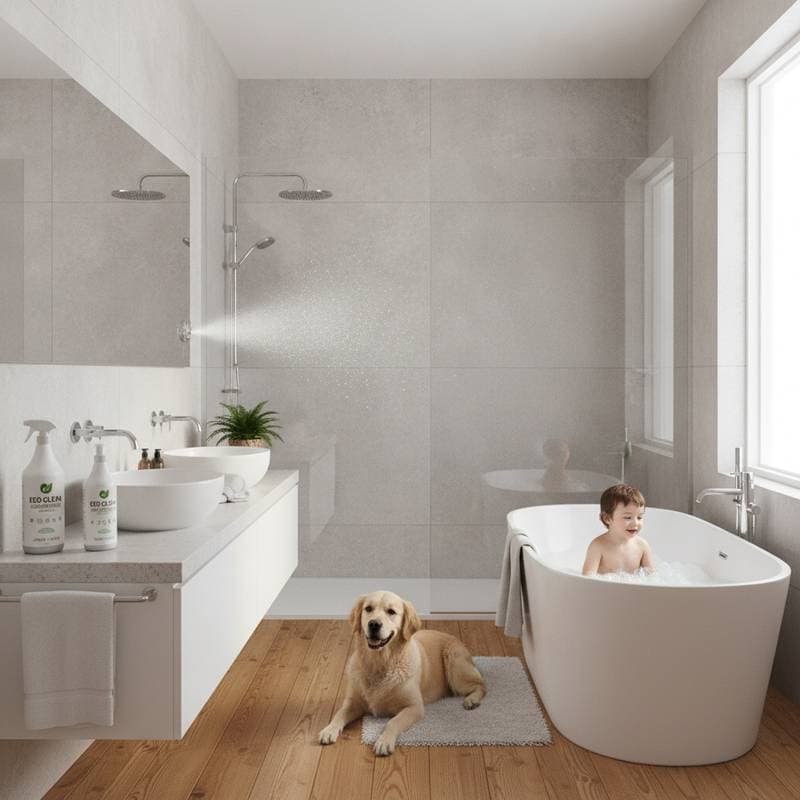
Enzyme cleaners gain traction because they align with modern demands for sustainability and safety. These products remain gentle on pets and the environment while effectively handling tough bathroom residues. They fit into effortless routines, as the enzymes continue their work over time, even during daily use.
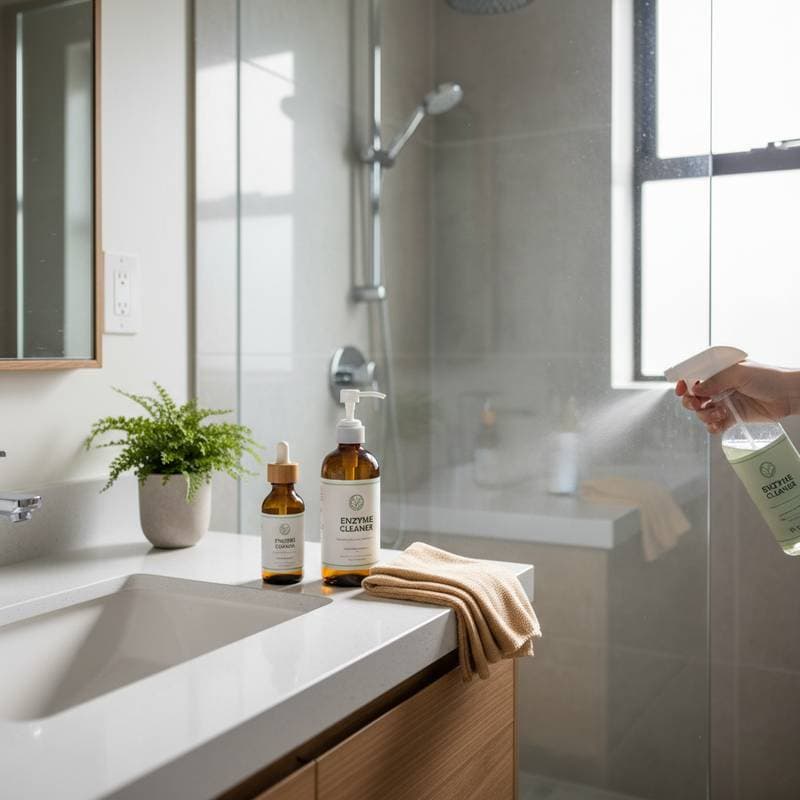
Social platforms highlight their effectiveness through simple demonstrations: a clear spray applied to a grimy shower yields gleaming tiles with minimal effort. Personal trials confirmed these claims, leading to enthusiastic recommendations among peers.
Steps for Effective Use in Deep Cleaning
Achieving optimal results with enzyme cleaners follows a simple sequence, refined through extensive product evaluations.
-
Prepare the surface. Remove items like towels and toiletries to allow direct access to soiled areas. Enzymes perform best with unobstructed contact.
-
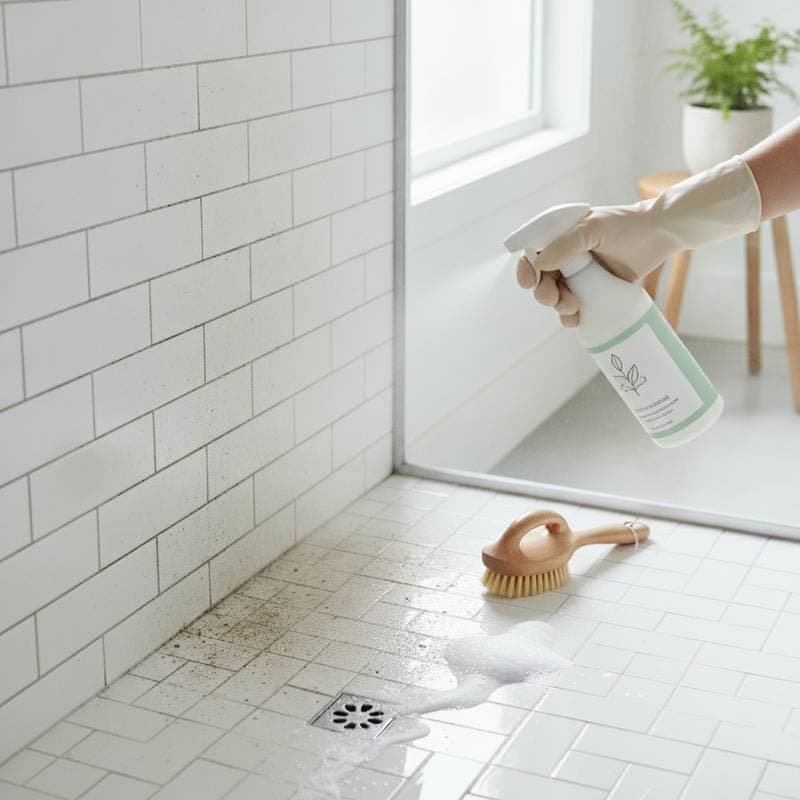
Apply generously. Use enough product to saturate sinks, tubs, and toilet bases fully. Thorough coverage enhances breakdown efficiency.
-
Allow time for action. Resist the urge to scrub immediately; enzymes need activation time. Wait at least thirty minutes while completing other household chores.
-
Wipe with minimal effort. Return to find loosened grime that wipes away easily. A soft microfiber cloth provides the smoothest finish.
-
Rinse and reapply as needed. For stubborn, aged stains, apply a second round. Maintain cleanliness with diluted sprays every few days.
Observations on Performance
Early uses did not eliminate every mark instantly; some deep-set grout stains required repeated treatments. The true advantage lay in prolonged freshness: enzymes address odor sources that bleach merely masks. This method eradicates smells at their origin.
Cleaning without constant ventilation or lingering chemical odors proves liberating. Pets stay close during sessions without distress, matching the satisfaction of spotless fixtures.
Selecting an Appropriate Product
Not all enzyme cleaners suit bathroom tasks; some focus on fabrics or pet messes. Choose formulas labeled for tiles and hard surfaces, ensuring a blend of enzyme types for broad coverage. Options range from ready-to-use sprays to concentrates that dilute for custom strength. Concentrates provide cost savings and flexibility.
For a homemade alternative, combine citrus peels, sugar, and water to ferment a basic solution. This approach works well, though preparation takes several weeks.
Building Lasting Habits with Enzyme Cleaners
Transitioning to enzyme cleaners fosters routines that reduce toxicity and effort while supporting environmental health. A bathroom that cleans up without evoking a chemical plant delivers genuine peace of mind.
Now, post-cleaning sessions leave a light citrus aroma, absent any bleach residue or regret. While grout still needs occasional attention, maintenance feels streamlined. For anyone considering this switch, enzyme cleaners offer a reliable path to transformed cleaning practices.