The Rise of Enzyme-Based Bathroom Cleaning
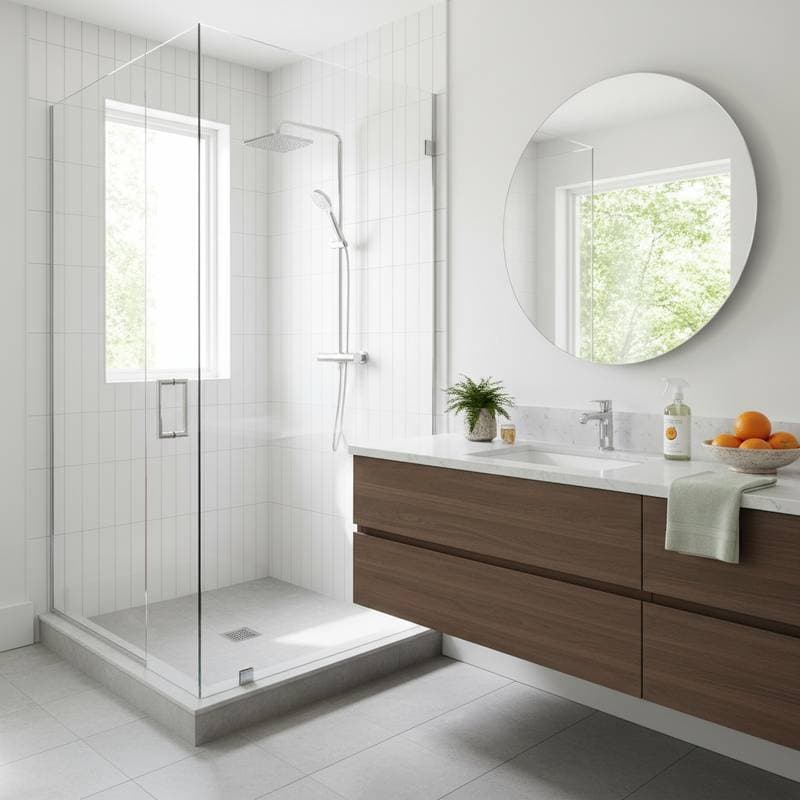
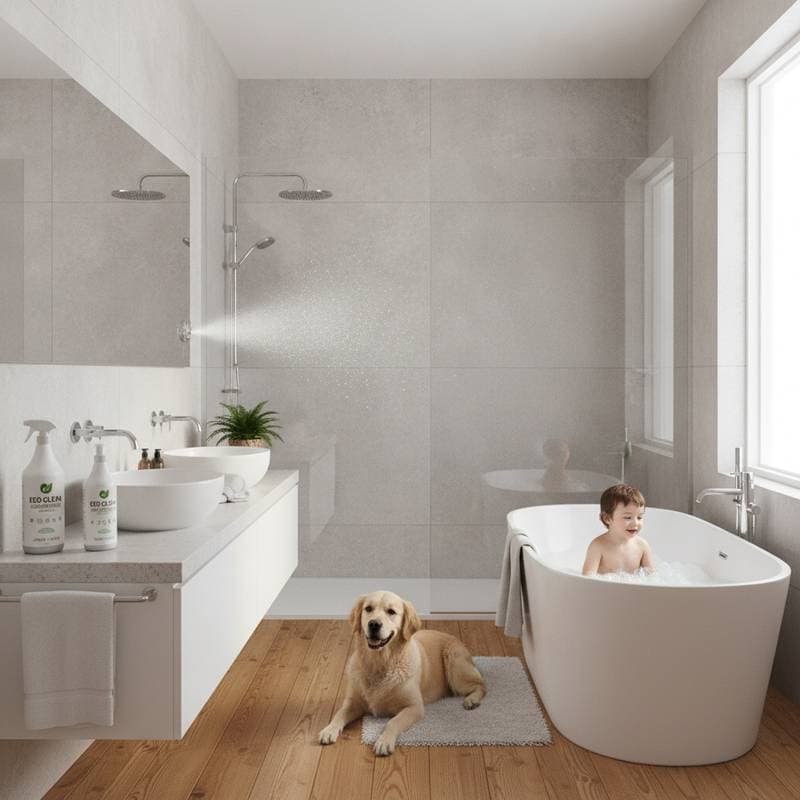
Natural light floods the bathroom on a clear morning, highlighting soap scum on the shower door, clouded mirrors, and dull grout lines. The usual response involves chemical sprays with strong odors and prolonged scrubbing. Enzyme cleaning offers an alternative that eliminates these issues through biological action.
This method uses nature's catalysts to target and dissolve organic buildup. Users apply the solution and allow it to work, avoiding protective gear or intensive labor. The result is a refreshed space with minimal effort.
Understanding Enzyme Action in Cleaning
Enzymes function as biological catalysts, proteins that accelerate chemical reactions without being consumed. In household cleaning, they decompose organic matter that standard detergents overlook. These proteins identify and break bonds in substances like soap residue, oils, and mildew.
- Proteases degrade proteins from skin cells and related grime.
- Amylases process starches in toothpaste and shampoo remnants.
- Lipases break down fats and oils on surfaces like tiles and fixtures.
Together, these enzymes address multiple contaminants at the molecular level. Surfaces emerge clean rather than merely coated, providing lasting results.
The Appeal Driving Online Interest
Enzyme cleaners gain popularity for their practical benefits over traditional options. Chemical products demand immediate effort and leave artificial scents, while enzymes operate gradually and naturally. After application, they continue degrading residue even post-rinse.
Individuals who previously spent hours on grout or fixtures report significant time savings. This approach relies on biological efficiency rather than mechanical force, transforming routine maintenance.
Preparing a Homemade Enzyme Cleaner
Home preparation of enzyme cleaners proves straightforward and cost-effective. Citrus peels serve as the base, leveraging their oils for added degreasing. The process involves fermentation to generate active enzymes.
Gather these ingredients:
- Peels from oranges, lemons, or limes
- Brown sugar
- Water
- A sealable glass jar
Follow these steps:
- Pack the jar one-third full with fresh citrus peels to release essential oils.
- Add two to three tablespoons of brown sugar to initiate fermentation.
- Pour in water to fill, leaving one inch of headspace.
- Secure the lid loosely and place in a warm spot for two to four weeks. Shake daily to mix.
- Strain the liquid once bubbling ceases, then dilute 1:1 with water in a spray bottle.
The resulting solution carries a mild citrus aroma, enhancing the cleaning experience without overpowering scents.
Application Areas in the Bathroom
Enzyme cleaners suit a range of bathroom surfaces due to their gentle nature. Apply directly to problem areas and allow dwell time for optimal effect.
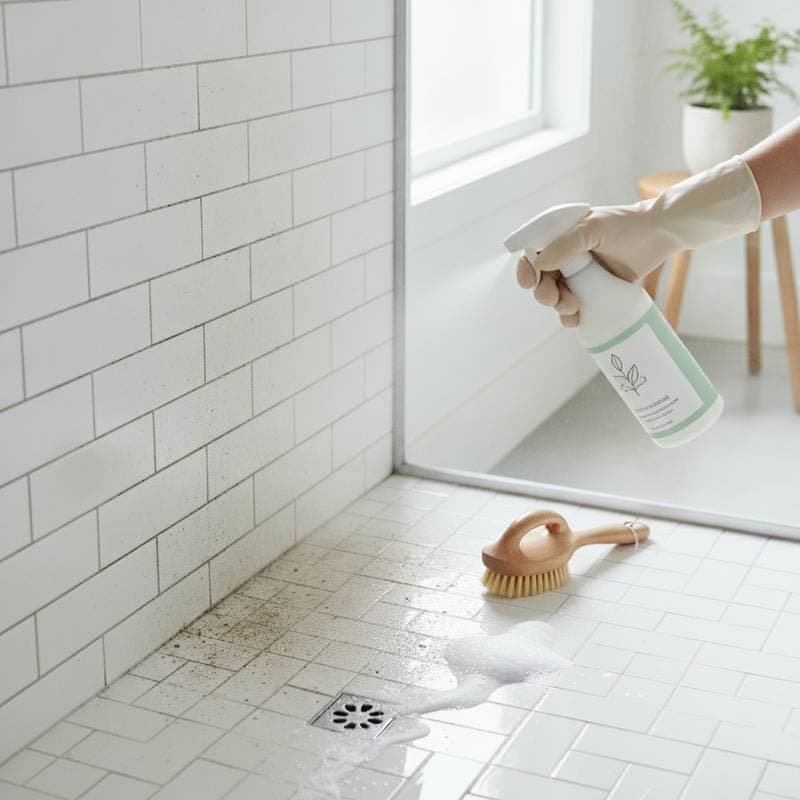
- Shower tiles and grout: Spray liberally, wait 10 to 15 minutes, then wipe with a soft cloth. This loosens mildew and scum.
- Toilets and sinks: Apply to interiors, let sit five minutes, and flush or rinse to eliminate odor-causing organics.
- Mirrors and glass: Use a diluted spray for wipe-free clarity, avoiding streaks.
- Drains: Introduce one cup weekly to prevent blockages and neutralize smells.
Test on natural stones like marble first, as citrus acidity may affect finishes.
Environmental Benefits of Enzyme Use
Conventional cleaners contain surfactants, ammonia, and chlorine that harm skin, air quality, and waterways. Enzyme alternatives break down naturally without toxicity. They biodegrade fully, posing no environmental threat.
Rinsing sends beneficial microbes into drains, aiding sewage processing. This dual action supports home cleanliness and broader ecological health.
Perspectives from Cleaning Professionals
Experts in sustainable cleaning endorse enzymes for their efficacy and safety. Commercial services integrate them to achieve thorough results without residue.
One specialist notes that enzymes dismantle contaminants rather than cover them. This leads to surfaces that remain fresh longer, reducing cleaning frequency. Families with children or pets benefit from the non-irritating formula and subtle scent.
Incorporating Enzymes into Daily Habits
Enzyme cleaners excel in preventive maintenance over crisis intervention. Apply after showers to inhibit scum formation. A quick sink wipe daily prevents residue accumulation.
The ongoing action allows application without immediate follow-up, fitting busy schedules. For portability, small bottles replace multiple products during travel or moves.
Addressing Potential Challenges
A fermented odor in the mixture signals over-fermentation; dilute further or reduce brewing time next batch. Aim for a tangy, not vinegary, profile.
On thick buildup, reapply after initial dwell, extending contact to 20 minutes. Effectiveness builds with consistent use as enzymes accumulate impact.
Combine with a baking soda paste for persistent mildew: mix soda and water, apply after enzyme spray, then rinse for enhanced stain removal.
Extending Enzyme Cleaning Beyond the Bathroom
Success in bathrooms encourages broader application. Use on kitchen counters for grease, upholstery for spots, or pet areas for accidents.
Pair with reusable tools like microfiber cloths to minimize waste. For convenience, select commercial bio-enzymatic products if preparation time is limited.
Sustaining Cleaner Spaces Long-Term
Adopting enzyme methods shifts cleaning from chore to efficient practice. Homes maintain freshness with reduced effort, honoring both living spaces and the environment.