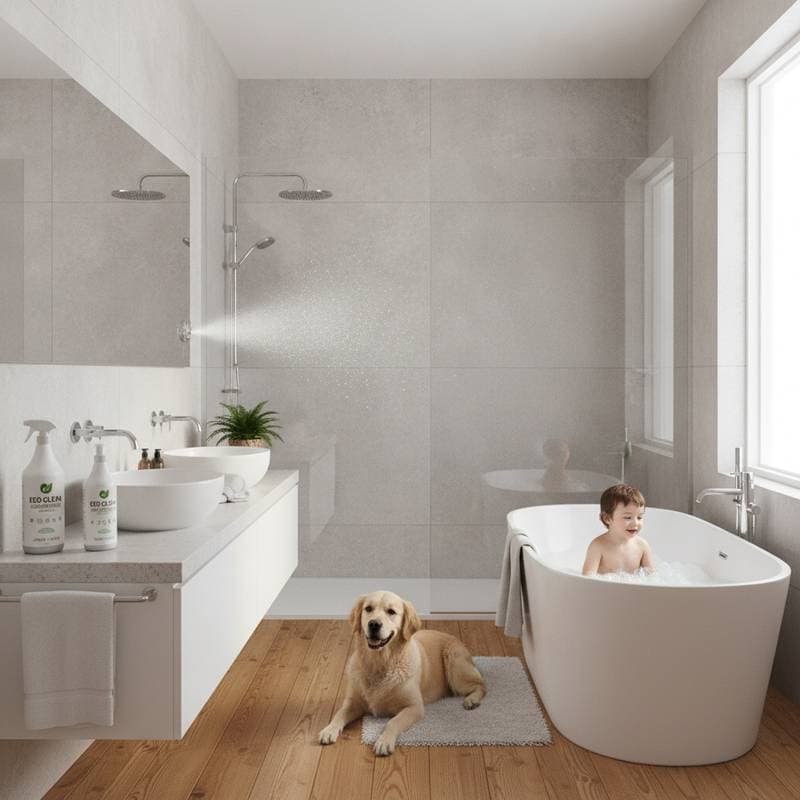
Why Enzymatic Cleaners Outperform Harsh Chemicals
Imagine entering your bathroom for a routine cleanup, only to confront persistent soap scum on tiles and embedded stains in the grout. The lingering scent of artificial citrus evokes memories of previous encounters with abrasive cleaners that irritated your senses. This scenario highlights the tension between achieving cleanliness and maintaining comfort. For numerous households, chemical products have served as the standard solution. However, microscopic natural agents offer a transformative approach.
Understanding Enzymatic Cleaning
Enzymatic cleaners derive from biological processes and operate through natural proteins known as enzymes. These proteins accelerate chemical reactions to degrade organic substances like food remnants, pet messes, and bodily oils at the molecular level. Envision countless minute agents systematically dismantling dirt into water-soluble components that rinse away with ease.
Limitations of Chemical Cleaners
Chemical cleaners provide rapid visible effects, yet this efficiency carries drawbacks. Formulations frequently include bleach, ammonia, or acids that provoke skin irritation, harm textiles, and compromise indoor air quality. Artificial fragrances merely conceal smells temporarily without eradicating the underlying organic origins. Consequently, users often engage in repeated applications, as issues reemerge persistently.
Prolonged exposure to these substances can erode countertop finishes, degrade plumbing components, and disrupt the natural microbial balance within living spaces. Enzymatic cleaners, by comparison, preserve this equilibrium through effective removal of contaminants while respecting the home's inherent ecosystem.
Specialized Enzyme Functions
Enzymes exhibit remarkable specificity, with each type designed to address particular substances:
- Protease degrades proteins found in blood, perspiration, and certain food residues.
- Amylase processes starches from sauces, grains, and similar spills.
- Lipase dissolves fats and oils on kitchen appliances and cookware.
- Cellulase handles plant-derived materials such as paper fragments or fabric fibers.
This specialization enhances the adaptability of enzymatic cleaners across applications. They effectively manage laundry malodors, carpet accidents from pets, and drain clogs, all without the pungent aromas or erosive properties of traditional alternatives. Such versatility equates to a tailored response for diverse cleaning challenges.
Environmental Advantages
Individuals concerned with wastewater impacts find reassurance in enzymatic cleaners. These products biodegrade fully, continuing to decompose organic matter post-rinse. Rather than introducing persistent synthetic pollutants into aquatic systems, they contribute to natural waste remediation.
Their mild nature eliminates the necessity for protective gear like gloves or masks during use. The process evolves into a straightforward, low-stress activity. Environmentally aware consumers value the concentrated formulations, which minimize packaging materials and transportation emissions.
Integrating Enzymatic Cleaners Daily
Incorporating enzymatic cleaners requires minimal disruption to existing habits. Begin with targeted applications to appreciate their benefits. Consider these strategies:
-
Bathroom Maintenance
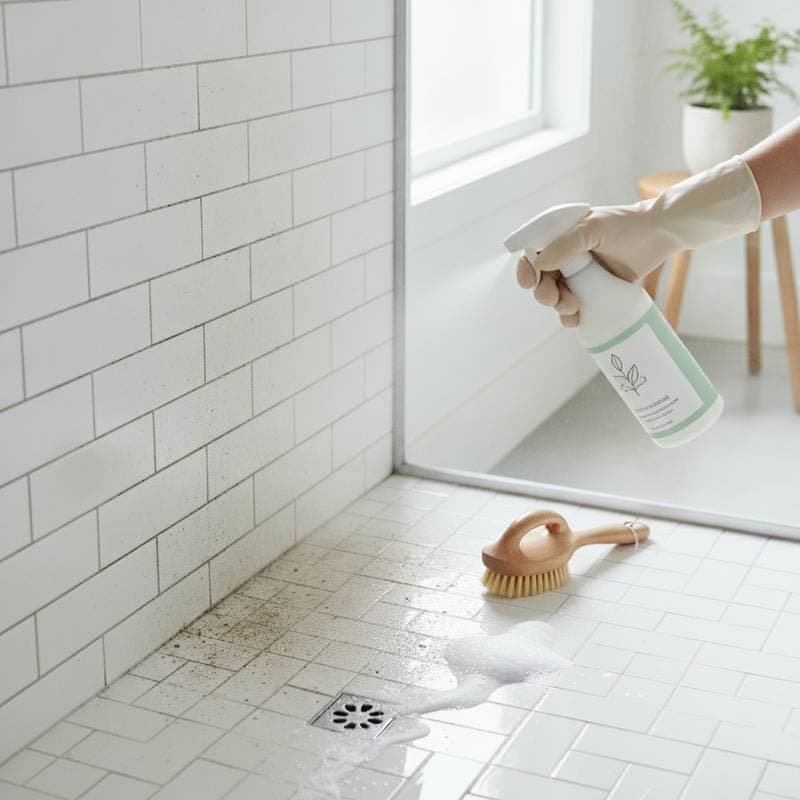
Apply the cleaner to grout lines or tub edges, allow several minutes for penetration, then wipe away. Residual enzymes persist, progressively diminishing accumulated deposits.
-
Laundry Enhancement
Treat stains with an enzymatic solution prior to machine washing. This method removes organic marks from grass, sweat, or meals while preserving fabric vibrancy.
-
Pet Area Care
Blot excess moisture from carpets or furniture, apply the cleaner, and permit air drying. Enzymes neutralize odor sources completely, rather than overlaying them.
-
Kitchen Grease Removal
Spray enzymatic formula on stovetops, hoods, or sink drains to break down accumulations. Results emerge without intensive effort or noxious emissions.
Professional Perspectives on Safety and Efficacy
Cleaning experts endorse enzymatic products for their dual benefits of performance and security. Clients frequently report reduced instances of allergies and enhanced air freshness upon adoption. These cleaners prolong the durability of high-traffic areas like bathrooms and kitchens, where humidity fosters organic buildup.
Success depends on allowing sufficient contact time. While they lack the immediate sheen of chemical bleaches, enzymatic actions yield superior, lasting results by eliminating recurrence triggers.
Embracing Sustainable Cleaning Practices
Adopting enzymatic cleaners fosters a shift toward mindful home care. Homes treated this way exhibit a subtler freshness, free from overpowering scents, with an overall lighter atmosphere.
This method redefines maintenance as nurturing rather than remediation. It aligns with principles of balance and vitality, akin to cultivating living elements in your surroundings.
Steps to Transition Effectively
Transitioning to enzymatic cleaners represents an intentional enhancement to daily life. It embodies priorities of gentleness, awareness, and ecological responsibility. Initiate in a single zone, such as the bathroom or laundry, and monitor the positive changes.
When selecting from under-sink storage next, consider the subtle efficacy of these natural agents. They demonstrate how biological ingenuity resolves even the most stubborn domestic issues with grace.