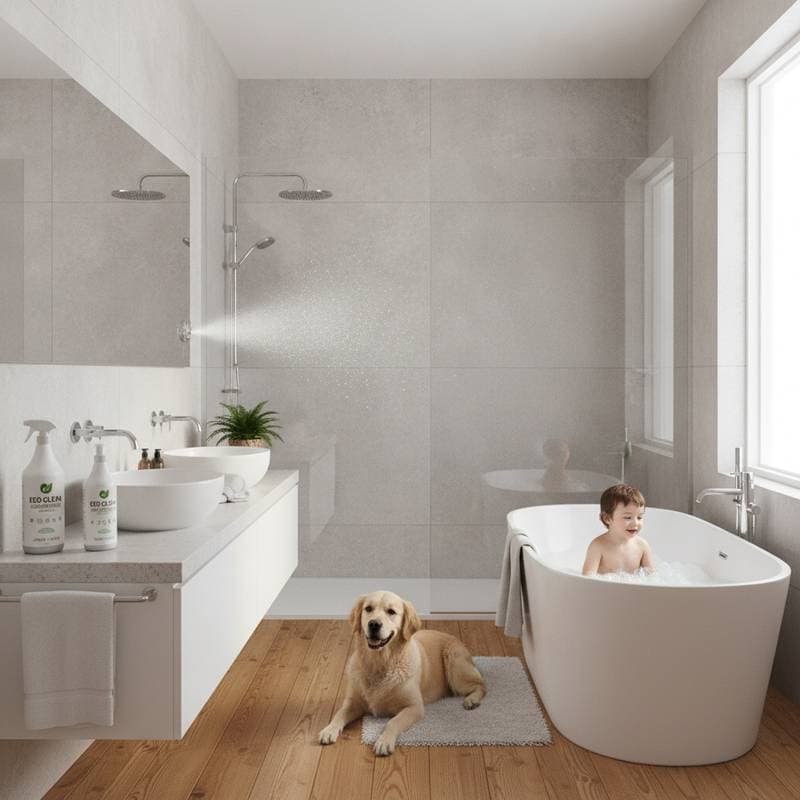
Enzyme Cleaners: An Eco-Friendly Revolution for Spotless Bathrooms
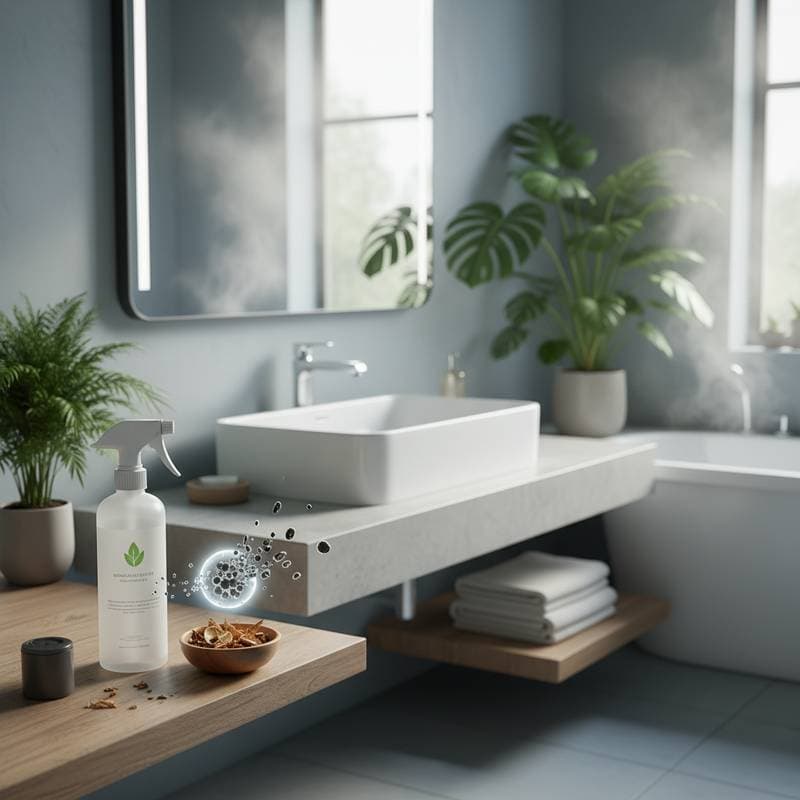
Many people have faced the frustration of standing in the bathroom surrounded by multiple cleaning bottles, each promising superior results, yet the grime persists. Traditional cleaners often depend on harsh chemicals that produce overpowering odors and irritate skin, eyes, and lungs. If a cleaning session has ever left the need for fresh air greater than the desire for a spotless mirror, this experience is common. Enzyme cleaners offer a refreshing alternative. These products deliver effective results through gentle, safe methods that prioritize both efficacy and environmental responsibility.
Understanding Enzyme Cleaners
Enzyme cleaners harness natural proteins known as enzymes to dismantle organic matter, including soap scum, body oils, mildew, and bacteria. These enzymes function as microscopic biological agents that digest messes rather than merely concealing them. Specific enzymes target distinct types of grime: proteases address proteins in body fluids, lipases dissolve fats and oils, and amylases process starches. This combination creates a comprehensive cleaning approach that eliminates residue at the molecular level.
The Essential Role of Enzymes in Bathroom Cleaning
Bathrooms provide an ideal setting for enzyme cleaners to demonstrate their strengths. High humidity fosters organic residue and encourages stubborn accumulation. Common challenges include toothpaste splatters, hard water stains, soap remnants, and unseen germs. Enzyme cleaners manage these issues without introducing harsh elements.
Apply these cleaners to tile, grout, toilets, sinks, tubs, and shower curtains. They excel in combating mold and mildew by degrading the biofilm that sustains these organisms. This preventive action reduces recurring issues and minimizes the need for intensive scrubbing over time.
One homeowner shared that she had abandoned efforts to whiten her grout, as every product either irritated her senses or deposited chalky residue. After adopting an enzyme-based grout cleaner, the transformation was remarkable. Within two weeks, the grout appeared brighter, and the musty odor had vanished. Such outcomes convert skeptics into advocates.
Environmental Benefits of Enzyme Cleaners
Sustainability merits consideration in cleaning choices. Many traditional bathroom products include phosphates, chlorine, and synthetic fragrances that pose risks to aquatic ecosystems upon drainage. Enzyme cleaners consist of biodegradable, non-toxic components safe for septic systems. Their ingredients decompose naturally, allowing users to contribute positively to environmental health.
These cleaners often arrive in concentrated forms, reducing product usage and plastic waste generation. Certain brands provide refill options or dissolvable tablets. Such practical features support gradual, impactful shifts toward greener practices.
For individuals seeking to adopt sustainable cleaning habits, enzyme cleaners represent a straightforward transition. Effectiveness need not yield to ecological priorities. Upon observing their performance against challenging bathroom stains, users may reevaluate their entire cleaning collection.
The Mechanism of Enzyme Cleaners
Enzyme cleaners derive their effectiveness from a deliberate process. Unlike rapid-acting bleach sprays, enzymes require contact time to activate fully, which enhances their thoroughness. Upon application to a surface, they initiate the gradual breakdown of organic matter. Allow several minutes for digestion before wiping; extended dwell times yield deeper results.
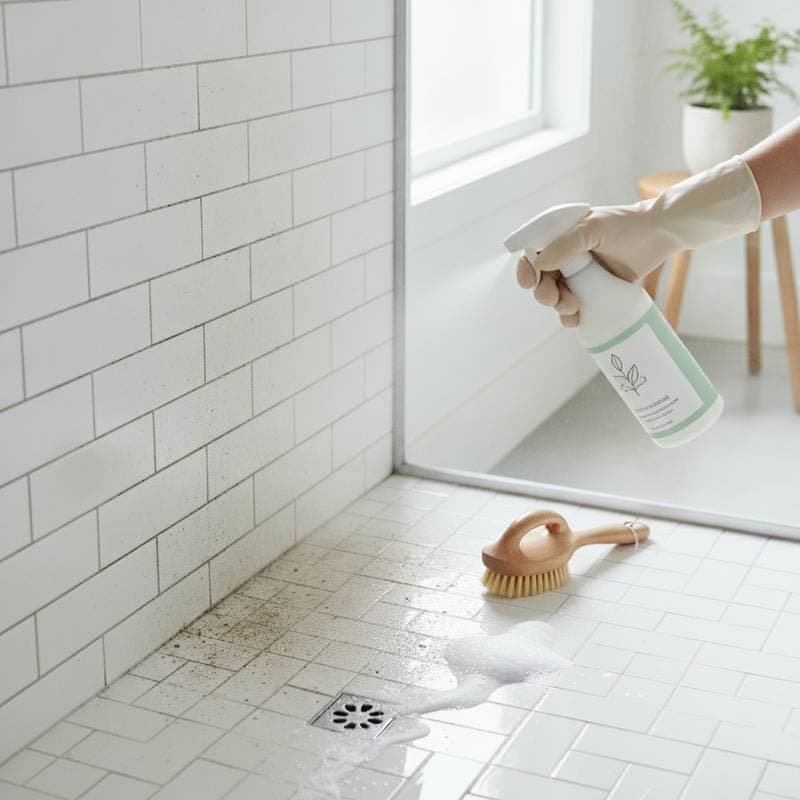
Consider cleaning a shower floor affected by soap buildup. Apply the enzyme cleaner liberally, permit it to sit for ten to fifteen minutes, then rinse or wipe away. This method achieves a profound clean without damaging surfaces or leaving behind residues.
Practical Applications in Bathroom Areas
Integrate enzyme cleaners systematically across bathroom zones.
1. Toilets
Incorporate an enzyme toilet cleaner into weekly routines to avert stains and odors. The enzymes penetrate under the rim and within the bowl to degrade organic waste. For ongoing maintenance, introduce a small quantity directly into the tank to sustain freshness.
2. Sinks and Faucets
Body oils, toothpaste, and soap accumulate around drains and fixtures. An enzyme spray dissolves this buildup without abrading finishes. For persistent deposits, apply the product and allow sufficient time before removal.
3. Showers and Tubs
Enzymes perform exceptionally here, consuming soap scum and body oils adhered to tile and glass. Maintain glass shower doors with weekly applications to preserve clarity. This practice also curbs mildew development in enclosed areas.
4. Grout and Tile
Spray the cleaner, allow it to dwell, and employ a soft brush for gentle scrubbing. Enzymes dislodge embedded grime effectively. For routine care, a post-shower spray preserves grout vibrancy and prevents fading.
5. Fabrics and Curtains
Fabric shower curtains benefit from enzyme treatments to neutralize mildew odors. Apply a light mist, followed by rinsing or machine washing. The outcome is a naturally clean scent, free from artificial fragrances.
Addressing Misconceptions About Enzyme Cleaners
Several myths surround enzyme cleaners. One common belief holds that their gentleness precludes handling severe grime. In reality, they employ a distinct strategy: methodical digestion surpasses superficial chemical blasts. This approach proves kinder to health and surroundings while achieving comparable results.
Another misconception limits enzyme cleaners to organic messes alone. Although optimized for such materials, many formulations incorporate surfactants to address mineral deposits. Success depends on selecting appropriate products and ensuring adequate contact time.
Cost-Effectiveness and Availability
Eco-friendly options sometimes carry a premium perception, yet enzyme cleaners deliver value. Their concentrated nature extends bottle longevity to months. Versatility reduces the requirement for numerous specialized items. While homemade variants exist using citrus peels and fermented enzymes, commercial products from reputable brands provide reliable benchmarks for performance.
Enhancing the Cleaning Experience
Cleaning seldom ranks as a preferred activity, but enzyme products elevate the process. They feature subtle natural scents or remain odorless, yielding spaces that convey genuine cleanliness over chemical masking. Surfaces acquire a smoother texture, and ambient air feels invigorated. This understated improvement alters bathroom interactions positively.
Lighting amplifies these effects. Post-cleaning, utilize natural daylight or warm LED illumination to accentuate tile and glass sheen, affirming the value of invested effort.
Adopting Enzyme Cleaners for Lasting Benefits
Transitioning to enzyme cleaners influences more than product selection; it reshapes routines. Bathrooms maintain cleanliness between thorough sessions. Protective gear and heavy ventilation become unnecessary. Hands remain comfortable after use, fostering a serene cleaning environment.
Implementing the Switch
Begin modestly by selecting one enzyme cleaner for bathtub or shower application over two weeks. Observe surface conditions post-use. If satisfied, extend to sinks and toilets. Maintain a spray bottle for prompt maintenance, and cultivate the practice of allowing dwell time before wiping.
This integration reveals that sustainable cleaning transcends planetary protection. It cultivates living spaces that enhance daily comfort. Bathrooms achieve chemical-free freshness, effortless sparkle, and enduring vitality with minimal ongoing labor.