Key Points
- Enzyme cleaners offer a natural method for maintaining bathroom hygiene, eliminating the need for harsh chemicals.
- These products employ biological enzymes to break down grime, soap scum, and organic buildup effectively.
- They prove safe for most plumbing systems and septic tanks, minimizing environmental impact relative to conventional cleaners.
- Although homemade options exist, commercial enzyme cleaners provide reliable results and save time for users.
- Professional intervention remains advisable for severe issues such as persistent mold or plumbing clogs.
Project Overview: Incorporating Enzyme Cleaners into Bathroom Maintenance
Working Time: 15 to 30 minutes per session
Total Time: Approximately 1 hour, including soaking and rinsing
Skill Level: Beginner
Estimated Cost: 10 to 25 dollars per bottle, varying by brand and concentration
Materials and Tools
Materials:
- Enzyme cleaner, either ready-to-use or concentrated
- Warm water for rinsing
- Microfiber cloths or soft sponges
- Soft-bristle brush for grout lines and corners
Tools (optional):
- Spray bottle for diluting concentrates
- Rubber gloves to protect sensitive skin
- Small plastic bucket for tool rinsing
Budget-Friendly Alternatives:
- Mixtures of vinegar and baking soda address surface dirt between enzyme applications.
- Homemade enzyme solutions, prepared from fruit peels and sugar water, offer a cost-effective supplement, though efficacy varies.
Step-by-Step Process
1. Prepare the Surface
Clear the bathroom of personal items, towels, and rugs. Rinse or wipe surfaces to eliminate loose debris. This preparation enables enzymes to target organic buildup directly.
2. Apply the Enzyme Cleaner
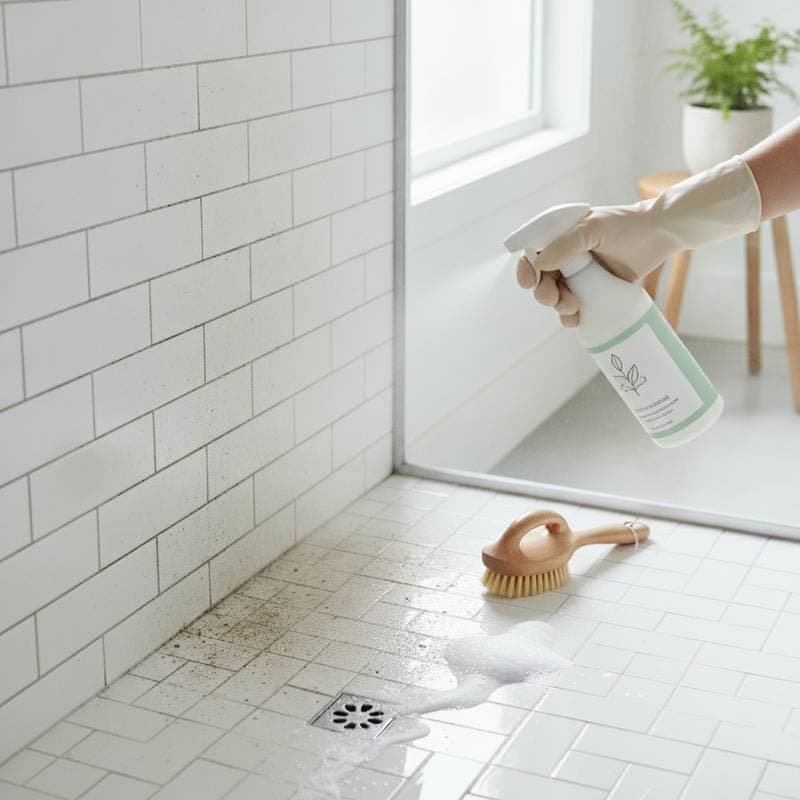
Distribute the cleaner liberally over targeted areas, including faucets, grout lines, and toilet bases. Allow it to dwell for 10 to 15 minutes, or follow product instructions, without immediate scrubbing to permit enzyme activation.
3. Light Scrubbing
Employ a soft brush along grout and fixtures. By this stage, enzymes have softened organic material for straightforward removal without aggressive abrasion. On glass and tiles, microfiber cloths suffice for wiping.
4. Rinse Thoroughly
Flush surfaces with warm water to remove loosened residue. Residual enzymes proceed to break down microscopic organics, thereby diminishing odors and preventing future deposits.
5. Treat the Drain
Introduce enzyme cleaner into shower or sink drains. Permit overnight action before rinsing with warm water. This routine degrades organic accumulations that lead to sluggish drainage and unpleasant odors.
6. Repeat Regularly
Perform weekly light cleanings with enzyme products to uphold hygiene and avert buildup. Such consistent application sustains freshness, obviating the need for intensive deep cleans.
Achieving Professional Results at Home
Professionals favor enzyme cleaners for their sustained cleanliness benefits. To replicate this at home, prioritize regular use over sporadic applications. Enzymes require ongoing exposure to perpetuate their biological degradation process.
For a refined appearance, dry surfaces with a microfiber towel post-rinse to avoid water spots and ensure streak-free results. Persistent stains warrant repeated treatments rather than intensified scrubbing, as biological processes demand time rather than pressure.
Long-Term Value and Budget Strategies
Homeowners often view specialty cleaners as an upfront expense, yet enzyme products yield savings over time. One concentrated bottle substitutes for several chemical cleaners across surfaces, while their non-corrosive nature preserves fixtures and extends bathroom longevity.
Opt for versatile enzyme cleaners that manage both surfaces and drains. Brands offering refill pouches cut costs and waste. Proper storage in cool, dry conditions and adherence to dilution guidelines maximize product longevity.
For DIY enthusiasts, fermented mixtures from citrus peels, brown sugar, and water provide an economical adjunct. These require weeks to prepare but support light cleaning sustainably. Commercial variants excel in tackling substantial grime or odors reliably.
Safety and Environmental Benefits
Conventional cleaners frequently contain chlorine, ammonia, or acids, which irritate skin and respiratory systems, corrode plumbing, and contaminate waterways. Enzyme cleaners utilize natural proteins to convert waste into benign elements like water and carbon dioxide, posing minimal risk to septic systems and ecosystems.
Precautions remain essential. Refrain from combining enzyme cleaners with chemical agents, as interactions may neutralize enzymes or generate fumes. Keep products in cool, dry storage away from sunlight. Use gloves for sensitive skin and rinse surfaces per guidelines.
Practical Tips for Optimal Use
- Allow sufficient dwell time, as enzymes activate gradually.
- Maintain a schedule of light cleanings to forestall heavy accumulations.
- Ensure ventilation to enhance performance and curb mold in humid conditions.
- Adhere to recommended dosages; excess does not accelerate results.
- Pair with preventive measures like repairing leaks and sealing grout to amplify efficacy.
Extending Sustainable Practices Beyond Cleaning
Mastering enzyme cleaners fosters greater household self-reliance and environmental stewardship. Grasping biological cleaning principles equips individuals to apply them across home maintenance tasks.
Homeowners committed to quality recognize that selected tools shape outcomes. Enzyme cleaners embody advanced, eco-conscious technology that safeguards both surroundings and home materials.
Adopting these cleaners routinely lowers expenses, prolongs fixture durability, and cultivates healthier spaces. This approach embodies prudent, quality-oriented decision-making for enduring home improvements.