How Enzyme Cleaners Excel at Pet Odor Removal
Pet odors present a persistent challenge for many households. Traditional methods often fail to address the root cause, leading to recurring smells. Enzyme cleaners offer a superior solution by leveraging biological processes to eliminate odors permanently.
Consider a scenario where opening windows fails to dispel a lingering scent embedded in rugs and upholstery. This situation highlights the limitations of conventional approaches. Enzyme cleaners provide a reliable alternative that transforms such problems into manageable tasks.
The Science Behind Enzyme Cleaners
Enzyme cleaners differ fundamentally from standard cleaning products. Most cleaners mask odors or kill surface bacteria, but enzyme formulas target the organic compounds responsible for smells. Pet odors originate from proteins in urine, saliva, feces, and fur oils.
Why Traditional Cleaners Often Fail
Attempts with household remedies and commercial products frequently disappoint. Vinegar and baking soda create temporary scents reminiscent of food preparation. Carpet shampoos remove visible marks but leave underlying mustiness intact.
Disinfectants alter the ambient smell without eradicating the source material. This approach resembles covering a refuse bin with fragrance; the underlying issue persists. Humidity or repeated exposure can revive the odor shortly after treatment.
Enzyme cleaners address this shortfall by fully digesting the organic matter. Consequently, smells do not resurface under normal conditions, providing sustained relief for affected areas.
How to Use Enzyme Cleaners Effectively
Improper application often leads to suboptimal results with enzyme cleaners. These products require specific conditions to activate fully. Understanding usage guidelines ensures maximum efficacy.
Follow these steps for optimal performance:
-
Saturate the affected area thoroughly. Superficial application limits enzyme contact with the odor source. For carpets or upholstery, ensure penetration to the backing or padding.
-
Allow sufficient dwell time. Enzymes require hours to complete digestion. Covering the treated spot with plastic wrap maintains moisture and prolongs activity.
-
Avoid heat and chemical interference. High temperatures or strong agents denature enzymes. Apply at room temperature and use the product undiluted or as directed.
-
Blot excess liquid gently. After the process completes, absorb moisture with a clean cloth. Avoid rubbing, which may damage surfaces or redistribute residues.
Test products on inconspicuous areas, particularly on sensitive materials. Most formulations suit carpets, fabrics, and hard surfaces, but verification prevents unintended damage.
Practical Applications in Everyday Pet Care
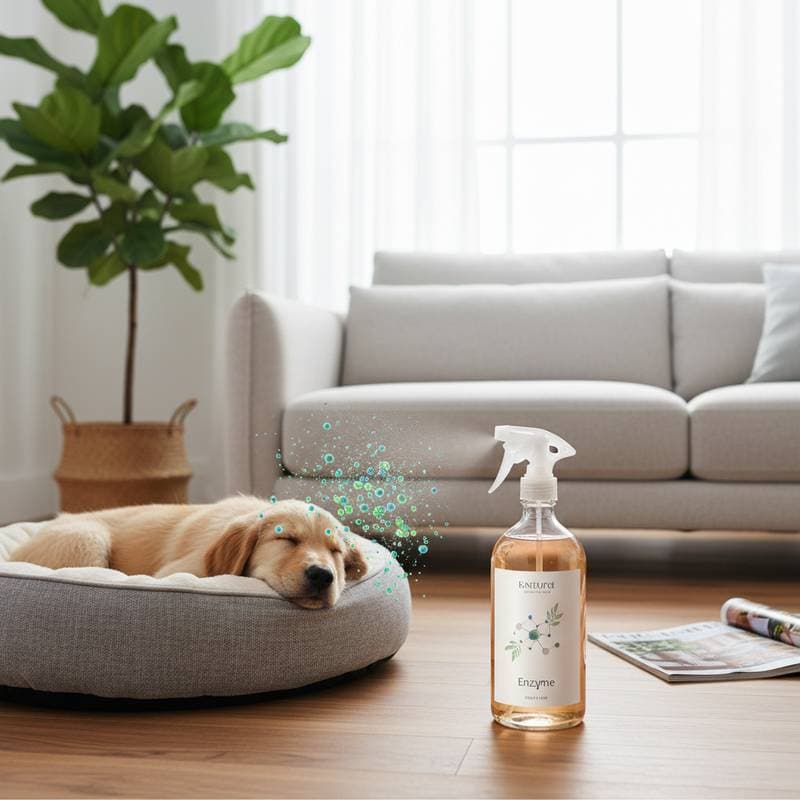
In a home with active dogs, enzyme cleaners integrate seamlessly into routines. After outdoor adventures that bring in dirt and scents, treat entryway mats and adjacent flooring promptly. Maintain a dedicated bottle near pet bedding for swift response to accidents.
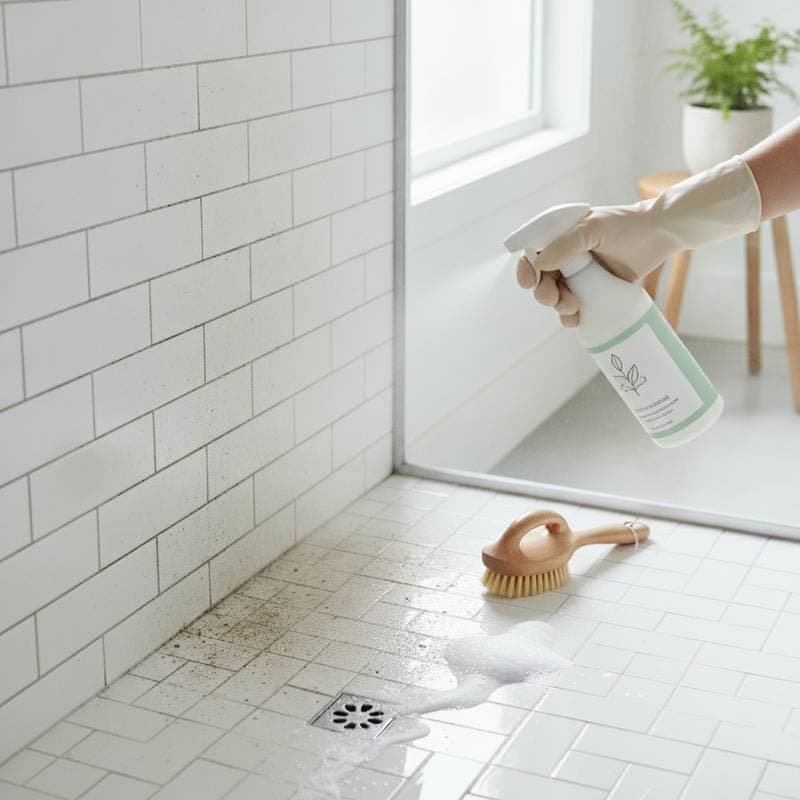
Diluted solutions work well for routine mopping on tiles. The complete odor removal discourages pets from revisiting marked spots. This preventive aspect reduces future incidents and simplifies maintenance.
Selecting the Ideal Enzyme Cleaner
Variety exists among enzyme cleaners, with formulations tailored to specific stains. General-purpose options handle multiple messes, while specialized ones focus on urine or organic soils. Evaluate products based on these criteria:
-
Clear ingredient disclosure. Seek labels specifying enzymes like proteases for proteins or amylases for starches.
-
Minimal added scents. Strong fragrances indicate masking rather than true neutralization.
-
Safety assurances for pets. Confirm non-toxicity for areas accessible to animals.
-
User-friendly design. Opt for applicators that allow precise, even distribution.
Concentrated versions permit customization for intensity. Reserve stronger mixes for intensive treatments and milder ones for upkeep.
The Natural Appeal of Enzyme Cleaners
Enzyme cleaners align with preferences for eco-friendly options. They employ biological mechanisms inherent in nature, avoiding synthetic chemicals. This approach minimizes environmental impact and residue concerns.
Unlike conventional products that may irritate skin or respiratory systems, enzyme cleaners break down cleanly without harmful byproducts. The molecular-level resolution provides reassurance that issues receive thorough attention.
Achieving a Fresher Home Environment
Enzyme cleaners contribute to a more pleasant living space without eliminating signs of pet companionship. Paw prints and fur may remain, but pervasive odors diminish significantly. Guests enter without noticeable scents, affirming the treatment's success.
For those frustrated by persistent pet smells, enzyme cleaners merit consideration. Begin with a targeted application on a problematic area, adhering to instructions for overnight processing. Observe the transformation and incorporate into regular care.
Enzyme cleaners serve as an essential tool for pet owners, preserving household harmony through effective, science-backed odor control.