Key Points
- Enzyme cleaners employ natural biological processes to decompose organic matter safely and effectively.
- These products prove non-toxic, biodegradable, and compatible with most home surfaces.
- They target proteins, fats, and carbohydrates responsible for stains and odors.
- Consistent application fosters a fresh environment free from chemical residues or fumes.
- Homemade versions offer economical solutions using everyday ingredients.
- Knowledge of enzyme mechanisms enables targeted use for thorough cleaning and upkeep.
Technical Background: How Enzymes Clean at the Molecular Level
Enzyme cleaners draw on biological processes akin to digestion and natural decomposition. These specialized proteins function as catalysts, speeding up reactions without depletion. Specific enzymes address distinct materials: proteases dismantle proteins, lipases process fats and oils, and amylases handle starches and carbohydrates.
Assessment: Identifying Cleaning Challenges That Benefit from Enzyme Action
Evaluate home areas for organic-based issues before choosing an enzyme cleaner. These products excel against proteins, fats, or carbohydrates, such as:
- Food and beverage marks on counters, carpets, and upholstery
- Grease layers near kitchen devices
- Pet messes and smells on floors or textiles
- Soap residue and mildew in bathrooms
- Organic buildup in drains and disposals
Mineral scales, rust, or artificial paints resist enzymes; opt for acid or abrasive alternatives instead. Survey kitchens, bathrooms, laundry spaces, and pet zones, where organic accumulation prevails.
Planning Phase: Tools, Materials, and Safety Considerations
Preparation sets the stage for effective enzyme cleaning. Assemble these items:
For Commercial Products:
- Enzyme solution suited to the surface (fabric, tile, wood, multi-purpose)
- Microfiber cloths or sponges
- Spray or pump applicators
- Soft brushes for textured areas
For Homemade Versions:
- Citrus peels (orange, lemon) for acidity
- Brown or white sugar as fermenter
- Water for dilution
- Sealed bottle with vent
- Strainer and funnel
Safety Measures:
- Patch-test on hidden spots.
- Do not combine with bleach or disinfectants, which deactivate enzymes.
- Store in cool, dark locations to sustain activity.
- Use gloves for sensitive skin, though irritation remains rare.
Thorough setup mirrors planning in any home task, promoting smooth execution.
Implementation: Using Enzyme Cleaners Room by Room
Kitchen
Kitchens face varied organic challenges, including greasy ranges and adhesive fridge interiors. Apply enzyme spray to grease, food scraps, and smells.
- Saturate the surface fully.
- Wait 5 to 10 minutes for breakdown.
- Wipe with moist cloth, rinsing periodically.
- For drains, add half a cup, dwell overnight, then flush with warm water.
This eradicates visible grime and odor bacteria in waste.
Bathroom
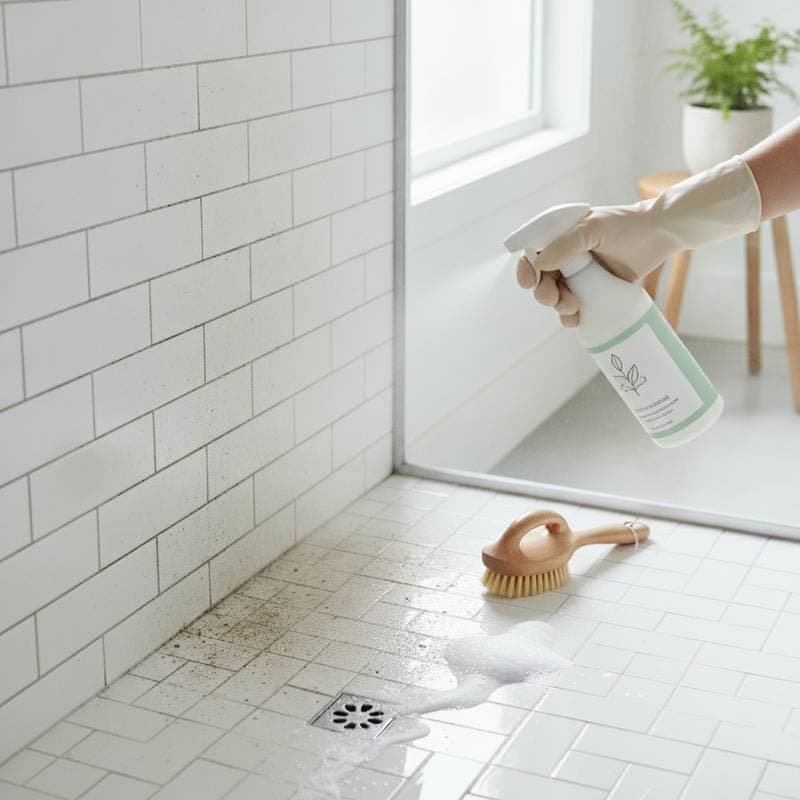
Soap films and mildew harbor organics that enzymes target.
- Spray grout, doors, and basins.
- Dwell 10 to 15 minutes.
- Brush softly, then rinse.
- In toilets, pour, wait 30 minutes, scrub, and flush.
Such use cleans hygienically without chlorine odors.
Laundry and Upholstery
Enzymes tackle food, sweat, and bio-stains on fabrics.
- Spot-spray stains.
- Wait 15 to 30 minutes.
- Launder normally.
For carpets or seats, blot first, apply, and dry. Enzymes persist in moisture, often banishing odors completely.
Pet Areas
These products neutralize uric crystals beyond standard cleaners' reach.
- Blot accidents promptly.
- Soak fibers with spray.
- Dry thoroughly.
This prevents re-marking by removing attractant scents.
DIY Enzyme Cleaner Recipe: Creating Your Own Natural Solution
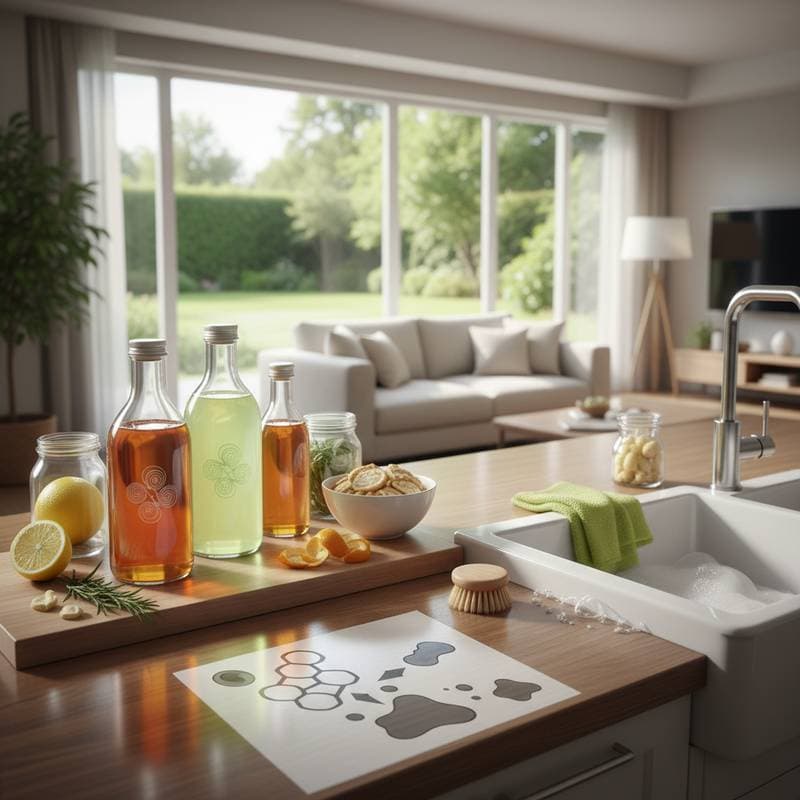
Crafting homemade cleaners proves straightforward and budget-friendly. This recipe produces a multi-surface option.
Ingredients:
- 2 cups citrus peels (orange, lemon, grapefruit)
- 1 cup brown sugar
- 4 cups water
Steps:
- Mix in a bottle with loose cap.
- Shake to dissolve sugar.
- Ferment at room temperature for two weeks, venting daily.
- Strain into spray bottle.
The result carries a citrus aroma and robust action. Apply to counters, sinks, floors, and fabrics; citrus acidity boosts efficacy safely.
Quality Assurance: Ensuring Effective and Safe Results
Confirm success through these steps:
- Visual Check: No residues; reapply if needed with longer dwell.
- Odor Evaluation: Molecular removal means no smells; revisit if present.
- Tactile Test: Smooth feel indicates completion; stickiness signals remnants.
- Drying Assessment: Evaluate post-dry, as activity continues in dampness.
Inconsistent outcomes may stem from aged products. Enzymes weaken in heat or storage; remake homemade batches every three months.
Maintenance: Preserving the Whole-Home Glow
Sustain cleanliness with routine enzyme use.
- Weekly: Dilute for kitchen and bath prevention.
- Monthly: Target drains, disposals, and machine seals for hidden growth.
- Seasonal: Clean baseboards, sills, and vents of dust and films.
This regimen upholds freshness and prolongs surface durability.
Cost and Environmental Benefits
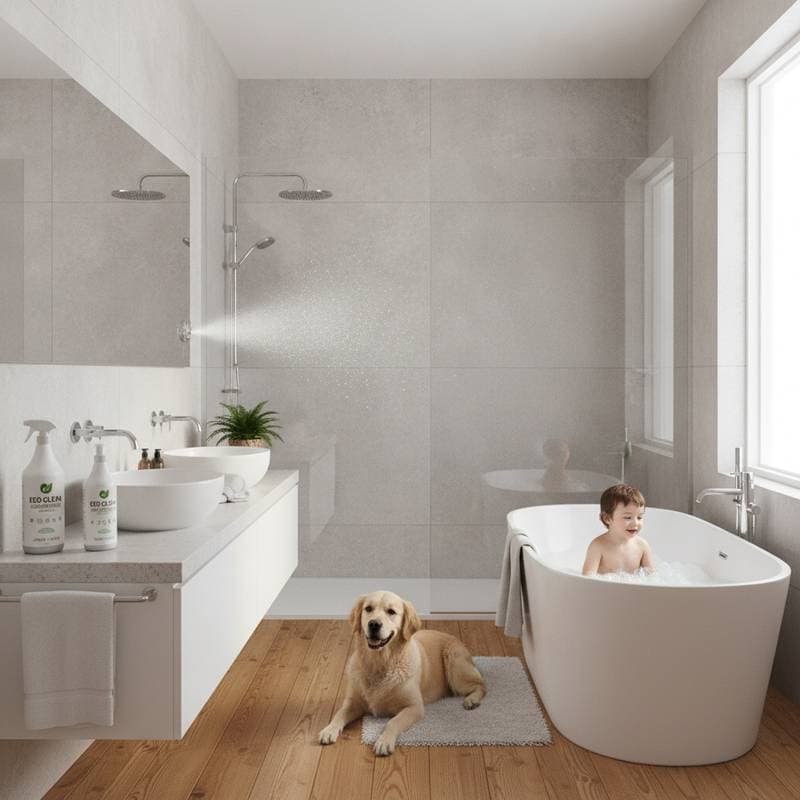
Enzyme cleaners cut expenses by substituting multiple items, simplifying storage. Biodegradable nature curbs pollution and indoor volatiles. Safe for septics, pets, and families, they align with health-focused, green living.
Professional Insight: When to Combine Enzyme Cleaning with Other Methods
Pair enzymes with others for optimal results on organics. Follow enzyme use on greasy tiles with mild detergent rinse. Address minerals separately with vinegar or descalers.
Integrate into regular cycles to avert buildup and harsher interventions, balancing safety and thoroughness.
Pro Tips for Success
- Store in opaque vessels against light.
- Skip refrigeration to avoid slowing activity.
- Label batches for tracking.
- Rinse with warm water only; heat deactivates enzymes.
- Reapply for tough spots instead of concentrating.
These habits maximize agent longevity and reliability.
Making It Happen
Enzyme cleaners advance biological cleaning for health and ecology. Grasp their workings to deploy precisely in homes.
Begin in one area, note responses, and scale up. This evolves routines toward enduring, natural cleanliness.