TikTok's Enzyme Hack Revolutionizes Laundry Cleaning
TikTok users have uncovered a game-changing approach to laundry that leverages the power of enzymes. This viral method employs natural proteins to target and dissolve stubborn stains and odors at the molecular level. Homeowners now achieve professional-level results with simple, accessible ingredients, marking a shift toward more sustainable cleaning practices.
Understanding Enzymes in Cleaning
Enzymes serve as biological catalysts that accelerate chemical reactions without being consumed in the process. In the context of laundry, these proteins target specific organic materials, such as proteins in food stains, fats in grease spots, or starches in collar buildup. Unlike traditional detergents that rely on surfactants to lift dirt, enzymes break down the bonds holding grime to fabrics, allowing for deeper penetration and more effective removal.
The Rise of the Viral Enzyme Hack on TikTok
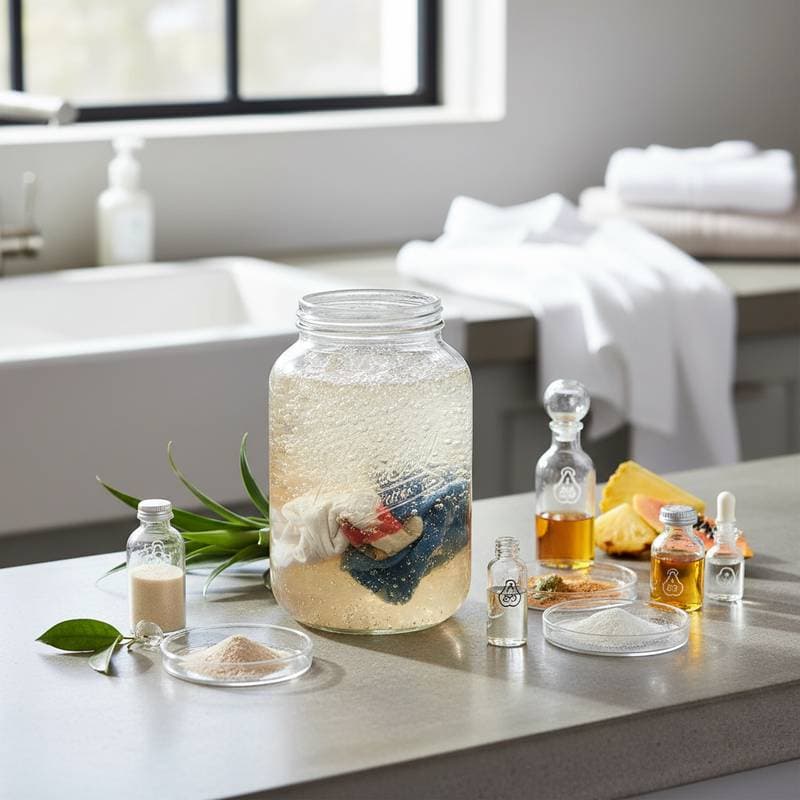
The trend gained traction through short videos demonstrating dramatic before-and-after results on white shirts and delicate linens. Creators mix household items to form an enzyme-rich solution, apply it directly to problem areas, and follow with a standard wash cycle. Viewers report fabrics emerging softer, brighter, and free from lingering smells that persist after conventional laundering.
What sets this hack apart lies in its simplicity and immediacy. No specialized equipment is required, and the process fits seamlessly into weekly routines. Social media algorithms amplified the content, leading to millions of views and widespread experimentation among diverse audiences, from busy parents to eco-conscious millennials.
Step-by-Step Guide to Implementing the Hack
To replicate this method, gather basic ingredients and follow these precise steps. Preparation takes minimal time, and the results justify the effort.
-
Select Your Enzyme Source: Choose fresh pineapple juice for bromelain, which excels at protein-based stains, or papaya pulp for papain, effective against a broad range of organics. For a pre-made option, opt for an enzyme-based stain remover available at most supermarkets.
-
Prepare the Solution: In a small bowl, combine one part enzyme source with two parts warm water. Add a teaspoon of baking soda to enhance fizzing action, which helps lift debris. Stir gently until fully mixed, avoiding vigorous agitation that could denature the enzymes.
-
Apply to Fabrics: Spot-test the solution on an inconspicuous area to ensure colorfastness. Dampen the stained section with the mixture and let it sit for 15 to 30 minutes. For heavily soiled items, gently rub the area with a soft toothbrush to encourage penetration.
-
Launder as Usual: Transfer the treated garment to the washing machine with your regular detergent. Use warm water for enzyme activation, but avoid hot settings that might degrade delicate proteins. Air-dry when possible to preserve fabric integrity.
-
Assess and Repeat: Inspect the results post-wash. For persistent issues, reapply the treatment before the next cycle. Track improvements over multiple uses to refine your technique.
This sequence ensures optimal efficacy while minimizing fabric stress. Users often notice immediate differences, particularly on cotton and synthetic blends.
The Science Behind Enzyme Effectiveness
Enzymes function by binding to specific substrates, the molecules they aim to degrade. In laundry applications, protease enzymes attack protein chains in blood or sweat, while lipase variants dismantle lipid structures in oils. This specificity means the hack addresses root causes rather than masking them, leading to longer-lasting cleanliness.
Temperature plays a crucial role; enzymes thrive between 30 and 60 degrees Celsius, aligning with most household washers. PH levels also matter—slightly alkaline conditions, assoda, optimize activity. Research in biochemistry supports these principles, showing enzymes can reduce stain residues by up to 70 percent compared to non-enzymatic methods.
Environmental benefits emerge from reduced chemical runoff. Traditional cleaners often contain phosphates that disrupt aquatic ecosystems, whereas enzyme solutions biodegrade naturally. This alignment with green living appeals to those seeking practical sustainability without sacrificing performance.
Benefits for Everyday Laundry Routines
Adopting the enzyme hack yields multifaceted advantages. Fabrics retain vibrancy longer, as the gentle breakdown prevents abrasive scrubbing that causes wear. Odor elimination proves thorough, targeting bacterial sources rather than surface-level freshening.
Cost savings accumulate over time; DIY versions cost pennies per load versus premium detergents. Health considerations include fewer allergens from chemical residues, benefiting sensitive skin types. Overall, this method elevates routine chores into an empowering practice, fostering confidence in home maintenance.
Enhancing Fabric Longevity Through Enzyme Care
Beyond immediate cleaning, consistent enzyme use preserves garment quality. Whites stay brilliant without bleach, and colors resist fading from oxidative damage. Delicate items like silk or wool benefit from the non-abrasive approach, extending wardrobe lifespan.
Integrate this into broader habits, such as pre-treating loads weekly. Experiment with variations, like adding vinegar for mildew-prone areas, to customize based on household needs. The result is a refreshed collection of clothes that feels new, supporting both practicality and pleasure in daily life.