Understanding Enzyme Cleaners
Enzyme cleaners represent a biological approach to odor removal. They contain proteins that speed up the natural decomposition of organic materials responsible for smells. Unlike traditional products that rely on chemicals or scents to hide odors, these cleaners dismantle the sources completely.
This process results in water and carbon dioxide, neutral byproducts that leave no residue. Homeowners benefit from a thorough refresh that prevents odors from returning. The method proves especially useful in areas prone to organic buildup.
The Science Behind Odor Formation and Elimination
Household odors arise from volatile organic compounds produced during the breakdown of materials like proteins, fats, and starches. Bacteria feed on residues from pet urine, food spills, or sweat, releasing gases that create unpleasant aromas. Enzyme cleaners interrupt this cycle by introducing targeted biological agents.
Identifying Common Odor Sources
Effective treatment begins with locating the problem. Inspect areas where organic materials accumulate. Pet areas often harbor urine in carpets and upholstery, while kitchens trap food particles in disposals and bins.
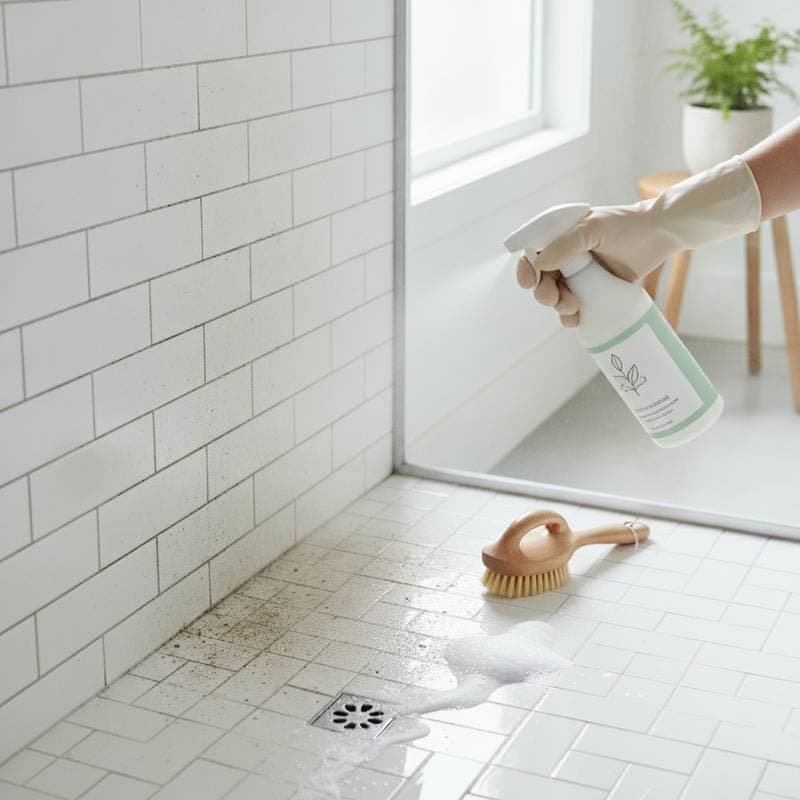
Bathrooms collect buildup in drains and grout, and laundry items retain body oils. Distinguish between surface-level issues, treatable with quick applications, and deeper penetrations in porous surfaces that demand soaking or multiple treatments. This assessment guides the cleaning strategy.
Preparing for Treatment: Essential Tools and Precautions
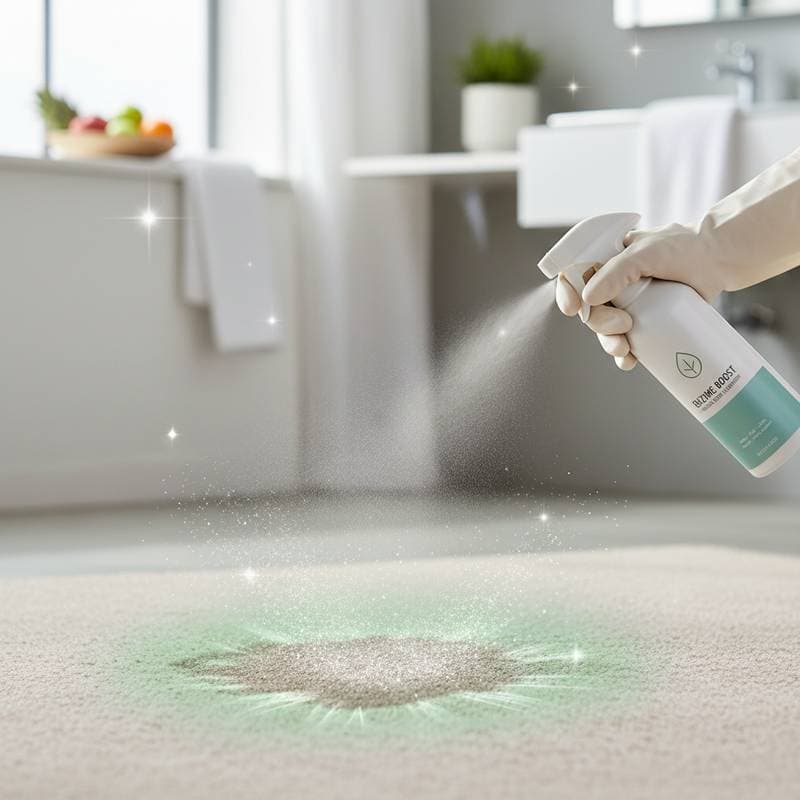
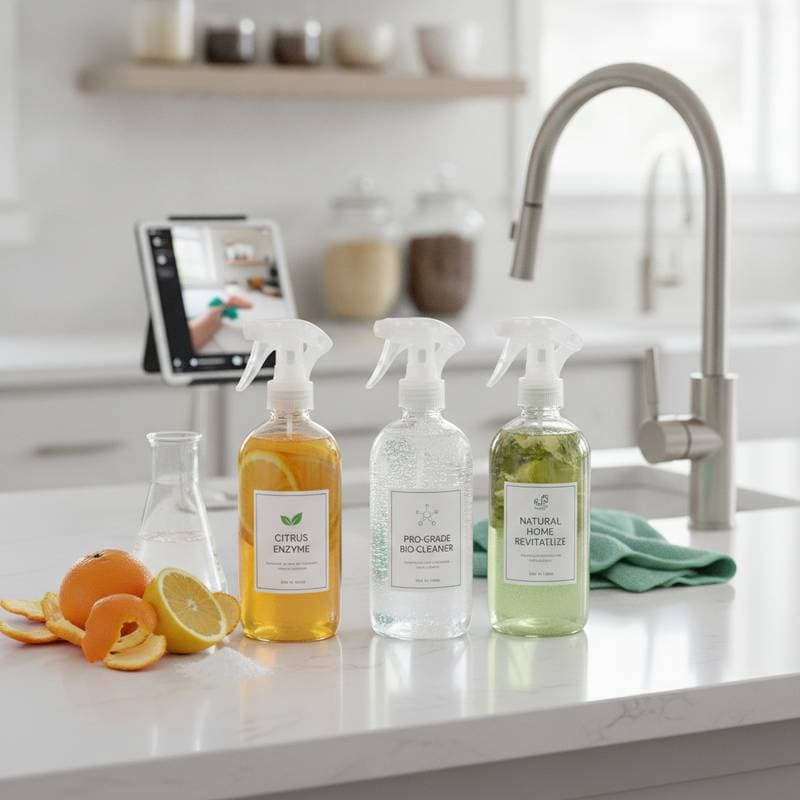
Gather the right supplies for success. Select an enzyme cleaner matched to the odor type, such as formulas for pets or food residues. Use a spray bottle for precise application, along with a soft brush for agitation and absorbent towels for blotting.
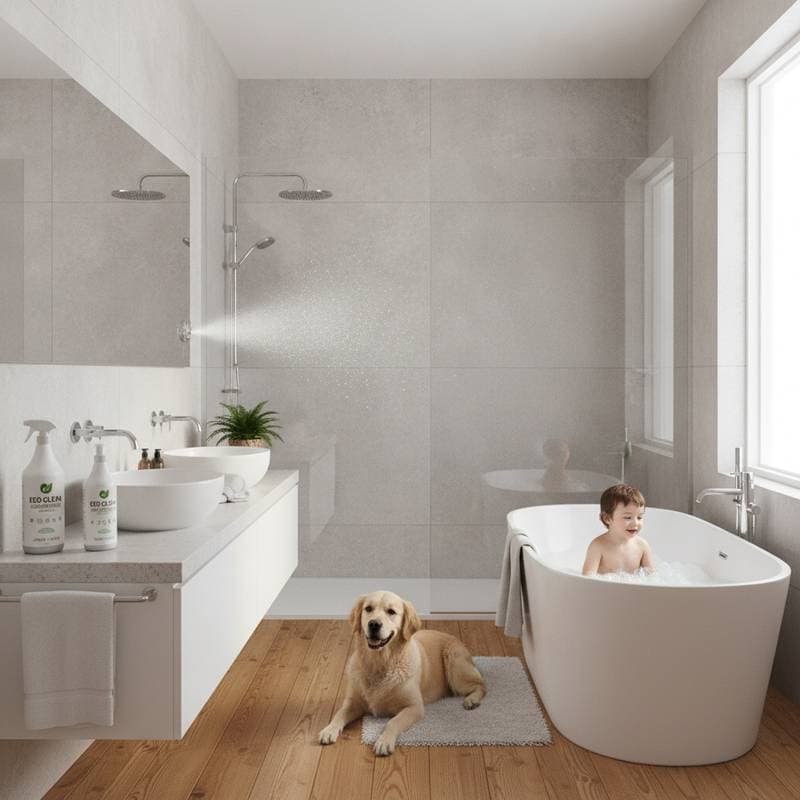
Safety remains straightforward with these products, which pose minimal risk to people or pets. Wear gloves during use, and ventilate enclosed spaces. Test the cleaner on a hidden spot to verify surface compatibility before full application.
Step-by-Step Guide to Applying Enzyme Cleaners
Follow these steps for optimal results.
- Clear the area of loose debris. Vacuum fabrics or wipe surfaces to expose the odor source.
- Saturate the spot with the enzyme solution, ensuring it reaches underlying layers without over-wetting.
- Let the solution sit for the recommended time, typically 10 to 30 minutes, to allow enzymatic action.
- Gently work the cleaner into the material with a brush to enhance contact.
- Blot excess liquid from absorbent surfaces or rinse hard ones as directed.
- Promote drying with air circulation to complete the process and avoid moisture-related issues.
For persistent smells, allow full drying before reapplying. This methodical approach ensures comprehensive elimination.
Confirming Results and Preventing Recurrence
Once dry, evaluate the treated area for any lingering scent or visible changes. Absence of odor signals success, but faint traces suggest incomplete treatment. Reapply as needed and extend checks to adjacent spaces.
Address underlying causes to maintain results. Improve ventilation, fix leaks, or increase cleaning frequency. In pet homes, seal floors or use detection tools for hidden residues.
Integrating Enzyme Cleaners into Routine Care
Incorporate these products into regular upkeep for sustained freshness. Add diluted solution to weekly floor mopping on non-porous surfaces. Monthly, target drains and appliances to clear buildup.
Spot-treat accidents immediately to block odor development. The eco-friendly nature of enzyme cleaners supports frequent use without environmental harm or surface damage. This practice fosters a consistently clean indoor atmosphere.
Expert Recommendations for Best Outcomes
Adhere to product guidelines on dilution and exposure duration. Keep cleaners in cool storage to maintain potency. Extract moisture from thick carpets using a vacuum after treatment.
Steer clear of combining with deactivating agents like bleach. Mark off drying zones to avoid disruption. These habits maximize effectiveness and longevity of results.
Achieving Lasting Home Freshness
Targeted use of enzyme cleaners resolves odors through biological means. Consistent application and preventive measures create healthier, more inviting spaces. Homeowners gain confidence in natural solutions that deliver enduring cleanliness.