The Natural Bathroom Cleaner Capturing Attention on TikTok
Bathrooms often present persistent challenges with dull tiles, soap scum on glass, and lingering odors that resist conventional sprays. An enzyme based cleaner addresses these issues through natural processes rather than synthetic compounds. This approach appeals to users seeking effective results without exposure to harsh substances.
How Enzyme Cleaners Function
Enzyme cleaners rely on proteins that accelerate the breakdown of organic matter such as soap residue, body oils, and mildew. These components digest grime at the molecular level instead of covering odors with artificial scents. The result leaves surfaces truly clean rather than temporarily masked.
Users on social platforms have popularized these products due to their safety profile around children, pets, and septic systems. Formulations avoid bleach and ammonia while remaining biodegradable. Such characteristics align with preferences for sustainable household practices.
Creating a Homemade Version
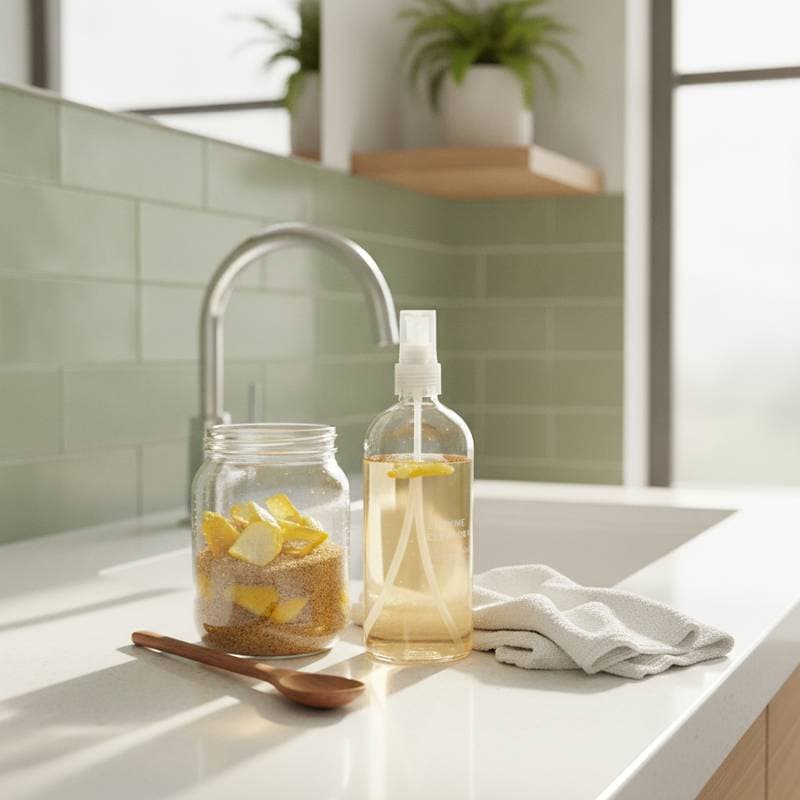
- Collect citrus peels from oranges, lemons, or grapefruits along with brown sugar, water, and a jar featuring a loose lid.
- Combine one part brown sugar, three parts citrus peels, and ten parts water in the jar. Stir until the sugar fully dissolves.
- Seal the jar loosely and place it in a warm location for several weeks to allow fermentation.
- Strain the mixture once it develops a pleasant citrus aroma with a slight tang, then transfer the liquid to a spray bottle.
This process yields an economical solution that releases authentic citrus notes during application.
Mechanisms Behind Effective Performance
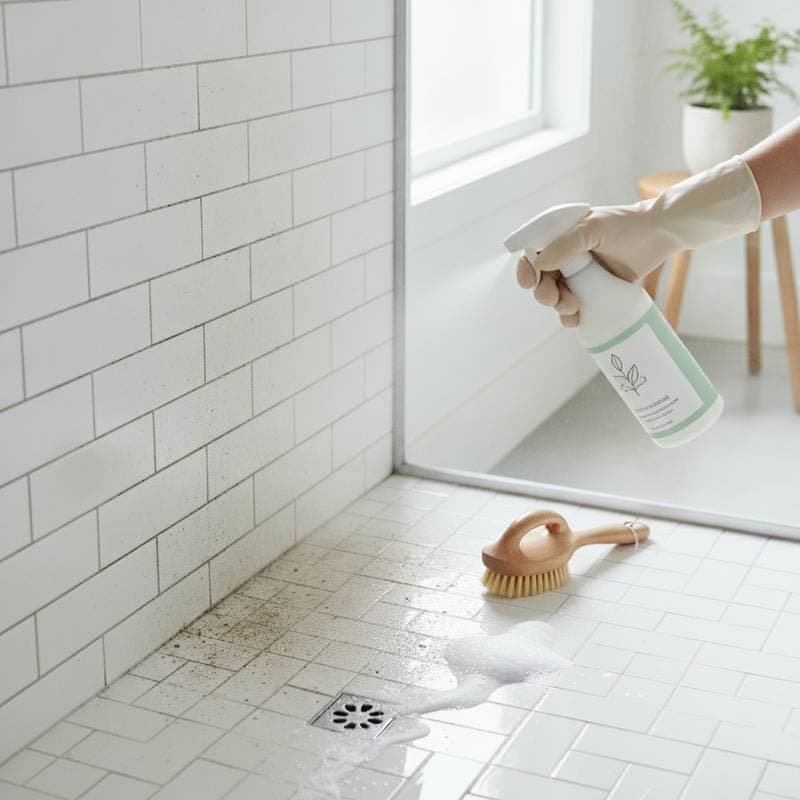
Fermentation generates enzymes that target organic buildup on sinks, tiles, and shower doors. Citrus acids contribute additional cleaning strength while sugars support the fermentation. Application allows enzymes to dismantle films that trap dirt, which simplifies removal with a cloth.
Persistent areas benefit from brief soaking before gentle wiping. Continued use supports clearer drains as enzymes process debris within pipes over time.
Integration Into Daily Routines
Application fits naturally into existing habits such as spraying sinks after use or refreshing showers before exit. Consistent practice prevents accumulation and reduces the need for intensive scrubbing sessions. The natural scent enhances the overall experience without chemical residues.
Guidance From Cleaning Professionals
Experts recommend enzyme products for ceramic, porcelain, glass, and grout surfaces when diluted appropriately. These solutions maintain activity after initial application, which supports ongoing freshness. Test on small areas first and avoid natural stone surfaces such as marble due to potential dulling from mild acids.
Options for Personalization
Basic recipes allow additions like rosemary sprigs for herbal notes or vinegar for enhanced shine after fermentation. Blending with castile soap creates a thicker consistency for vertical surfaces. Commercial alternatives appear under enzyme based or bio enzymatic labels with plant derived ingredients preferred.
Benefits of Consistent Application
Regular use produces bathrooms free from chemical odors and residue while maintaining surface integrity. The method supports both immediate cleaning and long term maintenance through natural action. Users gain satisfaction from observable results achieved with minimal environmental impact.