Key Principles of Enzyme Cleaners
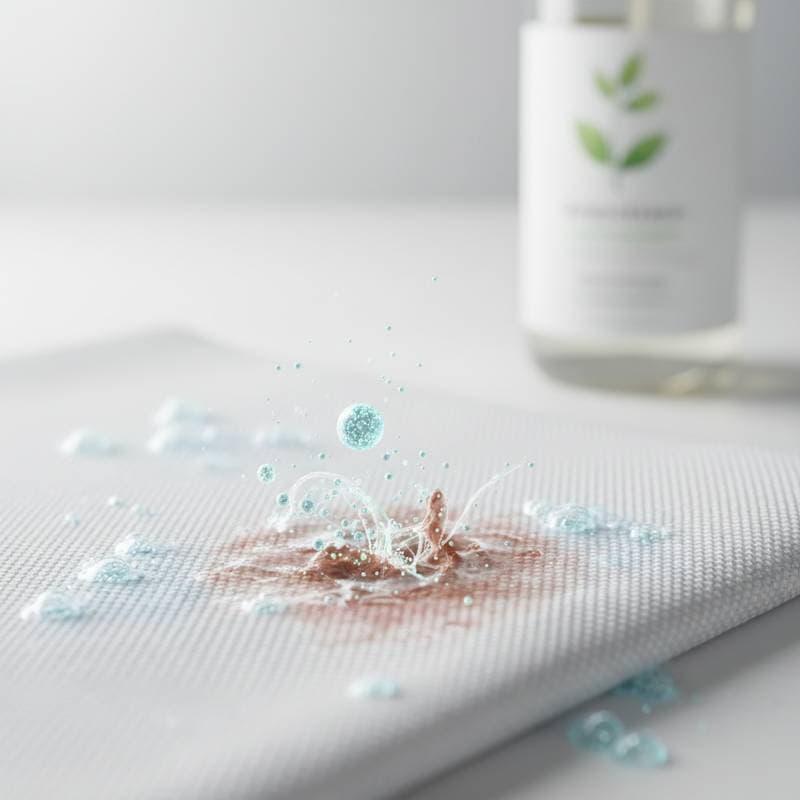
Enzyme cleaners rely on biological catalysts to decompose organic molecules directly, rather than merely dissolving or masking them through chemical means. This targeted approach ensures stains break down completely. Various enzymes address specific stain types, including proteins, starches, and fats, for precise cleaning results.
These cleaners prove safer for fabrics and surfaces because they function in neutral conditions, avoiding corrosive agents or harsh chemicals. They remain active following application, persisting to digest any remaining residue even after rinsing. To achieve optimal performance, store products in cool, dark places, dilute according to instructions, and apply promptly after staining occurs.
Choosing the appropriate enzyme cleaner involves considering the stain type, surface material, and ambient conditions. For instance, cooler temperatures slow enzymatic reactions, while warmth accelerates them within safe limits.
Evaluating Stains and Surfaces
- Protein stains: Such as blood, milk, sweat, or egg residues.
- Fat stains: Including cooking grease, butter, or body oils.
- Carbohydrate stains: Like sauces, fruit juices, or starch-based spills.
- Plant-based stains: From grass, wine, coffee, or vegetable matter.
- Combination stains: Often seen in pet accidents or mixed food spills involving multiple organic elements.
Surface type influences application methods. On carpets and upholstery, enzymes seep into fibers to target embedded residues. Hard floors demand sufficient contact time before wiping to allow full enzymatic action.
Always test in an inconspicuous area to verify compatibility. Although enzyme cleaners remain mild, prolonged moisture exposure might affect certain natural dyes or unfinished wood.
Step-by-Step Application Guide
-
Blot excess liquid immediately. Press with a clean, dry cloth or paper towel to lift surface moisture. Refrain from rubbing, as this action pushes contaminants deeper into the material.
-
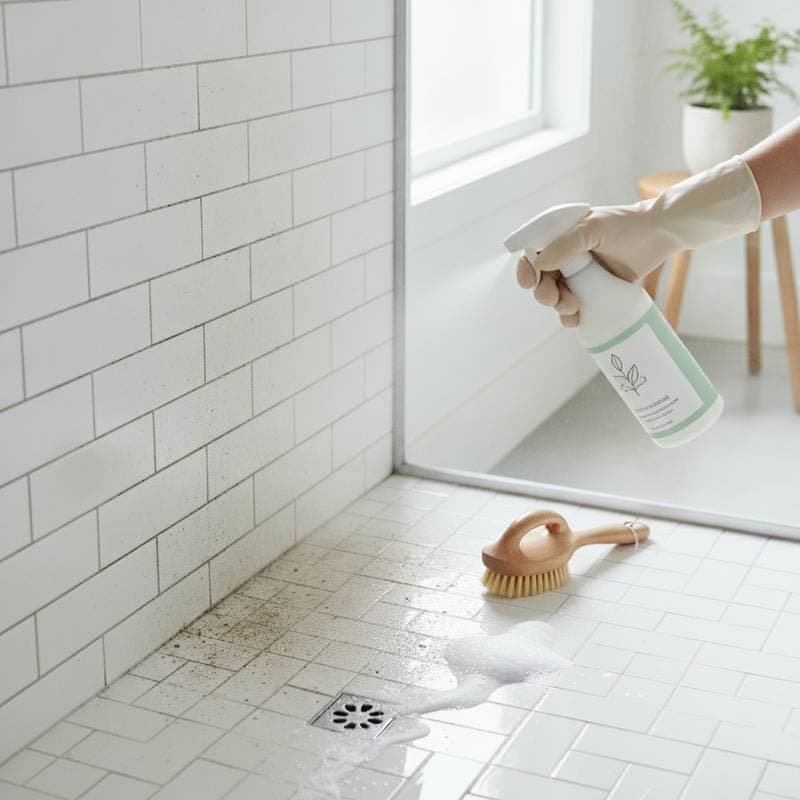
Saturate the stained area. Apply the enzyme solution via spray or direct pour, ensuring full coverage without excessive drenching. For upholstery or carpets, a fine mist suffices to initiate the process.
-
Permit sufficient dwell time. Enzymes need time to attach to and break down organic molecules. Maintain moisture in the area, perhaps by covering with a damp cloth, to sustain activity.
-
Gently agitate the surface. Employ a soft-bristled brush to work the solution into the stain, revealing additional layers for enzymatic contact.
-
Extend the reaction period. As long as conditions remain moist and temperatures moderate, enzymes persist in their work. Allowing extra time often yields more complete stain removal.
-
Rinse or extract residues. Once the enzymes have acted, flush with clean water to clear away breakdown products. For washable items, launder normally; for fixed surfaces, blot repeatedly with damp cloths until clear.
-
Ensure thorough drying. Residual moisture invites odors or mold growth. Promote evaporation with fans or open air circulation.
Advantages Over Traditional Cleaners
Enzyme cleaners excel through their precise biological mechanisms, mimicking natural decomposition in a directed manner. Unlike chemical alternatives that bleach or dissolve stains, enzymes dismantle them at the source. This method delivers several key benefits.
Enzymes act selectively on organic matter, sparing synthetic materials and protective finishes. Their activity endures beyond initial contact, penetrating deeply for comprehensive cleaning. Operating at neutral pH levels minimizes the use of aggressive acids or bases.
These products pose minimal environmental risk, breaking down naturally without polluting waterways. By consuming odor-causing compounds entirely, they eradicate smells permanently rather than concealing them. Such qualities suit homes with pets, young children, or allergy sufferers, and they integrate seamlessly with septic systems by preserving beneficial microbes.
Exploring Enzyme Formulations
Most commercial enzyme cleaners feature blends of multiple enzymes for versatile use. A standard multipurpose formula might combine protease for proteins, amylase for starches, and lipase for fats in optimized proportions. Tailored variants address specific needs.
Pet-specific removers incorporate protease alongside urease to tackle urine crystals and proteins. Laundry aids prioritize protease and amylase against food and perspiration marks. Kitchen-focused options boost lipase levels for grease breakdown.
Outdoor applications often include cellulase to handle plant residues like grass clippings or sap. Review product labels to identify active enzymes and their roles, enabling informed choices for various scenarios.
Sustainable Impacts and Material Preservation
Enzyme cleaners support eco-conscious practices by biodegrading fully and aligning with natural water cycles. Unlike synthetic cleaners with persistent surfactants, enzymes derive from fermentation processes that avoid petroleum-based inputs. This reduces overall ecological footprint.
Regular application extends the lifespan of textiles and surfaces. Neutral formulations prevent fiber degradation, color loss, or finish erosion common with harsher products. Consequently, households spend less on replacements and generate less waste.
Versatile blends streamline storage by replacing numerous single-purpose cleaners. Fewer bottles mean reduced plastic use and simpler routines, enhancing long-term sustainability.
Practical Strategies for Optimal Results
Store enzyme cleaners away from direct sunlight and extreme temperatures to preserve enzyme viability; most remain effective for one to two years when sealed properly. Dilute concentrates as directed to avoid waste and ensure even distribution during use.
For persistent stains, reapply after initial rinsing to leverage ongoing enzymatic action. In humid environments, accelerate drying to prevent secondary issues like mildew. Track product performance across uses to refine selection for recurring challenges.
Integrate enzyme cleaners into routine maintenance, such as weekly fabric treatments, to preempt buildup. This proactive approach maintains freshness and cleanliness with minimal effort.