Effective Vinegar Cleaning Techniques for Your Home
Essential Insights
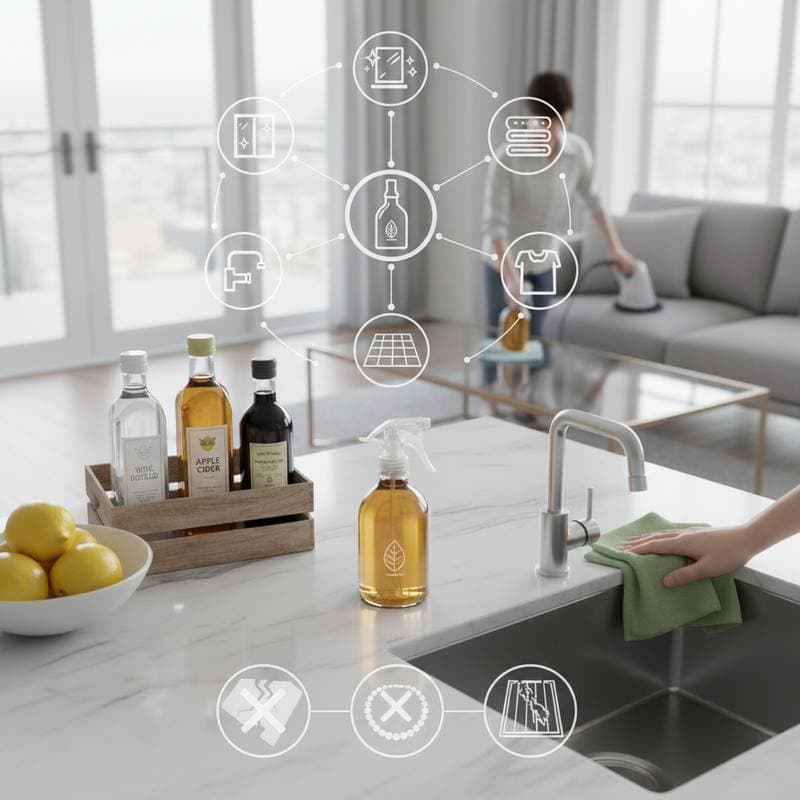
- Vinegar serves as an affordable, natural alternative to commercial cleaners, effectively removing dirt, grime, and odors in multiple areas of the home.
- Although suitable for many surfaces, vinegar damages natural stone, waxed wood, and electronic devices due to its acidity.
- Several popular online cleaning methods using vinegar deliver results, provided users apply them with precise techniques.
- Proper preparation allows vinegar solutions to substitute for various specialized products while delivering results comparable to professional services.
Preparation Guide
Active Time: 10 to 60 minutes per task
Overall Duration: 15 minutes to a few hours, accounting for soaking periods
Required Expertise: Beginner level
Approximate Expense: Under ten dollars for a gallon of vinegar plus basic spray bottles
Required Supplies
- White distilled vinegar, selecting only clear, unflavored varieties
- Empty spray bottles for targeted application
- Microfiber cloths or clean cotton rags for wiping
- Baking soda to enhance abrasion during scrubbing
- Fresh lemon juice to boost acidity and add a subtle scent
- An old toothbrush for accessing narrow spaces
- Rubber gloves to shield hands during prolonged use
Additional items such as a bucket, soft sponge, or plastic scraper prove useful for stubborn accumulations.
Revitalizing the Bathroom
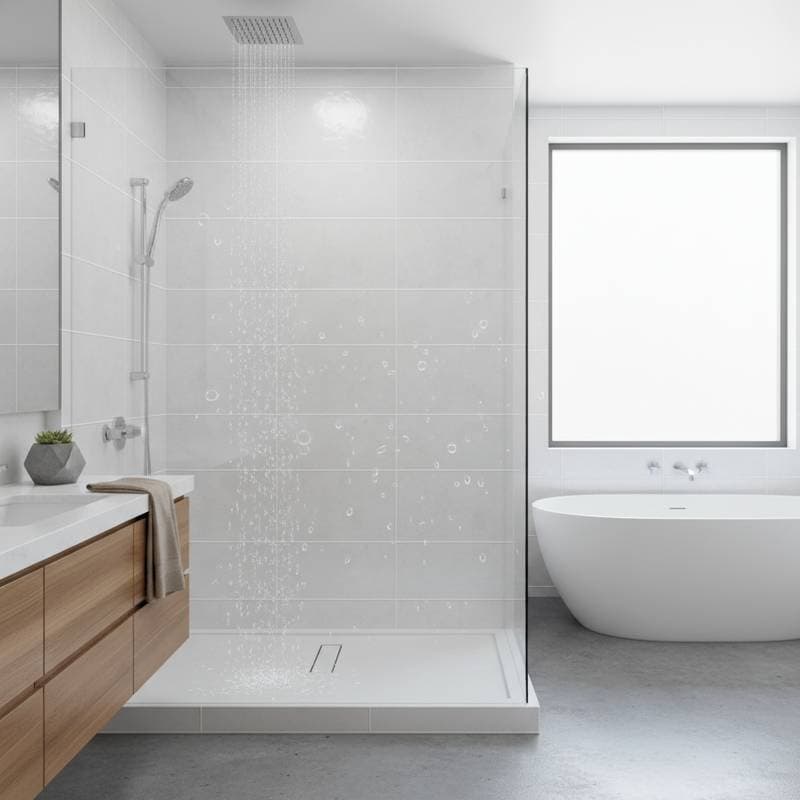
Bathrooms accumulate soap residue, mineral deposits, and mold more rapidly than other spaces. Vinegar, applied methodically, restores luster to fixtures and tiles.
1. Clearing Shower Head Clogs: Pour vinegar into a resealable plastic bag and attach it securely to the shower head using a rubber band. Allow the solution to soak overnight, then brush away loosened debris with an old toothbrush. Rinse completely under running water before reactivating the fixture.
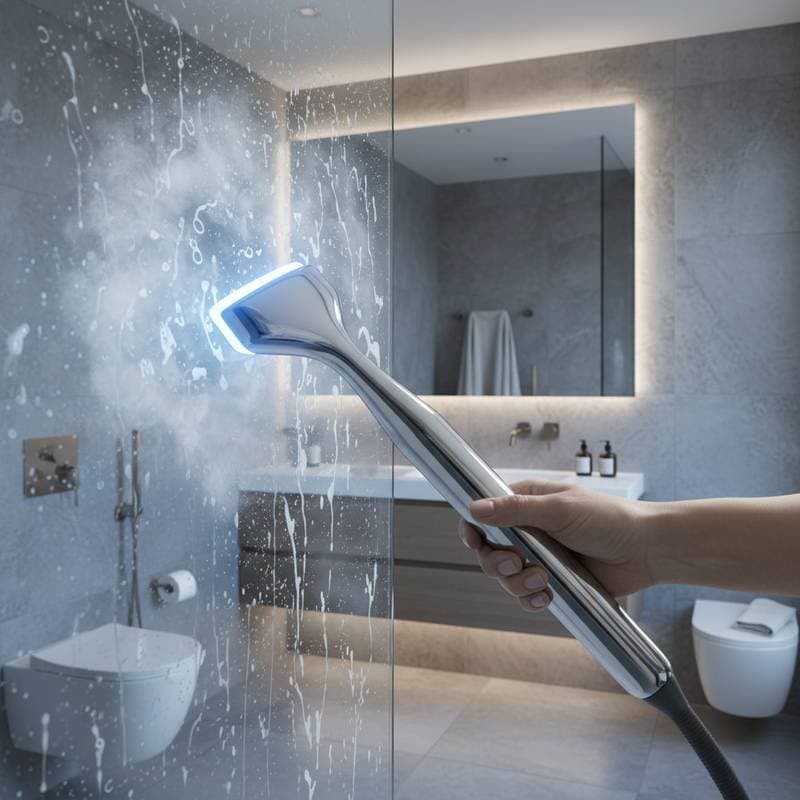
2. Eliminating Soap Scum: Combine equal volumes of vinegar and mild dish soap in a spray bottle. Apply the mixture liberally to tiles or glass surfaces, let it dwell for ten minutes, and wipe away with a damp sponge. Follow with a thorough rinse to eliminate any remaining film.
3. Refreshing the Toilet Bowl: Introduce one cup of vinegar directly into the bowl, agitate with a toilet brush, and permit it to sit for fifteen minutes prior to flushing. For intensified action against stains, sprinkle a handful of baking soda after the initial vinegar application and scrub vigorously.
Enhancing Laundry and Fabrics
Vinegar conditions fabrics, reduces static cling, and dissolves lingering detergent traces. It benefits households dealing with hard water by preventing mineral buildup on clothing.
1. Substituting Fabric Softener: Introduce half a cup of vinegar during the rinse phase of the wash cycle in place of store-bought softeners. This process dissolves residual soaps, yielding soft garments free from artificial scents.
2. Neutralizing Odors: For items like athletic wear or bath towels harboring persistent smells, submerge them in a solution of equal parts vinegar and water for thirty minutes before laundering. The acidity targets odor-causing bacteria effectively.
3. Preserving Colors: Incorporate vinegar into the rinse cycle to lock in dyes and maintain vibrancy, particularly for dark fabrics. Over multiple washes, this practice keeps whites brighter and prevents gradual fading.
Pitfalls to Sidestep
-
Applying to Natural Stone: The acidic nature of vinegar etches materials like marble, granite, or limestone, leading to permanent dulling. Opt for pH-neutral products on these surfaces instead.
-
Combining with Bleach or Hydrogen Peroxide: Such mixtures generate toxic gases, posing health risks. Employ vinegar independently or pair it solely with baking soda for safe reactions.
-
Neglecting Rinses: Failure to wipe and rinse adequately leaves behind streaks or hazy films on surfaces.
-
Frequent Use on Painted Areas: Prolonged or repeated contact may erode paint layers or finishes. Limit applications and test in inconspicuous spots first.
Strategies for Optimal Results
- Warm the vinegar slightly before use to accelerate grease dissolution and improve penetration.
- Allocate sufficient soaking time, especially for hard water stains or scale buildup.
- Integrate vinegar routines with consistent airing and surface dusting to prolong cleanliness.
- Maintain straightforward mixtures; excess additives can dilute vinegar's inherent efficacy.
Sustaining a Vinegar-Based Cleaning System
Integrating vinegar into daily habits ensures lasting home freshness. Replenish spray bottles each month, position baking soda within easy reach, and store vinegar in a shaded, cool location to preserve potency. Establish a schedule of weekly light applications and monthly intensive sessions to preempt grime accumulation and minimize reliance on harsher alternatives.
This approach revives time-tested methods that sustained cleanliness in eras before modern products dominated shelves, offering reliable, economical upkeep for contemporary living.