Enzyme Cleaners Lead Bathroom Cleaning Trends
Sunlight streams across a sparkling bathroom mirror. The air carries the crisp scent of citrus and herbs instead of harsh bleach. Tiles gleam and glass shimmers without any chemical sting. Enzyme cleaners drive this shift through natural science.
Bathrooms challenge many homeowners because water, humidity, and organic buildup create stubborn grime and odor. Enzyme-based cleaners address these issues directly. They reshape ideas about cleanliness by showing that science and sustainability work together.
The Science Behind the Sparkle
Enzymes function as biological catalysts that break down organic materials such as soap scum, body oils, and mildew. Proteases target proteins. Lipases dissolve fats. Amylases handle starches. These molecules convert grime into water and natural residues rather than chemical films.
Why Bathrooms Suit Enzyme Cleaners
Warmth, moisture, and organic matter create ideal conditions for enzymes. Showers accumulate soap residue and skin cells. Sinks collect toothpaste and oils. Enzyme cleaners address the root causes of buildup instead of masking symptoms.
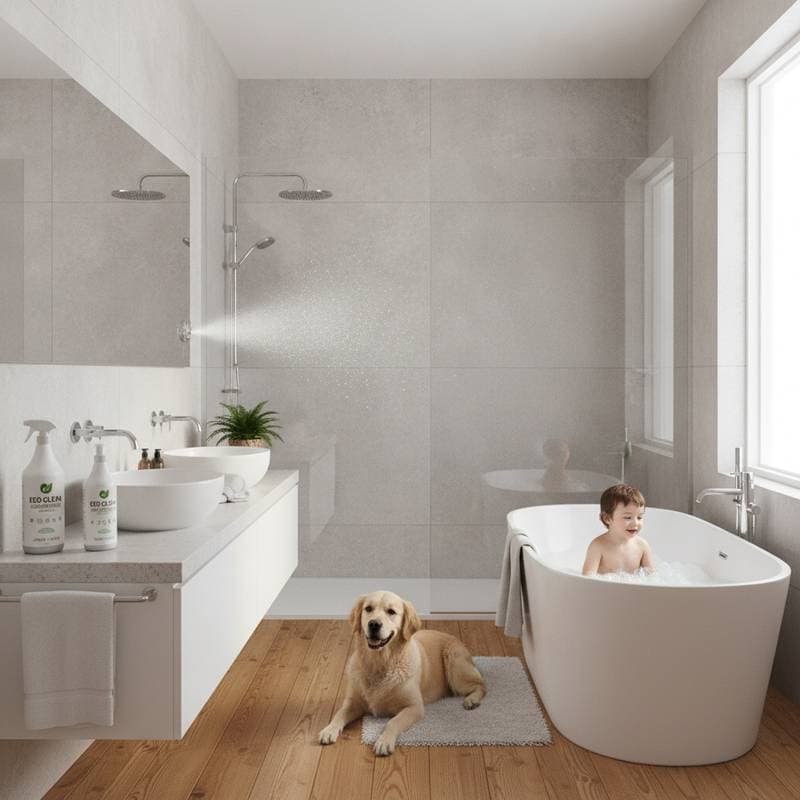
Households with children or pets benefit from non-toxic, biodegradable formulas. These products avoid volatile compounds that irritate skin and lungs. They also remain safe for septic systems and waterways after rinsing.
Environmental Benefits
Consumers now consider the path products take after they leave the drain. Biodegradable cleaners represent an act of environmental care. Enzyme formulas rely on fermentation processes that use renewable resources instead of petrochemicals.
Conventional options often contain chlorine, ammonia, and synthetic fragrances. These substances affect indoor air quality and pollute water sources. Enzyme cleaners break down waste through natural processes and support broader sustainable living practices.
Sensory Experience of Clean
Modern users prefer natural freshness over the sterile scent of bleach. Enzyme products typically feature light botanical notes such as citrus, eucalyptus, or mint. These aromas create a calm atmosphere during cleaning tasks.
The change turns routine chores into more pleasant activities. Users finish with a sense of satisfaction rather than exposure to strong fumes.
Effective Application Steps
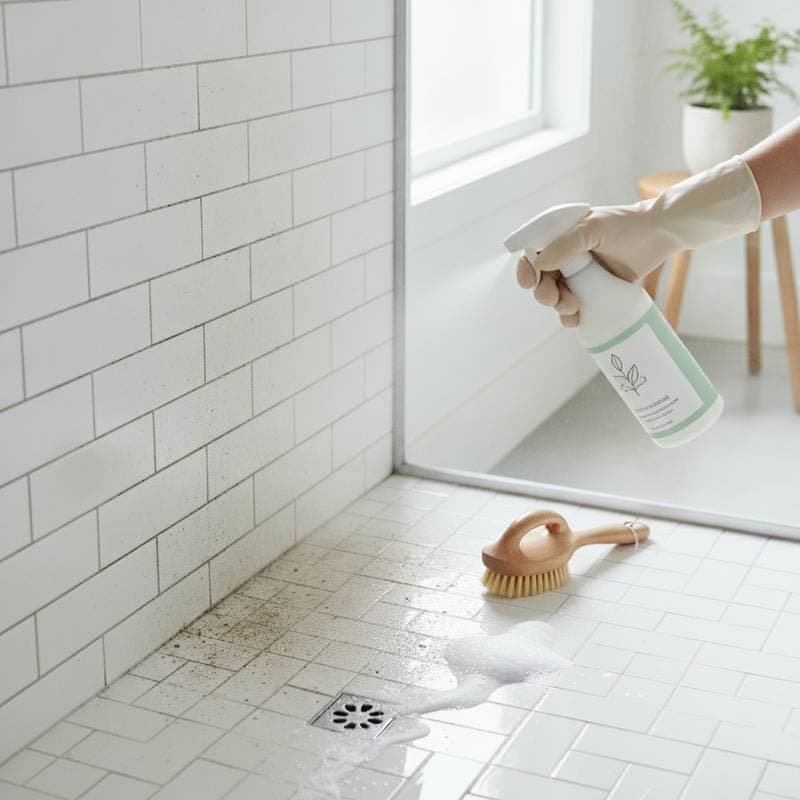
- Wipe surfaces dry to allow direct enzyme contact with grime.
- Apply the product generously across affected areas.
- Allow several minutes for enzymes to digest buildup.
- Agitate lightly with a soft brush or cloth.
- Rinse with warm water to activate remaining enzymes.
- Repeat on a regular schedule to prevent new accumulation.
This approach maintains surfaces with minimal effort over time.
Homemade Enzyme Options
Basic enzyme cleaners can be prepared at home through fermentation of fruit peels, sugar, and water. Citrus peels add both cleaning power and fragrance. These versions suit light maintenance rather than heavy buildup.
Commercial products offer greater consistency for demanding jobs. Both approaches rely on the same principle of letting natural processes handle cleaning.
Professional Perspectives
Eco-conscious cleaning consultant Marissa Green notes that enzyme technology connects performance with safety. Manufacturers continue to improve enzyme stability and shelf life. These advances encourage more households to adopt natural alternatives.
Design and Product Alignment
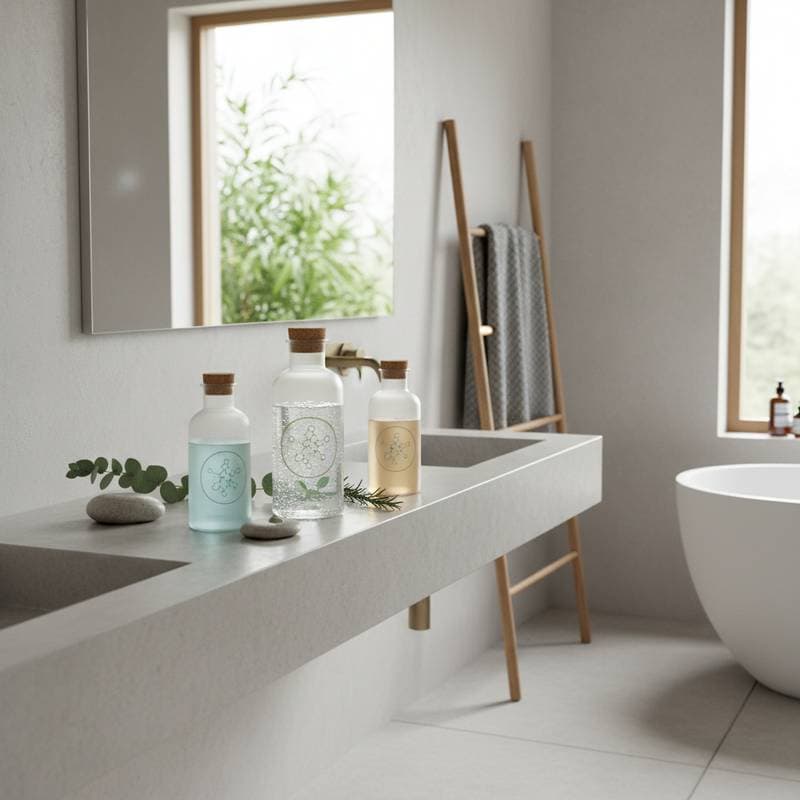
Bathrooms now function as wellness spaces with natural materials and water-efficient fixtures. Enzyme cleaners complement stone, wood, and non-toxic finishes without causing damage. They support both visual appeal and ethical standards in modern design.
Addressing Common Misunderstandings
Enzymes handle mineral deposits and mildew stains in addition to organic messes. They restore brightness by removing buildup rather than bleaching surfaces. Commercial formulas require standard storage away from extreme temperatures.
Practical Recommendations
- Avoid mixing enzyme cleaners with bleach or acids.
- Select microfiber cloths and soft brushes for application.
- Maintain a consistent schedule to limit grime buildup.
- Test products on a small area of specialty surfaces first.
These steps maximize results while protecting fixtures.
Sustaining Long-Term Results
Regular use of enzyme cleaners reduces the need for intensive scrubbing sessions. Bathrooms stay fresh through ongoing biological action rather than repeated chemical treatments. This method supports both daily comfort and environmental goals.