Key Benefits at a Glance
- Sonic cleaners lower long term supply costs by reducing chemical purchases and repeat applications.
- Exposure to harsh substances drops because the process relies mainly on water and sound waves.
- No prior training is required, yet following basic steps produces consistent results.
- Surfaces stay intact because the method avoids abrasive pads and strong acids.
- Cleaning cycles finish in minutes, freeing time for other household tasks.
Project Overview
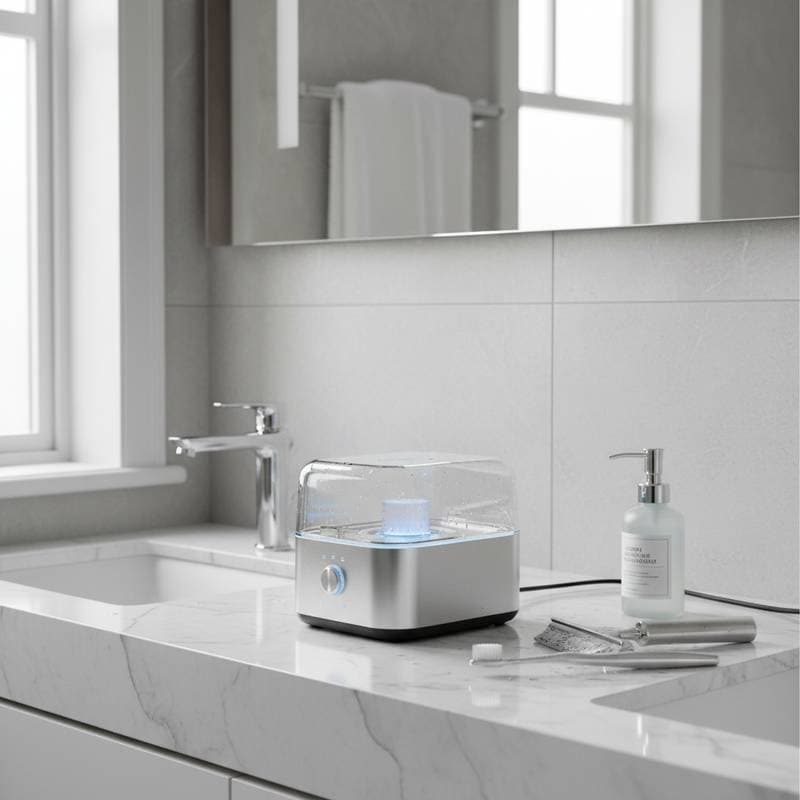
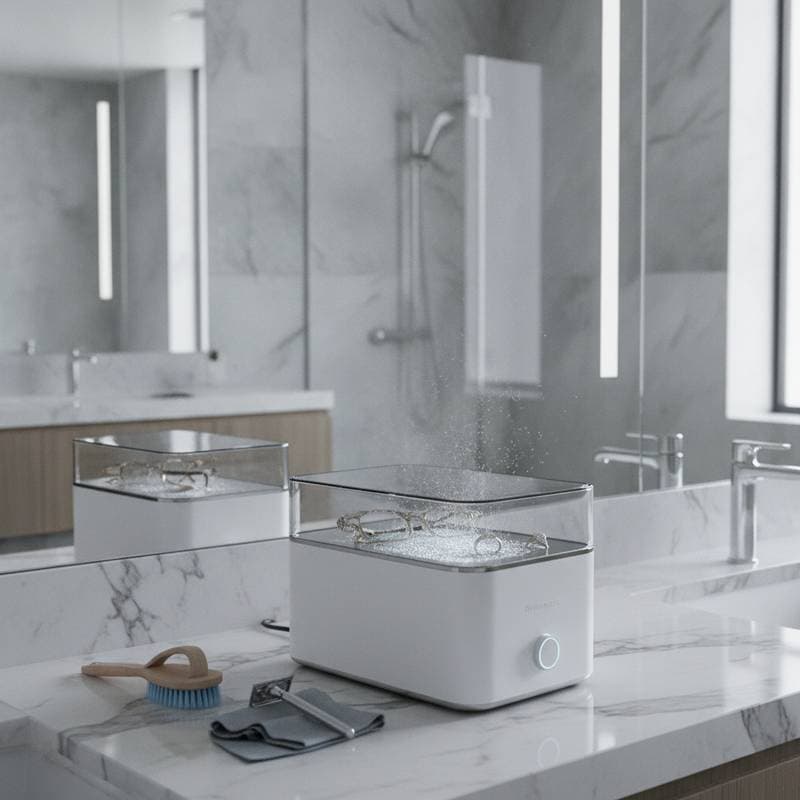
Sonic cleaning uses high frequency sound waves to remove mineral deposits, soap film, and grime from bathroom fixtures. Homeowners fill a compact basin with water and a mild solution, submerge detachable parts, and let the machine run. Sessions last fifteen to thirty minutes. Entry level units cost between sixty and three hundred dollars. The approach suits beginners and requires only a stable countertop and an electrical outlet.
When to Handle the Work Yourself
Required Materials
- Sonic or ultrasonic cleaner sized for household use.
- Mild dish soap or a vinegar water mixture.
- Microfiber cloths for drying.
- Small baskets to keep loose parts together.
Protective rubber mats and commercial descaling solutions are optional additions that extend equipment life.
Step by Step Cleaning Process
Prepare the Machine
Fill the tank with warm water to the indicated level and add the chosen solution. Place the unit on a flat surface and connect it to power.
Ready the Items
Detach faucet aerators, shower heads, and drain plugs. Wipe away loose hair or debris. Skip any electrical parts or glued assemblies.
Run the Cycle
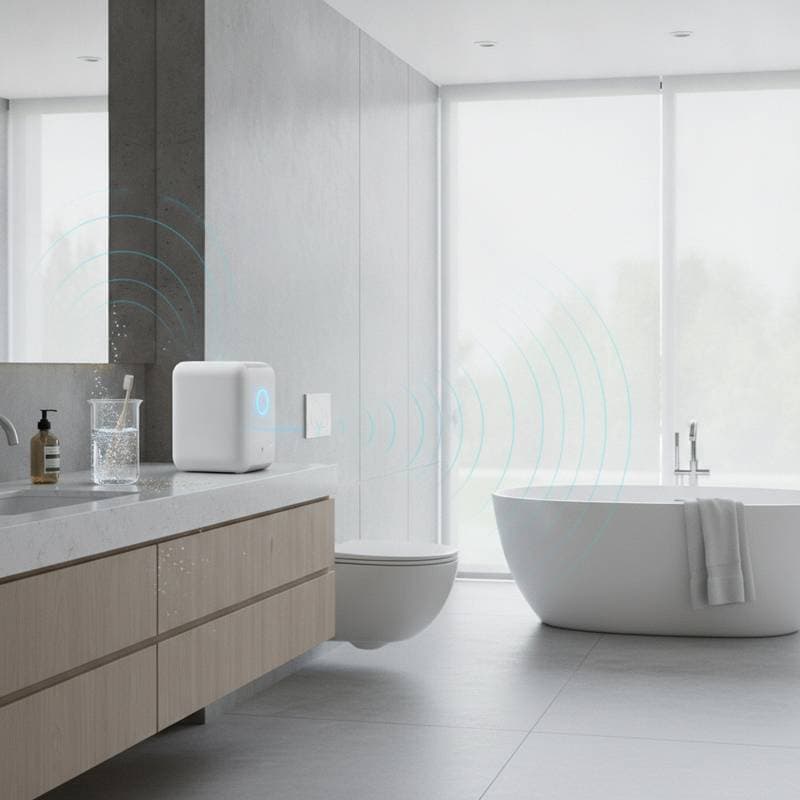
Activate the cleaner for three to six minutes. Microscopic bubbles form and collapse against the submerged surfaces, loosening buildup without scrubbing.
Finish and Inspect
Rinse each piece under clean water, dry it with a soft cloth, and check for remaining spots. Repeat a short cycle if needed. Empty and wipe the tank after every use.
Quality Checks
Hold cleaned parts under bright light to confirm a uniform finish. High mineral water may leave spots; a final rinse with distilled water prevents them. Regular use keeps grout lines and metal surfaces free of new deposits.
Choosing Equipment Wisely
Small countertop models handle daily items such as toothbrush holders and razor stands. Larger basins accommodate multiple fixtures at once. Mid priced units deliver reliable power and capacity without excess noise or size.
Care for Continued Performance
Change the water after each session. Skip strong solvents that can corrode internal parts. Store the unit dry and unplugged. Inspect seals and lids periodically for wear.
Practical Techniques
Soak heavily soiled pieces in warm vinegar for five minutes before the sonic cycle. Distilled water reduces spotting inside the machine. The same equipment cleans razors, tweezers, and jewelry. Weekly sessions prevent heavy buildup and shorten future cleaning times.
Sonic cleaning replaces repetitive scrubbing with a repeatable, low effort routine that preserves fixtures and reduces chemical use over time.