Why Traditional Cleaners Fall Short
Bathroom odors often return quickly because most cleaners only remove surface dirt. Disinfectants and sprays may reduce bacteria temporarily or cover smells with fragrance, yet they leave behind the organic residue in drains, grout lines, and around toilet bases that feeds odor-causing microbes.
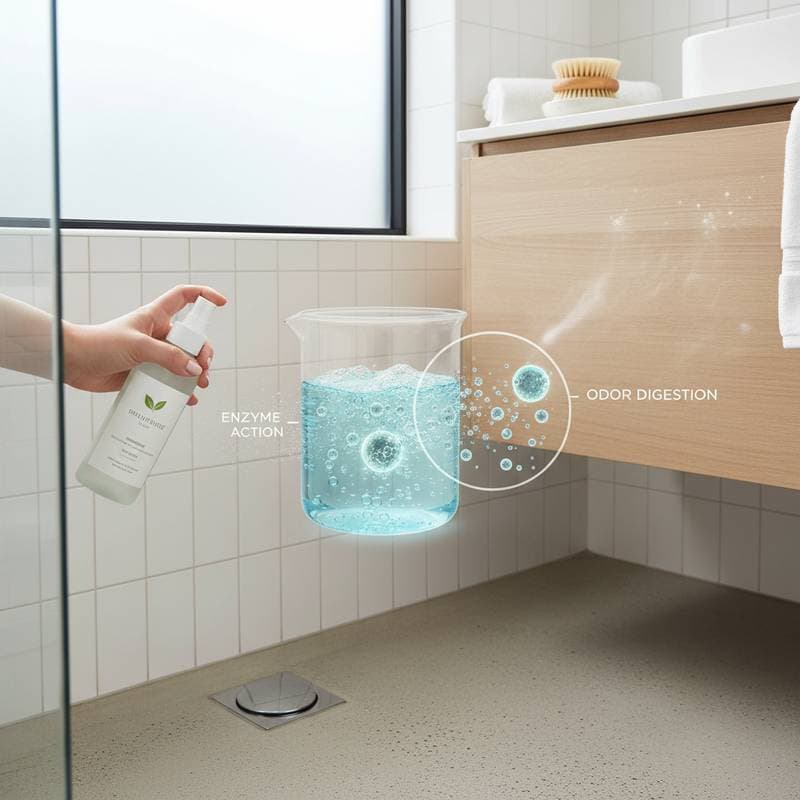
Enzyme cleaners address this gap by breaking down the actual source material. They follow a practical approach similar to fixing equipment on a farm: resolve the underlying cause rather than treat the symptom alone.
How Enzymes Break Down Odor Sources
Enzymes function as specialized proteins that speed the natural breakdown of organic compounds such as urine, soap scum, and mildew. Once applied, they convert these substances into water and carbon dioxide, continuing to work as long as moisture is present.
Project Details
Working time: 15 to 30 minutes per session
Total time: 2 to 6 hours, including dwell period
Skill level: Beginner
Estimated cost: 10 to 25 dollars per bottle
Situations Best Handled by DIY or Professionals
Routine odor control around drains, toilets, and tile responds well to enzyme treatment combined with regular scrubbing. Persistent smells after repeated applications, however, may indicate leaks or pipe damage that require a plumber.
Homeowners can manage these tasks themselves:
- Weekly drain and toilet base maintenance
- Grout and caulk cleaning in showers
- Treatment of mildew on curtains or bath mats
Seek professional help when these signs appear:
- Ongoing sewage odors
- Water stains beneath flooring
- Mold extending past visible areas
Required Materials
Core supplies:
- Enzyme cleaner formulated for multiple surfaces or drains
- Microfiber cloths and sponges
- Stiff nylon scrub brush
- Warm water for rinsing
Helpful additions:
- Spray bottle for even application
- Small funnel for drain treatments
- Gloves if skin sensitivity exists
Application Steps
- Locate the strongest odor by checking drains, toilet seals, and grout joints.
- Clear the space of rugs and loose items, then wipe away loose dust with mild soap.
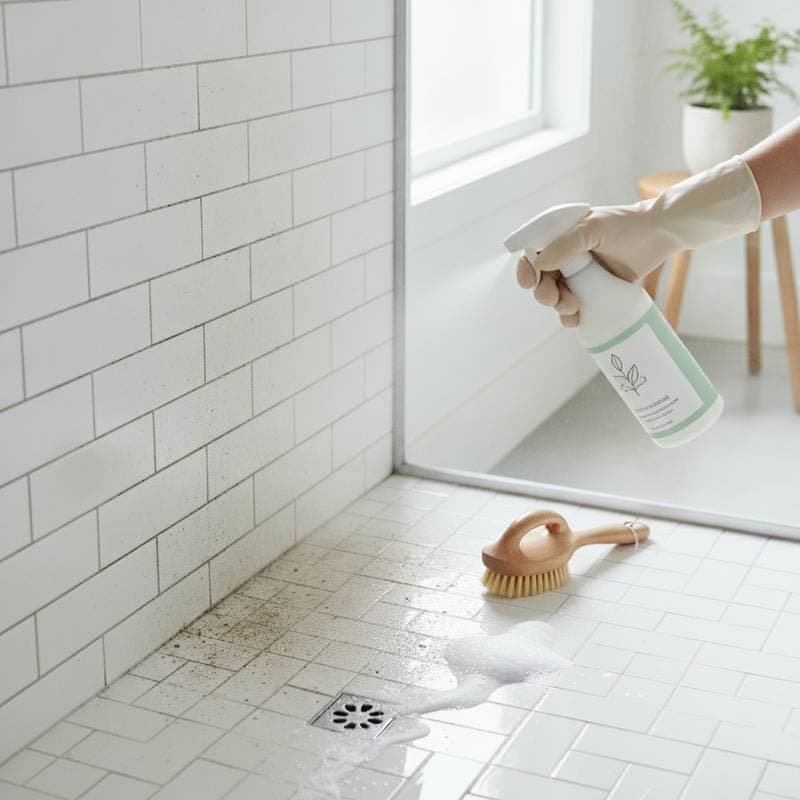
- Apply the enzyme product generously so it soaks into porous surfaces.
- Maintain dampness and allow several hours or overnight for full activity.
- Scrub lightly with the nylon brush and rinse with warm water; repeat on heavy buildup.
- Pour a measured amount down each drain, add warm water, and leave overnight.
Achieving Consistent Results
Success depends on allowing enough time for the enzymes to finish digesting residue. Odor reduction serves as a better progress indicator than appearance alone. Multiple treatments may be needed on older buildup.
Once smells disappear, a weekly or biweekly maintenance application prevents recurrence. Never combine enzyme products with bleach or disinfectants, because those agents deactivate the enzymes.
Cost and Value Considerations
Although enzyme cleaners carry a higher initial price than conventional options, they reduce long-term expenses by limiting repeat purchases and avoiding grout replacement. Concentrated versions offer flexibility for both routine dilution and spot treatment.
Practical Recommendations
Store bottles away from heat and direct light to preserve enzyme strength. Test any new product on a small section of natural stone before full use. Keep one set of cleaning tools exclusively for enzyme work to avoid cross-contamination. For urine odors, select a formula that lists specialized urine-degrading enzymes.
Ongoing Odor Prevention
A brief weekly application to drains and toilet bases stops new bacterial colonies from forming. This method combines time-tested observation with targeted biological action to maintain clean, fresh bathrooms without aggressive chemicals.