Understanding Enzyme Cleaners and Their Advantages Over Bleach
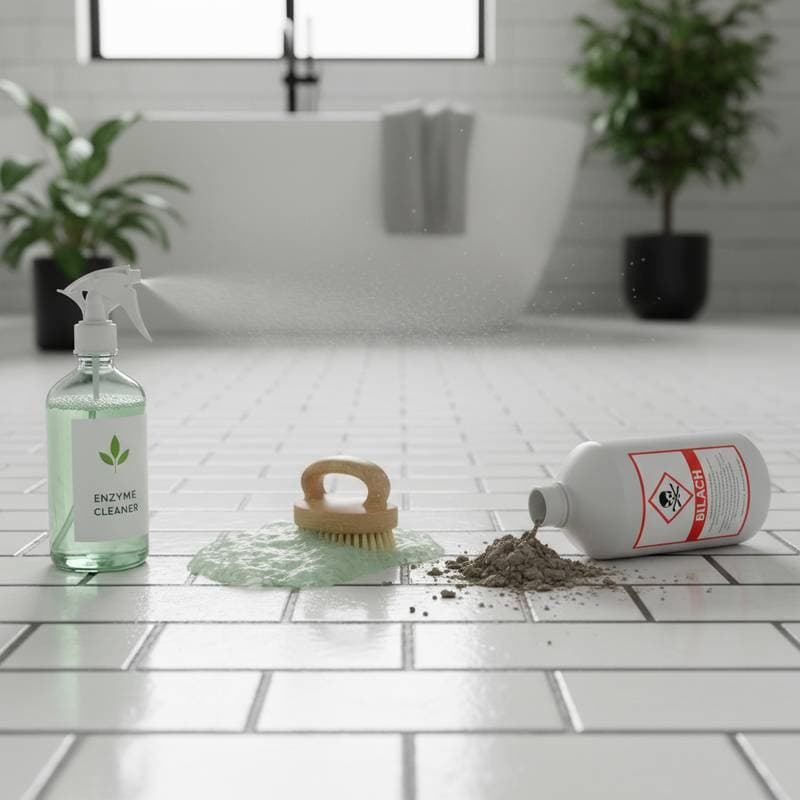
Grout lines in tiled areas collect dirt, mold, and residues that bleach struggles to remove entirely. Bleach offers surface disinfection, yet it degrades porous grout with repeated use. Enzyme cleaners resolve these challenges through biological agents that dissolve organic buildup completely and without harm.
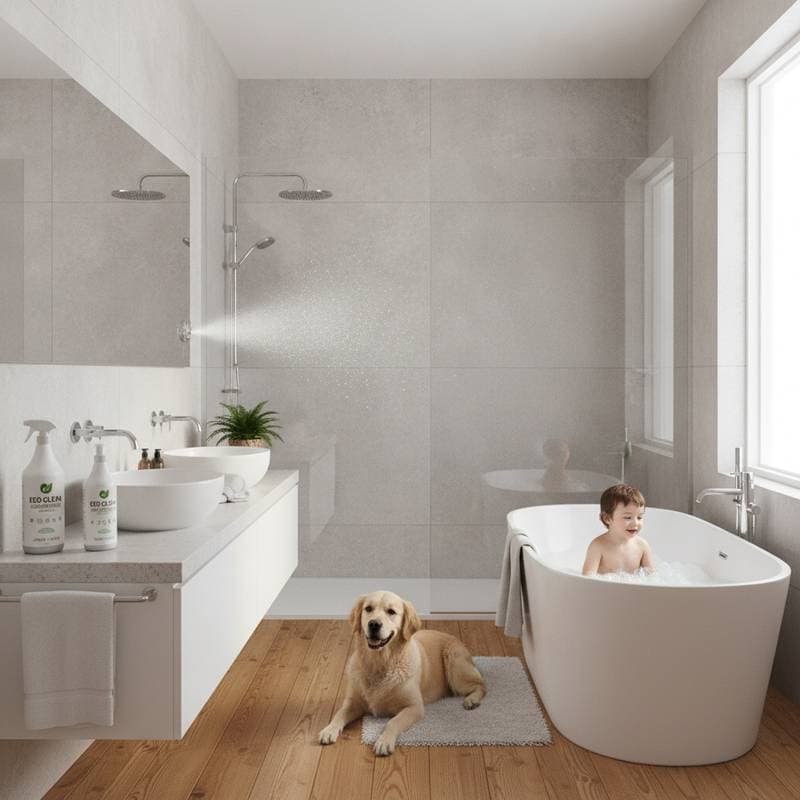
Homeowners increasingly prefer options that avoid heavy chemicals, driven by concerns over indoor air quality. Enzyme products fit this preference perfectly, providing strong cleaning performance free from bleach-related fumes or material wear.
How Enzymes Target Grout Stains
Grout, made from cement-based materials, absorbs moisture and organic substances easily due to its porous nature. This condition promotes bacterial growth and lasting discoloration. Bleach uses oxidation to address visible stains, but it often leaves hidden residues behind and compromises grout integrity over time.
Evaluating Your Grout Before Cleaning
Inspect the degree of staining to decide if enzyme cleaners fit your situation. Light surface dirt yields to enzymatic treatment swiftly, whereas embedded mold or damage to the grout structure requires expert help.
Check the tiles nearby for their composition, since enzymes work well on ceramic and porcelain but demand verification on delicate natural stones via product labels. Perform a test in a hidden area to rule out any unwanted effects.
Consider room conditions such as temperature and air movement. Enzymes perform best in moderate settings between 68 and 77 degrees Fahrenheit, where good ventilation supports drying afterward and prevents mold recurrence.
Preparing for Effective Grout Cleaning
Assemble necessary items to make the task efficient and consistent. Thorough preparation reduces delays and boosts the cleaners' performance.
Essential tools and materials:
- Chosen enzyme-based grout cleaner
- Soft-bristle brush or old toothbrush for precision
- Microfiber cloths for wiping and rinsing
- Spray bottle for targeted application
- Bucket filled with warm water
- Protective gloves
- Plastic scraper for tough areas
Focus on safety by donning gloves while brushing to avoid irritation from loosened particles. Ensure proper airflow to control moisture levels, and block off damp zones near electrical outlets.
Plan the session for times with minimal foot traffic, allocating two to four hours for application and drying. Break extensive surfaces into smaller zones to monitor progress effectively.
Step-by-Step Application Process
Follow these steps carefully to secure optimal cleaning across all areas.
-
Clear the surface. Sweep away loose debris using a damp cloth or soft broom, granting enzymes clear entry to the grout lines.
-
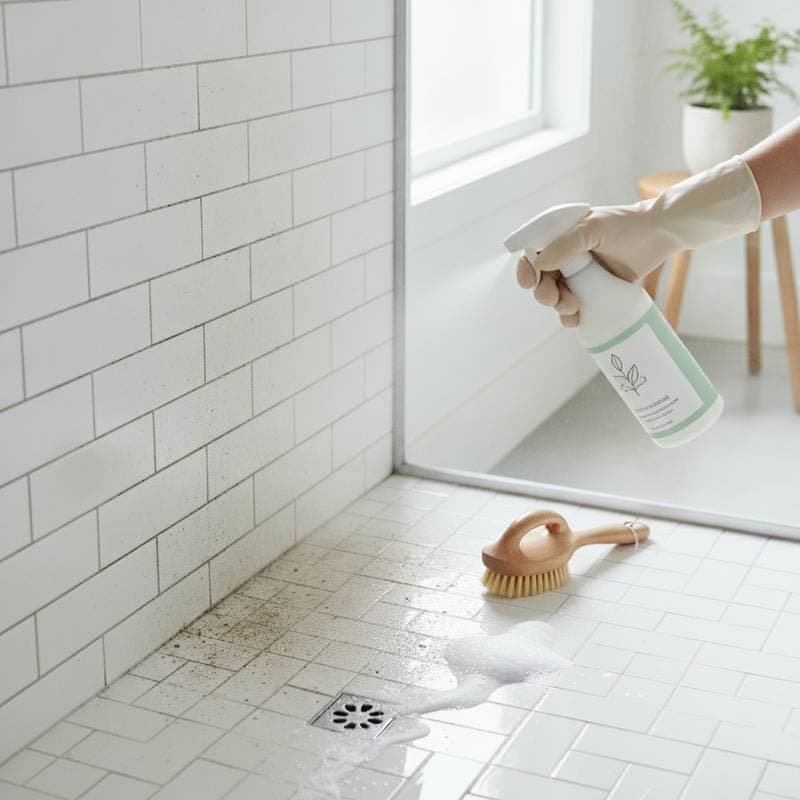
Distribute the cleaner. Spray or brush the product liberally along the grout, ensuring full saturation to reach concealed dirt.
-
Permit dwell time. Let the cleaner sit for 10 to 30 minutes as directed on the label, allowing enzymes to sever organic connections.
-
Scrub gently. Use circular strokes with a soft brush, focusing on stained sections while applying light pressure to avoid scratching.
-
Rinse meticulously. Clean with cloths dampened in warm water, repeating passes until no residue appears and rinse water flows clear.
-
Facilitate drying. Blot with dry cloths and encourage airflow for a minimum of one hour to eliminate trapped moisture.
Verifying and Enhancing Results
Once dry, examine the grout for consistent color and no visible marks. An even finish indicates effective treatment; lingering spots call for a second round, safe given the product's mild composition.
Ongoing dark areas or smells point to deeper problems like retained water. Probe further by checking under a grout segment if possible, and resolve root issues such as plumbing leaks prior to additional cleaning.
Run compatibility checks on secluded spots for different materials. Note successful methods, like exact dwell times, to improve subsequent cleanings.
Sustaining Clean Grout Long-Term
Preserve grout freshness with regular, gentle enzyme applications each week. Such routines curb bacterial films and reduce the need for major efforts.
Manage humidity by running exhaust fans after bathroom use and drying surfaces promptly with towels. Apply a grout sealer once a year to limit absorption and prolong pristine conditions.
Keep enzyme products in cool, shaded spots to retain their strength. Avoid mixing them with bleach, which deactivates the enzymes and produces harmful gases.
Benefits Driving the Shift to Enzyme Cleaners
Users choose enzyme cleaners for their effective yet low-risk profile. These options remove worries about chemical contact, fostering safer home environments.
Widely available online in concentrated forms, they offer convenience and economy. DIY users gain professional-level outcomes using simple equipment.
Practical Strategies for Optimal Outcomes
Incorporate enzymes into weekly routines to accumulate protective effects beyond occasional treatments. Opt for nylon-bristle brushes that fit into narrow lines without damaging tiles.
Keep grout moist during the dwell phase to sustain enzyme activity. Combine cleaning with fixes for leaks to halt new stain formation.
Document details like dilution ratios and application schedules to repeat positive results with ease.