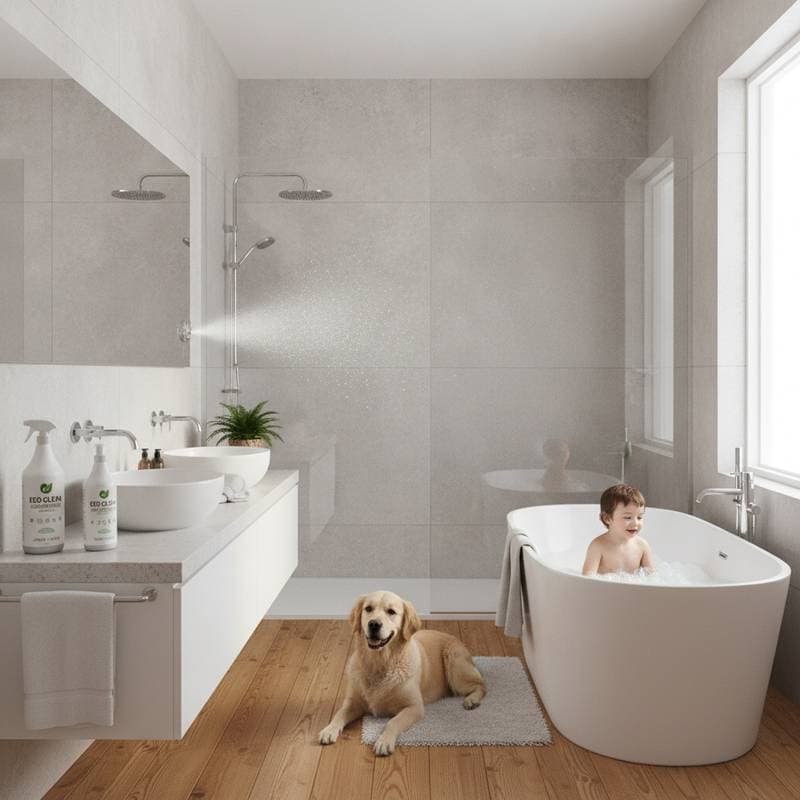
Key Benefits of Steam Cleaning
- Steam cleaning removes the reliance on harsh chemicals while effectively sanitizing surfaces through high-temperature vapor.
- Long-term savings emerge from decreased purchases of commercial cleaning products.
- Safe operation demands caution around sensitive materials like unsealed wood or delicate fabrics.
- Integration of steam methods fosters a healthier living space devoid of chemical residues.
The Rise of Steam Cleaning in Modern Homes
Homeowners increasingly question conventional cleaning routines. Cabinets once stocked with aerosol cans and liquid disinfectants now yield to simpler options. These traditional products often emit volatile organic compounds, deposit residues, and compromise indoor air quality.
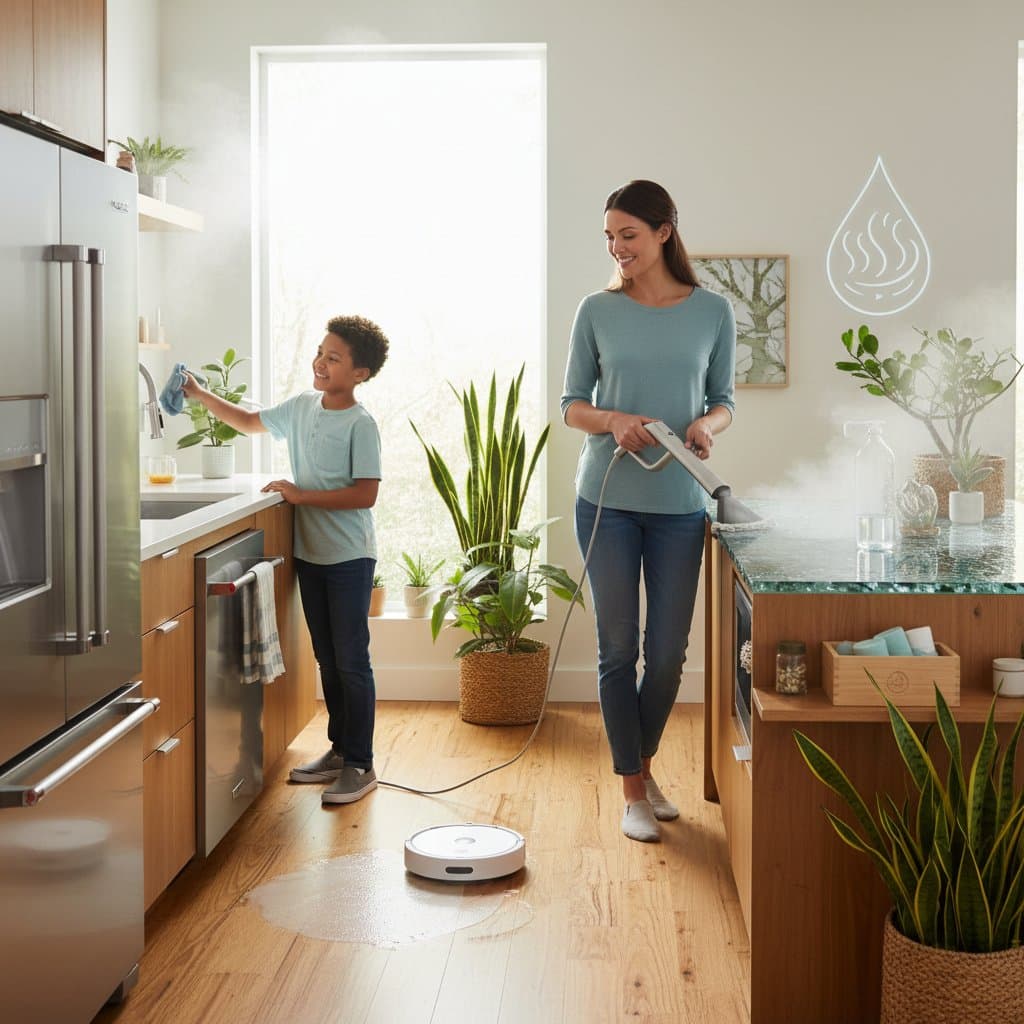
Steam cleaning provides an effective, natural substitute. High-pressure vapor from heated water dislodges embedded dirt, dissolves grease, and eradicates up to 99 percent of bacteria without synthetic additives. This approach aligns with principles of efficiency and safety, delivering thorough results comparable to or surpassing chemical-based methods.
Project Essentials
Deciding Between DIY and Professional Services
Most steam cleaning tasks suit hands-on homeowners. Residential units operate with distilled water, an outlet, and methodical application. Professionals prove valuable for expansive carpets or intricate upholstery that demand advanced tools.
Sealed hardwood, ceramic tile, or laminate floors respond well to DIY efforts. Steam risks damage to unsealed wood or painted elements through moisture absorption, leading to swelling or fading. Test inconspicuous spots beforehand to confirm compatibility.
Required Materials and Tools
- A steam cleaner, either handheld for portability or upright for larger areas.
- Distilled water to minimize scale in the boiler.
- Microfiber cloths for residue removal and drying.
- Extension cord rated for high amperage in extended spaces.
- Soft-bristle brushes or specialized nozzles for grout and textiles.
Additional Accessories
- Squeegee attachment for streak-free window cleaning.
- Carpet glider for penetrating rug fibers.
- Grout scraper for stubborn tile accumulations.
Detailed Cleaning Procedure
-
Site Preparation
Remove clutter and pre-clean with a vacuum or broom to eliminate loose particles. Steam interaction with debris can create abrasive paste. Add distilled water to the reservoir, avoiding tap water that accelerates mineral deposits.
-
Device Warm-Up
Preheat the unit until steam output stabilizes, typically 3 to 5 minutes. Optimal temperature, around 212 degrees Fahrenheit, guarantees deep penetration and microbial elimination.
-
Hard Surface Treatment
Target floors, counters, and tiles first. Glide the nozzle at a steady pace, 1 to 2 inches from the surface, to allow vapor to emulsify soils. Follow each pass with a microfiber wipe to capture loosened contaminants and prevent water pooling.
-
Grout and Crevice Focus
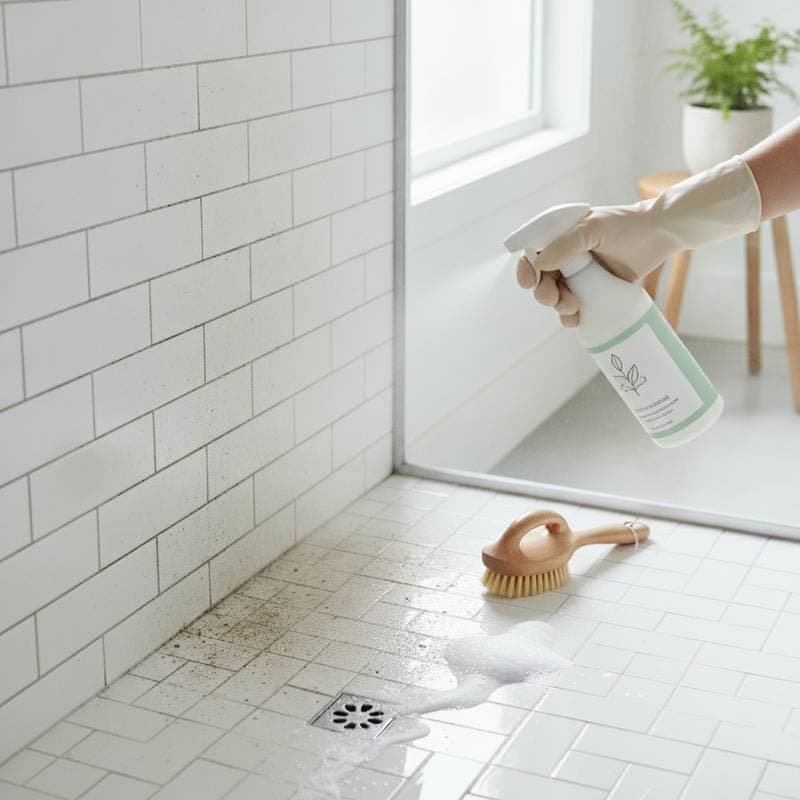
Equip narrow nozzles for seams and edges. Deliver steam in 5-second pulses, then agitate with a nylon brush. This technique extracts embedded grime without eroding sealant.
-
Fabric and Upholstery Care
Adjust to moderate steam intensity to safeguard threads. Maintain a 6-inch distance and make overlapping sweeps. Vapor refreshes odors in sofas, drapes, and bedding while targeting allergens.
-
Glass and Fixture Polishing
Apply steam to mirrors, hardware, and enclosures to dissolve films. Buff with a lint-free cloth or squeegee for clarity. This step restores shine without abrasive pads.
-
Post-Use Care
Unplug and cool the device fully before emptying the tank. Rinse nozzles and hoses under running water. Proper storage in a ventilated area preserves functionality over years.
Ensuring Optimal Outcomes and Durability
Beyond surface cleaning, steam penetrates pores to neutralize pathogens and allergens. Families with respiratory sensitivities or animals benefit from this residue-free process. Schedule weekly maintenance for busy zones and monthly deep cleans for textiles.
Monitor for uneven steaming, which signals nozzle clogs; address with vinegar rinses. Pace movements deliberately to avoid residue trails. Consistent draining prevents corrosion from stagnant water.
Financial Planning for Steam Cleaning
Quality steam units represent a single purchase that offsets recurring chemical expenses. Budget models may falter in pressure consistency, yielding suboptimal sanitation. Invest in mid-range options with adjustable settings for versatile performance.
Handheld variants suit limited funds, excelling in compact zones like restrooms. As needs grow, these serve as reliable backups for targeted jobs, maximizing return on initial outlay.
Safety Protocols and Pitfalls to Avoid
High heat demands vigilance; direct vapor toward work areas only, steering clear of skin, animals, or electronics. Position away from outlets during operation to mitigate shock risks. Reserve the tank for water alone, as additives corrode internals and release toxins.
Excess moisture constitutes a frequent error, transforming steam into liquid. Dial back intensity or accelerate passes if saturation occurs. Neglecting dry-down invites mold; pat surfaces thoroughly to promote evaporation.
Establishing Residue-Free Living Spaces
High-touch zones like handles, workspaces, and pathways accumulate contaminants daily. Conventional formulas deposit films that transfer to inhabitants. Steam purification leaves no traces, enhancing safety for vulnerable household members.
This method curtails environmental impact by slashing single-use packaging. Households reduce landfill contributions while upholding hygiene standards. Adopters often report sustained preference for vapor over solvents, citing the pure, invigorating aftermath.
Advanced Techniques for Enhanced Results
Incorporate distilled water exclusively to avert scaling. Disassemble and soak nozzles in mild solutions biweekly for unobstructed output. Shield electrical components by storing upright in arid conditions.
Pair steam with absorbents like baking soda for intractable spots; apply post-vapor to draw out remnants. Catalog attachments in labeled compartments to streamline setups. These habits elevate routine cleanings into efficient rituals.
Extending Steam Practices Homewide
Mastery of steam techniques opens doors to holistic, additive-free maintenance. Apply similar principles to laundry sanitization or vehicle interiors for comprehensive purity. This shift cultivates resilience and stewardship in daily living.