The Science Behind Enzyme Cleaners
Enzyme cleaners harness naturally occurring proteins that hasten chemical reactions. Each variety of enzyme focuses on a particular substance, including proteins, fats, or carbohydrates. Upon contact with organic stains, the enzymes dismantle the molecular structures into smaller, water-soluble components that rinse away with ease.
Consider these agents as targeted biological tools that metabolize the contaminant instead of merely displacing it. This precise mechanism accounts for their superior performance on intricate stains, such as blood, milk, or animal urine. The process neutralizes the origin of both odor and visible marks, resulting in a clean surface free from artificial fragrances.
Conventional cleaning agents frequently incorporate strong solvents or bleaches that may harm sensitive materials with repeated use. Enzyme products adopt a milder strategy, positioning them as optimal choices for textiles, rugs, and absorbent surfaces prone to retaining scents or stains.
Enzyme Cleaners in Practical Applications
Understanding their real-world utility requires examining performance across various settings.
Kitchen Surfaces
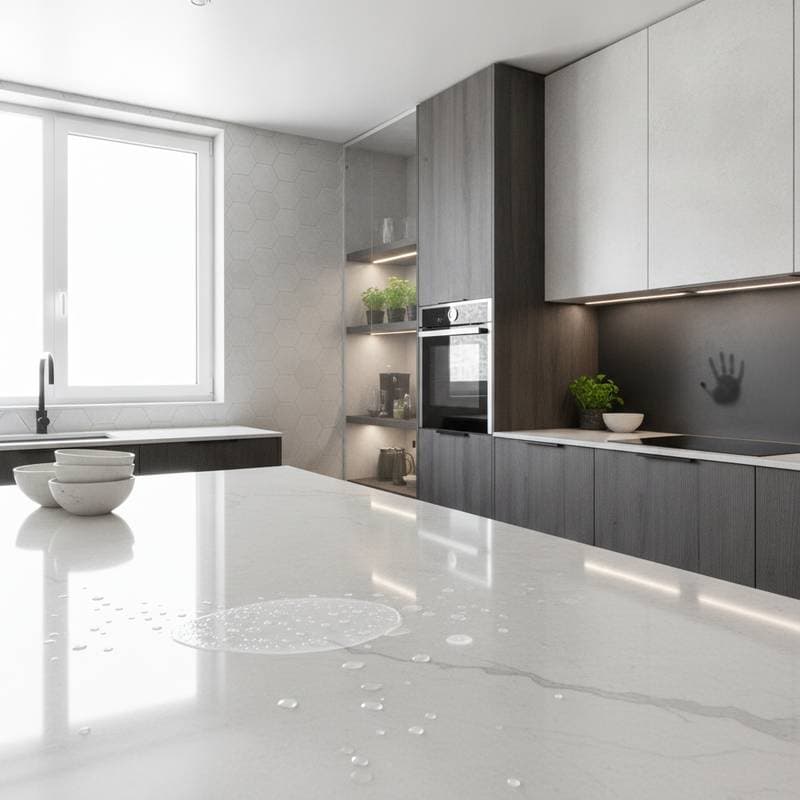
Grease accumulation, food remnants, and spills constitute routine challenges in kitchens. Lipase enzymes excel at decomposing fats and oils, rendering enzyme cleaners highly effective for stovetops and countertops. Distinct from solvent-based degreasers, these cleaners naturally dissolve residues, yielding smooth surfaces devoid of lingering films.
Laundry and Fabrics
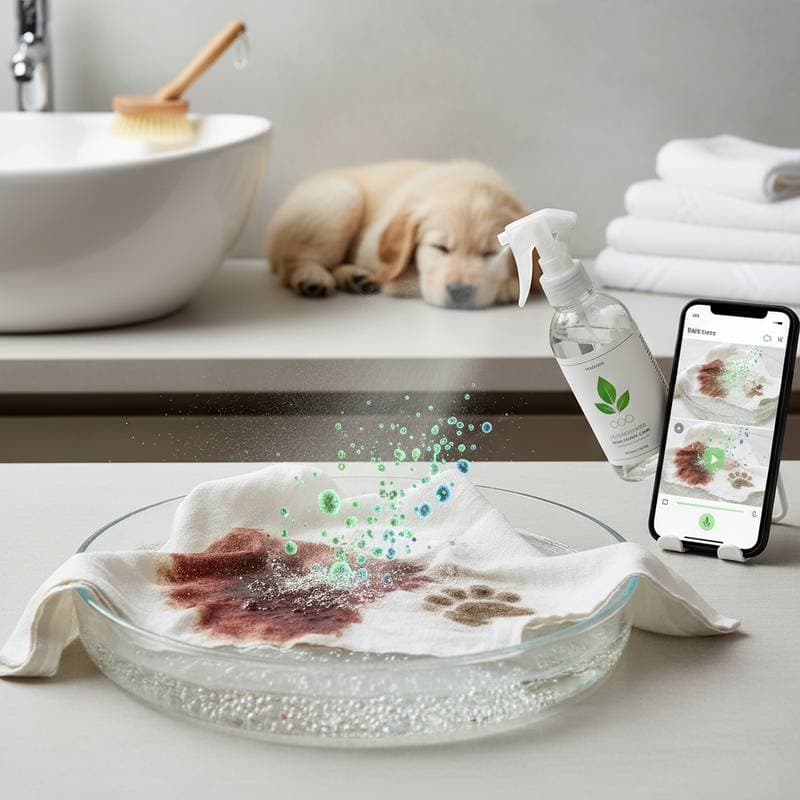
Stains derived from proteins, including blood, perspiration, or dairy products, yield optimally to protease enzymes. Employed as a pretreatment or additive in laundry cycles, enzyme cleaners extract these marks prior to the action of standard detergents. This method not only revives fabric vibrancy but also averts the gradual discoloration that accumulates over washes.
Bathroom Maintenance
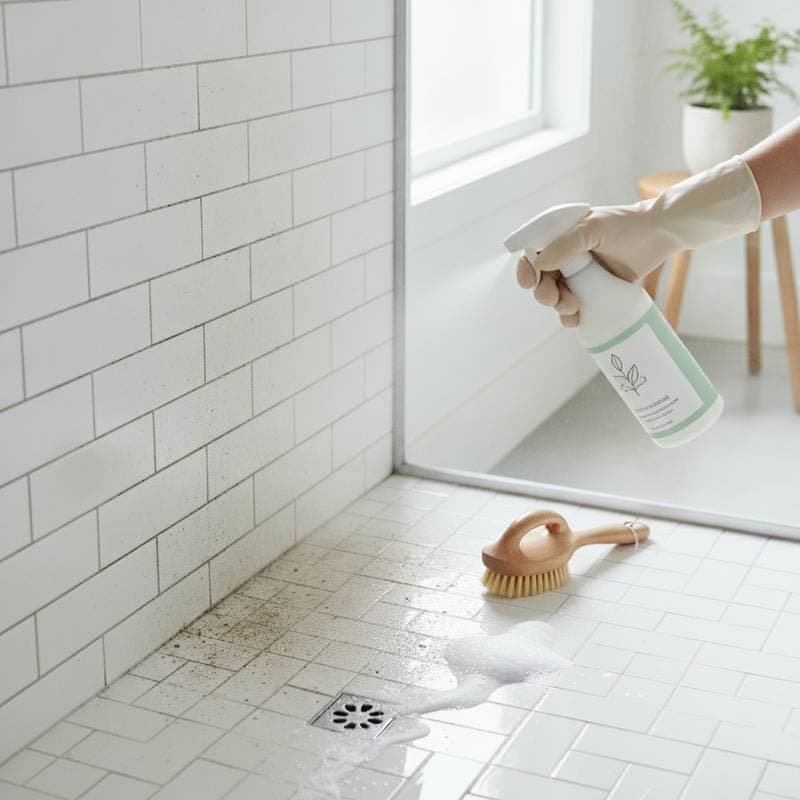
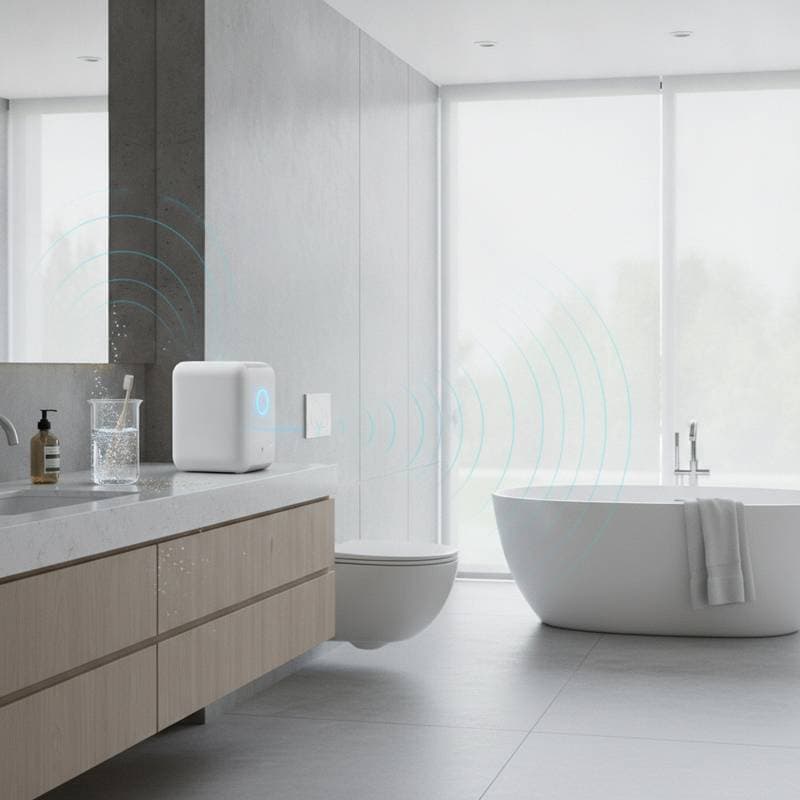
Bathrooms often accumulate mildew, soap residues, and bodily oils. Multi-enzyme compositions address these elements concurrently, refreshing tiles and grout without demanding vigorous abrasion. The enzymes persist in activity post-rinse, diminishing bacteria responsible for odors in moist environments.
Pet Mishaps and Odor Elimination
Pet owners find enzyme cleaners transformative for accident cleanup. Urine odors endure because crystals penetrate deeply into carpets. Urease and amylase enzymes directly assault these elements, converting them into innocuous gases and water. This achieves genuine odor eradication, surpassing superficial masking techniques.
Components of Enzyme Cleaners
Typical enzyme cleaners feature a combination of enzymes, surfactants, and stabilizers. Enzymes perform the primary degradation, while surfactants facilitate particle detachment and water-based removal. Stabilizers preserve enzyme viability until contact with the target material.
Various manufacturers tailor formulations for particular purposes. Certain variants prioritize pet stains, while others suit laundry or kitchen tasks. Review product labels for specified enzyme types and compatible surfaces. For example, preparations containing protease and lipase address food and protein residues, whereas those with cellulase manage plant-derived fibers.
Unlike bleach or ammonia, enzyme cleaners generally prove non-corrosive and secure for common household materials. Professionals advise conducting a patch test in an unobtrusive location prior to widespread use, particularly on fragile items like silk or raw wood.
Effective Techniques for Enzyme Cleaners
Superior products demand meticulous application to succeed. The underlying biology requires deliberate handling.
-
Assess the Stain Composition
Determine if the residue involves proteins, fats, or carbohydrates. Select a cleaner matched to the material.
-
Apply Liberally and Allow Dwell Time
Enzymes require sufficient exposure. Permit the solution to sit on the stain for the recommended duration, often several minutes. Visible effervescence indicates active processing.
-
Use Moderate Temperatures
Elevated heat inactivates enzymes. Opt for ambient or slightly warm water to optimize performance.
-
Blot Rather Than Rub
Aggressive rubbing disperses contaminants or harms textures. After enzymatic breakdown, absorb remnants with a fresh cloth using gentle pressure.
-
Apply Multiple Layers for Stubborn Cases
Aged or embedded stains might necessitate repeated applications. Each treatment advances the degradation incrementally.
-
Maintain Storage Conditions
Preserve enzyme cleaners in cool, dry areas to sustain potency. Heat or sunlight exposure compromises activity levels.
Pitfalls to Sidestep
Social media hype can prompt improper handling. Consider these frequent oversights:
-
Combining with Harsh Chemicals: Pairing enzyme solutions with bleach or ammonia neutralizes their biological efficacy. Administer them independently.
-
Anticipating Rapid Outcomes: Enzymatic action unfolds progressively. Allocate adequate time for complete stain resolution.
-
Targeting Non-Organic Deposits: Enzyme cleaners fail against inorganic issues like rust, mineral scaling, or paint specks.
-
Overlooking Shelf Life: Enzymatic potency wanes with age. Verify expiration dates to ensure reliable results.
Establishing a Routine with Enzyme Cleaners
Incorporating enzyme cleaners into daily practices streamlines upkeep and lessens reliance on synthetics. Begin by substituting select conventional sprays with enzyme options. Deploy them for organic-prone areas, including kitchen counters or fabric pretreatments.
Complement enzymatic use with consistent habits, such as prompt spill management. This approach confines enzymes to persistent problems, fostering surfaces that remain pristine with minimal intervention. Households benefit from sustained freshness, enhanced material longevity, and reduced environmental impact.