- Steam cleaner delivering at least 45 psi pressure
- Microfiber pads or towels for surface wiping
- Extension wands for reaching floors and ceilings
- Nylon and brass brushes for grout and metal fixtures
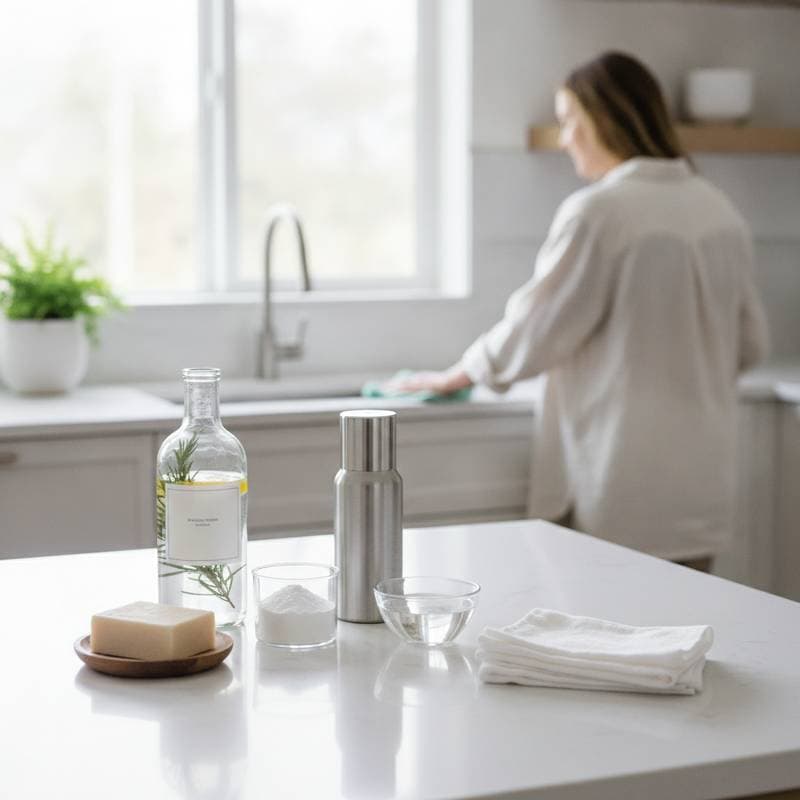
- Distilled water to avoid mineral accumulation
Residents in hard water areas should avoid tap water, as it promotes scaling within the machine and reduces longevity. Follow manufacturer care guidelines meticulously and flush the system routinely.
Prime Applications for Steam Cleaning
Steam cleaning demonstrates remarkable versatility, yet it excels in areas where conventional methods falter. The following highlights yield the greatest benefits.
1. Tile and Grout:
Grout lines harbor dirt beyond the reach of mops or sponges. Steam penetrates deeply into pores, dislodging debris and eradicating mold spores. Employ a nylon brush attachment and proceed methodically to maximize heat exposure.
Steam effortlessly banishes soap scum, mildew, and hard water stains from glass and tile. It sanitizes toothbrush holders, faucets, and showerheads effectively. Exercise caution with caulking or rubber seals, as prolonged heat exposure may cause deterioration.
4. Upholstery and Carpets:
Steam revives fabrics by extracting dirt and counteracting odors. Test an inconspicuous area initially and apply lower pressure. For stubborn stains, pre-treat with plain water to relax fibers prior to steaming.
5. Windows and Mirrors:
Steam ensures streak-free glass when paired with a dry microfiber cloth. It also clears adhesive remnants from frames and blinds sans chemical remnants.
Safety Protocols and Practical Tips
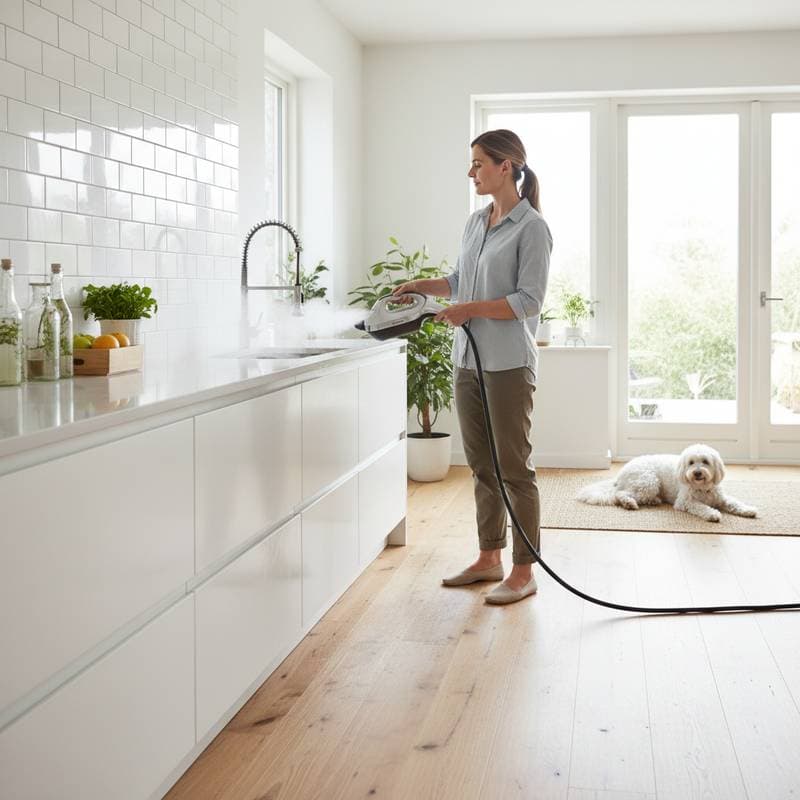
Steam cleaning remains safe with proper handling, though it involves pressurized heat. Burns can occur from mishandling nozzles or attachments. Wear protective gloves and closed-toe shoes, and restrict access to children and pets during sessions. Allow surfaces to cool fully before direct contact, and direct steam away from electrical outlets or appliances.
Certain surfaces resist steam well. Refrain from applying it to unsealed wood, painted surfaces, or fragile fabrics like silk, where moisture risks warping or fading. Test discreet spots when uncertain. Note that while steam destroys most bacteria and dust mites, it does not replace disinfectants in food preparation zones post-raw handling.
Pitfalls to Sidestep
Streaks or water spots post-cleaning often result from hasty movement or mismatched attachments. Steam requires dwell time to loosen buildup, so proceed deliberately. Utilizing soiled microfiber pads merely redistributes dirt; maintain multiples and replace them as they saturate.
Overfilling the steam cleaner diminishes temperature and pressure, impairing efficacy. Permit full heating before use and vent pressure prior to refills. Patience ensures optimal results through these practices.
Engaging Professional Services
For tasks involving structural moisture, mold removal, or extensive carpet care, professional intervention is advisable. Steam aids maintenance but cannot remedy profound water damage or embedded mold in walls. Experts deploy moisture meters and extraction tools surpassing residential capabilities. Persistent musty odors after cleaning signal potential concealed issues warranting specialist evaluation.
Establishing a Sustainable Cleaning Regimen
Incorporate steam cleaning as a routine maintenance practice rather than an occasional fix. Weekly sweeps over tile floors avert grime accumulation. Monthly thorough treatments of appliances and bathrooms curb mold and bacterial growth. Regular application shortens session durations over time.
Complement the steam cleaner with basics such as microfiber cloths, squeegees, and soft brushes. Households discover reduced reliance on myriad specialty cleaners.
Implementing the Switch
Adopting steam cleaning empowers control over home contaminants and surface purity. Initial sessions may proceed slowly during acclimation, yet tangible cleanliness improvements emerge quickly.
For a committed chemical-free environment, procure a reliable steam cleaner and master its features. Begin in a single room, assess outcomes, and progress systematically. The transformation discourages reversion to abrasive chemical alternatives.