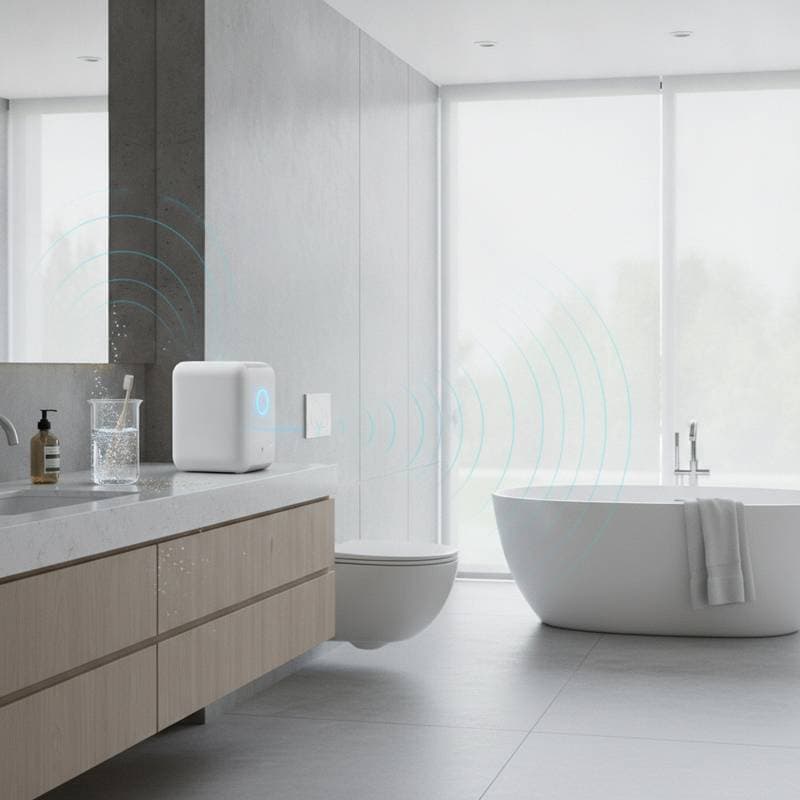
Ultrasonic Waves: Effortless Kitchen Cleaning Without Scrubbing
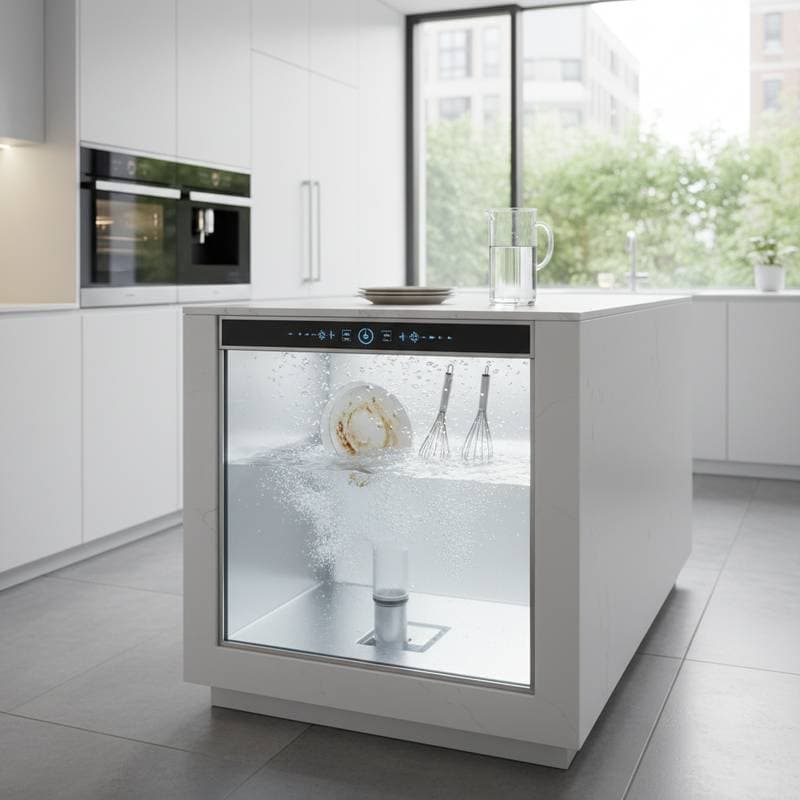
Envision a kitchen where surfaces shine without the effort of manual scrubbing. A gentle hum emanates from a device as sound waves pulse through water, removing embedded grime from dishes and tools. This technology, known as ultrasonic cleaning, harnesses acoustic energy to achieve pristine results, transforming routine maintenance into an efficient, hands-free task.
Understanding Cavitation in Ultrasonic Cleaning
Ultrasonic cleaning relies on cavitation, a process where high-frequency sound waves agitate water to form and implode tiny bubbles. Each collapse generates localized pressure that dislodges particles, oils, and microbes from surfaces. This non-contact method ensures thorough sanitation without physical abrasion.
Frequencies typically range from 20 to 40 kHz for kitchen applications, balancing power and delicacy. Lower settings tackle tough residues on pots, while higher ones preserve the integrity of delicate items like stemware. Users benefit from a versatile system that adapts to diverse materials using plain water as the primary medium.
Aligning with Sustainable Home Practices
Practical Applications for Kitchen Items
Ultrasonic cleaners excel in handling everyday kitchen elements with precision. Consider these targeted uses:
- Utensils and flatware: Waves penetrate crevices to remove baked-on food, achieving sterilization levels comparable to commercial dishwashers.
- Glass and ceramics: Eliminating streaks and smudges restores transparency without risking chips or dullness.
- Fruits and vegetables: Bubbles lift soil and residues gently, outperforming simple washes in contaminant removal while retaining nutritional value.
- Appliance components: Parts from mixers or juicers emerge hygienic, extending equipment lifespan through residue-free maintenance.
- Narrow tools like straws: Inaccessible areas become reachable, ensuring complete cleanliness for reusable items.
This versatility simplifies post-meal care, allowing focus on culinary enjoyment rather than labor-intensive cleanup.
Integrating Ultrasonic Cleaners into Home Routines
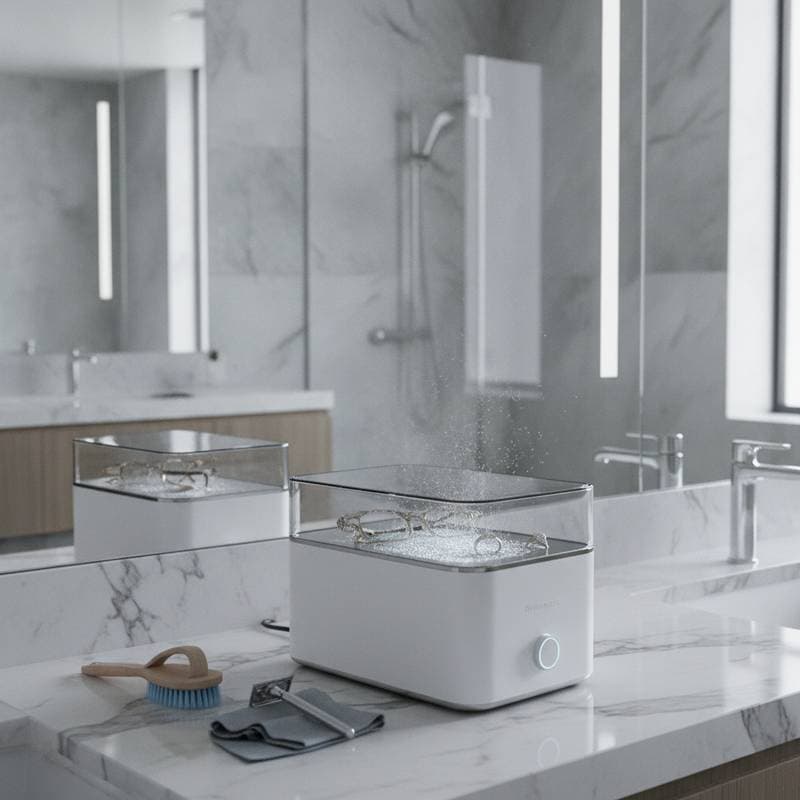
Home ultrasonic units resemble modern kitchen gadgets, compact and user-friendly. Operation involves filling the reservoir with room-temperature water, submerging items, and activating the cycle, which lasts three to ten minutes depending on load size. Results appear as clarified water, signaling effective decontamination.
Select models based on these essential attributes:
- Variable frequency options to suit item types.
- Built-in timers for controlled exposure.
- Mesh baskets for secure item placement.
- Low-decibel fans for unobtrusive use.
- Low-power designs that align with energy-saving goals.
A standard 2-liter capacity suits family needs, fitting neatly on counters or in cabinets. Portable versions cater to small spaces, enabling consistent hygiene in varied living situations.
Mechanics of the Cleaning Action
Sound waves propagate through the liquid medium, creating alternating high- and low-pressure regions. Vacuum cavities form rapidly, then implode, producing shear forces that target submicron contaminants. This dynamic ensures penetration into microstructures, surpassing surface-level wiping.
The process avoids material degradation, ideal for engraved handles or porous filters. Depth of clean rivals professional methods, yet remains accessible for daily application.
Ensuring Safe and Effective Operation
Ultrasonic systems prioritize user safety with straightforward guidelines. Stick to aqueous solutions, avoiding oils or solvents that could ignite. Maintain partial filling to allow wave propagation without splashing.
Post-cycle rinsing removes any loosened particles from edibles. Regular interior wiping prevents scale accumulation, particularly in hard-water areas. Test fragile heirlooms on short cycles to confirm compatibility.
These practices sustain device longevity and performance reliability.
Extending Ultrasonic Benefits Across Household Tasks
Beyond culinary tools, the technology refreshes personal items like watches or brushes through the same cavitation principle. Garden enthusiasts apply it to pruners, while artisans maintain fine instruments. One device thus serves multiple functions, optimizing home organization.
Travelers appreciate lightweight models for on-the-go sanitation of essentials. This adaptability fosters hygiene in transient settings, reinforcing personal standards amid change.
Insights from Specialists on Ultrasonic Advancements
Experts in environmental science highlight ultrasonic cleaning's role in reducing household waste. Materials researcher Dr. Lena Ortiz notes its precision in contaminant removal, which manual efforts cannot match. She emphasizes how it supports preservation alongside sanitation.
The method aligns with zero-waste principles by curtailing single-use products and fluid overuse. Innovations like this demonstrate how acoustic solutions advance ecological home care.
Embracing Cleaner Kitchens Through Sound Innovation
Ultrasonic cleaning elevates routine tasks by introducing tranquility to the process. The subtle vibrations replace frantic scrubbing with observant waiting, fostering mindfulness in shared spaces. Kitchens evolve into sanctuaries of efficiency and renewal.
Adopt this approach by selecting a suitable unit and incorporating it into meal cycles. Observe the shift toward streamlined hygiene, where technology enhances rather than complicates daily life. Future developments promise even greater integration, solidifying sound waves as a cornerstone of sustainable living.