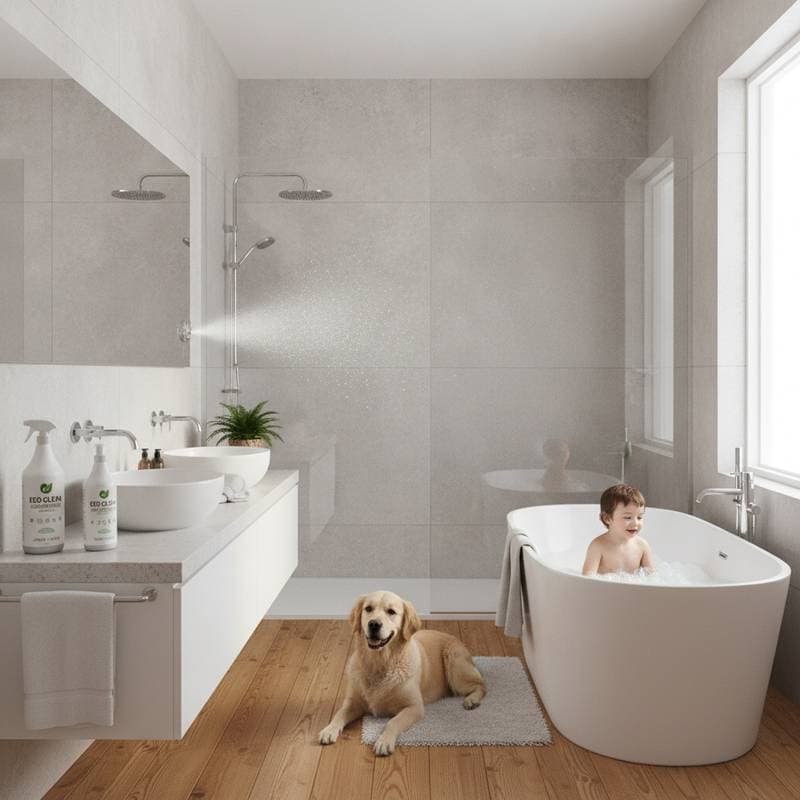
Why Invisible Grout Will Dominate Bathroom Design by 2026
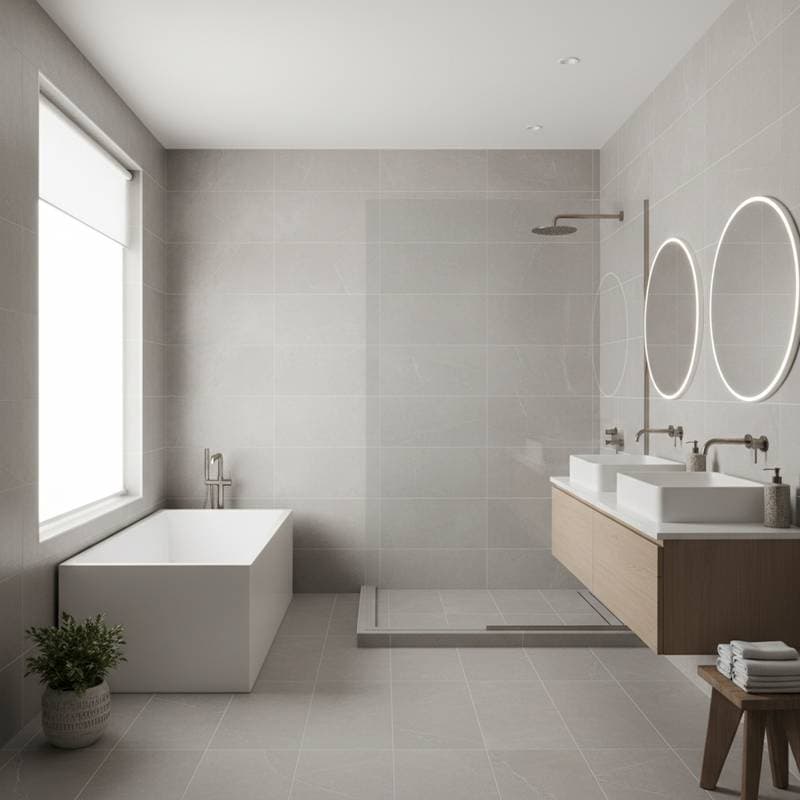
Observers have long appreciated the allure of flawlessly smooth bathroom walls that resemble a single slab of stone. Such surfaces eliminate lines, grime accumulation, and visual disruptions. This effect stems from invisible grout, a innovation poised to reshape perceptions of tiled environments. Individuals who have labored over discolored grout lines share a common frustration, and the design community responds with this emerging solution that garners widespread attention.
Defining Invisible Grout
Invisible grout does not vanish entirely. Rather, it employs a precise installation method paired with compatible products to diminish the visibility of grout lines, rendering tiles appear as a continuous expanse. Grout color precisely matches the tile, while joints receive application in widths far narrower than conventional setups. The outcome yields a surface that conveys sleekness, modernity, and pristine cleanliness.
Reasons to Abandon Traditional Grout
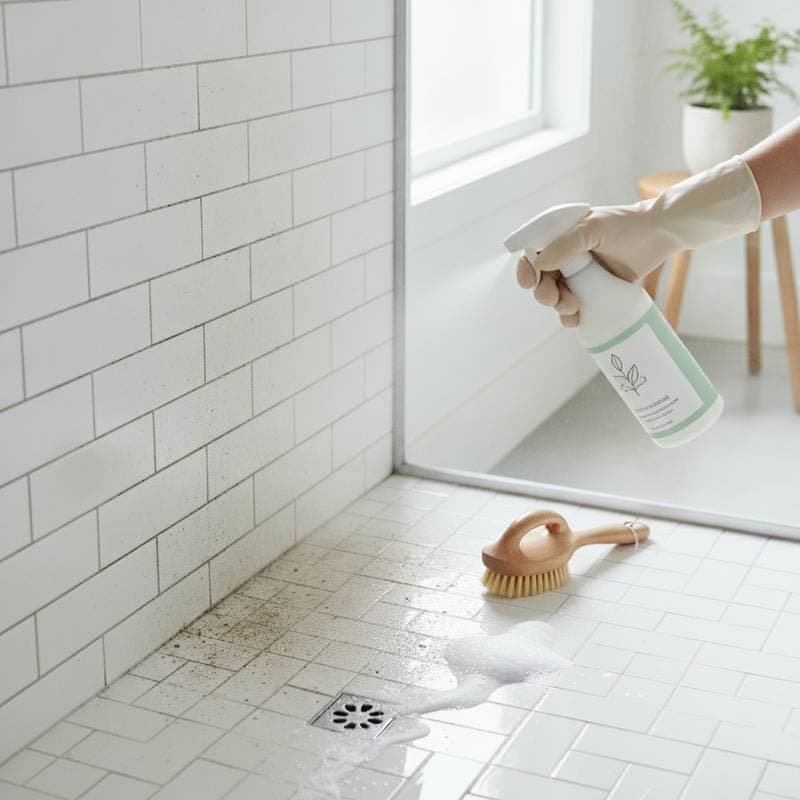
Traditional grout consistently undermines bathroom aesthetics. It stains readily, fosters mildew growth, and demands frequent upkeep. Even optimal installations fragment the visual field, constricting the sense of space in compact areas. Invisible grout addresses these shortcomings comprehensively.
The rapid adoption arises from several key advantages:
- Simplified maintenance: Elimination of scrubbing soiled lines or periodic resealing.
- Enhanced serenity: Unbroken surfaces evoke the tranquility of a spa environment.
- Versatile application: Compatibility with stone-emulating porcelain, terrazzo-patterned slabs, and glossy finishes.
- Superior longevity: Contemporary formulations withstand cracking and fading more effectively than standard grouts.
Homeowners seek environments that balance beauty with utility, and invisible grout fulfills this demand effectively.
The Appeal of Seamless Surfaces
Seamless designs carry psychological benefits. Uninterrupted lines and materials instill a feeling of order and peace. Entry into a bathroom featuring such surfaces allows the mind to absorb harmony without navigating numerous tile divisions. Luxury hotels, spas, and wellness centers have adopted this aesthetic for years, and residential applications now make it attainable.
Invisible grout aligns with the ongoing minimalist ethos in interior design. It directs attention toward lighting, fixtures, and textures, free from distracting patterns. Consequently, the bathroom transforms into a refuge rather than a chore.
Techniques Employed by Designers
Design experts extend invisible grout beyond basic color coordination. Applications include porcelain sheets extending from floor to ceiling with minimal joints, simulating a monolithic slab. Innovations encompass color-infused microcements that replicate tile appearances absent actual seams. Epoxy-based grouts also gain traction, curing to a flawless, glossy finish that merges indistinguishably with tiles.
Precision remains essential for success. Tiles require meticulous leveling, and color alignment demands accuracy. Executed properly, the result captivates, akin to bespoke craftsmanship for bathroom surfaces.
Key Materials Supporting the Trend
Invisible grout thrives with materials exhibiting subtle surface variations. Effective choices include:
- Matte porcelain slabs emulating limestone or travertine textures.
- High-gloss ceramic panels producing a fluid, reflective quality.
- Engineered stone sheets incorporating natural veining minus intricate motifs.
- Microcement overlays yielding a fluid, sculptural appearance.
These selections offer more than aesthetics. They demonstrate resistance to humidity, facilitate straightforward cleaning, and minimize staining risks. Designers thus advocate them for premium overhauls and budget-conscious updates alike.
Evaluating Installation Costs
Initial expenses for invisible grout surpass those of standard methods. Premium materials and skilled labor contribute to this premium. However, enduring benefits justify the investment through reduced cleaning efforts and prolonged fresh appearance. For constrained budgets, apply the technique selectively, such as on shower enclosures or backsplashes, while retaining conventional grout on floors.
Emerging grout variants, leveraging advanced pigmentation and slender joints, replicate the effect at lower costs. Accessibility extends this style beyond elite renovations.
Steps for Integration in Your Bathroom
During a forthcoming remodel, consult designers or contractors on reducing grout visibility. Request color-matched or epoxy alternatives. Select tiles suited to narrow spacing, featuring rectified edges for uniformity and precision.
Lighting influences the outcome significantly. Harsh illumination accentuates joints, so opt for diffused sources to amplify seamlessness. Balance smooth planes with organic elements like wooden features, fabric linens, or rattan accessories to infuse warmth.
Benefits Realized in Daily Use
Adopting invisible grout alters the bathroom experience profoundly. The environment projects composure, hygiene, and purpose. Absence of prominent lines liberates creative expression in hues and materials elsewhere. This subtle enhancement enriches routine moments.
For those envisioning a hotel-caliber retreat, invisible grout presents an opportune choice. Its practicality, elegance, and enduring style ensure prominence in bathrooms by 2026. Begin material research to position ahead of this evolving norm.