Mycelium Insulation: A Natural Solution for Sustainable Homes
Insulation often receives attention only when energy bills rise sharply. Homeowners typically focus on comfort during winter and summer without considering the materials within walls. A closer examination reveals opportunities for improvement, particularly with innovative options like mycelium insulation derived from fungi.
Mycelium consists of the thread-like root structure of fungi, which expands underground to connect and nourish. This network forms the basis for a groundbreaking building material. Research into mycelium insulation highlights its potential as one of the most promising sustainable alternatives available today.
Understanding Mycelium Insulation
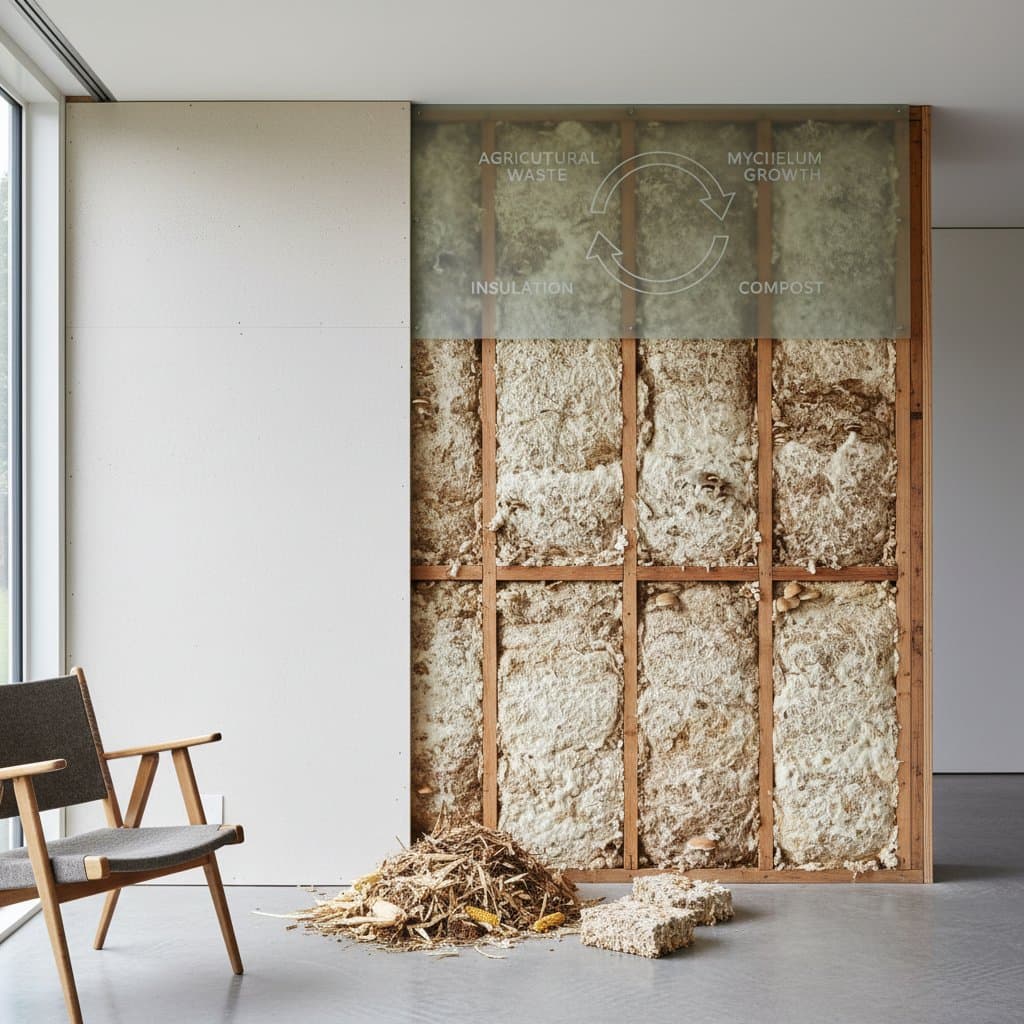
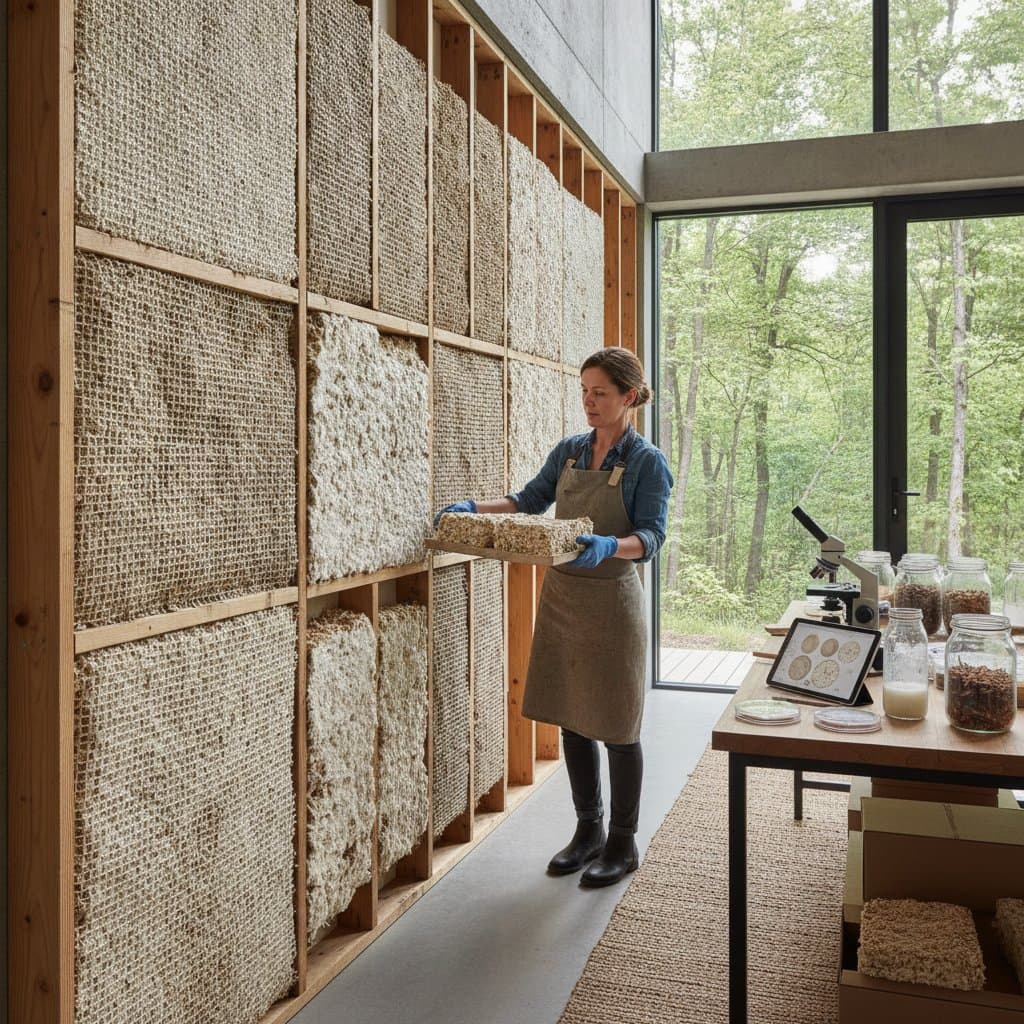
Initial impressions of mycelium insulation may evoke images of mushrooms emerging from walls. In reality, the process yields a safe, controlled product. Mycelium grows through substrates like corn husks, sawdust, or hemp stalks, binding particles into a cohesive form.
Limitations of Conventional Insulation
Common insulation types include fiberglass, spray foam, cellulose, and wool. Each offers advantages, yet environmental drawbacks persist. Fiberglass demands high-energy production and poses irritation risks to skin and respiratory systems.
Spray foams release volatile organic compounds during application and use. Cellulose, derived from recycled paper, requires chemical treatments for fire and pest resistance. These processes highlight a disconnect from natural building principles.
Mycelium insulation contrasts sharply by relying on biological growth rather than industrial manufacturing. Production occurs in controlled environments with minimal inputs. No fossil fuels, synthetic binders, or toxic additives enter the equation, aligning closely with ecological standards.
The Biological Mechanism of Mycelium
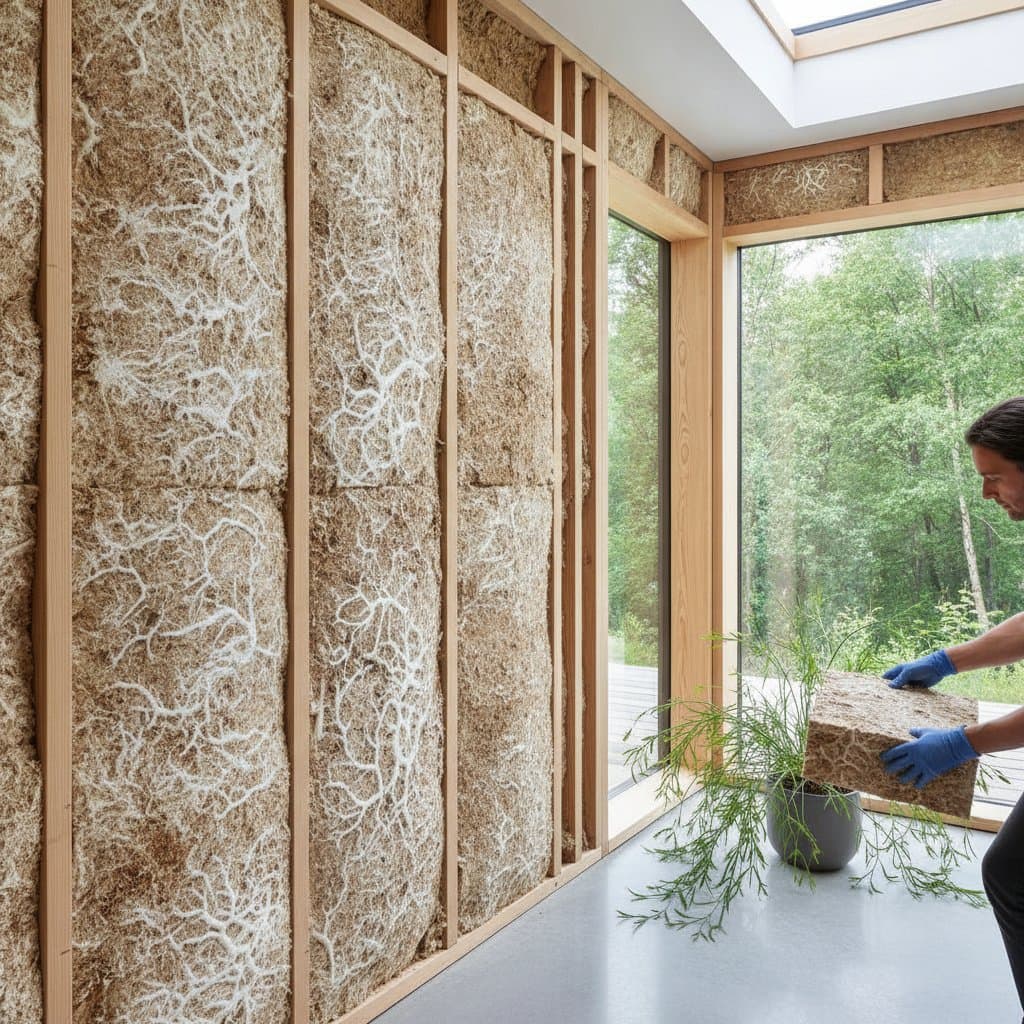
Mycelium acts as a natural adhesive during growth. Fine filaments known as hyphae extend through organic substrates, encasing particles and forming bonds. This creates a rigid yet lightweight matrix resistant to compression and effective at sound absorption.
Air voids within the structure enhance thermal insulation, rivaling synthetic foams. Post-curing, the material remains dormant, preventing regrowth or spore release. Its organic makeup confers fire resistance and humidity regulation capabilities.
Studies indicate that mycelium panels manage moisture by absorbing and releasing it gradually. This property fosters balanced indoor environments, particularly beneficial in humid regions. Such performance addresses common challenges in residential settings.
Evaluating Performance Through Application
Practical testing of mycelium panels reveals strengths in soundproofing and durability. Placed against exterior walls, these panels noticeably dampen external noise, such as traffic or harbor sounds. The effect resembles adding substantial acoustic barriers without added weight.
Exposure to varying humidity levels shows no deformation or odor development. The material retains integrity across seasons, resisting mold and pests inherent to its composition. These traits position mycelium as a reliable choice for diverse climates.
Skepticism about fungal materials often arises, but evidence confirms stability. Unlike living fungi, cured mycelium behaves as an inert substance, integrating seamlessly into construction.
Sustainability Advantages of Mycelium
Mycelium insulation excels through its closed-loop lifecycle. At end-of-use, it composts fully, avoiding landfill accumulation. The growth phase actively sequesters carbon dioxide, achieving a negative carbon footprint uncommon in building materials.
Key benefits include:
- Minimal energy use: Cultivation demands far less power than traditional manufacturing.
- Resource efficiency: It repurposes agricultural waste, diverting it from disposal.
- Clean formulation: Absence of resins, adhesives, or chemical retardants ensures safety.
- Biodegradable disposal: Decomposition occurs naturally without environmental harm.
These attributes appeal to environmentally conscious homeowners seeking comprehensive reductions in impact.
Real-World Implementation in Buildings
Adoption of mycelium insulation grows in forward-thinking residential and commercial projects. Its R-value matches mineral wool, providing comparable thermal resistance. Acoustic properties surpass many alternatives, making it ideal for noise-sensitive areas.
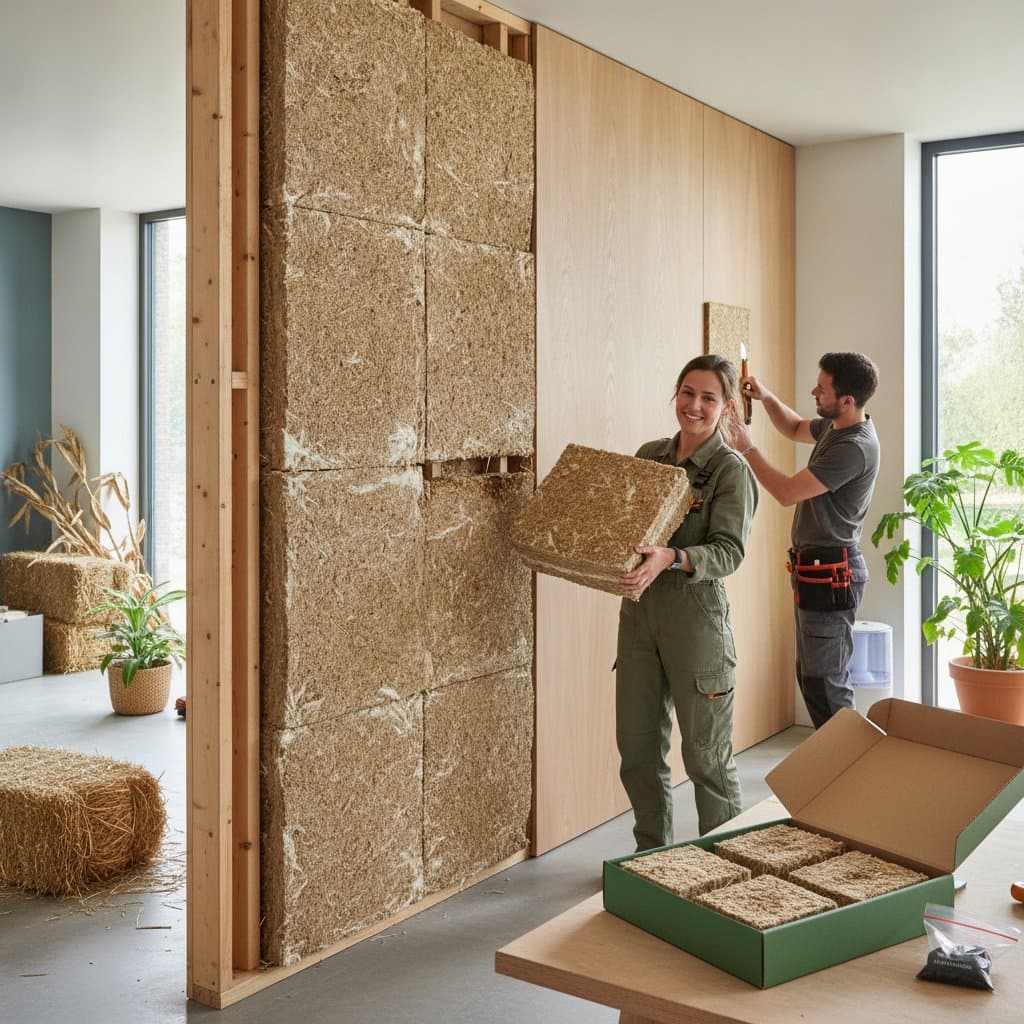
The material's lightness facilitates handling during installation. Versatility allows molding into panels or custom forms, even on-site cultivation for specific dimensions. This adaptability suits varied architectural needs.
Current challenges center on production scale, leading to higher costs than standard options. Expanding facilities promise price reductions, broadening accessibility. Early adopters report satisfaction with performance and ease of integration.
Practical Considerations for Coastal and Cold Climates
In regions with harsh conditions, such as salty air and freezing temperatures, durability remains a concern. Mycelium withstands these elements without performance loss. Its inherent resistance to mold and pests enhances longevity over time.
Implementation strategies favor incremental approaches. Begin with attics, sheds, or interior partitions to assess fit. This method allows evaluation before larger commitments, mirroring testing protocols for new materials.
Integrating Mycelium into Biodesign Trends
Mycelium insulation embodies biodesign principles, leveraging organisms for material creation. Similar innovations include fungal leathers, algal polymers, and plant-based concretes. These developments redefine conventional aesthetics and functionalities in construction.
The concept draws from nature's decay processes, where mycelium breaks down organic matter. Applying this to human habitats promotes harmony with ecosystems. Sustainability emerges not as restriction, but as emulation of proven natural systems.
Essential Guidance for Homeowners
Prospective users should prioritize informed decisions. Select suppliers with proven expertise and relevant certifications. Verify compliance with local building regulations, as approvals evolve rapidly.
Initiate with modest applications, such as sound panels or small renovations. Store materials in dry, airy spaces prior to use to avoid moisture issues. Embrace the organic texture, which pairs well with finishes like drywall.
These practices ensure successful outcomes and build confidence in the material's potential.
Advancing Toward Sustainable Renovations
Mycelium insulation merits consideration in upcoming home projects. It addresses energy efficiency and environmental goals without sacrificing quality. Research suppliers, request samples, and visualize applications to gauge suitability.
This material bridges traditional and innovative building practices. By incorporating mycelium, homeowners contribute to quieter, healthier spaces while minimizing ecological footprints. Future renovations stand to benefit from such forward-looking choices.