Eco Insulation from Mushrooms: Why It Is Gaining Traction
Key Takeaways
- Mycelium insulation derives from the root structure of mushrooms and serves as a biodegradable, renewable option compared to conventional materials.
- It delivers robust thermal and acoustic insulation while minimizing waste and carbon emissions.
- This material attracts interest for its natural composition, compostability, and versatility in home applications.
- Families, renters, and environmentally aware homeowners benefit from its non-toxic and sustainable attributes.
- Design communities around the world adopt this innovation, blending scientific advancement with environmental stewardship and aesthetic appeal.
Relocating from New York City to the Cotswolds revealed more about insulation than mere temperature control. In a stone farmhouse, persistent energy expenses highlighted the importance of material choices in daily life. Conversations in design forums and household discussions now frequently feature an unlikely hero: mycelium insulation, derived from mushrooms, which reshapes sustainable housing for compelling reasons.
Understanding Mycelium Insulation
Core Advantages Driving Adoption
Interest in mycelium insulation extends beyond curiosity. It addresses practical challenges for property owners seeking green options that maintain reliability and ease of use.
- Environmental Impact: Standard insulation depends on petroleum derivatives and resource-heavy production methods. Mycelium provides a replenishable, carbon-neutral substitute that breaks down harmlessly in the environment.
- Safety Profile: Synthetic insulators may emit fine particles or chemical vapors over time. Mycelium avoids harmful substances entirely, ensuring suitability for households with children or animals.
- Performance in Heat and Sound Control: Its porous, absorbent texture excels at trapping warmth and dampening noise, benefiting active family settings.
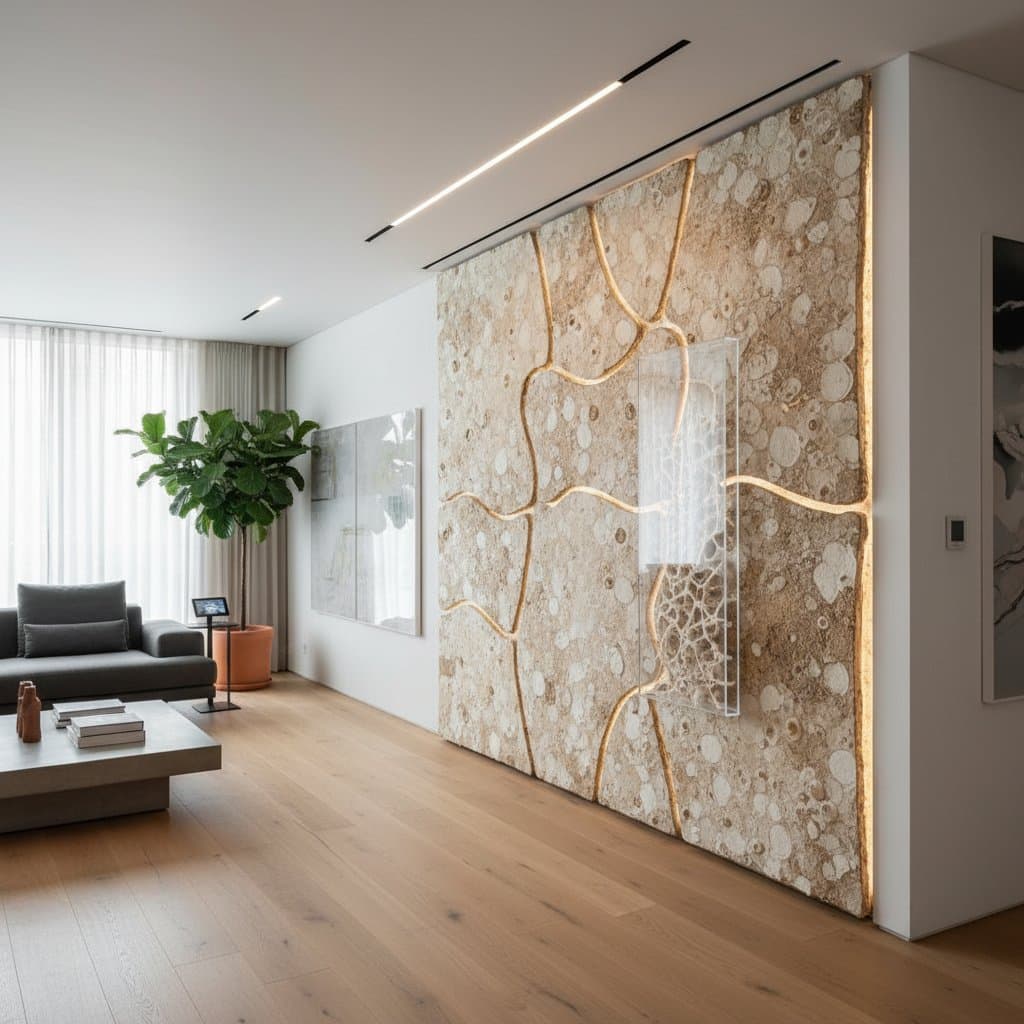
- Design Versatility: Professionals shape mycelium into exposed elements that introduce subtle, earthy finishes to living spaces, evoking natural landscapes.
Insights from Varied Living Environments
Experiences across urban high-rises and rural dwellings illustrate how regional conditions shape insulation preferences. New York residences prioritize compact, high-performance solutions. French rural homes favor permeable materials that respond to seasonal shifts. Cotswold properties, often historic, demand enduring, eco-compatible upgrades.
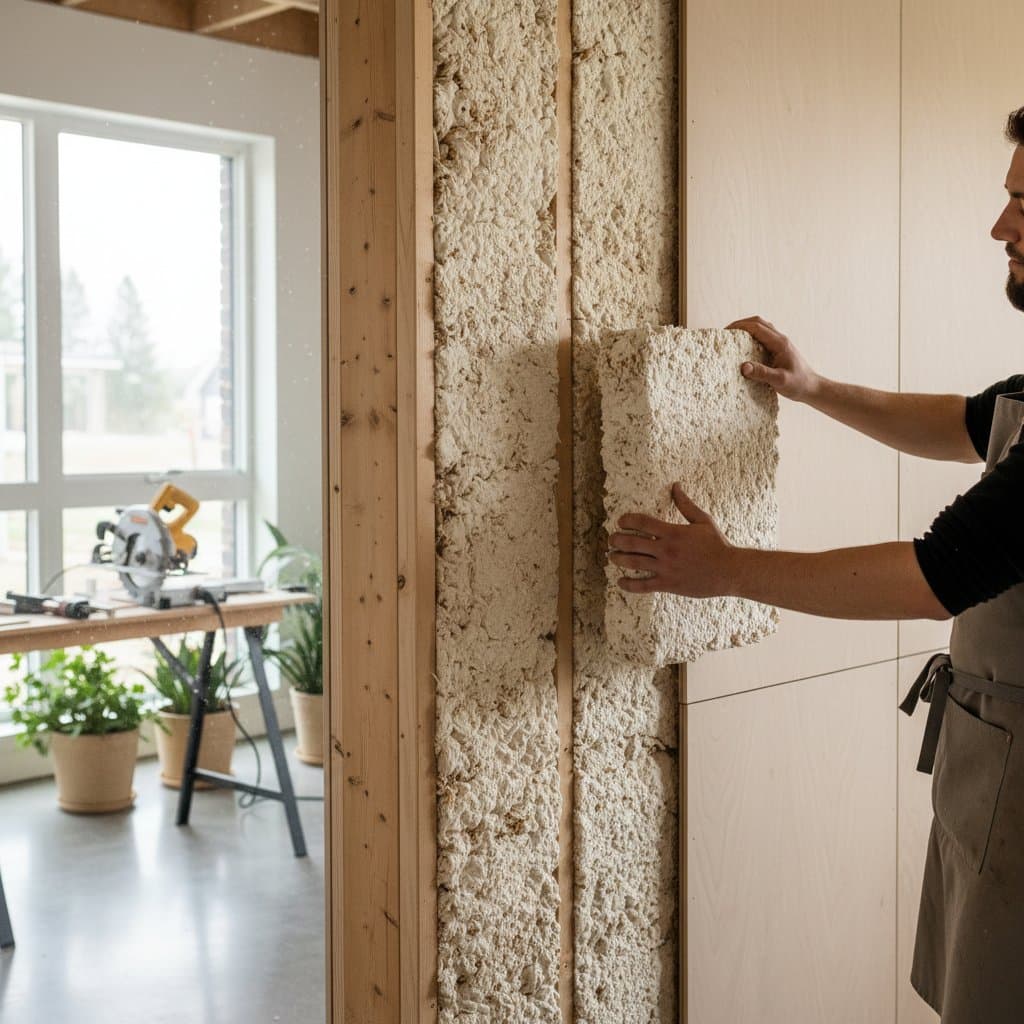
Mycelium aligns with these diverse requirements. Its light weight and pliability allow customization to fit specific forms, accommodating contemporary urban units or traditional rural builds. In compact city dwellings, it stabilizes temperatures without adding bulk. For aged structures, installation occurs seamlessly alongside preserved features like stone facades.
Interior specialist Amélie Laurent, focused on green retrofits in Provence, observes, “Clients love the idea that their walls can quite literally grow from the ground. It transforms sustainability from a technical feature into a story about connection to nature.”
Implementation Guidance for Homeowners
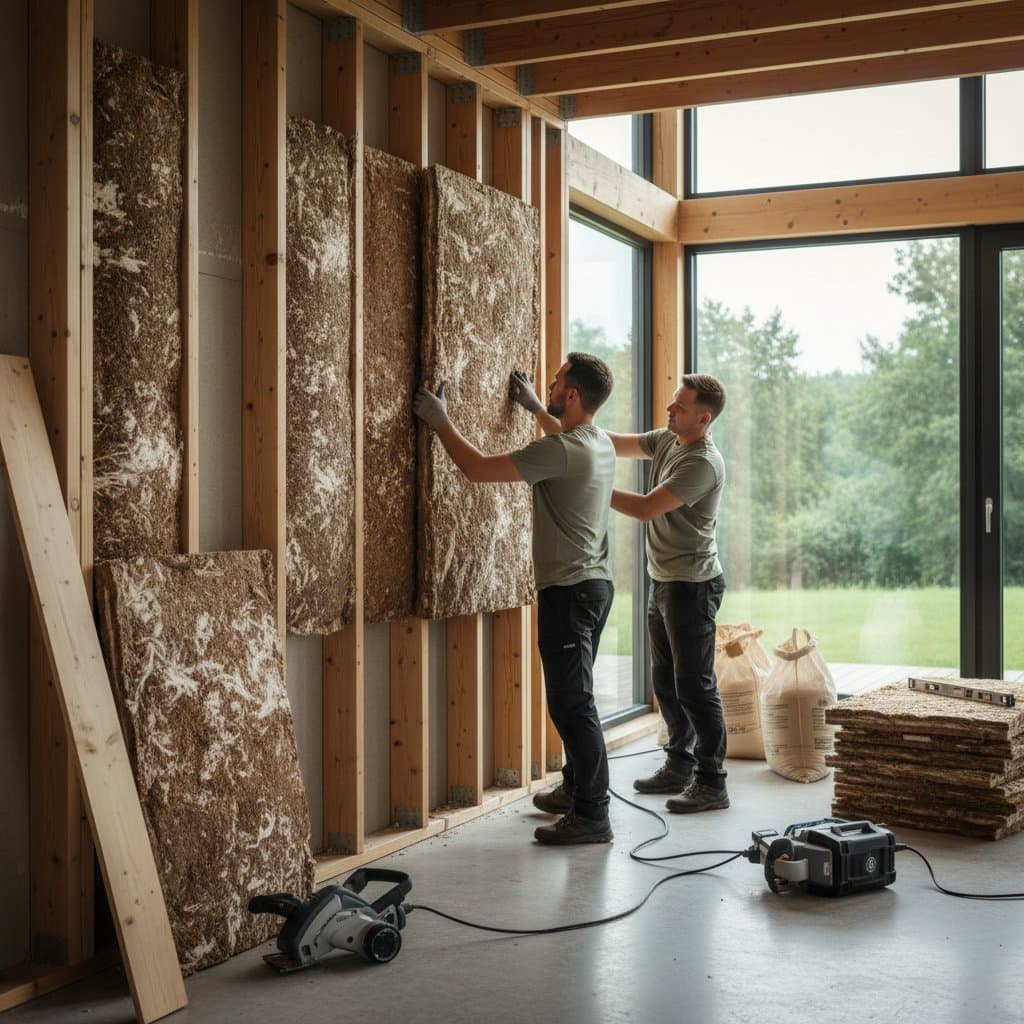
Mycelium insulation transitions from concept to reality with increasing feasibility. Producers in Europe and North America supply ready-to-install panels and modules for expert or self-directed projects.
Consider these factors when evaluating its integration:
- Installation Methods: Apply it to walls, floors, or roofs similar to existing insulators. Mold it into sound-dampening screens or ornamental surfaces for added functionality.
- Handling Moisture: Post-treatment sealing enhances water repellency. Avoid direct exposure in damp zones unless additional barriers are in place.
- Fire Safety: Its organic flame resistance complies with regulations without synthetic enhancers.
- Economic Aspects: Initial expenses exceed those of basic fiberglass, though economies of scale promise reductions. For targeted renovations, long-term savings in energy justify the investment.
To proceed, consult local suppliers for samples and compatibility assessments. Begin with pilot areas, such as attics or interior partitions, to gauge performance before broader adoption.
Benefits for Household Well-Being
As a parent, concerns about indoor air quality and surrounding substances remain paramount. Mycelium's organic origins eliminate synthetic irritants, paralleling traditional approaches like lime-based plasters for humidity management or repurposed fabrics for urban eco-upgrades.
This material advances a regenerative model, converting farm residues into valuable assets and positioning residences as contributors to ecological health rather than burdens. Environmentally minded families gain assurance from sourcing that avoids fossil fuel dependencies.
Sustainability consultant Marcus Patel articulates, “We are shifting from extraction to cultivation. Mycelium insulation is not manufactured in the traditional sense, it is grown.” This perspective redefines resource use fundamentally.
Worldwide Applications and Creative Uses
Mycelium insulation exemplifies collaborative progress across borders. Scandinavian creators extend its role to furnishings and fixtures. Japanese builders incorporate it into prefabricated shelters. British studios weave it into hybrid designs that honor heritage while embracing innovation.
These adaptations underscore sustainability's adaptability to local contexts, from temperate zones to seismic regions. Observing its application in urban terraces or rural outbuildings highlights a fusion of technical prowess and cultural resonance.
Integrating Mycelium into Daily Spaces
Approach adoption incrementally. Install panels in dedicated zones like studies or recreation areas to enhance air purity and quietude. Combine with eco-friendly finishes, salvaged timbers, and plant-based fabrics for cohesive, low-impact interiors.
Mycelium operates subtly, boosting efficiency and livability from within structures, while embodying principles of growth and ingenuity. As its use expands among builders and residents, it fosters environments that harmonize human needs with planetary vitality.
The momentum behind mushroom-derived insulation reflects evolving priorities. Individuals pursue dwellings that deliver comfort alongside conscience, paving the way for broader ecological harmony.